English
- Afrikaans
- Albanian
- Amharic
- Arabic
- Armenian
- Azerbaijani
- Basque
- Belarusian
- Bengali
- Bosnian
- Bulgarian
- Catalan
- Cebuano
- Corsican
- Croatian
- Czech
- Danish
- Dutch
- English
- Esperanto
- Estonian
- Finnish
- French
- Frisian
- Galician
- Georgian
- German
- Greek
- Gujarati
- Haitian Creole
- hausa
- hawaiian
- Hebrew
- Hindi
- Miao
- Hungarian
- Icelandic
- igbo
- Indonesian
- irish
- Italian
- Japanese
- Javanese
- Kannada
- kazakh
- Khmer
- Rwandese
- Korean
- Kurdish
- Kyrgyz
- Lao
- Latin
- Latvian
- Lithuanian
- Luxembourgish
- Macedonian
- Malgashi
- Malay
- Malayalam
- Maltese
- Maori
- Marathi
- Mongolian
- Myanmar
- Nepali
- Norwegian
- Norwegian
- Occitan
- Pashto
- Persian
- Polish
- Portuguese
- Punjabi
- Romanian
- Russian
- Samoan
- Scottish Gaelic
- Serbian
- Sesotho
- Shona
- Sindhi
- Sinhala
- Slovak
- Slovenian
- Somali
- Spanish
- Sundanese
- Swahili
- Swedish
- Tagalog
- Tajik
- Tamil
- Tatar
- Telugu
- Thai
- Turkish
- Turkmen
- Ukrainian
- Urdu
- Uighur
- Uzbek
- Vietnamese
- Welsh
- Bantu
- Yiddish
- Yoruba
- Zulu

Telephone: +86 13120555503
Email: frank@cypump.com


Apr . 01, 2024 17:55 Back to list
Slurry Pump Manual Performance Analysis
Introduction
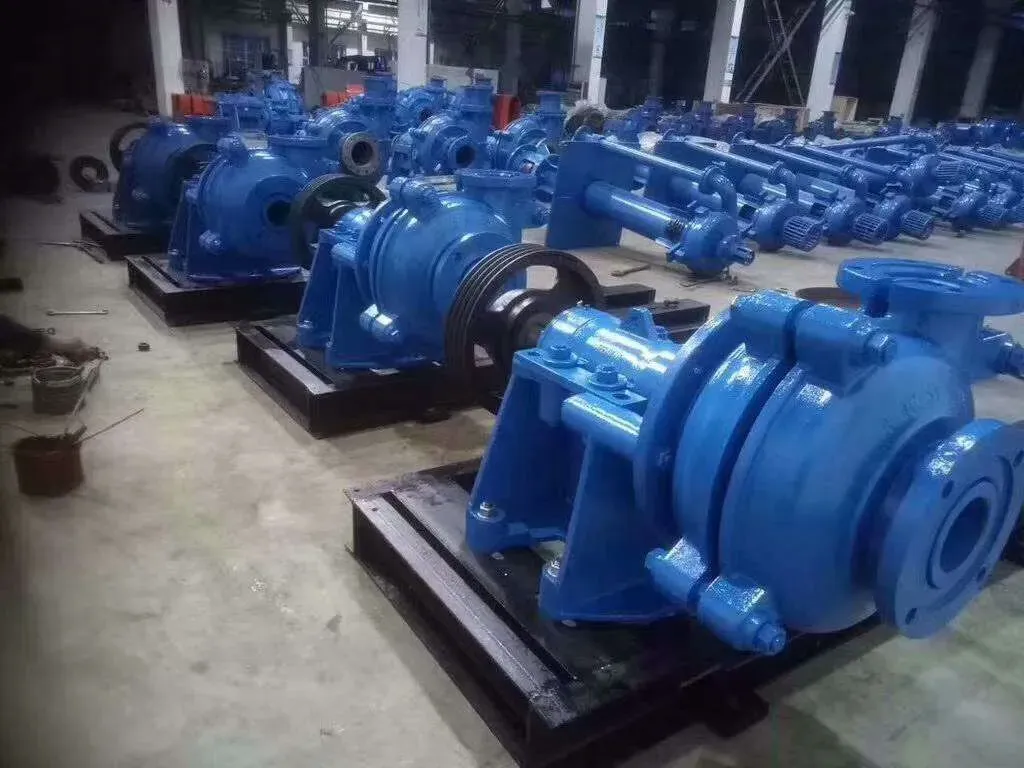
Slurry pumps are heavy-duty pumps specifically designed for the transportation of abrasive, erosive, and corrosive slurries. They occupy a critical position within numerous industrial sectors including mining, wastewater treatment, chemical processing, and dredging. Unlike clear fluid pumps, slurry pumps must contend with solid particle suspension, varying slurry densities, and often, aggressive chemical environments. Their performance directly impacts the efficiency and cost-effectiveness of entire processing systems. A key differentiator is the hydraulic design, typically incorporating impeller designs optimized for handling solids without clogging or excessive wear. The pumps' robust construction, often utilizing specialized materials, extends operational life despite the harsh conditions. This guide provides an in-depth examination of slurry pump technology, encompassing material science, manufacturing, performance characteristics, failure modes, and relevant industry standards. Understanding these aspects is crucial for effective selection, operation, and maintenance, ultimately minimizing downtime and maximizing return on investment.
Material Science & Manufacturing
The materials used in slurry pump construction are paramount to their longevity and reliability. Pump casings are frequently manufactured from high-chrome cast iron (typically 27% chromium content) due to its exceptional abrasion resistance, particularly effective against hard particulate matter. Alternative materials include ductile iron for improved impact strength and stainless steel alloys (316, 304) for corrosive environments. Impellers, the rotating components directly exposed to the slurry, often utilize similar materials to the casing but may also employ specialized alloys like high-white iron for extreme abrasion resistance, sacrificing some toughness. Liners, often rubber or polyurethane, are employed to protect the casing from corrosion and erosion, providing a sacrificial layer that is periodically replaced. The manufacturing process typically involves sand casting for the casing and impeller, followed by heat treatment to achieve the desired hardness and microstructure. Welding is extensively used for joining components, necessitating qualified welders and stringent quality control to ensure weld integrity. Rubber liners are typically vulcanized directly onto the metal casing. Critical parameters during manufacturing include controlling the cooling rate of castings to minimize residual stresses, ensuring proper heat treatment temperatures and durations to optimize material properties, and maintaining precise tolerances during machining to ensure proper fit and alignment of pump components. The selection of elastomer compounds for liners must consider the chemical compatibility with the slurry being pumped, preventing swelling, degradation, or leaching. Manufacturing deviations, such as porosity in castings or improper weld penetration, can significantly reduce pump life and increase the risk of catastrophic failure.
Performance & Engineering
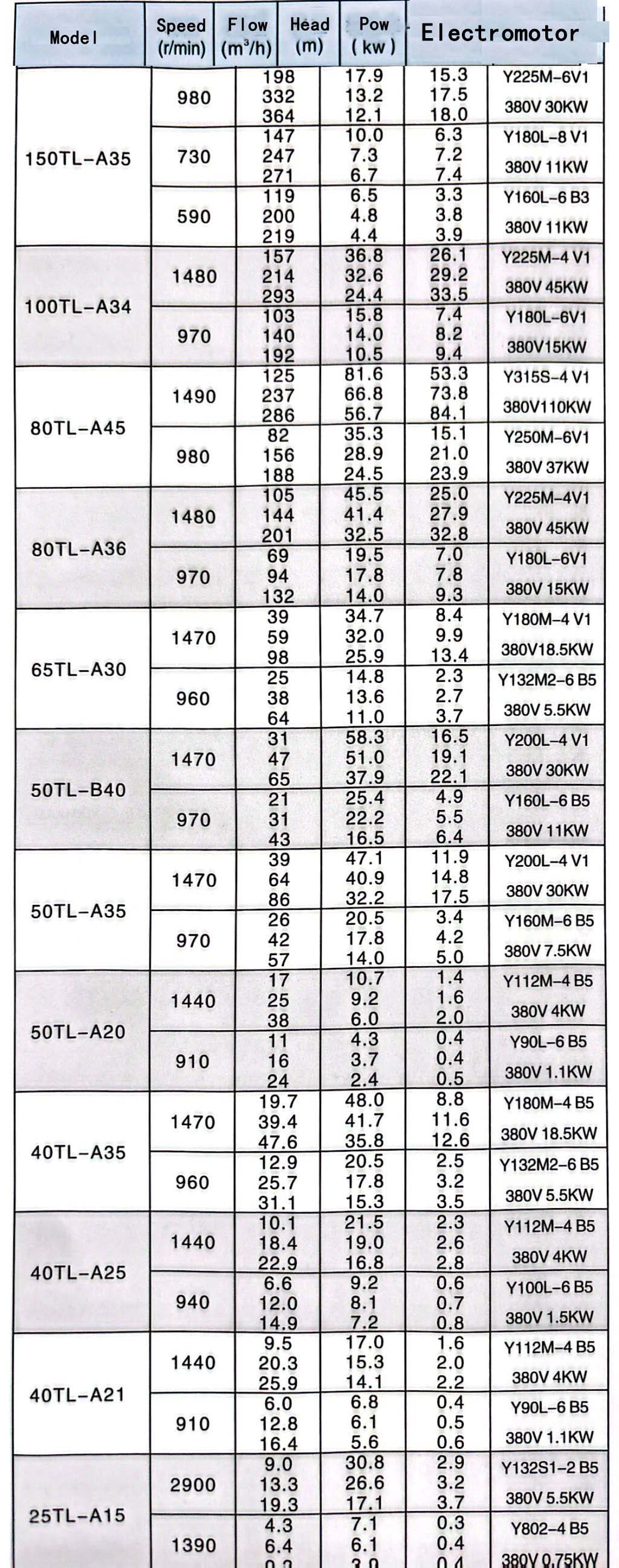
Slurry pump performance is dictated by several key engineering principles. Hydraulic design focuses on maximizing pump efficiency while minimizing wear. Impeller geometry, particularly the vane angle and width, is tailored to the specific slurry characteristics. Positive displacement pumps are generally unsuitable due to their inability to handle solids; centrifugal pumps are predominantly used. Force analysis involves assessing the impact forces exerted by solid particles on the impeller and casing. These forces contribute to erosion and wear, necessitating robust material selection and appropriate design margins. Cavitation, a common concern in fluid pumps, is exacerbated in slurry applications due to the higher viscosity and density of the slurry. Proper Net Positive Suction Head Required (NPSHr) calculation and maintenance are crucial to prevent cavitation damage. Environmental resistance is also a key consideration. Pump materials must withstand the corrosive nature of the slurry and the operating temperature. Compliance requirements vary depending on the application and location. For example, pumps used in the food processing industry must meet sanitary standards (3-A Sanitary Standards), while pumps used in hazardous locations must be certified for explosion-proof operation (ATEX, IECEx). Pump curves, depicting the relationship between flow rate, head, and efficiency, are essential for pump selection and system design. The curves are generated through rigorous testing and must account for the specific slurry properties. Pump system design should incorporate appropriate piping configurations to minimize head loss and prevent solids settling. Variable Frequency Drives (VFDs) are often used to optimize pump speed and energy consumption based on varying flow rate demands.
Technical Specifications
| Parameter | Unit | Typical Range (Small Pump) | Typical Range (Large Pump) |
|---|---|---|---|
| Flow Rate | m³/hr | 5 – 50 | 200 – 1000+ |
| Total Head | m | 10 – 30 | 50 – 150+ |
| Solids Handling Capability | mm | Up to 25 | Up to 150+ |
| Pump Speed | RPM | 500 – 1500 | 500 – 1200 |
| Power Consumption | kW | 1.5 – 7.5 | 30 – 200+ |
| Casing Material | - | High Chrome Iron | High Chrome Iron/Stainless Steel |
Failure Mode & Maintenance
Slurry pump failures typically stem from abrasive wear, erosion, corrosion, and mechanical fatigue. Abrasive wear, caused by the impact of solid particles, leads to gradual material loss, particularly on the impeller and casing. Erosion, a similar process, is accelerated by high slurry velocities. Corrosion results from chemical reactions between the slurry and pump materials, causing material degradation. Mechanical fatigue can occur in rotating components, such as the impeller and shaft, due to cyclic loading. Common failure modes include impeller cracking, casing erosion, bearing failure, and seal leakage. Preventive maintenance is crucial for extending pump life. This includes regular inspection for wear, lubrication of bearings, seal replacement, and tightening of bolts. Vibration analysis can detect early signs of bearing failure or impeller imbalance. A planned maintenance schedule should be implemented based on operating hours and slurry characteristics. When replacing worn components, it is essential to use materials that are compatible with the slurry and to follow the manufacturer's recommendations. Detailed failure analysis, including metallurgical examination of failed components, can identify the root cause of the failure and prevent recurrence. Regular monitoring of pump performance parameters, such as flow rate, head, and power consumption, can provide valuable insights into pump condition and identify potential problems before they escalate. Proper pump alignment is critical to prevent bearing failure and seal leakage.
Industry FAQ
Q: What is the primary difference between a centrifugal slurry pump and a positive displacement slurry pump?
A: Centrifugal slurry pumps rely on impeller rotation to generate flow and are preferred for handling slurries due to their ability to tolerate solids. Positive displacement pumps, while efficient with clean fluids, struggle with solids as they can cause clogging and excessive wear. Centrifugal pumps are also generally less susceptible to damage from fluctuating slurry densities.
Q: How does the choice of liner material impact pump performance and lifespan?
A: Liner material is critical. Rubber liners provide excellent abrasion resistance for mildly abrasive slurries, but may be susceptible to chemical attack. Polyurethane liners offer better chemical resistance but can be less abrasion-resistant. Selecting the correct liner for the specific slurry composition is essential for maximizing lifespan and minimizing downtime.
Q: What are the key considerations when selecting a slurry pump for a highly abrasive application?
A: For highly abrasive applications, prioritize materials with high hardness and abrasion resistance, such as high-chrome cast iron or ceramic materials. Consider a pump with a larger impeller diameter and slower speed to reduce impact forces. Implement a robust wear monitoring program and frequent liner replacement.
Q: How can I mitigate the risk of cavitation in a slurry pump?
A: Ensure adequate Net Positive Suction Head Available (NPSHa) exceeds the Net Positive Suction Head Required (NPSHr) by a sufficient margin. Optimize suction piping to minimize head loss and prevent air entrainment. Reduce slurry viscosity by heating or dilution if feasible, and avoid operating the pump at excessively high speeds.
Q: What role does impeller design play in minimizing wear and maximizing efficiency?
A: Impeller design significantly impacts performance. Open impellers are generally preferred for handling slurries with large solids content as they are less prone to clogging. Vane angles and widths are optimized to balance flow rate, head, and efficiency while minimizing wear. Impeller materials must be carefully selected based on the slurry's abrasive and corrosive properties.
Conclusion
Slurry pump technology is a complex field requiring a comprehensive understanding of material science, hydraulic principles, and operational considerations. Effective slurry pump selection, installation, and maintenance are critical for ensuring reliable and cost-effective operation in demanding industrial environments. The longevity of these pumps is intrinsically linked to careful material selection tailored to the slurry’s composition, diligent monitoring of wear patterns, and a proactive maintenance schedule.
Future advancements in slurry pump technology are focused on developing more wear-resistant materials, optimizing impeller designs for improved efficiency and solids handling capability, and incorporating advanced monitoring and control systems for predictive maintenance. Continued research into alternative materials and coatings, coupled with the adoption of data-driven maintenance strategies, will further enhance the performance and reliability of slurry pumps, reducing operational costs and minimizing environmental impact.
-
Precision at the Pump: How Better Machining Protects Flow and Uptime
News2026-11-20
-
Why Pump Reliability Begins Before the First Drop of Fluid
News2026-11-20
-
Beyond the Pump: Designing Safer Access Around Critical Water Infrastructure
News2026-11-20
-
Why Pumping Stations Depend on the Infrastructure Beneath the Pumps
News2026-11-20
-
Beyond the Pump Room: How Smarter Loading Protects Industrial Equipment
News2026-11-19
-
When Pumps Stop: Designing More Resilient Power for Critical Pumping Systems
News2026-11-19
-
The Hidden Role of Dust and Gas Monitoring in Reliable Pump Operations
News2026-11-19
-
The Hidden Role of Mineral Compounds in Extending Industrial Pump Lifespan
News2026-10-12
-
Why Pump System Reliability Depends on Precision Hose Assembly Methods
News2026-09-15
-
How Advanced Imaging Films Are Transforming Pump Component Quality Control
News2026-08-25
-
How Advanced Filtration Protects Pump Systems from Premature Wear and Costly Downtime
News2026-08-25
-
How Steel Material Selection Drives Pump Reliability in Heavy-Duty Systems
News2026-08-25
-
Ensuring Pump System Efficiency: The Role of High-Quality Pipe Fittings and Tubing
News2026-08-24
-
Optimizing Fluid Dynamics and Material Consistency in Industrial Processing
News2026-08-18
-
Innovations and Challenges in Hydraulic Systems for Heavy Machinery
News2026-08-13




