English
- Afrikaans
- Albanian
- Amharic
- Arabic
- Armenian
- Azerbaijani
- Basque
- Belarusian
- Bengali
- Bosnian
- Bulgarian
- Catalan
- Cebuano
- Corsican
- Croatian
- Czech
- Danish
- Dutch
- English
- Esperanto
- Estonian
- Finnish
- French
- Frisian
- Galician
- Georgian
- German
- Greek
- Gujarati
- Haitian Creole
- hausa
- hawaiian
- Hebrew
- Hindi
- Miao
- Hungarian
- Icelandic
- igbo
- Indonesian
- irish
- Italian
- Japanese
- Javanese
- Kannada
- kazakh
- Khmer
- Rwandese
- Korean
- Kurdish
- Kyrgyz
- Lao
- Latin
- Latvian
- Lithuanian
- Luxembourgish
- Macedonian
- Malgashi
- Malay
- Malayalam
- Maltese
- Maori
- Marathi
- Mongolian
- Myanmar
- Nepali
- Norwegian
- Norwegian
- Occitan
- Pashto
- Persian
- Polish
- Portuguese
- Punjabi
- Romanian
- Russian
- Samoan
- Scottish Gaelic
- Serbian
- Sesotho
- Shona
- Sindhi
- Sinhala
- Slovak
- Slovenian
- Somali
- Spanish
- Sundanese
- Swahili
- Swedish
- Tagalog
- Tajik
- Tamil
- Tatar
- Telugu
- Thai
- Turkish
- Turkmen
- Ukrainian
- Urdu
- Uighur
- Uzbek
- Vietnamese
- Welsh
- Bantu
- Yiddish
- Yoruba
- Zulu

Telephone: +86 13120555503
Email: frank@cypump.com


Apr . 01, 2024 17:55 Back to list
slurry pump made in china Performance and Engineering
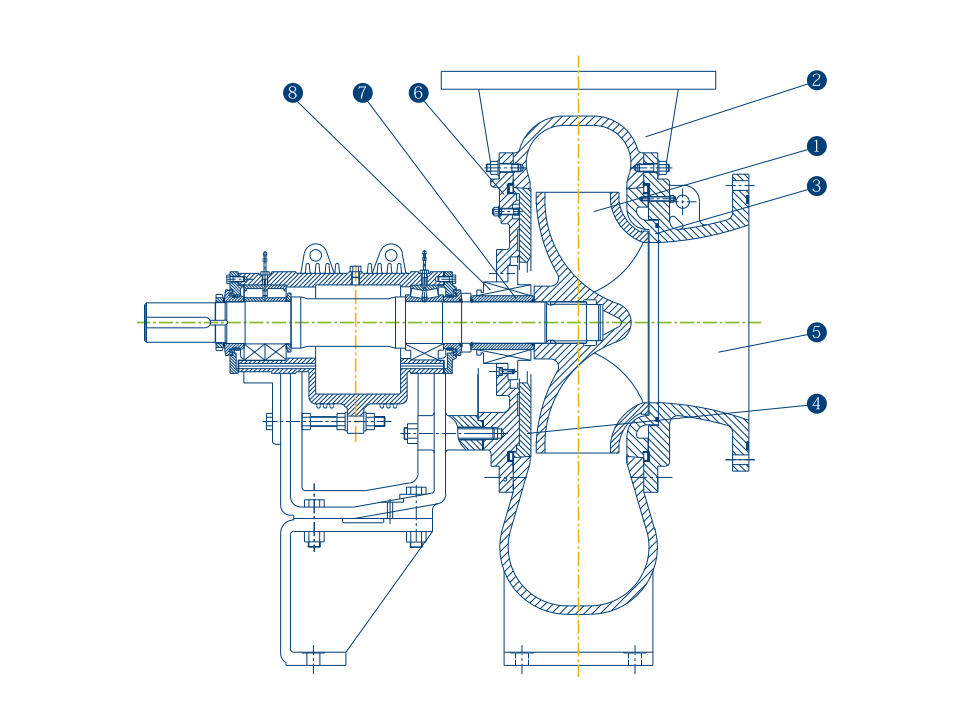
Introduction
Slurry pumps are heavy-duty centrifugal pumps specifically designed to handle abrasive and erosive fluids containing a high concentration of solid particles. Manufactured in China, these pumps have become increasingly prevalent in global industries including mining, dredging, wastewater treatment, and chemical processing due to their cost-effectiveness and increasing technical capabilities. Their technical position lies downstream of material science and casting technologies, functioning as critical components in fluid transfer systems. Core performance characteristics revolve around flow rate, head pressure, solids handling capability, and abrasion resistance. A key industry pain point centers around pump wear life; optimizing materials and impeller design to minimize abrasive wear is paramount. Another is maintaining hydraulic efficiency while processing highly concentrated slurries. Chinese manufacturers are increasingly focusing on addressing these issues through advanced materials research and improved manufacturing processes.
Material Science & Manufacturing
The primary materials used in slurry pump construction are high-chromium cast iron (typically 27% Cr), stainless steel (304, 316, duplex), and specialized abrasion-resistant alloys. High-chromium cast iron provides excellent wear resistance due to the formation of hard chromium carbides. Stainless steel is preferred for corrosive environments, but generally offers lower abrasion resistance than high-chromium iron. Alloys such as white iron are employed in severe service applications. The manufacturing process typically involves several key stages: casting of pump housing and impeller, machining to precise tolerances, welding of critical components, heat treatment for hardening and stress relief, and final assembly. Impeller manufacturing often utilizes investment casting for complex geometries. Parameter control during casting, particularly cooling rates and alloy composition, is crucial for achieving desired material properties. Welding procedures must adhere to stringent standards (AWS D1.1) to ensure joint integrity. Quality control involves non-destructive testing (NDT) methods such as radiographic inspection and ultrasonic testing to detect internal flaws. The casting process employs sand casting, utilizing silica sand, clay, and binders. The mixture’s permeability and strength directly impact casting quality. Impeller balancing is a critical step ensuring smooth operation and reduced vibration.
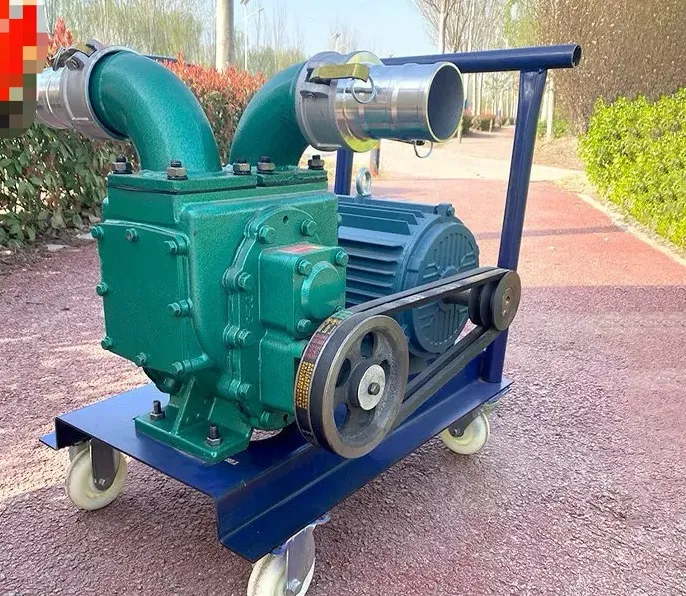
Performance & Engineering
Slurry pump performance is governed by fundamental hydraulic principles, including Bernoulli's equation and the affinity laws. Force analysis involves calculating the stresses imposed on pump components by fluid pressure, solids impact, and centrifugal forces. The pump's hydraulic power is a function of flow rate and head pressure. Impeller design (vane angle, width, and number) significantly impacts performance characteristics. Environmental resistance is crucial, particularly in corrosive or abrasive environments. Material selection must account for the chemical composition of the slurry and the potential for galvanic corrosion. Compliance requirements vary by region and application. For example, pumps used in the mining industry must meet stringent safety standards (e.g., MSHA in the US). Functional implementation necessitates proper system design, including pipe sizing, valve selection, and pump control strategies. Net Positive Suction Head Required (NPSHr) is a critical parameter to prevent cavitation. The pump curve (head-capacity curve) dictates optimal operating points. Cavitation erodes impeller vanes and housing, causing premature failure. Proper impeller clearance is also vital for maintaining efficiency.
Technical Specifications
| Parameter | Unit | Typical Range (Chinese Manufactured Pump) | Notes |
|---|---|---|---|
| Flow Rate | m³/h | 10 - 1000 | Dependent on impeller diameter and speed |
| Head | m | 5 - 80 | Influenced by impeller design and pump speed |
| Solids Handling Size | mm | Up to 150 | Larger sizes require specialized designs |
| Slurry Concentration (Wt%) | % | Up to 70 | Higher concentrations increase wear |
| Pump Speed | RPM | 500 - 3600 | Variable frequency drives (VFDs) often employed |
| Material (Casing) | - | High-Chrome Cast Iron, Stainless Steel (304/316) | Material selection based on slurry composition |
Failure Mode & Maintenance
Common failure modes in slurry pumps include abrasive wear of the impeller and casing, corrosion of metallic components, cavitation erosion, bearing failure, and seal failure. Abrasive wear is the most frequent cause of failure, particularly when handling hard particles. Fatigue cracking can occur in the impeller vanes due to cyclic loading. Delamination of the wear-resistant coating on the impeller can accelerate wear. Corrosion can lead to pitting and localized material loss. Cavitation results in localized high-velocity impact, causing pitting and erosion. Bearing failure is often caused by insufficient lubrication or contamination. Seal failure can lead to leakage and pump inefficiency. Regular maintenance is crucial for extending pump life. This includes visual inspection for wear, lubrication of bearings, replacement of worn parts (impeller, liners, seals), and monitoring of pump performance parameters (flow rate, pressure, vibration). Predictive maintenance techniques, such as vibration analysis and thermography, can help identify potential problems before they lead to failure. Proper slurry preparation, including screening and particle size control, can significantly reduce abrasive wear. Maintaining proper suction conditions is vital to avoid cavitation.
Industry FAQ
Q: What is the typical lifespan of a high-chrome cast iron impeller in a slurry application handling 80% solids by weight?
A: The lifespan of a high-chrome cast iron impeller in such a severe application is highly variable, depending on the hardness and shape of the solids. Typically, expect a lifespan ranging from 6 to 18 months. Frequent inspection and replacement of wear liners are crucial.
Q: What are the key considerations when selecting a slurry pump for a highly corrosive environment, such as sulfuric acid?
A: For corrosive environments, stainless steel (316 or duplex) is generally preferred over high-chrome cast iron. Consider the concentration and temperature of the acid, as these factors impact corrosion rates. Also, evaluate the potential for pitting corrosion and select materials with appropriate resistance.
Q: How do variable frequency drives (VFDs) contribute to extending the life of a slurry pump?
A: VFDs allow for precise control of pump speed, enabling optimization of flow rate and head pressure. Running the pump at lower speeds when not required reduces abrasive wear and energy consumption. VFDs also mitigate hydraulic shocks and water hammer events.
Q: What is the importance of NPSHr (Net Positive Suction Head Required) and how do you ensure adequate NPSHa (Net Positive Suction Head Available)?
A: NPSHr is the minimum pressure required at the pump suction to prevent cavitation. Adequate NPSHa must be maintained to avoid cavitation damage. This is achieved through proper system design, minimizing suction lift, and ensuring sufficient fluid level in the supply tank.
Q: What are the advantages of using a rubber liner versus a metallic liner in a slurry pump casing?
A: Rubber liners offer superior abrasion resistance, particularly for coarse, angular particles. They also dampen noise and vibration. However, rubber liners have lower temperature and pressure limits compared to metallic liners and are susceptible to chemical attack.
Conclusion
Slurry pumps manufactured in China represent a significant portion of the global market, continually evolving to address the demanding challenges of abrasive and corrosive slurry handling. The selection of appropriate materials, coupled with robust manufacturing processes and adherence to international standards, is critical for ensuring pump reliability and longevity. Optimization of hydraulic design and incorporation of control technologies like VFDs further enhance performance and minimize operational costs.
Future trends in slurry pump technology are focused on advanced materials research (e.g., ceramic composites, superalloys), improved impeller designs for enhanced solids handling, and the implementation of smart monitoring systems for predictive maintenance. Chinese manufacturers are increasingly investing in these areas, positioning themselves as key innovators in the slurry pump industry.
-
Precision at the Pump: How Better Machining Protects Flow and Uptime
News2026-11-20
-
Why Pump Reliability Begins Before the First Drop of Fluid
News2026-11-20
-
Beyond the Pump: Designing Safer Access Around Critical Water Infrastructure
News2026-11-20
-
Why Pumping Stations Depend on the Infrastructure Beneath the Pumps
News2026-11-20
-
Beyond the Pump Room: How Smarter Loading Protects Industrial Equipment
News2026-11-19
-
When Pumps Stop: Designing More Resilient Power for Critical Pumping Systems
News2026-11-19
-
The Hidden Role of Dust and Gas Monitoring in Reliable Pump Operations
News2026-11-19
-
The Hidden Role of Mineral Compounds in Extending Industrial Pump Lifespan
News2026-10-12
-
Why Pump System Reliability Depends on Precision Hose Assembly Methods
News2026-09-15
-
How Advanced Imaging Films Are Transforming Pump Component Quality Control
News2026-08-25
-
How Advanced Filtration Protects Pump Systems from Premature Wear and Costly Downtime
News2026-08-25
-
How Steel Material Selection Drives Pump Reliability in Heavy-Duty Systems
News2026-08-25
-
Ensuring Pump System Efficiency: The Role of High-Quality Pipe Fittings and Tubing
News2026-08-24
-
Optimizing Fluid Dynamics and Material Consistency in Industrial Processing
News2026-08-18
-
Innovations and Challenges in Hydraulic Systems for Heavy Machinery
News2026-08-13




