English
- Afrikaans
- Albanian
- Amharic
- Arabic
- Armenian
- Azerbaijani
- Basque
- Belarusian
- Bengali
- Bosnian
- Bulgarian
- Catalan
- Cebuano
- Corsican
- Croatian
- Czech
- Danish
- Dutch
- English
- Esperanto
- Estonian
- Finnish
- French
- Frisian
- Galician
- Georgian
- German
- Greek
- Gujarati
- Haitian Creole
- hausa
- hawaiian
- Hebrew
- Hindi
- Miao
- Hungarian
- Icelandic
- igbo
- Indonesian
- irish
- Italian
- Japanese
- Javanese
- Kannada
- kazakh
- Khmer
- Rwandese
- Korean
- Kurdish
- Kyrgyz
- Lao
- Latin
- Latvian
- Lithuanian
- Luxembourgish
- Macedonian
- Malgashi
- Malay
- Malayalam
- Maltese
- Maori
- Marathi
- Mongolian
- Myanmar
- Nepali
- Norwegian
- Norwegian
- Occitan
- Pashto
- Persian
- Polish
- Portuguese
- Punjabi
- Romanian
- Russian
- Samoan
- Scottish Gaelic
- Serbian
- Sesotho
- Shona
- Sindhi
- Sinhala
- Slovak
- Slovenian
- Somali
- Spanish
- Sundanese
- Swahili
- Swedish
- Tagalog
- Tajik
- Tamil
- Tatar
- Telugu
- Thai
- Turkish
- Turkmen
- Ukrainian
- Urdu
- Uighur
- Uzbek
- Vietnamese
- Welsh
- Bantu
- Yiddish
- Yoruba
- Zulu

Telephone: +86 13120555503
Email: frank@cypump.com


Apr . 01, 2024 17:55 Back to list
slurry pump interchangeable spares parts Performance Analysis
Introduction
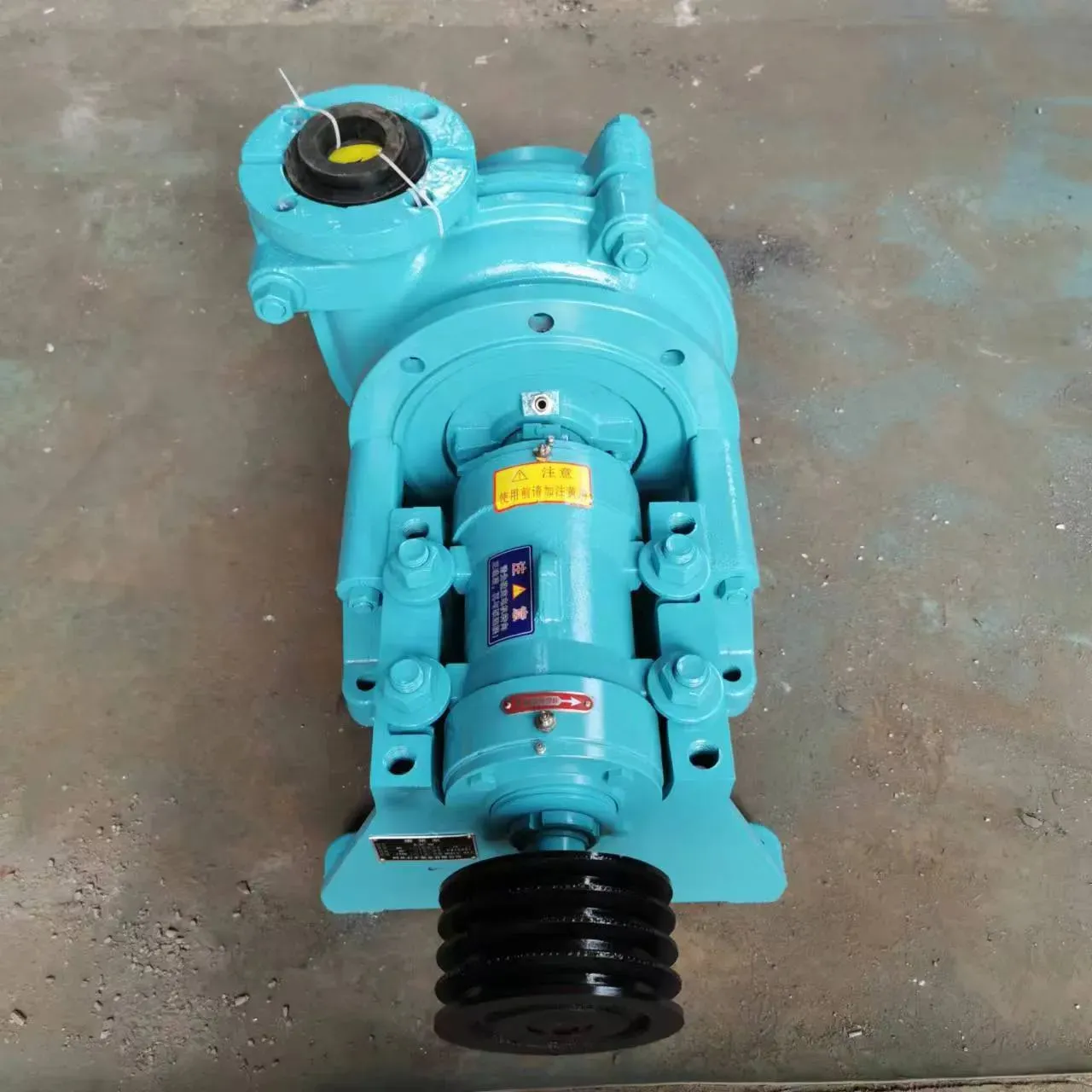
Slurry pump interchangeable spares parts represent a critical component within the broader industrial fluid handling sector. These parts, encompassing impellers, liners, volute casings, shafts, and seals, are designed to withstand the abrasive and corrosive nature of slurries – mixtures of liquids carrying solid particles. Their interchangeability is paramount, enabling rapid repair and minimizing downtime in industries like mining, wastewater treatment, dredging, and chemical processing. Unlike bespoke components requiring extensive lead times, interchangeable spares offer logistical advantages, cost-effectiveness, and simplified maintenance procedures. This guide will provide an in-depth technical overview of these components, covering materials, manufacturing, performance considerations, failure modes, and relevant industry standards. The core pain point addressed by interchangeable spares is the substantial financial impact of prolonged pump outages and the need for robust solutions to handle increasingly challenging slurry compositions.
Material Science & Manufacturing
The selection of materials for slurry pump spares is dictated by the slurry’s characteristics – particle size, concentration, velocity, and chemical composition. High-chromium cast irons (typically 13% - 28% Cr) are widely used for impellers and liners due to their excellent wear resistance from the formation of hard chromium carbides. However, these materials are susceptible to corrosion in acidic or alkaline environments. For highly corrosive slurries, duplex stainless steels (e.g., 2205, 2507) offer superior resistance, though generally exhibit lower wear resistance than high-chromium irons. Ceramic materials like alumina (Al2O3) and silicon carbide (SiC) are employed in extreme applications requiring both high wear and corrosion resistance, despite their higher cost and brittleness. Elastomeric liners, often made of natural or synthetic rubber (e.g., EPDM, NR), are used to dampen noise and provide a degree of protection against large particle impacts.
Manufacturing processes vary based on the component. Impellers and volute casings are commonly produced using sand casting, investment casting (lost-wax casting), or centrifugal casting. Sand casting is cost-effective for large parts, but surface finish and dimensional accuracy are lower. Investment casting offers higher precision and complex geometries but is more expensive. Centrifugal casting is ideal for producing hollow cylindrical parts with improved density and mechanical properties. Shafts are typically machined from high-strength alloy steels (e.g., 4140, 4340) via turning, milling, and grinding. Seals are manufactured using a variety of materials, including tungsten carbide, silicon carbide, and PTFE, employing processes like sintering, pressing, and machining. Key parameter control during manufacturing includes precise alloy composition control, proper heat treatment (hardening, tempering) to achieve desired hardness and toughness, and dimensional accuracy within tight tolerances to ensure proper fit and function. Non-destructive testing (NDT) methods such as ultrasonic testing and radiographic inspection are critical for detecting internal flaws and ensuring component integrity.
Performance & Engineering
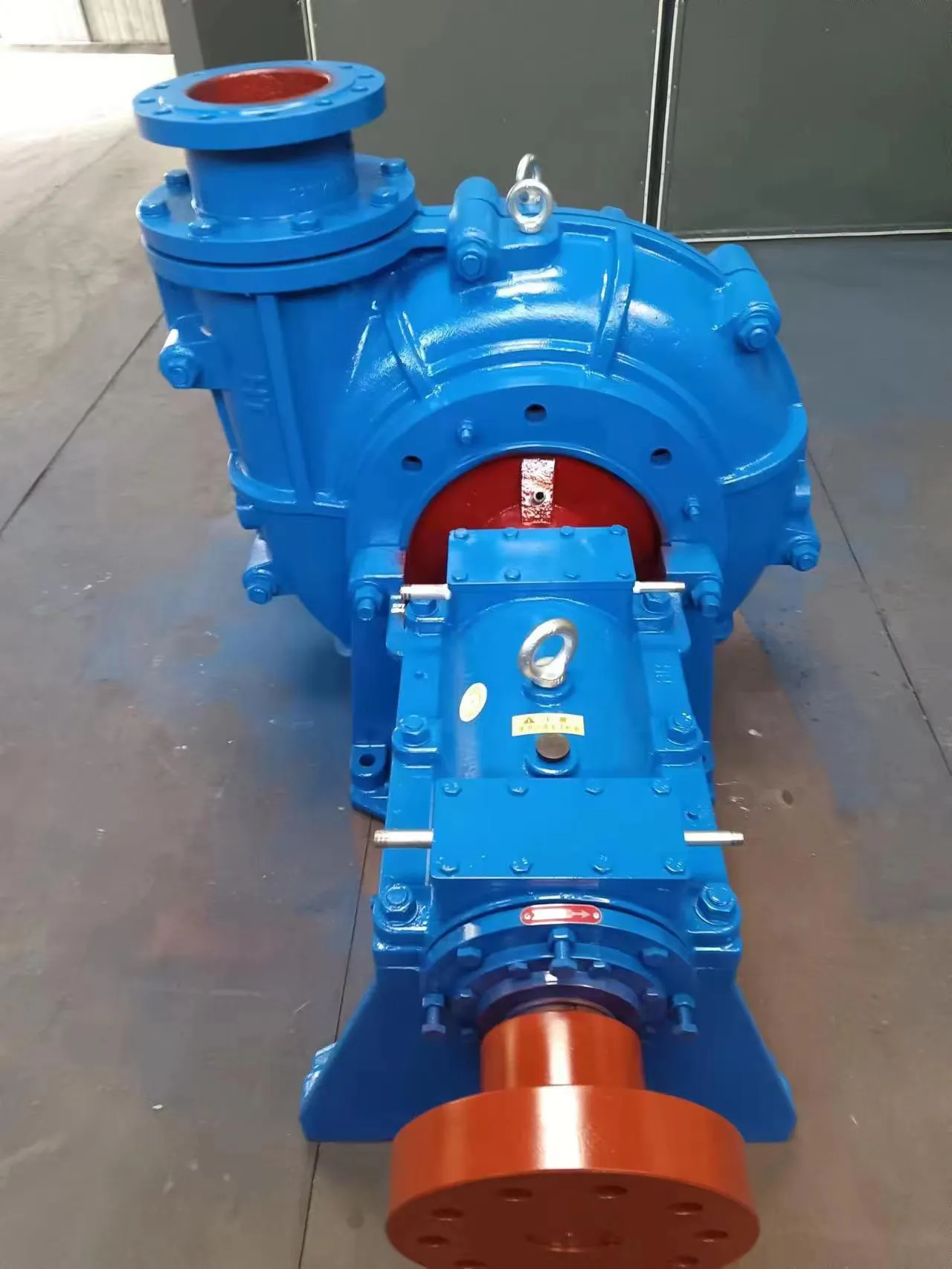
The performance of slurry pump spares is intrinsically linked to hydraulic principles and the slurry’s rheological properties. Impeller design (blade angle, number of blades, impeller diameter) significantly influences pump head, flow rate, and efficiency. Force analysis considers centrifugal forces generated by impeller rotation, hydrodynamic forces exerted by the slurry, and external loads from the pump casing. Liner selection directly impacts slurry velocity and wear rates. Abrasive wear is typically governed by the impingement angle and velocity of particles impacting the liner surface; minimizing these factors extends component life. Environmental resistance necessitates consideration of corrosion rates, particularly in aggressive chemical environments. The selection of appropriate materials and coatings (e.g., epoxy, polyurethane) is vital. Compliance requirements vary by region and application. For example, pumps used in potable water treatment must meet NSF/ANSI 61 standards for lead content and material safety. Pumps handling hazardous materials must comply with ATEX directives (Europe) or Class I, Division 1/2 requirements (North America) for explosion protection. Proper shaft alignment is crucial for minimizing bearing wear and preventing pump vibration. Seal design must maintain a positive pressure against the shaft to prevent leakage and ingress of contaminants.
Technical Specifications
| Component | Material (Typical) | Hardness (Brinell) | Maximum Slurry Concentration (%) | Operating Temperature (°C) | Typical Service Life (Hours) |
|---|---|---|---|---|---|
| Impeller | High-Chromium Cast Iron (27% Cr) | 550-650 | 60 | -30 to 150 | 500-2000 |
| Liner | High-Chromium Cast Iron (19% Cr) | 500-600 | 70 | -40 to 180 | 750-3000 |
| Volute Casing | Cast Steel (A36) with Rubber Lining | 150-250 (Steel) / 60 (Rubber) | 50 | -20 to 100 | 1000-5000 |
| Shaft | 4140 Alloy Steel (Quenched & Tempered) | 250-350 | N/A | -50 to 200 | 5000+ |
| Mechanical Seal (Face) | Silicon Carbide | 900+ | N/A | -40 to 120 | 200-800 |
| Elastomeric Liner | Natural Rubber (NR) | 60-70 (Shore A) | 40 | -20 to 80 | 300-1000 |
Failure Mode & Maintenance
Slurry pump spares are susceptible to several failure modes. Abrasive wear is the most common, leading to impeller and liner erosion, reducing pump efficiency and head. Corrosion, particularly galvanic corrosion in dissimilar metal couplings, can cause pitting and material loss. Fatigue cracking can occur in shafts and impellers due to cyclic loading and stress concentrations. Cavitation, caused by vapor bubble collapse, erodes impeller surfaces. Seal failure results in leakage and potential pump damage. Delamination of rubber liners can occur due to bond failure between the rubber and the metal substrate. Oxidation of metal components at elevated temperatures reduces mechanical strength.
Preventative maintenance is critical. Regular inspection for wear patterns, corrosion, and cracks is essential. Shaft alignment should be checked and corrected periodically. Seal flushing systems should be maintained to prevent abrasive particles from accumulating within the seal chamber. Lubrication of bearings must be performed according to manufacturer’s recommendations. When replacing spares, ensure compatibility with the existing pump components and the slurry characteristics. Maintain accurate records of component replacements and operating conditions to track performance and identify potential issues. Implement a vibration analysis program to detect early signs of bearing wear or impeller imbalance. Proper slurry preparation – removing large solids and controlling pH – can significantly extend component life.
Industry FAQ
Q: What is the primary advantage of using interchangeable spares versus custom-made components?
A: The primary advantage is reduced downtime. Interchangeable spares are readily available, eliminating the lead times associated with custom fabrication. This minimizes production interruptions and associated financial losses. They also offer cost savings due to economies of scale in manufacturing and reduced inventory requirements.
Q: How does the slurry's particle size distribution influence the selection of liner material?
A: Larger particle sizes generally necessitate harder liner materials (e.g., high-chromium irons) to resist impact wear. Smaller particle sizes can lead to more localized, two-body abrasion, where particles act as abrasive tools. Elastomeric liners can be effective for mitigating the impact of large particles, while harder materials are better suited for fine abrasive particles.
Q: What is the role of hardness in determining the wear resistance of pump components?
A: Higher hardness generally correlates with increased wear resistance, particularly against abrasive wear. However, excessive hardness can reduce toughness, making the component more susceptible to brittle fracture. The optimal hardness depends on the specific slurry composition and operating conditions. A balance between hardness and toughness is crucial.
Q: How do I determine if cavitation is occurring within my slurry pump?
A: Signs of cavitation include a characteristic rattling or knocking sound, reduced pump performance, and pitting or erosion on impeller surfaces. Visual inspection of the impeller can reveal damage consistent with cavitation erosion. Monitoring pump suction pressure and net positive suction head (NPSH) available are also key indicators.
Q: What are the key considerations when selecting a mechanical seal for a slurry pump?
A: Key considerations include the slurry’s abrasiveness, corrosivity, temperature, and pressure. The seal material must be compatible with the slurry composition. Dual seals, with a barrier fluid between the seals, are often employed to provide enhanced protection against abrasive particles and prevent leakage. Seal flushing systems are also critical for maintaining seal integrity.
Conclusion
Slurry pump interchangeable spares parts are essential for maintaining operational efficiency and minimizing downtime in abrasive and corrosive industrial applications. The selection of appropriate materials, coupled with meticulous manufacturing processes and diligent maintenance practices, is paramount to maximizing component lifespan and overall pump performance. Understanding the interplay between slurry characteristics, component design, and failure modes is critical for optimizing spare parts management and reducing total cost of ownership.
The trend towards more sustainable and resource-efficient industrial processes will likely drive demand for even more durable and corrosion-resistant spare parts. Advancements in materials science, such as the development of novel alloys and ceramic composites, will play a crucial role in meeting these demands. Furthermore, the increasing adoption of predictive maintenance strategies, leveraging sensor data and machine learning algorithms, will enable proactive identification of potential failures and optimization of spare parts inventory.
-
Precision at the Pump: How Better Machining Protects Flow and Uptime
News2026-11-20
-
Why Pump Reliability Begins Before the First Drop of Fluid
News2026-11-20
-
Beyond the Pump: Designing Safer Access Around Critical Water Infrastructure
News2026-11-20
-
Why Pumping Stations Depend on the Infrastructure Beneath the Pumps
News2026-11-20
-
Beyond the Pump Room: How Smarter Loading Protects Industrial Equipment
News2026-11-19
-
When Pumps Stop: Designing More Resilient Power for Critical Pumping Systems
News2026-11-19
-
The Hidden Role of Dust and Gas Monitoring in Reliable Pump Operations
News2026-11-19
-
The Hidden Role of Mineral Compounds in Extending Industrial Pump Lifespan
News2026-10-12
-
Why Pump System Reliability Depends on Precision Hose Assembly Methods
News2026-09-15
-
How Advanced Imaging Films Are Transforming Pump Component Quality Control
News2026-08-25
-
How Advanced Filtration Protects Pump Systems from Premature Wear and Costly Downtime
News2026-08-25
-
How Steel Material Selection Drives Pump Reliability in Heavy-Duty Systems
News2026-08-25
-
Ensuring Pump System Efficiency: The Role of High-Quality Pipe Fittings and Tubing
News2026-08-24
-
Optimizing Fluid Dynamics and Material Consistency in Industrial Processing
News2026-08-18
-
Innovations and Challenges in Hydraulic Systems for Heavy Machinery
News2026-08-13




