English
- Afrikaans
- Albanian
- Amharic
- Arabic
- Armenian
- Azerbaijani
- Basque
- Belarusian
- Bengali
- Bosnian
- Bulgarian
- Catalan
- Cebuano
- Corsican
- Croatian
- Czech
- Danish
- Dutch
- English
- Esperanto
- Estonian
- Finnish
- French
- Frisian
- Galician
- Georgian
- German
- Greek
- Gujarati
- Haitian Creole
- hausa
- hawaiian
- Hebrew
- Hindi
- Miao
- Hungarian
- Icelandic
- igbo
- Indonesian
- irish
- Italian
- Japanese
- Javanese
- Kannada
- kazakh
- Khmer
- Rwandese
- Korean
- Kurdish
- Kyrgyz
- Lao
- Latin
- Latvian
- Lithuanian
- Luxembourgish
- Macedonian
- Malgashi
- Malay
- Malayalam
- Maltese
- Maori
- Marathi
- Mongolian
- Myanmar
- Nepali
- Norwegian
- Norwegian
- Occitan
- Pashto
- Persian
- Polish
- Portuguese
- Punjabi
- Romanian
- Russian
- Samoan
- Scottish Gaelic
- Serbian
- Sesotho
- Shona
- Sindhi
- Sinhala
- Slovak
- Slovenian
- Somali
- Spanish
- Sundanese
- Swahili
- Swedish
- Tagalog
- Tajik
- Tamil
- Tatar
- Telugu
- Thai
- Turkish
- Turkmen
- Ukrainian
- Urdu
- Uighur
- Uzbek
- Vietnamese
- Welsh
- Bantu
- Yiddish
- Yoruba
- Zulu

Telephone: +86 13120555503
Email: frank@cypump.com


Apr . 01, 2024 17:55 Back to list
slurry pump indonesia Performance Analysis
Introduction
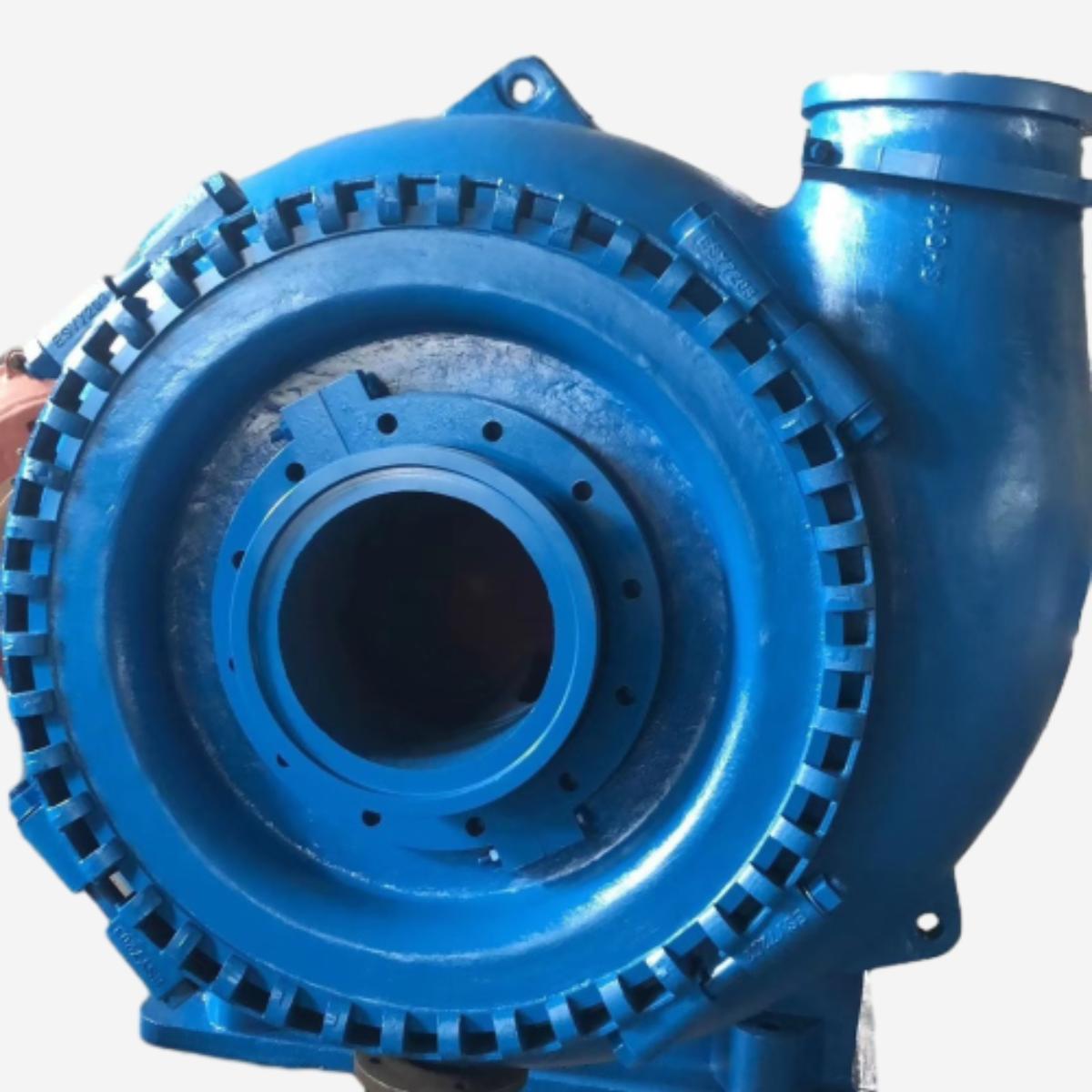
Slurry pumps, specifically those deployed within the Indonesian industrial landscape, represent a critical component in numerous sectors including mining, mineral processing, wastewater treatment, and palm oil production. These pumps are engineered to effectively transport abrasive and corrosive mixtures – the “slurry” – consisting of solids suspended in liquids. The Indonesian context is particularly demanding due to the prevalence of highly abrasive materials (e.g., volcanic ash, laterite ores) and often challenging operational environments. This guide provides an in-depth technical overview of slurry pump technology as it pertains to Indonesian industrial applications, covering material science, manufacturing processes, performance characteristics, failure modes, and relevant industry standards. The core performance characteristics – flow rate, head, and solids handling capacity – are paramount considerations for optimal system design and long-term operational efficiency. Addressing specific pain points such as wear resistance, corrosion mitigation, and maintaining hydraulic efficiency in demanding environments is key to successful implementation and reduced lifecycle costs.
Material Science & Manufacturing
The robust performance of slurry pumps in Indonesia is intrinsically linked to the materials used in their construction. Pump casings are commonly manufactured from high-chrome cast iron (typically 27-30% chromium content) offering excellent abrasion resistance, crucial for handling the harsh Indonesian mineral ores. Impellers, the rotating components responsible for imparting energy to the slurry, are similarly constructed from high-chrome alloys, often supplemented with tungsten carbide inserts for enhanced wear protection in severely abrasive applications. Shafts are typically forged from alloy steels (e.g., 4140, 4340) providing high tensile strength and resistance to fatigue. Seals, a critical component preventing leakage, utilize materials like silicon carbide, tungsten carbide, or ceramic against hardened steel to resist abrasion and corrosion. The manufacturing process often involves sand casting for the larger components (casing, impeller housing), followed by precision machining to ensure dimensional accuracy and hydraulic efficiency. Welding processes, such as shielded metal arc welding (SMAW) or submerged arc welding (SAW), are employed for joining sections, requiring stringent quality control to prevent defects that could lead to failure. Heat treatment is essential for achieving the desired mechanical properties of the cast iron and steel components. Parameters like austenitizing temperature, quenching medium, and tempering temperature are meticulously controlled to optimize hardness, toughness, and ductility. Liners, often rubber or polyurethane, are applied to the casing’s internal surfaces to provide additional corrosion and abrasion resistance, particularly when handling highly acidic or alkaline slurries common in Indonesian mining operations. Proper surface preparation prior to liner application is vital for ensuring adequate adhesion and preventing delamination.
Performance & Engineering
The engineering design of slurry pumps centers around mitigating the detrimental effects of abrasive and corrosive particles. Impeller design is a key factor. Closed impellers are more efficient for low-solids slurries, but are prone to clogging with higher solids concentrations. Open or semi-open impellers are favored for handling slurries with significant solid content, offering increased resistance to blockage but reduced hydraulic efficiency. Volute casing design influences flow characteristics and head generation. Optimizing the volute geometry minimizes turbulence and energy losses. The pump’s hydraulic performance is characterized by its pump curve, which plots flow rate against head for varying impeller diameters. Force analysis is crucial to ensure structural integrity. Centrifugal forces generated by the rotating impeller, combined with the hydrodynamic forces of the slurry, induce stresses on the pump components. Finite element analysis (FEA) is commonly used to model these stresses and optimize component geometry to prevent failure. Environmental resistance is a critical consideration in Indonesia’s tropical climate. High humidity and temperatures accelerate corrosion. Material selection and protective coatings (e.g., epoxy coatings) are vital for mitigating corrosion. Compliance requirements, such as those mandated by Indonesian environmental regulations (e.g., regarding wastewater discharge), dictate the need for leak-free pump designs and robust sealing systems. Proper pump alignment is essential to minimize vibration and bearing wear, significantly extending pump lifespan. Regular vibration analysis and laser alignment techniques are employed for preventative maintenance.
Technical Specifications
| Parameter | Unit | Typical Range (Small Pump) | Typical Range (Large Pump) |
|---|---|---|---|
| Flow Rate | m³/hr | 5 – 50 | 200 – 1500 |
| Head | m | 10 – 30 | 50 – 150 |
| Solids Handling Size | mm | Up to 25 | Up to 150 |
| Slurry Concentration (by weight) | % | Up to 30 | Up to 70 |
| Pump Speed | RPM | 500 – 1500 | 500 – 1800 |
| Power | kW | 1.5 – 7.5 | 30 – 200 |
Failure Mode & Maintenance
Slurry pump failures in Indonesia are commonly attributed to abrasive wear, corrosion, and erosion. Abrasive wear, the most prevalent failure mode, occurs due to the impact of solid particles on pump components. This manifests as erosion of the impeller vanes, casing liners, and throatbush. Corrosion, exacerbated by the humid Indonesian climate and the presence of corrosive slurries, weakens the pump materials leading to pitting and eventual failure. Erosion, a combination of abrasion and corrosion, accelerates material loss, particularly in areas of high turbulence. Fatigue cracking can occur in the shaft due to cyclic loading. Delamination of rubber liners is also common, reducing their protective capability. Cavitation, while less frequent in slurry pumps compared to clear liquid pumps, can occur if the net positive suction head available (NPSHA) is insufficient, leading to impeller damage. Preventative maintenance is crucial. Regular inspection of wear components (impeller, liners, throatbush) and replacement when necessary minimizes downtime. Lubrication of bearings is essential to prevent failure. Proper seal maintenance prevents leakage and contamination. Vibration analysis detects early signs of bearing wear or impeller imbalance. Filtration of the slurry to remove large particles reduces abrasive wear. Implementing a robust monitoring program tracking pump performance parameters (flow rate, head, power consumption) can identify anomalies indicative of impending failure. Consideration should be given to using wear-resistant coatings (e.g., ceramic coatings) on critical components to extend their service life. Regular visual inspections for signs of corrosion are essential, and protective coatings should be reapplied as needed.
Industry FAQ
Q: What is the most effective material for a slurry pump handling a highly abrasive iron ore slurry in an Indonesian mine?
A: High-chrome cast iron (27-30% Cr) is generally the most cost-effective and widely used material for handling abrasive iron ore slurries. However, for particularly aggressive slurries, consider impellers with tungsten carbide inserts, or full tungsten carbide impellers for critical applications. The casing should also be lined with a durable elastomer to protect against wear.
Q: How often should the impeller and liners of a slurry pump be inspected when operating 24/7 in a palm oil mill effluent (POME) application?
A: Given the abrasive nature of POME and continuous operation, inspection intervals should be relatively frequent. A visual inspection of the impeller and liners should be conducted monthly. Detailed measurements of wear rates should be performed every six months, allowing for predictive maintenance scheduling. Consider using wear monitoring pins installed within the pump casing.
Q: What are the key considerations for selecting a slurry pump seal to prevent leakage when handling acidic wastewater?
A: Chemical compatibility is paramount. Materials like silicon carbide or tungsten carbide seals, paired with hardened steel counterparts, offer excellent resistance to many acids. Double mechanical seals with a barrier fluid system are recommended for highly corrosive applications to provide redundancy and prevent process fluid contamination.
Q: What are the common causes of reduced pump efficiency in slurry applications, and how can these be addressed?
A: Reduced efficiency is often caused by impeller wear, casing liner degradation, or build-up of solids within the pump. Regular inspection and replacement of worn components are crucial. Implement filtration upstream of the pump to remove excessive solids. Ensuring proper impeller clearance is also vital.
Q: How does the pump speed affect the wear rate of a slurry pump, and what is the optimal speed for minimizing wear?
A: Higher pump speeds generally increase wear rates due to increased impact forces from the slurry particles. Lower speeds reduce wear, but can also lower pump capacity. The optimal speed is a compromise, balancing wear resistance with required performance. Variable Frequency Drives (VFDs) allow for speed adjustment to optimize operation based on slurry conditions.
Conclusion
Slurry pump selection and operation within the Indonesian industrial context demand a thorough understanding of material science, hydraulic principles, and the specific challenges posed by abrasive and corrosive slurries. Careful consideration of factors such as slurry composition, solids concentration, and operating environment is critical for maximizing pump lifespan and minimizing downtime. Implementing a robust preventative maintenance program, including regular inspections, wear monitoring, and timely component replacement, is paramount for ensuring reliable and efficient operation.
Looking ahead, advancements in materials science, such as the development of novel wear-resistant alloys and coatings, will continue to enhance slurry pump performance. The integration of digital technologies, including IoT-enabled sensors and predictive maintenance algorithms, will further optimize pump operation and reduce lifecycle costs. Ultimately, a holistic approach combining sound engineering principles, proactive maintenance, and continuous innovation is essential for successfully addressing the demanding requirements of slurry pumping in Indonesia.
-
Precision at the Pump: How Better Machining Protects Flow and Uptime
News2026-11-20
-
Why Pump Reliability Begins Before the First Drop of Fluid
News2026-11-20
-
Beyond the Pump: Designing Safer Access Around Critical Water Infrastructure
News2026-11-20
-
Why Pumping Stations Depend on the Infrastructure Beneath the Pumps
News2026-11-20
-
Beyond the Pump Room: How Smarter Loading Protects Industrial Equipment
News2026-11-19
-
When Pumps Stop: Designing More Resilient Power for Critical Pumping Systems
News2026-11-19
-
The Hidden Role of Dust and Gas Monitoring in Reliable Pump Operations
News2026-11-19
-
The Hidden Role of Mineral Compounds in Extending Industrial Pump Lifespan
News2026-10-12
-
Why Pump System Reliability Depends on Precision Hose Assembly Methods
News2026-09-15
-
How Advanced Imaging Films Are Transforming Pump Component Quality Control
News2026-08-25
-
How Advanced Filtration Protects Pump Systems from Premature Wear and Costly Downtime
News2026-08-25
-
How Steel Material Selection Drives Pump Reliability in Heavy-Duty Systems
News2026-08-25
-
Ensuring Pump System Efficiency: The Role of High-Quality Pipe Fittings and Tubing
News2026-08-24
-
Optimizing Fluid Dynamics and Material Consistency in Industrial Processing
News2026-08-18
-
Innovations and Challenges in Hydraulic Systems for Heavy Machinery
News2026-08-13




