English
- Afrikaans
- Albanian
- Amharic
- Arabic
- Armenian
- Azerbaijani
- Basque
- Belarusian
- Bengali
- Bosnian
- Bulgarian
- Catalan
- Cebuano
- Corsican
- Croatian
- Czech
- Danish
- Dutch
- English
- Esperanto
- Estonian
- Finnish
- French
- Frisian
- Galician
- Georgian
- German
- Greek
- Gujarati
- Haitian Creole
- hausa
- hawaiian
- Hebrew
- Hindi
- Miao
- Hungarian
- Icelandic
- igbo
- Indonesian
- irish
- Italian
- Japanese
- Javanese
- Kannada
- kazakh
- Khmer
- Rwandese
- Korean
- Kurdish
- Kyrgyz
- Lao
- Latin
- Latvian
- Lithuanian
- Luxembourgish
- Macedonian
- Malgashi
- Malay
- Malayalam
- Maltese
- Maori
- Marathi
- Mongolian
- Myanmar
- Nepali
- Norwegian
- Norwegian
- Occitan
- Pashto
- Persian
- Polish
- Portuguese
- Punjabi
- Romanian
- Russian
- Samoan
- Scottish Gaelic
- Serbian
- Sesotho
- Shona
- Sindhi
- Sinhala
- Slovak
- Slovenian
- Somali
- Spanish
- Sundanese
- Swahili
- Swedish
- Tagalog
- Tajik
- Tamil
- Tatar
- Telugu
- Thai
- Turkish
- Turkmen
- Ukrainian
- Urdu
- Uighur
- Uzbek
- Vietnamese
- Welsh
- Bantu
- Yiddish
- Yoruba
- Zulu

Telephone: +86 13120555503
Email: frank@cypump.com


Apr . 01, 2024 17:55 Back to list
Slurry Pump Impeller Design Performance Analysis
Introduction
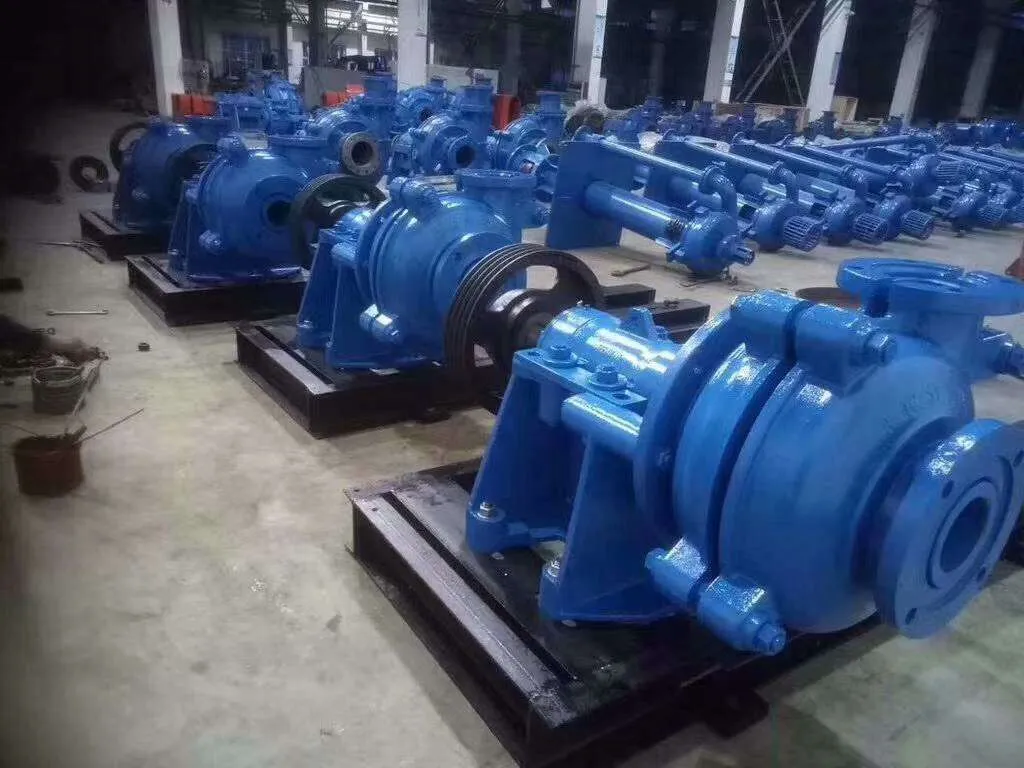
Slurry pump impellers are critical components within the broader context of solids handling pumps, specifically designed for the transportation of abrasive and erosive slurries. These impellers differ fundamentally from those used in clean fluid applications, requiring specific attention to material selection, hydraulic design, and wear resistance. The impeller’s role is to convert rotational kinetic energy into fluid pressure and velocity, facilitating the movement of the slurry through the pump casing. The industry faces consistent challenges related to impeller erosion, cavitation damage, and ultimately, reduced pump efficiency and reliability, impacting operational costs and production uptime. This guide provides an in-depth analysis of slurry pump impeller design, encompassing material science, manufacturing processes, performance considerations, failure modes, and maintenance strategies, adhering to relevant industry standards. Core performance is defined by hydraulic efficiency, solids handling capability, and resistance to wear and erosion.
Material Science & Manufacturing
The selection of materials for slurry pump impellers is paramount, dictated by the slurry’s composition, particle size, impact velocity, and chemical properties. High-chromium white cast irons (typically 15-30% Cr) are frequently employed due to their exceptional abrasion resistance, stemming from the formation of hard chromium carbides during heat treatment. However, these materials exhibit limited toughness and are susceptible to fracture under impact loading. Alternative materials include high-alloy steels (e.g., duplex stainless steels, super austenitic stainless steels) offering enhanced corrosion resistance and toughness, albeit at a higher cost. Ceramic materials, such as alumina and silicon carbide, provide superior wear resistance but are brittle and require careful design to mitigate cracking. Polymer materials, like polyurethane and rubber, are utilized for handling highly abrasive but low-velocity slurries. Manufacturing typically involves sand casting, investment casting, or centrifugal casting. Sand casting is cost-effective for larger impellers, but surface finish and dimensional accuracy are lower. Investment casting provides superior surface finish and dimensional control, making it suitable for complex impeller geometries. Centrifugal casting is often used for producing high-chromium white iron impellers, minimizing segregation and maximizing carbide distribution. Key parameter control during manufacturing includes precise alloy composition, optimized heat treatment cycles to achieve desired microstructure, and stringent quality control measures to detect defects such as porosity and inclusions. Welding processes, if employed for repair or fabrication, must adhere to specific standards (e.g., AWS D1.1) to maintain material integrity and prevent stress corrosion cracking.
Performance & Engineering
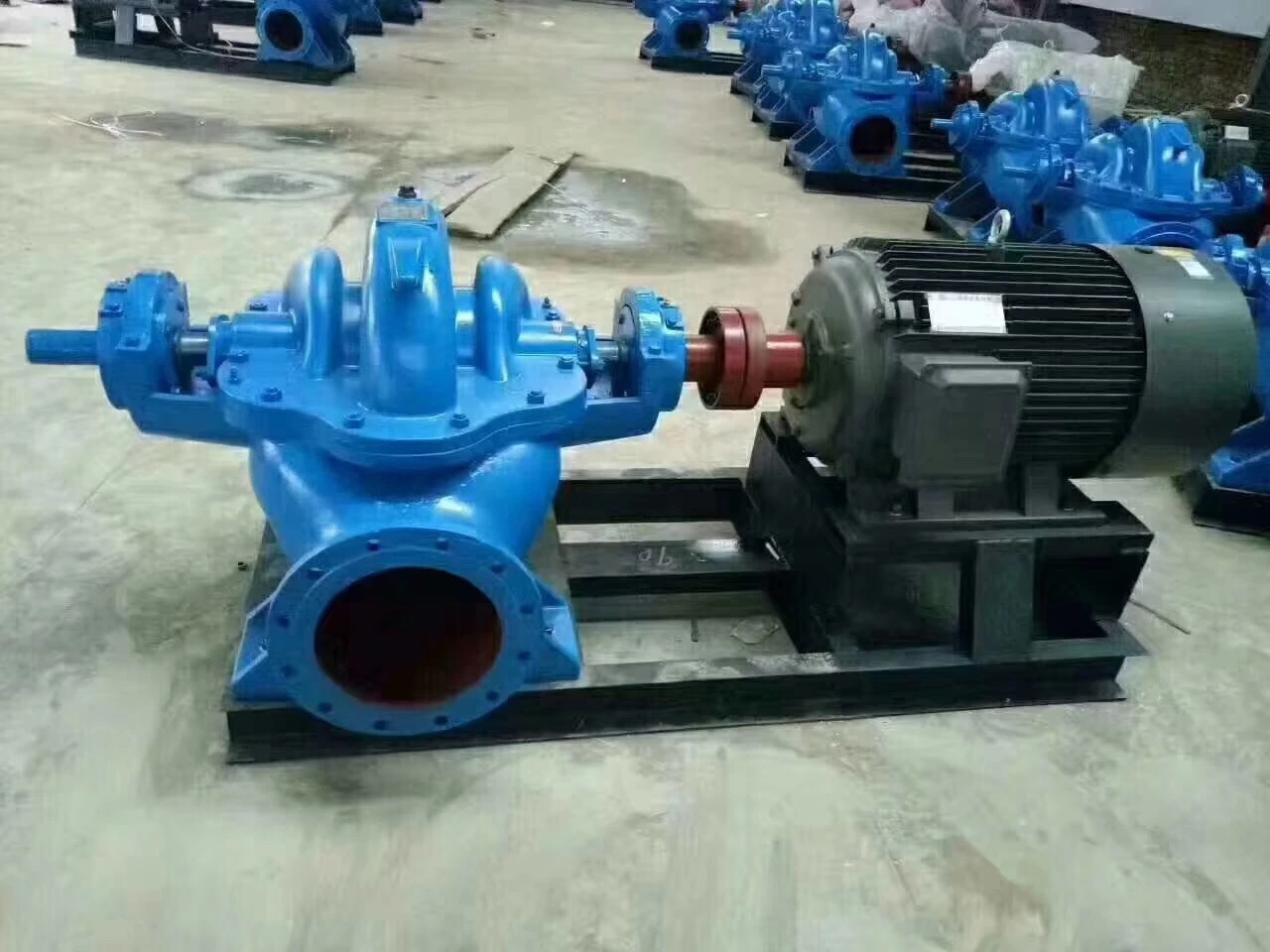
Slurry pump impeller performance is governed by complex hydrodynamic interactions between the impeller, slurry, and pump casing. Force analysis involves evaluating centrifugal forces, pressure forces, and hydrodynamic forces acting on the impeller. Impeller design necessitates minimizing cavitation, a phenomenon where vapor bubbles form and collapse, causing pitting and erosion. Cavitation is influenced by Net Positive Suction Head Required (NPSHr) and impeller eye geometry. Environmental resistance considerations include erosion from solid particle impact, corrosion from aggressive chemicals, and abrasion from high-velocity slurry flow. Compliance requirements dictate adherence to standards related to pump efficiency (e.g., ISO 9906), safety (e.g., OSHA), and environmental regulations. Functional implementation focuses on optimizing impeller blade geometry (number of blades, blade angle, blade width) to achieve desired head, flow rate, and efficiency. The impeller’s inlet angle must be carefully matched to the incoming slurry flow to minimize turbulence and energy losses. Impeller diameter significantly affects pump head, while impeller speed influences flow rate. Proper impeller balancing is crucial to minimize vibration and extend bearing life. Computational Fluid Dynamics (CFD) simulations are extensively used to optimize impeller design, predict performance characteristics, and identify potential cavitation zones. Stress analysis, using Finite Element Analysis (FEA), helps to evaluate impeller structural integrity under operating conditions and prevent failure.
Technical Specifications
| Parameter | Unit | Typical Range (High-Chrome Iron) | Typical Range (Duplex Stainless Steel) |
|---|---|---|---|
| Impeller Diameter | mm | 150-800 | 100-600 |
| Impeller Speed | RPM | 300-1800 | 600-2400 |
| Hardness (Brinell) | HB | 500-700 | 250-350 |
| Tensile Strength | MPa | 400-600 | 600-800 |
| Elongation | % | 2-5 | 20-30 |
| Corrosion Rate (in 1M HCl) | mm/year | >2 | <0.1 |
Failure Mode & Maintenance
Slurry pump impellers are subject to several failure modes, including erosion, cavitation, corrosion, fatigue cracking, and fracture. Erosion occurs due to the impact of solid particles, progressively wearing away the impeller material. Cavitation damage manifests as pitting and surface roughening, reducing hydraulic efficiency. Corrosion weakens the impeller material, leading to pitting and cracking. Fatigue cracking originates from repeated stress cycles, often exacerbated by corrosion or erosion. Fracture is a catastrophic failure resulting from exceeding the material’s tensile strength. Failure analysis involves visual inspection, non-destructive testing (NDT) methods like ultrasonic testing and radiography, and metallographic examination to determine the root cause of failure. Maintenance strategies include regular visual inspections, impeller balancing, and replacement of worn or damaged impellers. Preventative measures include proper slurry conditioning (e.g., particle size control, chemical treatment) to minimize abrasion and corrosion. Coating technologies, such as hardfacing and ceramic coatings, can enhance wear resistance. Regular monitoring of pump performance parameters (e.g., head, flow rate, power consumption) can provide early warning signs of impeller degradation. Impeller replacement should be performed according to manufacturer’s recommendations or based on condition monitoring data. Thorough cleaning and inspection of the pump casing and other components should be conducted during impeller replacement to prevent re-contamination of the slurry.
Industry FAQ
Q: What is the primary difference in impeller design philosophy between handling abrasive slurries versus corrosive slurries?
A: For abrasive slurries, the design focuses on maximizing wear resistance through materials like high-chrome iron and employing robust impeller geometries to minimize impact angles. For corrosive slurries, the emphasis shifts to material selection for corrosion resistance, typically utilizing duplex stainless steels or specialized alloys, and minimizing crevices or areas prone to localized corrosion. Abrasive wear is primarily a volume loss mechanism, whereas corrosion weakens the material structurally.
Q: How does impeller vane geometry impact the pump's NPSHr?
A: Impeller vane geometry significantly influences NPSHr. A larger inlet eye area and a less aggressive inlet vane angle generally reduce NPSHr, decreasing the likelihood of cavitation. More complex vane designs with sharp corners or narrow passages can increase NPSHr. Optimization of the inlet geometry is crucial for handling slurries with low NPSHa (Net Positive Suction Head Available).
Q: What are the limitations of using ceramic impellers in slurry pump applications?
A: While ceramics offer exceptional wear resistance, they are inherently brittle and susceptible to thermal shock and impact fracture. This requires careful design considerations, including minimizing stress concentrations and avoiding sudden temperature changes. Ceramic impellers are also generally more expensive than metallic alternatives and require specialized installation and maintenance procedures.
Q: How can Computational Fluid Dynamics (CFD) be used to improve impeller design for solids handling?
A: CFD simulations can model the slurry flow within the impeller, predict particle trajectories, identify areas of high shear and erosion, and optimize impeller geometry to minimize wear and maximize hydraulic efficiency. CFD can also be used to assess the pump's solids handling capability and prevent plugging or blockage.
Q: What are the key considerations when repairing a damaged slurry pump impeller via welding?
A: Welding repairs must be performed by qualified welders using appropriate welding procedures and filler materials that match the base metal’s composition and properties. Preheating and post-weld heat treatment are often necessary to minimize stress and prevent cracking. Welds should be thoroughly inspected for defects using NDT methods. Excessive welding can alter the impeller’s balance and introduce residual stresses, potentially reducing its lifespan.
Conclusion
The design of slurry pump impellers is a multifaceted engineering discipline demanding a comprehensive understanding of material science, fluid dynamics, and wear mechanisms. Proper material selection, optimized hydraulic design, and meticulous manufacturing processes are critical for ensuring reliable and efficient pump operation. The relentless pursuit of increased wear resistance, reduced cavitation, and enhanced solids handling capability drives ongoing innovation in impeller design and materials.
Future developments will likely focus on advanced materials like functionally graded materials and self-healing polymers, as well as sophisticated modeling techniques incorporating machine learning to predict impeller performance and optimize maintenance schedules. Addressing the challenges posed by increasingly abrasive and corrosive slurries will remain a primary focus for engineers in this field, contributing to improved operational efficiency and reduced environmental impact.
-
Precision at the Pump: How Better Machining Protects Flow and Uptime
News2026-11-20
-
Why Pump Reliability Begins Before the First Drop of Fluid
News2026-11-20
-
Beyond the Pump: Designing Safer Access Around Critical Water Infrastructure
News2026-11-20
-
Why Pumping Stations Depend on the Infrastructure Beneath the Pumps
News2026-11-20
-
Beyond the Pump Room: How Smarter Loading Protects Industrial Equipment
News2026-11-19
-
When Pumps Stop: Designing More Resilient Power for Critical Pumping Systems
News2026-11-19
-
The Hidden Role of Dust and Gas Monitoring in Reliable Pump Operations
News2026-11-19
-
The Hidden Role of Mineral Compounds in Extending Industrial Pump Lifespan
News2026-10-12
-
Why Pump System Reliability Depends on Precision Hose Assembly Methods
News2026-09-15
-
How Advanced Imaging Films Are Transforming Pump Component Quality Control
News2026-08-25
-
How Advanced Filtration Protects Pump Systems from Premature Wear and Costly Downtime
News2026-08-25
-
How Steel Material Selection Drives Pump Reliability in Heavy-Duty Systems
News2026-08-25
-
Ensuring Pump System Efficiency: The Role of High-Quality Pipe Fittings and Tubing
News2026-08-24
-
Optimizing Fluid Dynamics and Material Consistency in Industrial Processing
News2026-08-18
-
Innovations and Challenges in Hydraulic Systems for Heavy Machinery
News2026-08-13




