English
- Afrikaans
- Albanian
- Amharic
- Arabic
- Armenian
- Azerbaijani
- Basque
- Belarusian
- Bengali
- Bosnian
- Bulgarian
- Catalan
- Cebuano
- Corsican
- Croatian
- Czech
- Danish
- Dutch
- English
- Esperanto
- Estonian
- Finnish
- French
- Frisian
- Galician
- Georgian
- German
- Greek
- Gujarati
- Haitian Creole
- hausa
- hawaiian
- Hebrew
- Hindi
- Miao
- Hungarian
- Icelandic
- igbo
- Indonesian
- irish
- Italian
- Japanese
- Javanese
- Kannada
- kazakh
- Khmer
- Rwandese
- Korean
- Kurdish
- Kyrgyz
- Lao
- Latin
- Latvian
- Lithuanian
- Luxembourgish
- Macedonian
- Malgashi
- Malay
- Malayalam
- Maltese
- Maori
- Marathi
- Mongolian
- Myanmar
- Nepali
- Norwegian
- Norwegian
- Occitan
- Pashto
- Persian
- Polish
- Portuguese
- Punjabi
- Romanian
- Russian
- Samoan
- Scottish Gaelic
- Serbian
- Sesotho
- Shona
- Sindhi
- Sinhala
- Slovak
- Slovenian
- Somali
- Spanish
- Sundanese
- Swahili
- Swedish
- Tagalog
- Tajik
- Tamil
- Tatar
- Telugu
- Thai
- Turkish
- Turkmen
- Ukrainian
- Urdu
- Uighur
- Uzbek
- Vietnamese
- Welsh
- Bantu
- Yiddish
- Yoruba
- Zulu

Telephone: +86 13120555503
Email: frank@cypump.com


Apr . 01, 2024 17:55 Back to list
Slurry Pump how does a slurry pump work Performance Analysis
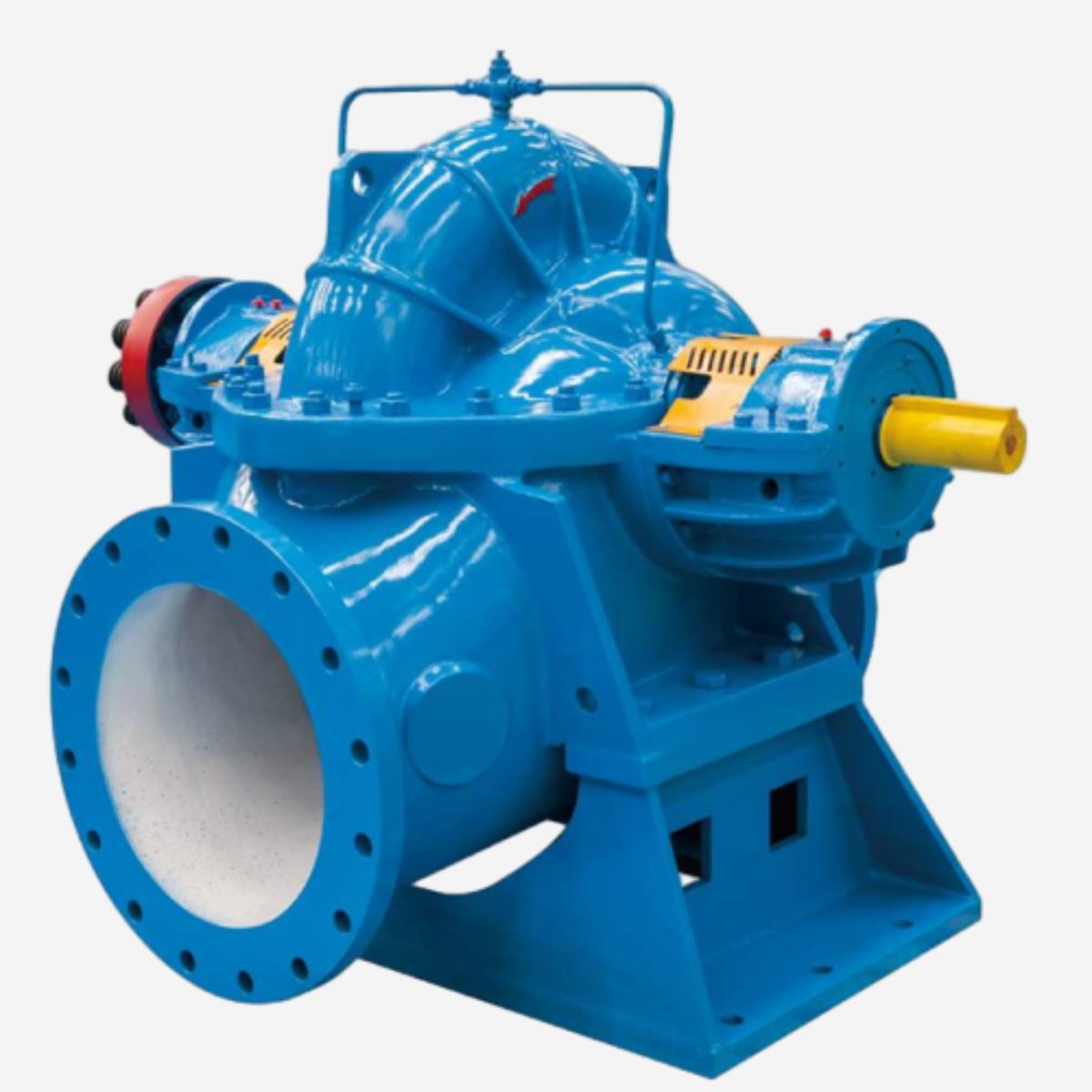
Slurry Pump Fluid Dynamics and Operational Mechanisms
A slurry pump is a specialized heavy-duty centrifugal pump engineered to transport non-Newtonian fluids consisting of solid particles suspended in a liquid carrier. Unlike standard water pumps, slurry pumps are designed to handle the dual challenges of abrasive wear and corrosive chemical environments. The fundamental operation of a slurry pump relies on the conversion of kinetic energy into hydrodynamic energy. An electric motor drives an impeller, which rotates at high velocities, creating a centrifugal force that accelerates the slurry radially outward. This process generates a low-pressure zone at the impeller eye, facilitating the continuous suction of the dense medium. The technical positioning of the slurry pump is critical in the mid-stream processing of the mining, dredging, and chemical industries, where it serves as the primary vehicle for material transport between crushing, grinding, and leaching stages.
Material Science & Manufacturing
The manufacturing of slurry pumps is governed by the necessity to mitigate "abrasive erosion," where high-velocity particles strike the internal surfaces, stripping away material. The selection of materials is divided into two primary philosophies: extreme hardness and high elasticity.
High-Chrome White Irons (ASTM A532): For high-concentration abrasive slurries, manufacturers employ high-chromium cast irons (typically 25% to 28% Cr). These materials form hard M7C3 carbides within a martensitic matrix, providing a hardness of 600-700 HB. This metallurgical structure is essential for resisting the cutting action of quartz and other hard minerals. The casting process requires precise temperature control and slow cooling to prevent internal stress and shrinkage porosity.
Natural and Synthetic Elastomers: In applications involving smaller particle sizes or corrosive acids, polyurethane or natural rubber linings are used. These materials possess a low modulus of elasticity, allowing them to deform under particle impact and "bounce back," effectively absorbing the energy of the slurry rather than eroding. The bonding process involves a vulcanization cycle where the elastomer is chemically fused to the cast iron shell.
Manufacturing Precision: Key parameter control focuses on the "impeller clearance" and "volute geometry." Tight tolerances are maintained through CNC grinding to prevent recirculation of solids, which would otherwise cause localized turbulence and accelerated wear (cavitation-induced erosion). The impeller is often dynamically balanced to ISO 1940 G2.5 standards to eliminate vibration-induced fatigue in the shaft and bearings.
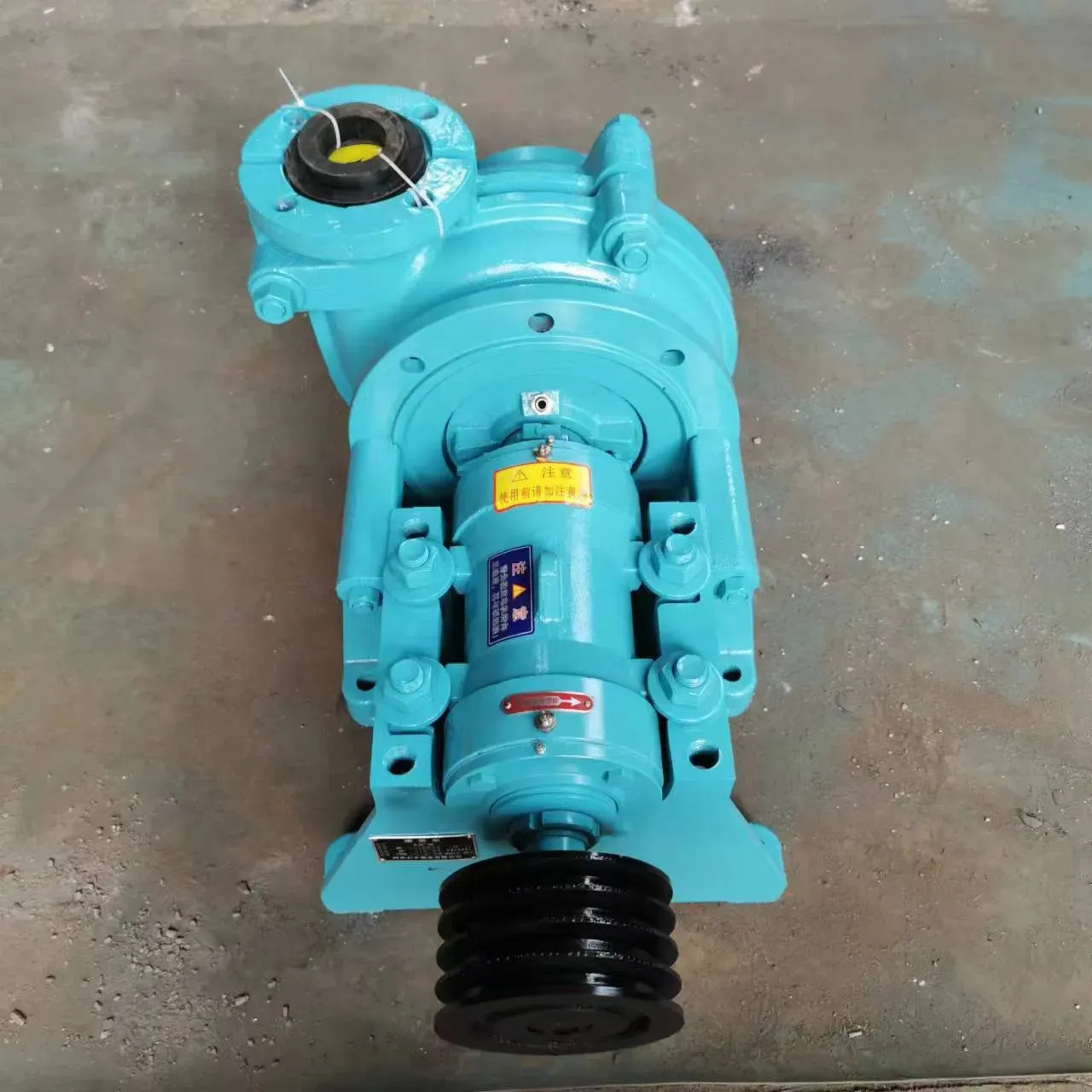
Performance & Engineering
Engineering a slurry pump requires a deep analysis of the "Critical Settling Velocity" (CSV). If the flow velocity drops below the CSV, solid particles will precipitate, leading to pipeline blockage and pump sedimentation. Engineers utilize the Durand equation to determine the minimum velocity required to keep particles in suspension.
Force Analysis and Hydraulic Load: The pump must overcome the higher specific gravity (SG) of the slurry compared to water. The power requirement increases linearly with the SG of the fluid. Furthermore, the "NPSHr" (Net Positive Suction Head Required) must be meticulously calculated; because slurries have higher viscosity and density, they are more prone to cavitation. To combat this, engineers often implement larger suction diameters and utilize VFDs (Variable Frequency Drives) to optimize the RPM based on the slurry density.
Sealing Engineering: The most critical failure point in slurry pumps is the shaft seal. Advanced engineering utilizes "Expeller Seals" or "Mechanical Seals with Flush Systems." An expeller seal uses a secondary impeller to create a centrifugal barrier, pushing the slurry away from the seal face and toward the suction side, thereby ensuring that no abrasive particles enter the bearing housing.
Technical Specifications
| Parameter Dimension | High-Chrome Specification | Rubber-Lined Specification | Standard Performance Metric |
|---|---|---|---|
| Hardness (HB) | 600 - 720 HB | 80 - 95 Shore A | Material Resistance Grade |
| Max Particle Size | Up to 15mm | Up to 5mm | Volumetric Throughput |
| Specific Gravity (SG) | 1.1 - 1.6 | 1.1 - 1.4 | Fluid Density Capacity |
| Wear Rate (mm/1000h) | 0.5 - 2.0 mm | 1.0 - 3.0 mm | Abrasive Degradation |
| Operating Temperature | -20°C to 150°C | -10°C to 70°C | Thermal Stability Limit |
| Efficiency Range | 65% - 82% | 60% - 78% | Hydraulic Efficiency |
Failure Mode & Maintenance
The failure modes of slurry pumps are primarily driven by the interaction between the fluid's chemistry and the mechanical stress of the particles. The most prevalent failure modes include:
1. Abrasive Wear and Wall Thinning: Occurs primarily at the impeller vanes and the volute tongue. Failure is characterized by a gradual drop in discharge pressure and flow rate. Maintenance involves the installation of "wear plates" and scheduled impeller replacements based on ultrasonic thickness measurements.
2. Cavitation Erosion: Occurs when the local pressure drops below the vapor pressure of the liquid, forming bubbles that collapse violently. This creates "pitting" on the impeller surface. Solution: Increase suction head or reduce pump speed via VFD.
3. Seal Leakage and Bearing Contamination: When the expeller seal fails, slurry enters the bearing housing, leading to rapid oxidation and fatigue cracking of the races. Maintenance requires the implementation of a "clean-water flush" (gland water) to maintain a positive pressure barrier.
4. Delamination of Liners: In rubber-lined pumps, chemical incompatibility or overheating can cause the rubber to detach from the cast iron shell. This is prevented by ensuring the slurry temperature does not exceed the elastomer's thermal limit.
Industry FAQ
Q: How do we determine whether to use a high-chrome or a rubber-lined impeller for a specific slurry?
A: The selection depends on particle size and hardness. For large, sharp-edged particles (e.g., crushed rock), high-chrome white iron is mandatory due to its hardness. For fine, sandy particles or corrosive chemicals, rubber lining is superior because its elasticity allows it to absorb the impact without material loss.
Q: Why does my slurry pump experience a sudden drop in efficiency despite no visible wear?
A: This is often caused by "slurry settling" or "plugging" within the volute or suction line. If the flow velocity drops below the critical settling velocity, solids accumulate, increasing the internal friction and restricting the flow path, which mimics the symptoms of impeller wear.
Q: What is the impact of slurry viscosity on the NPSH requirements?
A: Higher viscosity increases the frictional head loss in the suction piping. This reduces the Net Positive Suction Head Available (NPSHa). If NPSHa falls below the NPSHr of the pump, cavitation will occur, leading to vibration and rapid impeller degradation.
Q: How often should the wear liners be inspected in a high-density tailings application?
A: In high-density applications, a monthly ultrasonic thickness test is recommended. Once the liner thickness reaches 20% of its original specification, replacement should be scheduled to prevent the abrasive slurry from attacking the pump casing shell.
Q: Can a slurry pump be run dry?
A: No. Running a slurry pump dry causes immediate overheating of the mechanical seals and can lead to the thermal expansion of the impeller, resulting in contact with the wear plates and catastrophic mechanical failure.
Conclusion
The operational efficacy of a slurry pump is a precise balance between hydraulic engineering and material science. By optimizing the impeller geometry to manage centrifugal forces and selecting metallurgical structures—such as high-chrome white irons or specialized elastomers—that can withstand extreme abrasion, industries can ensure the stable transport of dense media. The integration of VFDs and advanced expeller seals further enhances the reliability of these systems by mitigating cavitation and protecting critical bearing components.
Looking forward, the industry is moving toward "smart slurry management," where IoT sensors monitor vibration and wall thickness in real-time to transition from scheduled maintenance to predictive maintenance. Ensuring adherence to international standards for material hardness and hydraulic performance remains the only way to minimize the total cost of ownership in the demanding environments of mineral processing and industrial waste management.
-
Comprehensive Guide to Waterproof ORings for Optimal Sealing Solutions
News2026-06-09
-
septic system sump pump Performance Analysis
News2026-06-26
-
septic pump company Performance Analysis
News2026-06-26
-
pumps water treatment Performance Analysis
News2026-06-26
-
pumps for septic tanks Material Science and Manufacturing
News2026-06-26
-
pump for septic system Material Science Manufacturing
News2026-06-26
-
heavy duty submersible pump Performance Analysis
News2026-06-25
-
best submersible pump for septic tank Performance Analysis
News2026-06-25
-
basement sewer ejector pump Performance Analysis
News2026-06-25
-
basement pumps ejector pumps Performance Analysis
News2026-06-25
-
basement lift pump Performance and Engineering
News2026-06-25
-
basement bathroom pump systems Performance Analysis
News2026-06-24
-
basement bathroom ejector pump system Performance Engineering
News2026-06-24
-
2 hp sewage pump Performance Engineering
News2026-06-24
-
1 hp septic pump Performance Engineering
News2026-06-24




