English
- Afrikaans
- Albanian
- Amharic
- Arabic
- Armenian
- Azerbaijani
- Basque
- Belarusian
- Bengali
- Bosnian
- Bulgarian
- Catalan
- Cebuano
- Corsican
- Croatian
- Czech
- Danish
- Dutch
- English
- Esperanto
- Estonian
- Finnish
- French
- Frisian
- Galician
- Georgian
- German
- Greek
- Gujarati
- Haitian Creole
- hausa
- hawaiian
- Hebrew
- Hindi
- Miao
- Hungarian
- Icelandic
- igbo
- Indonesian
- irish
- Italian
- Japanese
- Javanese
- Kannada
- kazakh
- Khmer
- Rwandese
- Korean
- Kurdish
- Kyrgyz
- Lao
- Latin
- Latvian
- Lithuanian
- Luxembourgish
- Macedonian
- Malgashi
- Malay
- Malayalam
- Maltese
- Maori
- Marathi
- Mongolian
- Myanmar
- Nepali
- Norwegian
- Norwegian
- Occitan
- Pashto
- Persian
- Polish
- Portuguese
- Punjabi
- Romanian
- Russian
- Samoan
- Scottish Gaelic
- Serbian
- Sesotho
- Shona
- Sindhi
- Sinhala
- Slovak
- Slovenian
- Somali
- Spanish
- Sundanese
- Swahili
- Swedish
- Tagalog
- Tajik
- Tamil
- Tatar
- Telugu
- Thai
- Turkish
- Turkmen
- Ukrainian
- Urdu
- Uighur
- Uzbek
- Vietnamese
- Welsh
- Bantu
- Yiddish
- Yoruba
- Zulu

Telephone: +86 13120555503
Email: frank@cypump.com


Apr . 01, 2024 17:55 Back to list
Slurry Pump Head Performance Analysis
Introduction
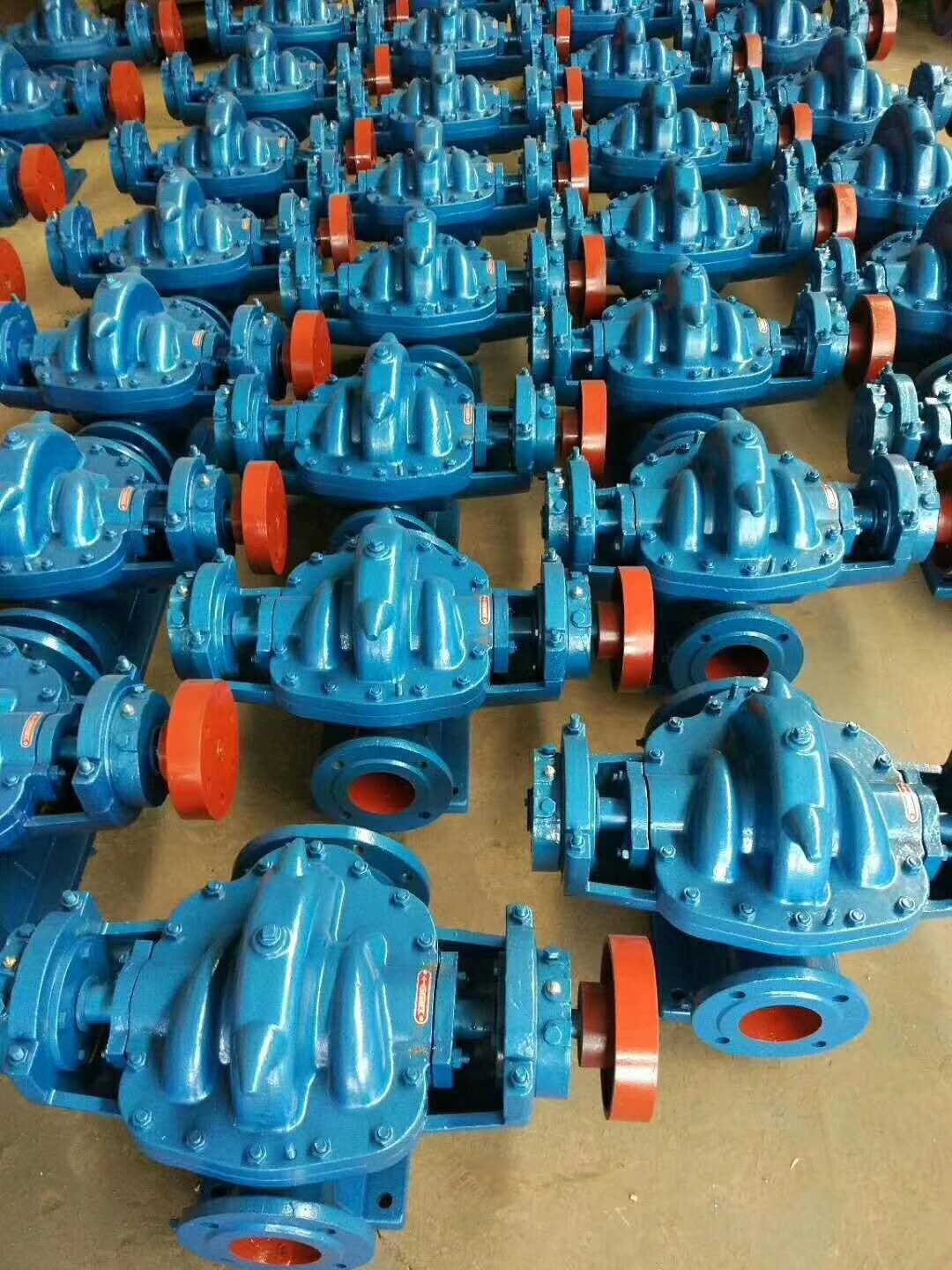
Slurry pump heads are critical components in the conveyance of abrasive and corrosive materials across a diverse range of industries including mining, wastewater treatment, dredging, and chemical processing. Positioned as the fluid-handling interface of a slurry pump, the head – typically constructed of robust materials like high-chrome cast iron, stainless steel, or specialized alloys – dictates pump performance characteristics such as flow rate, pressure head, and solids handling capability. The performance and longevity of a slurry pump are heavily dependent on the integrity of its head, as this component directly encounters the erosive and corrosive effects of the transported slurry. This guide provides an in-depth technical analysis of slurry pump heads, covering material science, manufacturing processes, performance engineering, failure modes, and relevant industry standards. A key industry pain point revolves around balancing abrasion resistance with cost-effectiveness, and minimizing downtime due to component failure, demanding careful material selection and proactive maintenance strategies.
Material Science & Manufacturing
The primary materials used in slurry pump head construction are dictated by the slurry’s composition and operational conditions. High-chrome cast iron (typically containing 15-30% chromium) is widely used due to its excellent abrasion resistance, stemming from the formation of hard chromium carbides within the iron matrix. However, it exhibits limited corrosion resistance. Stainless steels, particularly duplex stainless steels (e.g., 2205, 2507), offer superior corrosion resistance and improved strength, making them suitable for aggressive chemical environments. Specialty alloys, such as Hastelloy and Inconel, are employed for extremely corrosive slurries, but at significantly higher costs. Manufacturing processes vary based on head complexity and material. Sand casting is common for high-chrome iron heads, offering flexibility for complex geometries but requiring post-casting machining to achieve precise dimensions. Investment casting (lost-wax casting) provides higher dimensional accuracy and surface finish, reducing machining requirements, but is more expensive. For stainless steel heads, centrifugal casting is often employed to create thick-walled components with minimal porosity. Welding is frequently used to join components, requiring stringent quality control to ensure weld integrity and prevent corrosion initiation at weld seams. Critical parameters include preheating temperature, welding technique (SMAW, GMAW, GTAW), and post-weld heat treatment (PWHT) to relieve residual stresses and refine the microstructure. Surface hardening techniques, like induction hardening, are applied to critical wear surfaces to further enhance abrasion resistance. Chemical compatibility analysis between the slurry components and the head material is paramount to prevent galvanic corrosion or chemical attack.
Performance & Engineering
Slurry pump head performance is governed by hydraulic principles, specifically the Bernoulli equation and the principles of fluid dynamics. The head's volute or impeller design dictates the pump’s characteristic curve – the relationship between flow rate, pressure head, and efficiency. Force analysis considers both hydrodynamic forces exerted by the slurry and external mechanical loads from the pump drive. Cavitation, a critical concern, arises when the slurry pressure drops below the vapor pressure, forming vapor bubbles that collapse violently, causing erosion and noise. Proper suction lift limitations and impeller design are crucial to prevent cavitation. Environmental resistance is a key engineering consideration. Operating temperature extremes can affect material properties, leading to thermal stress and potential cracking. External corrosion due to atmospheric exposure or splashing necessitates protective coatings (e.g., epoxy, polyurethane) or material selection with inherent corrosion resistance. Compliance requirements vary by region and industry. For example, pumps used in food processing must adhere to 3-A Sanitary Standards, while those used in oil and gas applications must comply with API standards. The design must account for static and dynamic loading, including the weight of the slurry, pressure differentials, and vibration forces. Finite Element Analysis (FEA) is widely used to optimize head geometry, minimize stress concentrations, and predict component life. The internal geometry of the head, including the impeller vanes and volute shape, is optimized to reduce turbulence and maximize hydraulic efficiency.
Technical Specifications
| Material of Construction | Maximum Slurry Solids Concentration (%) | Maximum Particle Size (mm) | Operating Pressure (bar) |
|---|---|---|---|
| High-Chrome Cast Iron | 60 | 25 | 10 |
| Duplex Stainless Steel (2205) | 70 | 30 | 20 |
| Hastelloy C-276 | 80 | 40 | 30 |
| Ceramic Lined | 50 | 50 | 15 |
| Grey Cast Iron | 40 | 15 | 8 |
| 316 Stainless Steel | 65 | 20 | 18 |
Failure Mode & Maintenance
Slurry pump head failure commonly manifests as erosion, corrosion, and mechanical cracking. Erosion occurs due to the impact of abrasive particles, leading to material loss and dimensional changes. This is most pronounced at the inlet and outlet of the impeller and within the volute. Corrosion arises from chemical reactions between the slurry and the head material, resulting in pitting, crevice corrosion, or general thinning. Fatigue cracking can initiate from stress concentrations caused by weld defects, thermal cycling, or mechanical loads. Delamination can occur in coated surfaces due to poor adhesion or thermal stresses. Oxidation is a concern at elevated temperatures, leading to surface scaling and material degradation. Proactive maintenance is crucial. Regular visual inspections should identify signs of erosion, corrosion, or cracking. Non-destructive testing (NDT) methods, such as ultrasonic testing (UT) and radiographic testing (RT), can detect subsurface flaws. Preventive maintenance includes scheduled replacement of wear parts, lubrication of bearings, and tightening of fasteners. Correct slurry handling practices, such as avoiding sudden flow changes and maintaining appropriate slurry velocity, can minimize erosion. Cathodic protection can mitigate corrosion in specific environments. Routine cleaning to remove slurry buildup prevents localized corrosion and improves pump efficiency. A robust record-keeping system tracking pump performance, maintenance activities, and failure history is essential for predictive maintenance and optimization.
Industry FAQ
Q: What are the key material selection criteria when handling highly abrasive slurries?
A: When dealing with highly abrasive slurries, abrasion resistance is paramount. High-chrome cast iron is a common choice, but its corrosion resistance is limited. For slurries with significant corrosive components, duplex stainless steels or specialized alloys like Hastelloy are necessary, despite their higher cost. Consider the particle size distribution, impact angle, and slurry velocity when evaluating material suitability. Hardfacing techniques can also extend the life of less expensive materials.
Q: How can cavitation be effectively prevented in slurry pump heads?
A: Cavitation prevention involves maintaining adequate Net Positive Suction Head Available (NPSHA) by optimizing suction lift, ensuring proper impeller design (reducing flow velocities at the suction), and controlling slurry temperature. Monitoring pump vibration and noise levels can provide early indications of cavitation. Regular inspection of the impeller for pitting or erosion is also crucial.
Q: What is the role of surface coatings in extending the lifespan of a slurry pump head?
A: Surface coatings, such as epoxy, polyurethane, or ceramic linings, provide a barrier against corrosion and erosion. They are particularly effective in protecting the volute and impeller surfaces. Coating selection depends on the slurry composition and operating conditions. Proper surface preparation is critical to ensure coating adhesion and performance. Regular inspection of the coating for cracks or delamination is essential.
Q: What are the common weld-related failure modes in slurry pump heads?
A: Weld-related failures commonly include weld cracking due to residual stresses or material incompatibility, weld corrosion due to crevice corrosion at weld seams, and weld porosity leading to reduced strength. Mitigation involves using qualified welders, preheating and post-weld heat treatment (PWHT), and selecting appropriate welding consumables compatible with the base material.
Q: What maintenance procedures are recommended to detect early signs of wear and corrosion?
A: Regular visual inspections for signs of erosion, corrosion, or cracking are essential. Non-destructive testing (NDT) methods, like ultrasonic testing (UT) and liquid penetrant testing (PT), can detect subsurface flaws. Monitoring pump performance parameters (flow rate, pressure, power consumption) can also indicate wear or blockages. Scheduled internal inspections during planned shutdowns provide opportunities for detailed assessment.
Conclusion
Slurry pump heads represent a critical, yet often underestimated, component in industrial fluid handling systems. Their effective performance hinges on a confluence of factors – robust material selection tailored to the slurry's characteristics, precision manufacturing techniques to ensure dimensional accuracy and structural integrity, and proactive maintenance strategies to mitigate erosion, corrosion, and mechanical failure. The selection process must carefully balance abrasion resistance, corrosion resistance, cost considerations, and compliance with industry-specific standards.
Continued advancements in materials science, such as the development of novel alloys and ceramic composites, offer the potential to further enhance the lifespan and efficiency of slurry pump heads. Furthermore, the integration of predictive maintenance technologies – leveraging sensor data and machine learning algorithms – will enable operators to anticipate failures and optimize maintenance schedules, reducing downtime and operational costs. Ultimately, a comprehensive understanding of the technical nuances governing slurry pump head performance is essential for maximizing return on investment and ensuring reliable operation in demanding industrial environments.
-
Precision at the Pump: How Better Machining Protects Flow and Uptime
News2026-11-20
-
Why Pump Reliability Begins Before the First Drop of Fluid
News2026-11-20
-
Beyond the Pump: Designing Safer Access Around Critical Water Infrastructure
News2026-11-20
-
Why Pumping Stations Depend on the Infrastructure Beneath the Pumps
News2026-11-20
-
Beyond the Pump Room: How Smarter Loading Protects Industrial Equipment
News2026-11-19
-
When Pumps Stop: Designing More Resilient Power for Critical Pumping Systems
News2026-11-19
-
The Hidden Role of Dust and Gas Monitoring in Reliable Pump Operations
News2026-11-19
-
The Hidden Role of Mineral Compounds in Extending Industrial Pump Lifespan
News2026-10-12
-
Why Pump System Reliability Depends on Precision Hose Assembly Methods
News2026-09-15
-
How Advanced Imaging Films Are Transforming Pump Component Quality Control
News2026-08-25
-
How Advanced Filtration Protects Pump Systems from Premature Wear and Costly Downtime
News2026-08-25
-
How Steel Material Selection Drives Pump Reliability in Heavy-Duty Systems
News2026-08-25
-
Ensuring Pump System Efficiency: The Role of High-Quality Pipe Fittings and Tubing
News2026-08-24
-
Optimizing Fluid Dynamics and Material Consistency in Industrial Processing
News2026-08-18
-
Innovations and Challenges in Hydraulic Systems for Heavy Machinery
News2026-08-13




