English
- Afrikaans
- Albanian
- Amharic
- Arabic
- Armenian
- Azerbaijani
- Basque
- Belarusian
- Bengali
- Bosnian
- Bulgarian
- Catalan
- Cebuano
- Corsican
- Croatian
- Czech
- Danish
- Dutch
- English
- Esperanto
- Estonian
- Finnish
- French
- Frisian
- Galician
- Georgian
- German
- Greek
- Gujarati
- Haitian Creole
- hausa
- hawaiian
- Hebrew
- Hindi
- Miao
- Hungarian
- Icelandic
- igbo
- Indonesian
- irish
- Italian
- Japanese
- Javanese
- Kannada
- kazakh
- Khmer
- Rwandese
- Korean
- Kurdish
- Kyrgyz
- Lao
- Latin
- Latvian
- Lithuanian
- Luxembourgish
- Macedonian
- Malgashi
- Malay
- Malayalam
- Maltese
- Maori
- Marathi
- Mongolian
- Myanmar
- Nepali
- Norwegian
- Norwegian
- Occitan
- Pashto
- Persian
- Polish
- Portuguese
- Punjabi
- Romanian
- Russian
- Samoan
- Scottish Gaelic
- Serbian
- Sesotho
- Shona
- Sindhi
- Sinhala
- Slovak
- Slovenian
- Somali
- Spanish
- Sundanese
- Swahili
- Swedish
- Tagalog
- Tajik
- Tamil
- Tatar
- Telugu
- Thai
- Turkish
- Turkmen
- Ukrainian
- Urdu
- Uighur
- Uzbek
- Vietnamese
- Welsh
- Bantu
- Yiddish
- Yoruba
- Zulu

Telephone: +86 13120555503
Email: frank@cypump.com


Apr . 01, 2024 17:55 Back to list
slurry pump for sale Performance Engineering
Introduction
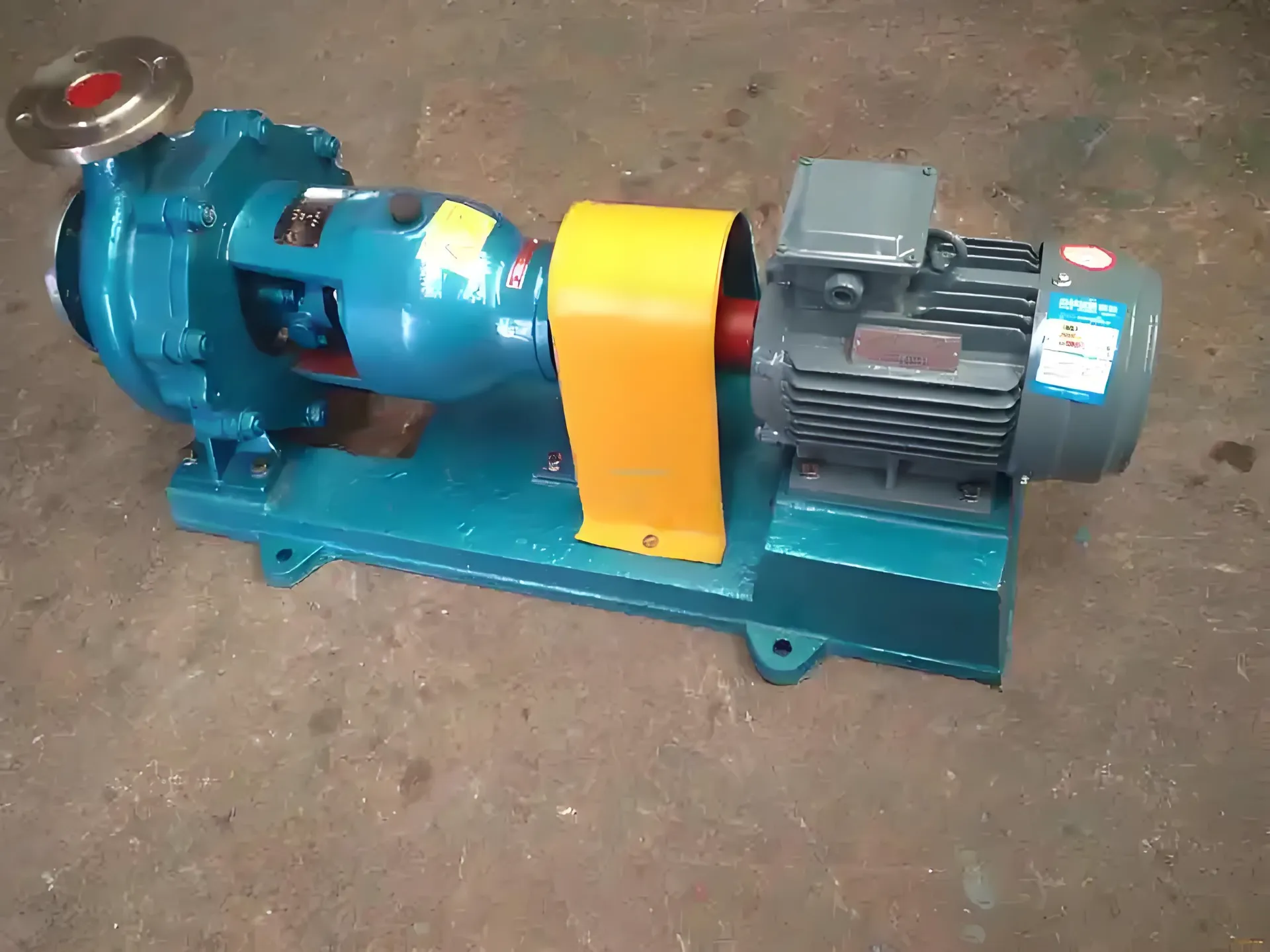
Slurry pumps are heavy-duty centrifugal pumps specifically designed to transport abrasive, erosive, and corrosive slurries. These pumps differ fundamentally from standard centrifugal pumps due to their construction, materials, and hydraulic design. Their technical position in the industrial chain is crucial, acting as a key component in mineral processing, wastewater treatment, dredging, and various chemical industries. Core performance characteristics, including flow rate, head pressure, solids handling capacity, and abrasion resistance, directly impact the efficiency and operational costs of these processes. The increasing demand for efficient solids handling, particularly in environmentally sensitive applications, drives continued innovation in slurry pump technology, including advancements in impeller design, materials science, and sealing systems. The primary pain points for end-users revolve around pump wear life, energy consumption, and maintaining consistent performance in challenging slurry conditions. Selecting the correct pump for a specific application requires a detailed understanding of slurry characteristics, operational parameters, and potential failure modes.
Material Science & Manufacturing
The selection of materials is paramount in slurry pump construction, dictated by the slurry’s composition and abrasive properties. Common materials include high-chromium cast iron (for abrasion resistance), stainless steel (for corrosion resistance), and rubber linings (for a combination of abrasion and corrosion protection). High-chromium cast iron, typically containing 18-35% chromium, forms hard carbides during solidification, resisting wear from particle impact. Stainless steels, such as 304, 316, and duplex stainless steels, are employed when handling corrosive fluids like acids or alkalis. Elastomeric linings, utilizing natural rubber or synthetic rubbers like EPDM, offer excellent resistance to abrasion and corrosion but have limitations in temperature and pressure. Manufacturing processes typically involve casting (for pump housings and impellers), welding (for fabrication of components), and machining (for precise tolerances). Impeller casting is a critical step; the impeller’s geometry and metallurgical structure directly influence hydraulic performance and wear life. Welding procedures must be carefully controlled to minimize heat-affected zones and maintain material integrity. Key parameter control during manufacturing includes chemical composition verification, hardness testing, non-destructive examination (NDE) of welds, and dimensional accuracy checks to ensure adherence to design specifications. Surface treatments, such as hardfacing with tungsten carbide, are frequently applied to high-wear areas to extend component life.
Performance & Engineering
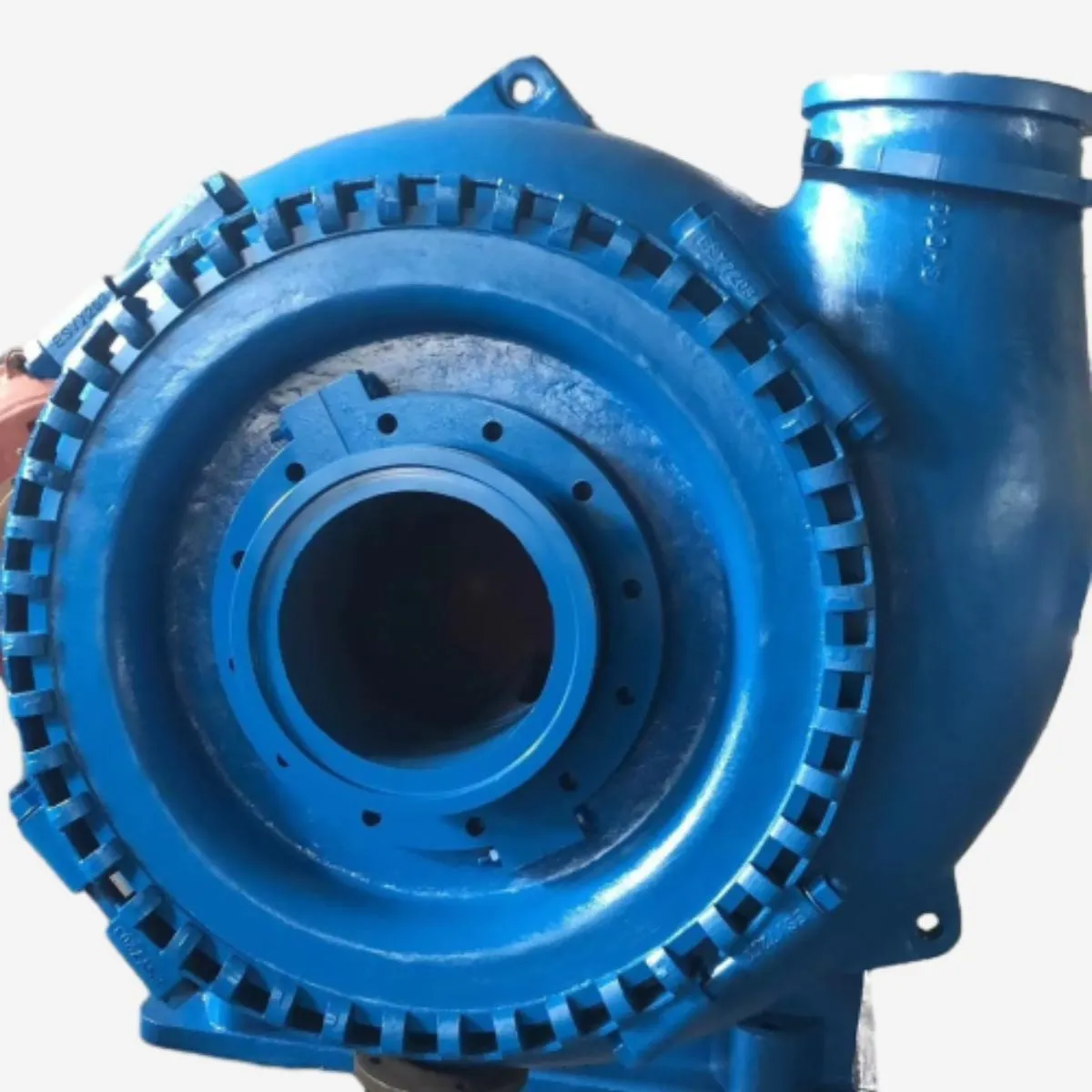
Slurry pump performance is fundamentally governed by hydraulic principles, but complicated by the non-Newtonian behavior of many slurries. Force analysis involves considerations of centrifugal force, pressure differentials, and the impact forces of solid particles on pump components. Cavitation, a major concern in all centrifugal pumps, is exacerbated in slurry applications due to the increased risk of abrasive wear on cavitation-damaged surfaces. Environmental resistance is critical, especially in applications involving extreme temperatures, corrosive atmospheres, or exposure to UV radiation. Impeller design plays a crucial role in maximizing efficiency and minimizing wear. Closed impellers are more efficient for low-solids slurries, while open or semi-open impellers are better suited for handling high-solids concentrations and preventing clogging. Mechanical seals are essential for preventing leakage and protecting pump bearings. Seal selection depends on the slurry’s properties, pressure, and temperature. Double mechanical seals with a barrier fluid are commonly used for highly abrasive or corrosive slurries. Compliance requirements vary depending on the application and geographic location. For example, pumps used in the food and beverage industry must meet sanitary standards (e.g., 3-A Sanitary Standards), while pumps used in hazardous environments must comply with explosion-proof regulations (e.g., ATEX or IECEx).
Technical Specifications
| Parameter | Units | Typical Range | Considerations |
|---|---|---|---|
| Flow Rate | m³/h | 10 - 1000 | Dependent on application & pipeline size. |
| Head (Discharge Pressure) | m | 10 - 100 | Influenced by pipeline friction and elevation gain. |
| Solids Handling Capacity | % by Weight | 5 - 60 | Higher concentrations require larger impeller clearances. |
| Maximum Particle Size | mm | Up to 200 | Determines impeller design and passage size. |
| Pump Material (Casing) | - | High-Chrome Iron, SS304, SS316 | Slurry corrosivity dictates material choice. |
| Pump Material (Impeller) | - | High-Chrome Iron, Rubber, SS304, SS316 | Abrasion resistance is a primary factor. |
Failure Mode & Maintenance
Slurry pump failures are typically attributed to abrasive wear, corrosion, erosion, and mechanical fatigue. Abrasive wear, the most common failure mode, occurs due to the impact of solid particles on pump components, leading to material loss and dimensional changes. Corrosion occurs when the slurry’s chemical composition attacks the pump materials, weakening them and causing pitting or erosion. Erosion is a combined effect of abrasion and corrosion, where the slurry’s flow accelerates material removal. Fatigue cracking can occur in pump shafts, impellers, or housings due to cyclic loading and stress concentration. Failure analysis involves visual inspection, metallurgical examination, and non-destructive testing to identify the root cause of failure. Preventative maintenance is crucial for extending pump life and minimizing downtime. This includes regular inspection of wear parts (impellers, liners, seals), lubrication of bearings, monitoring of vibration levels, and periodic performance testing. Seal replacement is a common maintenance task, requiring careful alignment and proper installation. Impeller and liner replacement are more extensive procedures, often requiring pump disassembly. Regular monitoring of pump efficiency and power consumption can provide early warning signs of wear or fouling. Implementing a robust maintenance schedule and utilizing condition monitoring techniques can significantly reduce the overall cost of ownership.
Industry FAQ
Q: What is the impact of slurry particle size distribution on pump selection?
A: Particle size distribution significantly affects pump performance and wear life. Larger particles cause more rapid abrasive wear, particularly on impeller edges and liners. A wider particle size distribution (containing both large and small particles) can lead to increased wear rates compared to a uniform distribution. Pump selection must account for the maximum particle size to ensure it can pass through the pump without causing clogging or damage. Impeller design (open, semi-open, closed) and passage size are critical considerations. Furthermore, the concentration of solids in the slurry also impacts wear rates; higher concentrations generally lead to increased abrasion.
Q: How do you mitigate cavitation in slurry pump applications?
A: Cavitation is a significant concern in slurry pumps due to the potential for accelerated abrasive wear. Mitigation strategies include increasing the net positive suction head available (NPSHa) by lowering pump elevation or increasing suction pressure. Reducing slurry velocity in the suction line can also help. Selecting an impeller design optimized for low NPSH requirements is crucial. Regularly inspecting the impeller for cavitation damage (pitting and erosion) is essential. Using a thicker impeller material or applying a wear-resistant coating can also extend impeller life in cavitation-prone environments.
Q: What are the advantages and disadvantages of using rubber liners in slurry pumps?
A: Rubber liners offer excellent abrasion and corrosion resistance, particularly for handling slurries containing abrasive solids and corrosive chemicals. They dampen noise and vibration, extending pump life. However, rubber liners have limitations in temperature and pressure; they are not suitable for high-temperature or high-pressure applications. They also have lower mechanical strength compared to metal liners and can be susceptible to swelling or degradation when exposed to certain solvents or oils.
Q: How does the specific gravity of the slurry affect pump performance?
A: The specific gravity of the slurry directly affects the pump's head-capacity curve. Higher specific gravity slurries are denser and require more power to pump, resulting in a lower capacity for a given head. The pump's motor must be sized appropriately to handle the increased load. The impeller design and pump speed may also need to be adjusted to optimize performance for high-specific-gravity slurries.
Q: What is the role of the pump’s seal flush plan in slurry applications?
A: The seal flush plan is critical for maintaining the integrity of the mechanical seal in slurry applications. It provides lubrication, cooling, and a barrier against abrasive particles and corrosive fluids. Various flush plans exist, ranging from simple external flushing to more complex double seal arrangements with a barrier fluid. The appropriate flush plan depends on the slurry’s properties and the pump’s operating conditions. A properly designed and maintained seal flush plan significantly extends seal life and prevents pump leakage.
Conclusion
Slurry pump selection and operation require a holistic understanding of slurry characteristics, material science, and hydraulic principles. Optimizing pump performance and extending component life necessitates careful consideration of abrasive wear, corrosion, erosion, and cavitation. The ongoing development of advanced materials, impeller designs, and sealing technologies continues to improve the efficiency and reliability of slurry pumps in demanding industrial applications.
Effective maintenance strategies, including regular inspection, preventative maintenance, and condition monitoring, are essential for minimizing downtime and reducing the total cost of ownership. By prioritizing a proactive approach to pump management, end-users can maximize their return on investment and ensure the long-term sustainability of their operations.
-
pump for sewage water Performance Analysis
News2026-05-23
-
plumbing sewage ejector pump Performance Engineering
News2026-05-23
-
home sewer pump station Performance and Engineering
News2026-05-23
-
high pressure sump pump Performance Analysis
News2026-05-23
-
high head effluent pump Performance Analysis
News2026-05-23
-
Effluent vs Sump Pump Performance Analysis
News2026-05-22
-
effluent septic pump Performance Engineering
News2026-05-22
-
best sewer pumps Performance Engineering
News2026-05-22
-
best sewer pump Performance Analysis
News2026-05-22
-
best sewage pumps Performance Engineering
News2026-05-22
-
basement bathroom sewage pump Material Science Manufacturing
News2026-05-21
-
wastewater treatment plant pumps Material Science Manufacturing
News2026-05-21
-
waste water pump for basement Material Science Manufacturing
News2026-05-21
-
sump pump sewage Performance Analysis
News2026-05-21
-
sump pump for sewage Material Science and Manufacturing
News2026-05-21




