English
- Afrikaans
- Albanian
- Amharic
- Arabic
- Armenian
- Azerbaijani
- Basque
- Belarusian
- Bengali
- Bosnian
- Bulgarian
- Catalan
- Cebuano
- Corsican
- Croatian
- Czech
- Danish
- Dutch
- English
- Esperanto
- Estonian
- Finnish
- French
- Frisian
- Galician
- Georgian
- German
- Greek
- Gujarati
- Haitian Creole
- hausa
- hawaiian
- Hebrew
- Hindi
- Miao
- Hungarian
- Icelandic
- igbo
- Indonesian
- irish
- Italian
- Japanese
- Javanese
- Kannada
- kazakh
- Khmer
- Rwandese
- Korean
- Kurdish
- Kyrgyz
- Lao
- Latin
- Latvian
- Lithuanian
- Luxembourgish
- Macedonian
- Malgashi
- Malay
- Malayalam
- Maltese
- Maori
- Marathi
- Mongolian
- Myanmar
- Nepali
- Norwegian
- Norwegian
- Occitan
- Pashto
- Persian
- Polish
- Portuguese
- Punjabi
- Romanian
- Russian
- Samoan
- Scottish Gaelic
- Serbian
- Sesotho
- Shona
- Sindhi
- Sinhala
- Slovak
- Slovenian
- Somali
- Spanish
- Sundanese
- Swahili
- Swedish
- Tagalog
- Tajik
- Tamil
- Tatar
- Telugu
- Thai
- Turkish
- Turkmen
- Ukrainian
- Urdu
- Uighur
- Uzbek
- Vietnamese
- Welsh
- Bantu
- Yiddish
- Yoruba
- Zulu

Telephone: +86 13120555503
Email: frank@cypump.com


Apr . 01, 2024 17:55 Back to list
slurry pump expeller suppliers Performance Engineering

Introduction
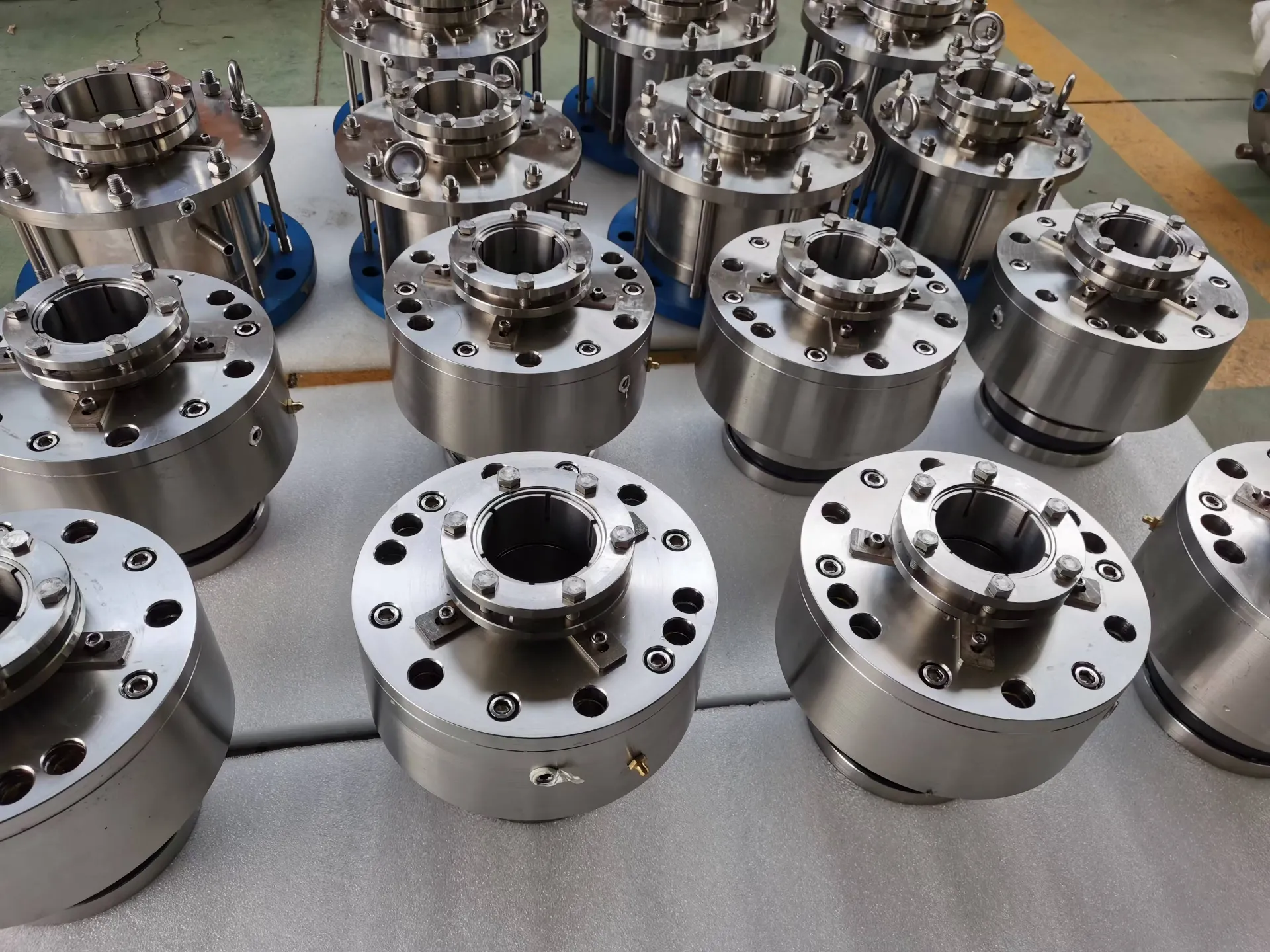
Slurry pump expellers are critical components within centrifugal slurry pumps, responsible for maintaining optimal pump efficiency and preventing radial thrust imbalances. These components, typically installed behind the impeller, manage axial forces generated by asymmetric slurry flow and wear ring clearances. The selection and performance of expellers directly impact pump reliability, minimizing bearing loads and extending operational life. The industry chain positions expeller suppliers as crucial links between pump manufacturers, material science innovators, and end-users in mining, wastewater treatment, and heavy industrial processing. Core performance metrics center around hydraulic efficiency, resistance to abrasive wear, and dimensional stability under continuous slurry bombardment. Failure to properly specify or maintain expellers leads to increased energy consumption, premature bearing failure, and potentially catastrophic pump downtime – representing a significant economic and operational pain point for industries handling abrasive slurries.
Material Science & Manufacturing
Expeller construction commonly utilizes high-chrome cast iron (typically 27% chromium) due to its exceptional abrasion resistance, crucial in slurry applications. Alternative materials include hardened stainless steels (e.g., 316, 410) for corrosive environments or when handling magnetically susceptible slurries. Ceramic materials, such as alumina or silicon carbide, are employed in extreme abrasion scenarios, despite their higher cost and potential brittleness. Manufacturing processes predominantly involve investment casting or sand casting for complex geometries. Following casting, precision machining is essential to achieve tight tolerances on expeller bore diameters and blade profiles. Key parameter control focuses on maintaining consistent chromium carbide distribution within the cast iron matrix (verified through metallographic analysis) and ensuring surface hardness meets or exceeds 60 HRC. Welding processes are generally avoided due to the potential for heat-affected zone weakening and subsequent crack propagation. The manufacturing process must adhere to stringent dimensional accuracy, particularly regarding the radial clearance between the expeller and impeller, directly affecting hydraulic performance. Quality control includes non-destructive testing (NDT) such as dye penetrant inspection to detect surface flaws and ultrasonic testing to identify internal defects. Material traceability is paramount, ensuring adherence to specified chemical compositions and mechanical properties.
Performance & Engineering
Expeller performance is primarily governed by hydrodynamic principles. The angled blades of the expeller impart a radial force onto the slurry flow, counteracting the axial thrust generated by the impeller. Force analysis requires careful consideration of slurry density, viscosity, flow rate, and impeller geometry. Finite Element Analysis (FEA) is often employed to optimize expeller blade angles and thicknesses, minimizing stress concentrations and maximizing thrust balance. Environmental resistance is critical; prolonged exposure to abrasive slurries causes gradual material loss through erosion. The expeller's effectiveness diminishes as the blade profile erodes, leading to increased axial thrust and bearing wear. Compliance requirements dictate adherence to hydraulic efficiency standards (although specific standards for expellers are uncommon, overall pump efficiency is a key driver). Functional implementation involves precise installation and alignment within the pump housing. Incorrect installation can induce misalignment, increasing vibration and accelerating wear. Monitoring bearing temperatures and vibration levels provides an indirect indication of expeller performance. Regular inspection for blade erosion and replacement before catastrophic failure are essential preventative maintenance practices. The design must also account for the potential for cavitation, particularly at low flow rates, which can accelerate erosion and reduce expeller life.
Technical Specifications
| Material Grade | Hardness (HRC) | Maximum Slurry Concentration (% by weight) | Maximum Slurry Particle Size (mm) | Operating Temperature Range (°C) | Axial Thrust Capacity (kN) |
|---|---|---|---|---|---|
| High-Chrome Cast Iron (27% Cr) | 60-65 | 70 | 25 | -30 to 150 | 50 |
| Hardened Stainless Steel (316) | 55-60 | 60 | 15 | -40 to 200 | 40 |
| Alumina Ceramic (99.7% Al2O3) | 90+ | 80 | 10 | 20 to 300 | 30 |
| Hardened Stainless Steel (410) | 58-62 | 65 | 20 | -20 to 180 | 45 |
| Silicon Carbide (SiC) | 95+ | 75 | 8 | 0 to 250 | 25 |
| Nickel-Hard Iron (15% Ni) | 62-68 | 75 | 30 | -40 to 160 | 55 |
Failure Mode & Maintenance
Common failure modes for slurry pump expellers include abrasive wear (leading to blade erosion and loss of thrust balancing capacity), fatigue cracking (initiated by cyclic loading and stress concentrations), and corrosion (particularly in aggressive chemical environments). Erosion is the most prevalent, manifesting as rounded blade edges and reduced blade thickness. Fatigue cracking typically originates at the blade root or near stress risers, progressively propagating until complete failure. Corrosion can induce pitting and localized material loss, weakening the expeller structure. Failure analysis often reveals a combination of these mechanisms. Preventative maintenance involves regular inspection (at least annually, or more frequently in severe applications) to assess blade wear and identify early signs of cracking. Non-destructive testing (NDT) such as magnetic particle inspection (MPI) can detect surface cracks that are not visible to the naked eye. Lubrication of the expeller bore prevents fretting corrosion and ensures smooth operation. Replacement should occur when blade wear exceeds 10% of the original thickness or when cracks are detected. Proper storage of spare expellers is crucial, protecting them from moisture and corrosion. Root cause analysis of failures should be conducted to identify underlying issues and prevent recurrence. Monitoring pump vibration and bearing temperatures provides early warning of potential expeller issues.
Industry FAQ
Q: What is the typical service life of a high-chrome cast iron expeller in a continuous slurry application?
A: The service life varies significantly depending on slurry abrasiveness, flow rate, and operating conditions. However, a typical range is 12 to 24 months. Regular inspections are critical to determine actual remaining life and prevent unexpected failures.
Q: How does the choice of expeller material affect pump efficiency?
A: While all expeller materials aim to balance axial thrust, their impact on hydraulic efficiency is subtle. Ceramic expellers, while highly abrasion resistant, can introduce slight turbulence due to their brittle nature. High-chrome cast iron generally offers the best balance of abrasion resistance and hydraulic smoothness.
Q: What are the consequences of operating a slurry pump with a severely worn expeller?
A: Operating with a worn expeller leads to increased axial thrust on the pump bearings, causing premature failure. This also increases energy consumption, reduces pump efficiency, and can ultimately lead to pump damage.
Q: Can expellers be repaired, or is replacement always necessary?
A: Repairing expellers is generally not recommended. Welding can compromise the material’s integrity, and machining to restore blade profiles often leaves insufficient material thickness. Replacement with a new expeller is the preferred solution.
Q: What is the role of the expeller in preventing pump damage from solids buildup?
A: The expeller doesn’t directly prevent solids buildup. However, by maintaining proper axial balance, it reduces bearing stress, which indirectly minimizes the risk of pump damage from seized bearings due to solids accumulation.
Conclusion
Slurry pump expellers are deceptively simple components that play a critical role in the reliability and efficiency of slurry pumping systems. The selection of appropriate materials, precise manufacturing, and diligent maintenance practices are essential for maximizing expeller life and minimizing downtime. Understanding the failure modes, and implementing proactive inspection schedules are paramount for optimizing operational costs.
The ongoing trend towards more abrasive and corrosive slurries demands continuous innovation in expeller materials and designs. Future developments are likely to focus on advanced ceramics, surface coatings, and optimized blade geometries to enhance wear resistance and hydraulic performance. Adherence to industry best practices, coupled with a deep understanding of slurry characteristics, will ensure the continued effective operation of slurry pumping systems.
-
Precision at the Pump: How Better Machining Protects Flow and Uptime
News2026-11-20
-
Why Pump Reliability Begins Before the First Drop of Fluid
News2026-11-20
-
Beyond the Pump: Designing Safer Access Around Critical Water Infrastructure
News2026-11-20
-
Why Pumping Stations Depend on the Infrastructure Beneath the Pumps
News2026-11-20
-
Beyond the Pump Room: How Smarter Loading Protects Industrial Equipment
News2026-11-19
-
When Pumps Stop: Designing More Resilient Power for Critical Pumping Systems
News2026-11-19
-
The Hidden Role of Dust and Gas Monitoring in Reliable Pump Operations
News2026-11-19
-
The Hidden Role of Mineral Compounds in Extending Industrial Pump Lifespan
News2026-10-12
-
Why Pump System Reliability Depends on Precision Hose Assembly Methods
News2026-09-15
-
How Advanced Imaging Films Are Transforming Pump Component Quality Control
News2026-08-25
-
How Advanced Filtration Protects Pump Systems from Premature Wear and Costly Downtime
News2026-08-25
-
How Steel Material Selection Drives Pump Reliability in Heavy-Duty Systems
News2026-08-25
-
Ensuring Pump System Efficiency: The Role of High-Quality Pipe Fittings and Tubing
News2026-08-24
-
Optimizing Fluid Dynamics and Material Consistency in Industrial Processing
News2026-08-18
-
Innovations and Challenges in Hydraulic Systems for Heavy Machinery
News2026-08-13




