English
- Afrikaans
- Albanian
- Amharic
- Arabic
- Armenian
- Azerbaijani
- Basque
- Belarusian
- Bengali
- Bosnian
- Bulgarian
- Catalan
- Cebuano
- Corsican
- Croatian
- Czech
- Danish
- Dutch
- English
- Esperanto
- Estonian
- Finnish
- French
- Frisian
- Galician
- Georgian
- German
- Greek
- Gujarati
- Haitian Creole
- hausa
- hawaiian
- Hebrew
- Hindi
- Miao
- Hungarian
- Icelandic
- igbo
- Indonesian
- irish
- Italian
- Japanese
- Javanese
- Kannada
- kazakh
- Khmer
- Rwandese
- Korean
- Kurdish
- Kyrgyz
- Lao
- Latin
- Latvian
- Lithuanian
- Luxembourgish
- Macedonian
- Malgashi
- Malay
- Malayalam
- Maltese
- Maori
- Marathi
- Mongolian
- Myanmar
- Nepali
- Norwegian
- Norwegian
- Occitan
- Pashto
- Persian
- Polish
- Portuguese
- Punjabi
- Romanian
- Russian
- Samoan
- Scottish Gaelic
- Serbian
- Sesotho
- Shona
- Sindhi
- Sinhala
- Slovak
- Slovenian
- Somali
- Spanish
- Sundanese
- Swahili
- Swedish
- Tagalog
- Tajik
- Tamil
- Tatar
- Telugu
- Thai
- Turkish
- Turkmen
- Ukrainian
- Urdu
- Uighur
- Uzbek
- Vietnamese
- Welsh
- Bantu
- Yiddish
- Yoruba
- Zulu

Telephone: +86 13120555503
Email: frank@cypump.com


Apr . 01, 2024 17:55 Back to list
slurry pump expeller Performance Analysis
Introduction
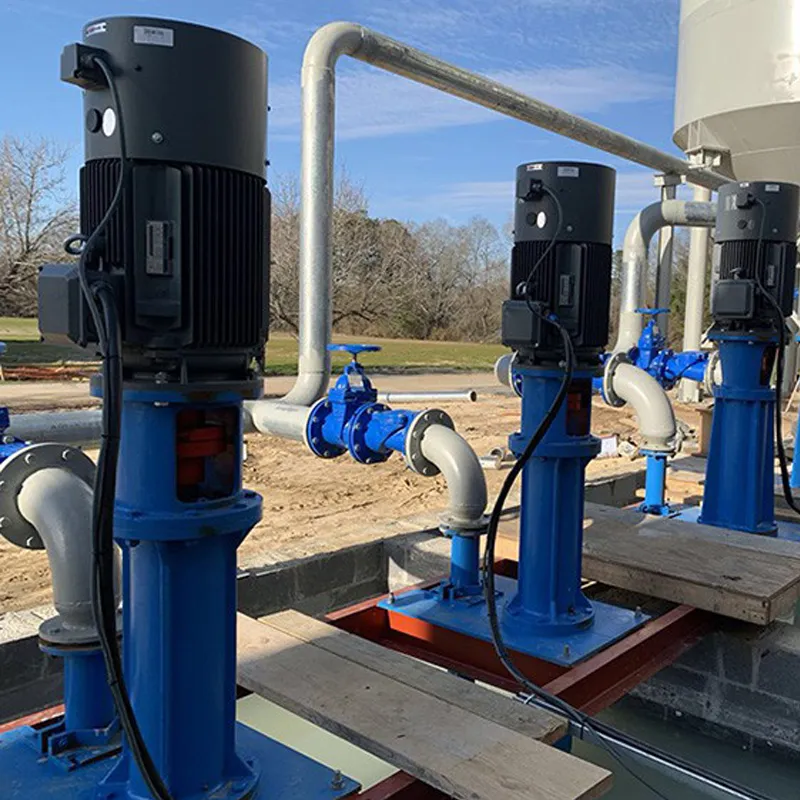
The slurry pump expeller is a critical component within centrifugal slurry pumps, functioning as a wear-resistant interface between the impeller and the pump casing. Its primary role is to control internal leakage and maintain pump efficiency, particularly when handling abrasive or corrosive slurries. Positioned within the pump’s flow path, the expeller minimizes recirculation and optimizes hydraulic performance. Unlike mechanical seals, which provide a complete barrier, expellers permit a controlled amount of leakage, which serves to lubricate and cool the impeller and bearings. This controlled leakage is crucial in applications where sealing fluids are undesirable or impractical. Expeller design and material selection are paramount, as they directly influence pump life, maintenance intervals, and overall operational cost. In the industry chain, the expeller represents a relatively small cost component but has a disproportionately large impact on pump reliability and performance, especially in demanding applications like mining, wastewater treatment, and chemical processing.
Material Science & Manufacturing
Expellers are commonly manufactured from high-chromium cast irons (e.g., 27-35% Cr), duplex stainless steels, and specialized polymer materials. High-chromium cast irons provide excellent abrasion resistance, crucial for handling abrasive slurries containing solids like sand, gravel, and ore. The chromium content forms hard carbides within the iron matrix, resisting wear. Duplex stainless steels (e.g., 2205, 2507) offer superior corrosion resistance, essential for handling aggressive chemical slurries. These steels combine austenitic and ferritic microstructures for enhanced strength and resistance to pitting and crevice corrosion. Polymer expellers, typically made from materials like PTFE or UHMWPE, are used in highly corrosive environments where metallic materials are unsuitable. Manufacturing processes typically involve casting (for metallic expellers) or injection molding (for polymer expellers). Casting requires precise mold design and controlled cooling rates to minimize residual stresses and ensure dimensional accuracy. Heat treatment, such as hardening and tempering, is often employed to optimize the mechanical properties of cast iron expellers. Machining is then used to achieve the final dimensions and surface finish. Critical parameters include the hardness of the material (measured using Rockwell or Vickers scales), the microstructure (verified through metallographic analysis), and the surface roughness (controlled through grinding and polishing). Dimensional tolerances are crucial to ensure proper fit and function within the pump. Improper manufacturing can lead to increased leakage, reduced efficiency, and premature failure.
Performance & Engineering
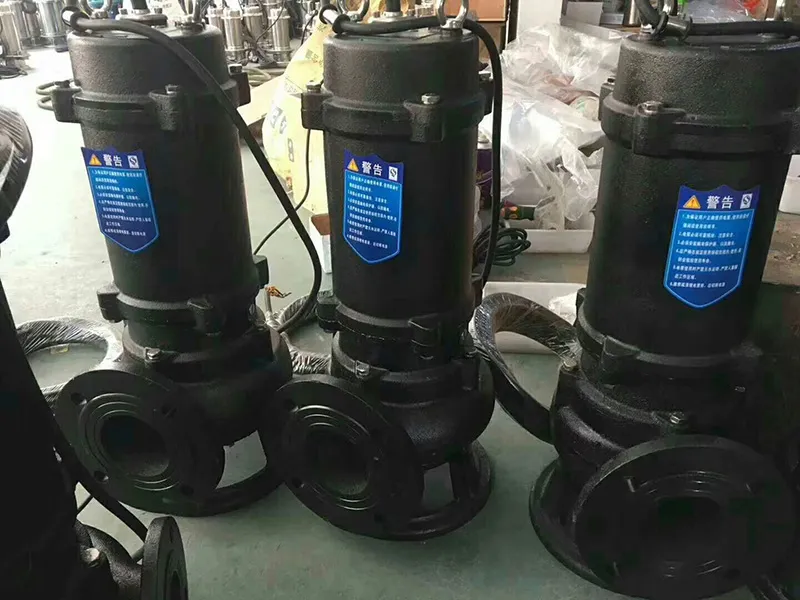
The performance of a slurry pump expeller is intrinsically linked to hydraulic forces and wear characteristics. Force analysis involves evaluating the radial pressure exerted by the slurry on the expeller, along with the centrifugal forces generated by the impeller rotation. These forces contribute to wear and potential deformation. Engineering considerations focus on optimizing the expeller’s geometry to minimize pressure drop and maximize flow efficiency. The clearance between the impeller and the expeller is a critical parameter; too small a clearance can lead to increased friction and heat generation, while too large a clearance can result in excessive leakage and reduced pump efficiency. Environmental resistance is vital, particularly regarding the slurry's pH, temperature, and solids concentration. Corrosion rates increase with acidity and temperature. The type and concentration of solids affect the abrasion rate. Compliance requirements, such as those outlined by API 610 (Centrifugal Pumps) and ISO 13709 (Petroleum and natural gas industries – Pumps for surface applications), dictate material selection, design validation, and testing procedures. Functional implementation involves carefully matching the expeller material and design to the specific slurry characteristics and operating conditions. Finite element analysis (FEA) is often used to predict stress distribution and identify potential failure points. Proper installation and alignment are crucial to prevent premature wear and ensure optimal performance. Considerations include shaft runout, casing distortion, and bearing preload.
Technical Specifications
| Material | Hardness (Rockwell C) | Maximum Slurry Temperature (°C) | Maximum Solids Concentration (% by weight) | Clearance Range (mm) | Maximum Operating Pressure (bar) |
|---|---|---|---|---|---|
| High-Chromium Cast Iron (27% Cr) | 60-65 | 80 | 60 | 0.1-0.5 | 25 |
| Duplex Stainless Steel (2205) | 28-32 | 150 | 40 | 0.05-0.3 | 40 |
| PTFE | N/A (Flexible Material) | 120 | 20 | 0.2-0.8 | 10 |
| UHMWPE | N/A (Flexible Material) | 80 | 30 | 0.3-1.0 | 8 |
| Ceramic-Filled Polymer | 55-60 | 100 | 50 | 0.1-0.4 | 20 |
| Nickel Hardface Alloy | 65-70 | 200 | 70 | 0.08-0.45 | 50 |
Failure Mode & Maintenance
Common failure modes for slurry pump expellers include abrasive wear, corrosive attack, erosion, and thermal fatigue. Abrasive wear, caused by solid particles impacting the expeller surface, is the most prevalent failure mechanism. This results in gradual material loss and dimensional changes. Corrosive attack, particularly in acidic or alkaline slurries, leads to localized pitting and weakening of the expeller material. Erosion, caused by high-velocity slurry flow, can remove material from the expeller surface, especially at the inlet and outlet edges. Thermal fatigue can occur due to repeated heating and cooling cycles, causing cracks to initiate and propagate. Failure analysis involves visual inspection, metallographic examination, and chemical analysis to determine the root cause of failure. Maintenance solutions include periodic inspection for wear and corrosion, replacement of worn or damaged expellers, and proper lubrication. Regularly monitoring pump performance parameters, such as discharge pressure and flow rate, can provide early warning signs of expeller degradation. Implementing a preventative maintenance schedule based on operating hours and slurry characteristics is crucial. Consideration should be given to using hardened expeller materials or applying wear-resistant coatings to extend service life. Proper alignment and balancing of the pump are also essential to minimize stress on the expeller. Record keeping of expeller replacement intervals and failure modes is invaluable for optimizing maintenance strategies.
Industry FAQ
Q: What is the impact of increased solids concentration on expeller life?
A: Increased solids concentration directly correlates with accelerated abrasive wear. Higher concentrations mean more frequent and forceful impacts from solid particles, leading to a significantly reduced expeller lifespan. Selecting a harder, more wear-resistant material, and potentially reducing pump speed, becomes crucial in these scenarios.
Q: How does slurry temperature affect expeller material selection?
A: Elevated slurry temperatures exacerbate corrosion rates and can weaken the mechanical properties of many materials. For high-temperature applications, duplex stainless steels or specialized alloys with enhanced thermal stability are necessary. Polymer expellers have inherent temperature limitations and may not be suitable for high-temperature slurries.
Q: What are the consequences of excessive clearance between the impeller and expeller?
A: Excessive clearance results in increased internal recirculation, leading to reduced pump efficiency, lower head, and increased power consumption. It also compromises the expeller's ability to control leakage, potentially causing cavitation and further damage.
Q: Can expeller wear be mitigated through surface coatings?
A: Yes, applying wear-resistant coatings, such as tungsten carbide or ceramic coatings, can significantly extend expeller life, particularly in abrasive applications. These coatings provide a hard, protective layer that resists wear and erosion. However, coating adhesion and resistance to spalling must be carefully considered.
Q: What is the role of the expeller in pump cavitation prevention?
A: While the expeller itself doesn’t directly prevent cavitation, maintaining the appropriate clearance and controlling internal leakage helps to manage pressure distribution within the pump, minimizing the risk of cavitation. Excessive leakage, however, can contribute to cavitation due to reduced pressure.
Conclusion
The slurry pump expeller represents a deceptively complex component, critical for maintaining the efficiency and reliability of slurry pumping systems. Its selection and application demand a thorough understanding of slurry characteristics, material science, and hydraulic principles. Proper material selection, precise manufacturing, and diligent maintenance are all essential to mitigating failure modes and maximizing service life.
Looking ahead, advancements in materials technology, such as the development of novel wear-resistant alloys and coatings, will continue to improve expeller performance. Predictive maintenance strategies, leveraging sensor data and machine learning, will enable more proactive identification of wear and potential failures, optimizing maintenance schedules and reducing downtime. Ultimately, a holistic approach to expeller management – encompassing design, manufacturing, operation, and maintenance – is paramount for ensuring long-term cost-effectiveness and operational excellence.
-
Comprehensive Guide to Waterproof ORings for Optimal Sealing Solutions
News2026-06-09
-
best ejector pump for basement bathroom Material Science Manufacturing
News2026-06-28
-
bathroom ejector pump system Material Science Manufacturing
News2026-06-28
-
bathroom ejector pump Performance and Engineering
News2026-06-28
-
basement toilet ejector pump Performance Analysis
News2026-06-28
-
Septic Tank Pump Technology Analysis
News2026-06-28
-
Waste Tank Pump Performance Analysis
News2026-06-27
-
Sewer System Pump Out Material Science
News2026-06-27
-
Sewer Ejector Pit Performance Analysis
News2026-06-27
-
septic tank pumps for sale Performance Engineering
News2026-06-27
-
septic system with lift pump Performance Engineering
News2026-06-27
-
septic system sump pump Performance Analysis
News2026-06-26
-
septic pump company Performance Analysis
News2026-06-26
-
pumps water treatment Performance Analysis
News2026-06-26
-
pumps for septic tanks Material Science and Manufacturing
News2026-06-26




