English
- Afrikaans
- Albanian
- Amharic
- Arabic
- Armenian
- Azerbaijani
- Basque
- Belarusian
- Bengali
- Bosnian
- Bulgarian
- Catalan
- Cebuano
- Corsican
- Croatian
- Czech
- Danish
- Dutch
- English
- Esperanto
- Estonian
- Finnish
- French
- Frisian
- Galician
- Georgian
- German
- Greek
- Gujarati
- Haitian Creole
- hausa
- hawaiian
- Hebrew
- Hindi
- Miao
- Hungarian
- Icelandic
- igbo
- Indonesian
- irish
- Italian
- Japanese
- Javanese
- Kannada
- kazakh
- Khmer
- Rwandese
- Korean
- Kurdish
- Kyrgyz
- Lao
- Latin
- Latvian
- Lithuanian
- Luxembourgish
- Macedonian
- Malgashi
- Malay
- Malayalam
- Maltese
- Maori
- Marathi
- Mongolian
- Myanmar
- Nepali
- Norwegian
- Norwegian
- Occitan
- Pashto
- Persian
- Polish
- Portuguese
- Punjabi
- Romanian
- Russian
- Samoan
- Scottish Gaelic
- Serbian
- Sesotho
- Shona
- Sindhi
- Sinhala
- Slovak
- Slovenian
- Somali
- Spanish
- Sundanese
- Swahili
- Swedish
- Tagalog
- Tajik
- Tamil
- Tatar
- Telugu
- Thai
- Turkish
- Turkmen
- Ukrainian
- Urdu
- Uighur
- Uzbek
- Vietnamese
- Welsh
- Bantu
- Yiddish
- Yoruba
- Zulu

Telephone: +86 13120555503
Email: frank@cypump.com


Apr . 01, 2024 17:55 Back to list
slurry pump expeller manufacturer Performance Analysis
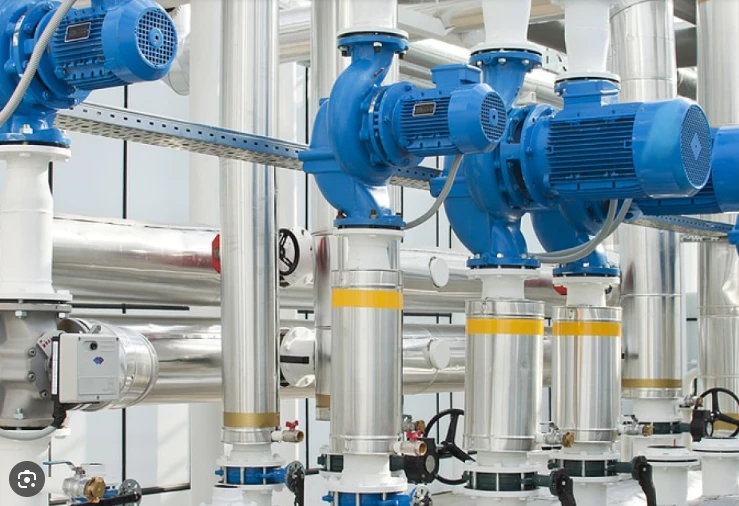
Introduction
Slurry pump expellers are critical wear components within centrifugal slurry pumps, responsible for maintaining internal pump pressure and preventing backflow, particularly when handling abrasive or high-solids content fluids. Their technical position lies within the hydraulic machinery sector, specifically as a vital sealing and pressure maintenance element. The performance of an expeller directly impacts pump efficiency, reliability, and overall operational cost. Core performance indicators include leak rate (expressed in liters per minute or gallons per hour), pressure maintenance capability (measured in bar or psi), and service life (defined by operating hours or volume of slurry processed). A well-designed and properly maintained expeller minimizes recirculation, optimizes energy consumption, and safeguards other pump components from premature wear. Industry pain points revolve around premature failure due to abrasive wear, corrosion, and improper material selection for specific slurry compositions. This guide provides an in-depth analysis of slurry pump expeller design, materials, manufacturing, performance, failure modes, and maintenance protocols.
Material Science & Manufacturing
Expeller construction commonly utilizes high-chrome cast iron (typically 27-30% chromium content), offering exceptional abrasion resistance crucial for handling aggressive slurries. Alternative materials include duplex stainless steels (e.g., 2205, 2507) for enhanced corrosion resistance in acidic or chloride-rich environments, and ceramic materials (alumina, silicon carbide) for extreme wear applications, though these are typically reserved for specialized designs due to cost. Raw material sourcing demands rigorous quality control to ensure consistent chemical composition and mechanical properties. The manufacturing process typically involves casting, machining, and potentially heat treatment. Casting employs sand molds, often utilizing shell molding for improved surface finish and dimensional accuracy. Machining refines the expeller’s profile, ensuring precise fit within the pump housing and impeller. Critical parameters include impeller-to-expeller clearance (typically 0.05mm – 0.2mm), surface roughness (Ra < 0.8 µm for optimal sealing), and dimensional tolerances (±0.025mm for key features). Heat treatment, such as quench and temper, is employed to optimize hardness and toughness of the cast iron, balancing wear resistance with resistance to cracking. Welding is generally avoided due to the potential for introducing heat-affected zones that compromise material properties and create stress concentration points.
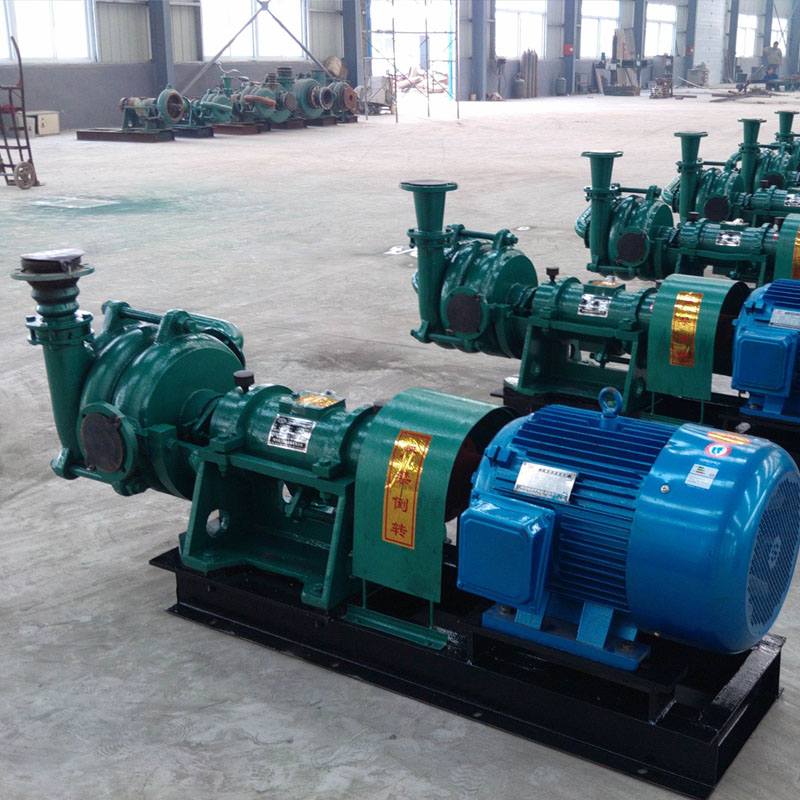
Performance & Engineering
Expeller performance is governed by principles of fluid dynamics and mechanical engineering. Force analysis considers centrifugal forces generated by the rotating impeller, hydrostatic pressure from the slurry, and thermal stresses induced by operating temperature. The expeller’s geometry – specifically the number of vanes, vane angle, and overall diameter – influences its ability to generate a restrictive flow path, maintaining pressure and minimizing recirculation. Environmental resistance is a significant design consideration. Exposure to abrasive particles, corrosive chemicals, and temperature fluctuations can accelerate wear and degradation. Compliance requirements, such as those stipulated by API 610 (Centrifugal Pumps – Refinery Industry) and ISO 13709 (Petroleum and natural gas industries – Pumps for surface applications), dictate minimum performance standards and material requirements. Functional implementation involves precisely controlling the gap between the impeller and expeller. Too large a gap leads to excessive recirculation and reduced pump efficiency; too small a gap increases friction and accelerates wear. Leakage is a crucial performance metric, often measured during hydrostatic testing to ensure the expeller meets specified sealing requirements. Finite Element Analysis (FEA) is employed to optimize expeller design, predict stress distribution, and identify potential failure points.
Technical Specifications
| Material | Hardness (BHN) | Maximum Operating Pressure (PSI) | Maximum Slurry Temperature (°C) |
|---|---|---|---|
| High Chrome Cast Iron (27% Cr) | 600-700 | 300 | 80 |
| Duplex Stainless Steel (2205) | 250-350 | 500 | 150 |
| Alumina Ceramic | 900+ | 400 | 200 |
| Cast Steel (A532 Grade 1) | 150-250 | 200 | 60 |
| Silicon Carbide | 950+ | 450 | 250 |
| White Iron (High Chromium) | 650-750 | 350 | 90 |
Failure Mode & Maintenance
Common failure modes include abrasive wear (erosion of vane tips and internal passages), corrosion (pitting and general loss of material), fatigue cracking (initiated by cyclic loading and stress concentrations), and thermal fatigue (caused by temperature fluctuations). Failure analysis typically reveals that abrasive wear is the most prevalent cause of expeller failure, particularly when handling high-solids slurries. Corrosion can exacerbate wear, accelerating material loss and reducing component life. Fatigue cracking often originates at surface imperfections or weld defects (if any). Preventive maintenance strategies include regular inspection for wear and corrosion (visual inspection, dye penetrant testing), monitoring pump performance parameters (pressure, flow rate, power consumption), and implementing a scheduled replacement program based on operating hours or slurry volume processed. When replacing an expeller, careful attention must be paid to impeller-to-expeller clearance. Clearance should be verified using calibrated feeler gauges. Lubrication is generally not required for expellers; however, ensuring proper pump alignment and minimizing vibration can significantly extend expeller life. In cases of severe wear or corrosion, consider upgrading to a more wear-resistant material or modifying the pump’s operating parameters (e.g., reducing slurry velocity).
Industry FAQ
Q: What is the primary difference between a wearing ring and an expeller in a slurry pump?
A: While both components manage clearances and influence pump performance, a wearing ring primarily protects the pump casing from wear, absorbing the abrasive impact of the slurry. An expeller, conversely, focuses on maintaining internal pump pressure and reducing recirculation, functioning as a dynamic seal between the impeller and the pump housing. The expeller experiences higher rotational speeds and is subjected to more intense hydrodynamic forces.
Q: How does the slurry’s particle size distribution affect expeller wear rates?
A: Larger particle sizes and higher particle concentrations significantly accelerate abrasive wear on the expeller vanes. Sharp, angular particles are more abrasive than rounded particles. Therefore, slurries with a high percentage of coarse, angular particles will necessitate more frequent expeller replacements or the use of more wear-resistant materials.
Q: What material selection considerations are crucial for handling highly corrosive slurries?
A: For highly corrosive slurries, duplex stainless steels (2205, 2507) or high-alloy stainless steels are generally recommended. The specific alloy selection depends on the type and concentration of corrosive agents present in the slurry. Ceramic materials can also provide excellent corrosion resistance, but their brittleness limits their suitability for high-impact applications.
Q: How often should an expeller be inspected for wear?
A: The inspection frequency depends on the severity of the slurry being pumped. As a general guideline, an initial inspection should be conducted after 500 hours of operation. Subsequent inspections can be scheduled based on the observed wear rate. Regular performance monitoring (pressure, flow rate) can also indicate the need for inspection.
Q: What are the consequences of operating a slurry pump with a severely worn expeller?
A: A severely worn expeller leads to increased recirculation, reduced pump efficiency, lower discharge pressure, and potentially damage to other pump components, such as the impeller and casing. Excessive recirculation also increases energy consumption and can lead to premature pump failure.
Conclusion
Slurry pump expellers represent a critical yet often underestimated component in maintaining the efficiency and reliability of slurry pumping systems. The selection of appropriate materials, precise manufacturing processes, and proactive maintenance strategies are paramount to minimizing downtime and operational costs. Understanding the interplay between slurry characteristics, expeller design, and operating conditions is fundamental to maximizing component life and overall pump performance.
Future advancements in expeller technology may focus on developing novel wear-resistant coatings, optimizing vane geometries through computational fluid dynamics (CFD) simulations, and implementing condition monitoring systems for predictive maintenance. These developments will contribute to enhancing the durability and performance of slurry pump expellers, further reducing the total cost of ownership in demanding industrial applications.
-
Precision at the Pump: How Better Machining Protects Flow and Uptime
News2026-11-20
-
Why Pump Reliability Begins Before the First Drop of Fluid
News2026-11-20
-
Beyond the Pump: Designing Safer Access Around Critical Water Infrastructure
News2026-11-20
-
Why Pumping Stations Depend on the Infrastructure Beneath the Pumps
News2026-11-20
-
Beyond the Pump Room: How Smarter Loading Protects Industrial Equipment
News2026-11-19
-
When Pumps Stop: Designing More Resilient Power for Critical Pumping Systems
News2026-11-19
-
The Hidden Role of Dust and Gas Monitoring in Reliable Pump Operations
News2026-11-19
-
The Hidden Role of Mineral Compounds in Extending Industrial Pump Lifespan
News2026-10-12
-
Why Pump System Reliability Depends on Precision Hose Assembly Methods
News2026-09-15
-
How Advanced Imaging Films Are Transforming Pump Component Quality Control
News2026-08-25
-
How Advanced Filtration Protects Pump Systems from Premature Wear and Costly Downtime
News2026-08-25
-
How Steel Material Selection Drives Pump Reliability in Heavy-Duty Systems
News2026-08-25
-
Ensuring Pump System Efficiency: The Role of High-Quality Pipe Fittings and Tubing
News2026-08-24
-
Optimizing Fluid Dynamics and Material Consistency in Industrial Processing
News2026-08-18
-
Innovations and Challenges in Hydraulic Systems for Heavy Machinery
News2026-08-13




