English
- Afrikaans
- Albanian
- Amharic
- Arabic
- Armenian
- Azerbaijani
- Basque
- Belarusian
- Bengali
- Bosnian
- Bulgarian
- Catalan
- Cebuano
- Corsican
- Croatian
- Czech
- Danish
- Dutch
- English
- Esperanto
- Estonian
- Finnish
- French
- Frisian
- Galician
- Georgian
- German
- Greek
- Gujarati
- Haitian Creole
- hausa
- hawaiian
- Hebrew
- Hindi
- Miao
- Hungarian
- Icelandic
- igbo
- Indonesian
- irish
- Italian
- Japanese
- Javanese
- Kannada
- kazakh
- Khmer
- Rwandese
- Korean
- Kurdish
- Kyrgyz
- Lao
- Latin
- Latvian
- Lithuanian
- Luxembourgish
- Macedonian
- Malgashi
- Malay
- Malayalam
- Maltese
- Maori
- Marathi
- Mongolian
- Myanmar
- Nepali
- Norwegian
- Norwegian
- Occitan
- Pashto
- Persian
- Polish
- Portuguese
- Punjabi
- Romanian
- Russian
- Samoan
- Scottish Gaelic
- Serbian
- Sesotho
- Shona
- Sindhi
- Sinhala
- Slovak
- Slovenian
- Somali
- Spanish
- Sundanese
- Swahili
- Swedish
- Tagalog
- Tajik
- Tamil
- Tatar
- Telugu
- Thai
- Turkish
- Turkmen
- Ukrainian
- Urdu
- Uighur
- Uzbek
- Vietnamese
- Welsh
- Bantu
- Yiddish
- Yoruba
- Zulu

Telephone: +86 13120555503
Email: frank@cypump.com


Apr . 01, 2024 17:55 Back to list
Slurry Pump Distributors Technical Specifications and Performance Analysis
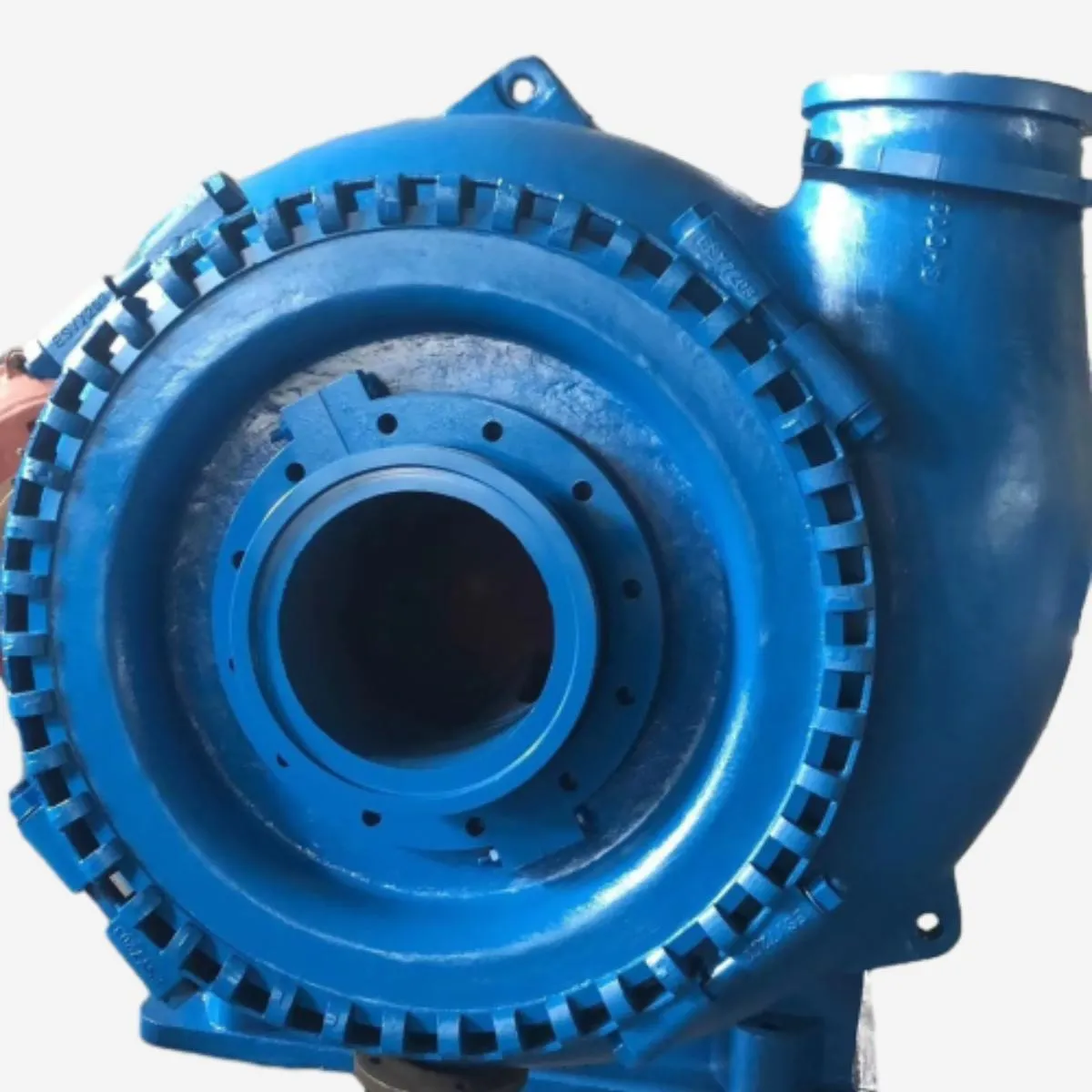
Slurry Pump Technical Specifications and Performance Analysis
Slurry pumps are specialized centrifugal pumps engineered to transport fluids containing high concentrations of suspended solid particles, ranging from abrasive mineral ores to corrosive chemical slurries. Within the industrial supply chain, slurry pump distributors serve as the critical technical bridge between precision manufacturers and heavy-industry end-users in mining, dredging, and wastewater treatment. The technical positioning of these pumps is defined by their ability to maintain hydraulic efficiency while resisting extreme erosive wear. Unlike standard water pumps, slurry pumps must manage non-Newtonian fluid behavior and high specific gravity, requiring a sophisticated integration of metallurgical science and fluid dynamics to prevent premature component failure and ensure operational continuity in harsh environments.
Material Science & Manufacturing
The longevity of a slurry pump is fundamentally dictated by the material science applied to its wetted parts. The primary challenge is "abrasive wear," where hard particles cause micro-cutting and plastic deformation of the pump surface. To counteract this, manufacturers employ high-chromium white irons (ASTM A532), which feature a martensitic matrix embedded with primary M7C3 carbides. These carbides provide the necessary hardness (typically 60-65 HRC) to resist abrasion, while the matrix provides the requisite structural toughness.
For highly corrosive environments, duplex stainless steels or specialized rubber linings are utilized. Natural rubber (NR) and Chlorobutyl rubber provide superior resilience against smaller, sharp particles by absorbing the kinetic energy of the impact rather than resisting it through hardness. The manufacturing process involves precision casting followed by rigorous heat treatment—specifically quenching and tempering—to optimize the carbide distribution and eliminate internal stresses. Furthermore, the impeller is often dynamically balanced to minimize vibration, which would otherwise accelerate bearing wear and lead to mechanical seal failure. Key parameter control during manufacturing focuses on the "hardness gradient" and "grain size" of the casting, ensuring that no soft spots exist where erosive "tunneling" could occur.
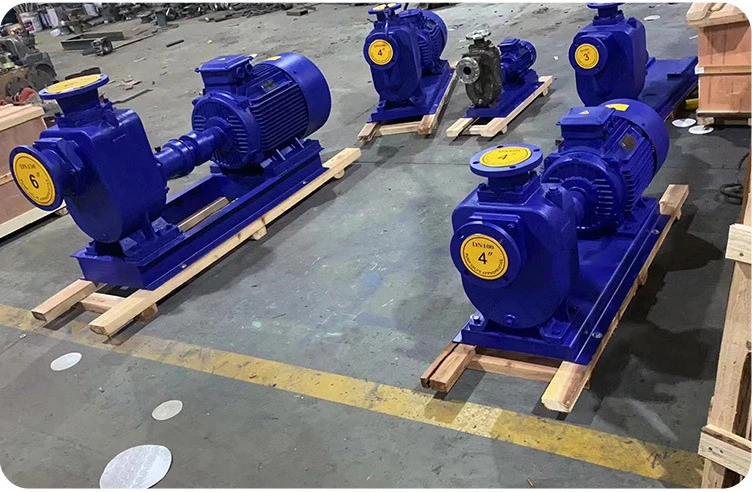
Performance & Engineering
Engineering a slurry pump requires a deep analysis of the fluid's rheological properties. The core engineering focus is the management of the "Critical Settling Velocity"—the minimum flow rate required to keep solids in suspension. If the velocity drops below this threshold, solids precipitate, leading to pipeline blockage and localized turbulence that accelerates impeller erosion. Force analysis in these systems must account for the increased density of the medium; a slurry with a specific gravity of 1.5 requires significantly higher torque and motor power than water, necessitating a robust shaft design to prevent torsional fatigue.
Environmental resistance is further managed through advanced sealing technologies. Expeller seals are frequently employed to create a centrifugal barrier, pushing the slurry away from the seal face and reducing the reliance on external flushing water. Compliance requirements often dictate that the pump must operate within strict NPSH (Net Positive Suction Head) margins to avoid cavitation. In slurry applications, cavitation is particularly destructive because the imploding bubbles remove the protective oxide layer of the metal, exposing fresh material to rapid abrasive wear, a phenomenon known as cavitation-erosion synergy.
Technical Specifications
| Material Composition | Hardness (HRC/Shore A) | Max Particle Size (mm) | Abrasion Resistance Index |
|---|---|---|---|
| High-Chrome Alloy (27% Cr) | 60 - 65 HRC | 15 - 30 mm | Ultra-High |
| High-Chrome Alloy (15% Cr) | 55 - 60 HRC | 10 - 20 mm | High |
| Natural Rubber Lining | 70 - 80 Shore A | 2 - 5 mm | Medium-High (Fine particles) |
| Duplex Stainless Steel | 25 - 35 HRC | 5 - 10 mm | Medium (Corrosive Slurries) |
| Hardened Cast Iron | 45 - 50 HRC | 5 - 15 mm | Medium |
| Ceramic Composite | >70 HRC | 1 - 5 mm | Extreme |
Failure Mode & Maintenance
Failure analysis in slurry pumps typically reveals three primary modes: erosive wear, cavitation damage, and mechanical seal leakage. Erosive wear manifests as "wall thinning" in the volute or "vane recession" in the impeller, leading to a significant drop in head and flow efficiency. This is often caused by operating the pump too far from its Best Efficiency Point (BEP), which creates internal recirculation and high-velocity eddies that concentrate wear in specific zones.
Fatigue cracking in the shaft is another critical failure mode, often stemming from misalignment or the impact of oversized solids (tramp material) entering the pump. Maintenance protocols must transition from reactive to predictive. This involves the use of vibration analysis to detect bearing degradation and ultrasonic thickness testing to monitor liner wear without dismantling the pump. Professional maintenance solutions include the implementation of "wear-liner replacement schedules" based on calculated wear rates (mm/1000 hours) and the use of precision laser alignment tools to ensure the coupling is within 0.05mm tolerance, thereby reducing radial loads on the bearings.
Industry FAQ
Q: How do we determine the correct material choice between high-chrome alloys and rubber linings?
A: The selection depends on the particle size and angularity. High-chrome alloys are superior for large, coarse, and highly abrasive particles that would cut through rubber. Rubber linings are preferred for fine, sandy slurries where the material's elasticity allows it to absorb impacts without permanent deformation.
Q: What is the impact of slurry viscosity on pump efficiency and power consumption?
A: Increased viscosity increases the friction losses within the pump casing and piping. This results in a decrease in the total head (H) and an increase in the Brake Horsepower (BHP) required to maintain the same flow rate, often requiring a larger motor to avoid overloading.
Q: How can we mitigate the effects of cavitation-erosion synergy in high-density slurries?
A: Mitigation involves increasing the suction head (NPSHa), reducing the fluid temperature to lower vapor pressure, and ensuring the pump is operated as close to its BEP as possible to eliminate localized low-pressure zones where vapor bubbles form.
Q: What are the signs that a slurry pump impeller is reaching the end of its service life?
A: The most prominent signs are a gradual increase in motor amperage (due to turbulence), a noticeable drop in discharge pressure for a given RPM, and increased vibration levels caused by the imbalance of an unevenly worn impeller.
Q: Why is dynamic balancing critical for the impellers supplied by distributors?
A: Because slurry pumps operate with heavy, abrasive media, any inherent imbalance is magnified by the density of the slurry. This creates cyclic radial forces that can lead to premature bearing failure and shaft deflection, significantly shortening the Mean Time Between Failures (MTBF).
Conclusion
The operational efficiency of slurry pumping systems is contingent upon the precise alignment of material science, hydraulic engineering, and rigorous maintenance protocols. By utilizing high-chromium alloys and specialized linings tailored to the specific abrasive characteristics of the medium, industrial operators can significantly mitigate the risks of erosive wear and cavitation. The technical role of the distributor is therefore not merely logistical, but an engineering consultancy that ensures the pump specification matches the rheological demands of the application.
Looking forward, the integration of IoT-based condition monitoring and the development of nano-composite liners promise to further extend the service life of these critical components. Ensuring compliance with international standards and adopting a predictive maintenance framework will allow industries to minimize unplanned downtime and optimize the total cost of ownership in the most demanding slurry transport environments.
-
Comprehensive Guide to Waterproof ORings for Optimal Sealing Solutions
News2026-06-09
-
basement bathroom pump systems Performance Analysis
News2026-06-24
-
basement bathroom ejector pump system Performance Engineering
News2026-06-24
-
2 hp sewage pump Performance Engineering
News2026-06-24
-
1 hp septic pump Performance Engineering
News2026-06-24
-
submersible effluent pump Performance Analysis
News2026-06-24
-
submergable pump Material Science
News2026-06-23
-
sewer injection pump Performance Engineering
News2026-06-23
-
Sewer Ejector Pump System Performance Analysis
News2026-06-23
-
septic tank pump for sale Performance Engineering
News2026-06-23
-
septic pump for sale Performance Engineering
News2026-06-23
-
septic ejector system Performance Analysis
News2026-06-22
-
replace septic pump Performance Analysis
News2026-06-22
-
pump system septic tank Performance Analysis
News2026-06-22
-
lift pump for sewer Performance and Engineering
News2026-06-22




