English
- Afrikaans
- Albanian
- Amharic
- Arabic
- Armenian
- Azerbaijani
- Basque
- Belarusian
- Bengali
- Bosnian
- Bulgarian
- Catalan
- Cebuano
- Corsican
- Croatian
- Czech
- Danish
- Dutch
- English
- Esperanto
- Estonian
- Finnish
- French
- Frisian
- Galician
- Georgian
- German
- Greek
- Gujarati
- Haitian Creole
- hausa
- hawaiian
- Hebrew
- Hindi
- Miao
- Hungarian
- Icelandic
- igbo
- Indonesian
- irish
- Italian
- Japanese
- Javanese
- Kannada
- kazakh
- Khmer
- Rwandese
- Korean
- Kurdish
- Kyrgyz
- Lao
- Latin
- Latvian
- Lithuanian
- Luxembourgish
- Macedonian
- Malgashi
- Malay
- Malayalam
- Maltese
- Maori
- Marathi
- Mongolian
- Myanmar
- Nepali
- Norwegian
- Norwegian
- Occitan
- Pashto
- Persian
- Polish
- Portuguese
- Punjabi
- Romanian
- Russian
- Samoan
- Scottish Gaelic
- Serbian
- Sesotho
- Shona
- Sindhi
- Sinhala
- Slovak
- Slovenian
- Somali
- Spanish
- Sundanese
- Swahili
- Swedish
- Tagalog
- Tajik
- Tamil
- Tatar
- Telugu
- Thai
- Turkish
- Turkmen
- Ukrainian
- Urdu
- Uighur
- Uzbek
- Vietnamese
- Welsh
- Bantu
- Yiddish
- Yoruba
- Zulu

Telephone: +86 13120555503
Email: frank@cypump.com


Apr . 01, 2024 17:55 Back to list
Slurry Pump Cover Plate Liner Performance Analysis
Introduction
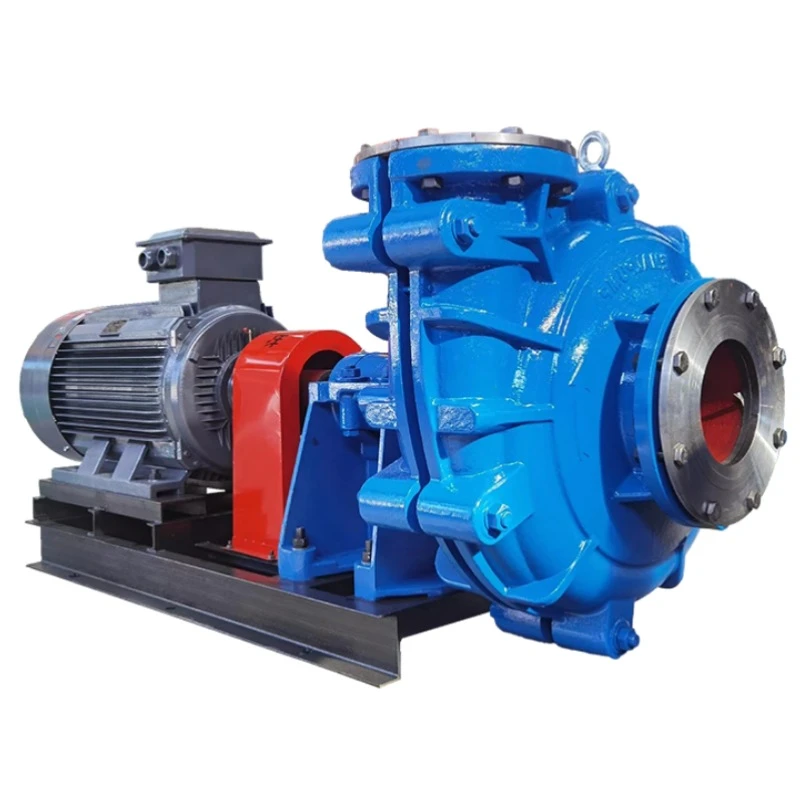
Slurry pump cover plate liners are critical wear components employed in the mining, mineral processing, dredging, and wastewater treatment industries. Their primary function is to protect the pump casing from the abrasive and corrosive effects of slurries – mixtures of liquids carrying solid particles. These liners are typically installed on the cover plate, volute casing, and sometimes the impeller housing. The selection of liner material significantly impacts pump life, efficiency, and overall operational cost. Modern slurry pump designs rely heavily on the precise fit and material properties of these liners to maintain hydraulic performance and minimize downtime. This guide provides a comprehensive technical overview of slurry pump cover plate liners, covering material science, manufacturing processes, performance characteristics, failure modes, and relevant industry standards.
Material Science & Manufacturing
The efficacy of a slurry pump cover plate liner is fundamentally tied to its material composition and the manufacturing process employed. Common materials include high-chromium cast iron (typically 27-30% Cr), rubber (natural rubber, synthetic rubber like EPDM, and polyurethane), ceramic materials (alumina, silicon carbide), and specialized alloys. High-chromium cast iron offers excellent abrasion resistance due to the formation of hard chromium carbides within the matrix. Rubber liners excel in applications involving impact and noise reduction, offering superior resilience. Ceramic liners provide exceptional corrosion resistance, particularly in aggressive chemical environments. Alloy materials, often incorporating nickel and molybdenum, are utilized for a balance of strength, corrosion resistance, and wear properties.
Manufacturing processes vary depending on the liner material. Cast iron liners are produced using sand casting, often employing techniques like lost-foam casting to achieve complex geometries. The cooling rate during casting is critical to controlling microstructure and carbide distribution. Rubber liners are typically manufactured through vulcanization, where rubber compounds are molded and cured under heat and pressure. The durometer (hardness) of the rubber is carefully controlled to match the slurry’s characteristics. Ceramic liners are often produced via sintering, a process where powder materials are compacted and heated to high temperatures to create a dense, solid form. Dimensional accuracy and surface finish are critical for ceramic liners to ensure a proper fit within the pump casing. Manufacturing tolerances are typically held to +/- 0.5mm for cast iron and ceramic liners, and +/- 1mm for rubber liners. Parameter control during manufacturing includes chemical composition verification via spectroscopy, hardness testing using Rockwell or Brinell scales, and non-destructive testing (NDT) such as radiographic inspection to detect internal flaws.
Performance & Engineering
The performance of slurry pump cover plate liners is directly linked to their ability to withstand the combined effects of abrasion, erosion, corrosion, and impact. Abrasion resistance is governed by the material’s hardness and microstructure; harder materials generally offer better resistance to particle wear. Erosion resistance is influenced by the slurry’s velocity and angle of impact. Corrosion resistance depends on the material’s chemical compatibility with the slurry’s constituents – pH, salt concentration, and the presence of oxidizing agents. Impact resistance is crucial in applications where large particles or sudden pressure fluctuations are present.
Engineering considerations involve force analysis to predict stress distribution within the liner during operation. Finite element analysis (FEA) is often employed to model the stresses induced by slurry flow and pressure. Environmental resistance factors are also paramount; liners must maintain their integrity in varying temperatures and exposure to harsh chemicals. Compliance requirements, such as those outlined by API 610 for centrifugal pumps, dictate minimum material standards and testing procedures. The liner’s geometry plays a crucial role in maintaining pump efficiency. A smooth, well-fitted liner minimizes turbulence and reduces energy losses. The liner’s thickness is optimized to provide adequate wear allowance without excessively restricting the pump’s flow passage. Proper liner installation, with appropriate sealing compounds, is essential to prevent slurry leakage and maintain hydraulic performance.
Technical Specifications
| Material | Hardness (Rockwell C) | Abrasion Resistance (Taber Abrasion Index, loss in grams) | Corrosion Resistance (Weight Loss in 1% HCl, mg/cm²) |
|---|---|---|---|
| High-Chromium Cast Iron (27% Cr) | 60-65 | 50-80 | 1.0-2.0 |
| Natural Rubber | 40-60 (Shore A) | 150-250 | 5.0-10.0 |
| Alumina Ceramic | 90+ | 10-20 | 0.1-0.5 |
| Polyurethane Rubber | 70-90 (Shore A) | 80-150 | 2.0-4.0 |
| Nickel-Hardened Cast Iron | 65-70 | 40-70 | 0.5-1.5 |
| Silicon Carbide Ceramic | 95+ | 5-15 | 0.05-0.3 |
Failure Mode & Maintenance
Slurry pump cover plate liners are susceptible to several failure modes. Abrasion is the most common, leading to gradual material loss and reduced liner thickness. Erosion can cause localized pitting and channeling, particularly in areas of high slurry velocity. Corrosion results in material degradation and weakening, especially in acidic or alkaline environments. Impact damage can cause cracking or fracture, particularly from large particles. Fatigue cracking can occur due to cyclic loading and stress concentrations. Delamination is a concern for rubber liners, where the rubber layer can separate from the bonding adhesive. Oxidation, especially at elevated temperatures, can affect the mechanical properties of certain alloys.
Preventive maintenance is critical. Regular inspection, typically every 3-6 months, should assess liner thickness, surface condition, and evidence of cracking or corrosion. Non-destructive testing (NDT) methods, such as ultrasonic testing (UT) and dye penetrant inspection (DPI), can detect internal flaws. Liner replacement should be performed when the remaining thickness reaches a predetermined minimum value (typically 50% of the original thickness). Proper slurry selection and control, minimizing particle size and concentration, can significantly extend liner life. Regular pump monitoring, including flow rate, pressure, and vibration analysis, can identify potential issues before they lead to liner failure. A robust maintenance program should include detailed records of liner performance and replacement intervals to optimize future selections.
Industry FAQ
Q: What is the primary benefit of using a ceramic liner over a high-chromium cast iron liner?
A: While high-chromium cast iron provides excellent abrasion resistance, ceramic liners offer significantly superior corrosion resistance, especially in highly acidic or alkaline slurries. This translates to a longer service life in corrosive environments, reducing downtime and maintenance costs. However, ceramic liners are generally more brittle and less tolerant of impact.
Q: How does the durometer of a rubber liner affect its performance?
A: The durometer, measured on the Shore A scale, indicates the rubber’s hardness. A lower durometer (softer rubber) provides better impact resistance and noise reduction, but lower abrasion resistance. A higher durometer (harder rubber) offers improved abrasion resistance but reduced impact resistance. Selecting the appropriate durometer depends on the specific slurry composition and operating conditions.
Q: What is the role of the bonding agent when installing rubber liners?
A: The bonding agent is critical for establishing a secure adhesion between the rubber liner and the pump casing. A properly applied bonding agent ensures that the liner remains firmly in place during operation, preventing slurry leakage and maintaining hydraulic performance. Improper bonding can lead to delamination and premature liner failure.
Q: How can I determine the appropriate liner thickness for my application?
A: Liner thickness depends on the slurry’s abrasiveness, velocity, and operating temperature. A thicker liner provides a longer service life but can reduce the pump’s flow passage area, potentially impacting efficiency. Consulting with pump manufacturers and conducting a wear rate analysis based on historical data can help determine the optimal liner thickness.
Q: What non-destructive testing methods are commonly used to assess liner condition?
A: Ultrasonic testing (UT) is used to measure liner thickness and detect internal cracks. Dye penetrant inspection (DPI) is effective for identifying surface cracks. Radiographic inspection (X-ray) can reveal internal flaws, but is typically reserved for critical applications due to cost and safety considerations. Visual inspection, although basic, is essential for identifying signs of wear, corrosion, and damage.
Conclusion
Slurry pump cover plate liners are indispensable components in maintaining the reliability and efficiency of slurry pumping systems. The selection of the appropriate liner material – whether high-chromium cast iron, rubber, ceramic, or specialized alloy – is paramount, dictated by the slurry’s abrasive characteristics, chemical composition, and operating conditions. A thorough understanding of material science, manufacturing processes, and potential failure modes is essential for maximizing liner life and minimizing operational costs.
Future advancements in liner technology are focused on developing materials with enhanced wear resistance, corrosion resistance, and impact strength. Innovations in coating technologies, such as HVOF (High-Velocity Oxygen Fuel) and plasma spraying, offer the potential to create liners with tailored surface properties. Furthermore, the integration of smart sensors and predictive maintenance algorithms will enable more proactive liner management, optimizing replacement schedules and preventing costly unscheduled downtime. A holistic approach encompassing material selection, proper installation, and rigorous maintenance will remain critical for ensuring the long-term performance of slurry pump cover plate liners.
-
Comprehensive Guide to Waterproof ORings for Optimal Sealing Solutions
News2026-06-09
-
best ejector pump for basement bathroom Material Science Manufacturing
News2026-06-28
-
bathroom ejector pump system Material Science Manufacturing
News2026-06-28
-
bathroom ejector pump Performance and Engineering
News2026-06-28
-
basement toilet ejector pump Performance Analysis
News2026-06-28
-
Septic Tank Pump Technology Analysis
News2026-06-28
-
Waste Tank Pump Performance Analysis
News2026-06-27
-
Sewer System Pump Out Material Science
News2026-06-27
-
Sewer Ejector Pit Performance Analysis
News2026-06-27
-
septic tank pumps for sale Performance Engineering
News2026-06-27
-
septic system with lift pump Performance Engineering
News2026-06-27
-
septic system sump pump Performance Analysis
News2026-06-26
-
septic pump company Performance Analysis
News2026-06-26
-
pumps water treatment Performance Analysis
News2026-06-26
-
pumps for septic tanks Material Science and Manufacturing
News2026-06-26




