English
- Afrikaans
- Albanian
- Amharic
- Arabic
- Armenian
- Azerbaijani
- Basque
- Belarusian
- Bengali
- Bosnian
- Bulgarian
- Catalan
- Cebuano
- Corsican
- Croatian
- Czech
- Danish
- Dutch
- English
- Esperanto
- Estonian
- Finnish
- French
- Frisian
- Galician
- Georgian
- German
- Greek
- Gujarati
- Haitian Creole
- hausa
- hawaiian
- Hebrew
- Hindi
- Miao
- Hungarian
- Icelandic
- igbo
- Indonesian
- irish
- Italian
- Japanese
- Javanese
- Kannada
- kazakh
- Khmer
- Rwandese
- Korean
- Kurdish
- Kyrgyz
- Lao
- Latin
- Latvian
- Lithuanian
- Luxembourgish
- Macedonian
- Malgashi
- Malay
- Malayalam
- Maltese
- Maori
- Marathi
- Mongolian
- Myanmar
- Nepali
- Norwegian
- Norwegian
- Occitan
- Pashto
- Persian
- Polish
- Portuguese
- Punjabi
- Romanian
- Russian
- Samoan
- Scottish Gaelic
- Serbian
- Sesotho
- Shona
- Sindhi
- Sinhala
- Slovak
- Slovenian
- Somali
- Spanish
- Sundanese
- Swahili
- Swedish
- Tagalog
- Tajik
- Tamil
- Tatar
- Telugu
- Thai
- Turkish
- Turkmen
- Ukrainian
- Urdu
- Uighur
- Uzbek
- Vietnamese
- Welsh
- Bantu
- Yiddish
- Yoruba
- Zulu

Telephone: +86 13120555503
Email: frank@cypump.com


Apr . 01, 2024 17:55 Back to list
slurry pump closed impeller Performance Analysis
Introduction
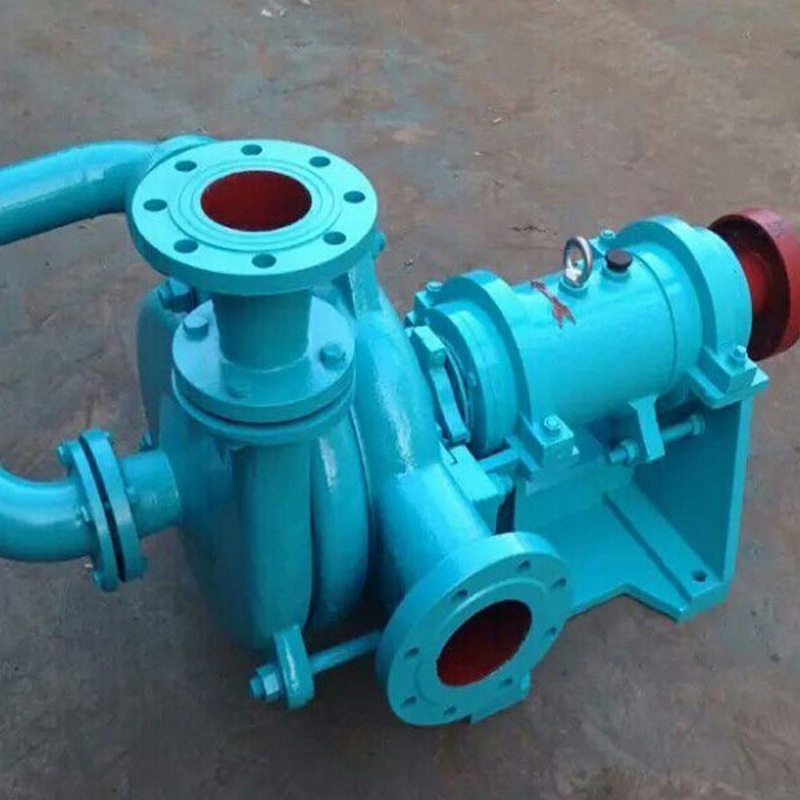
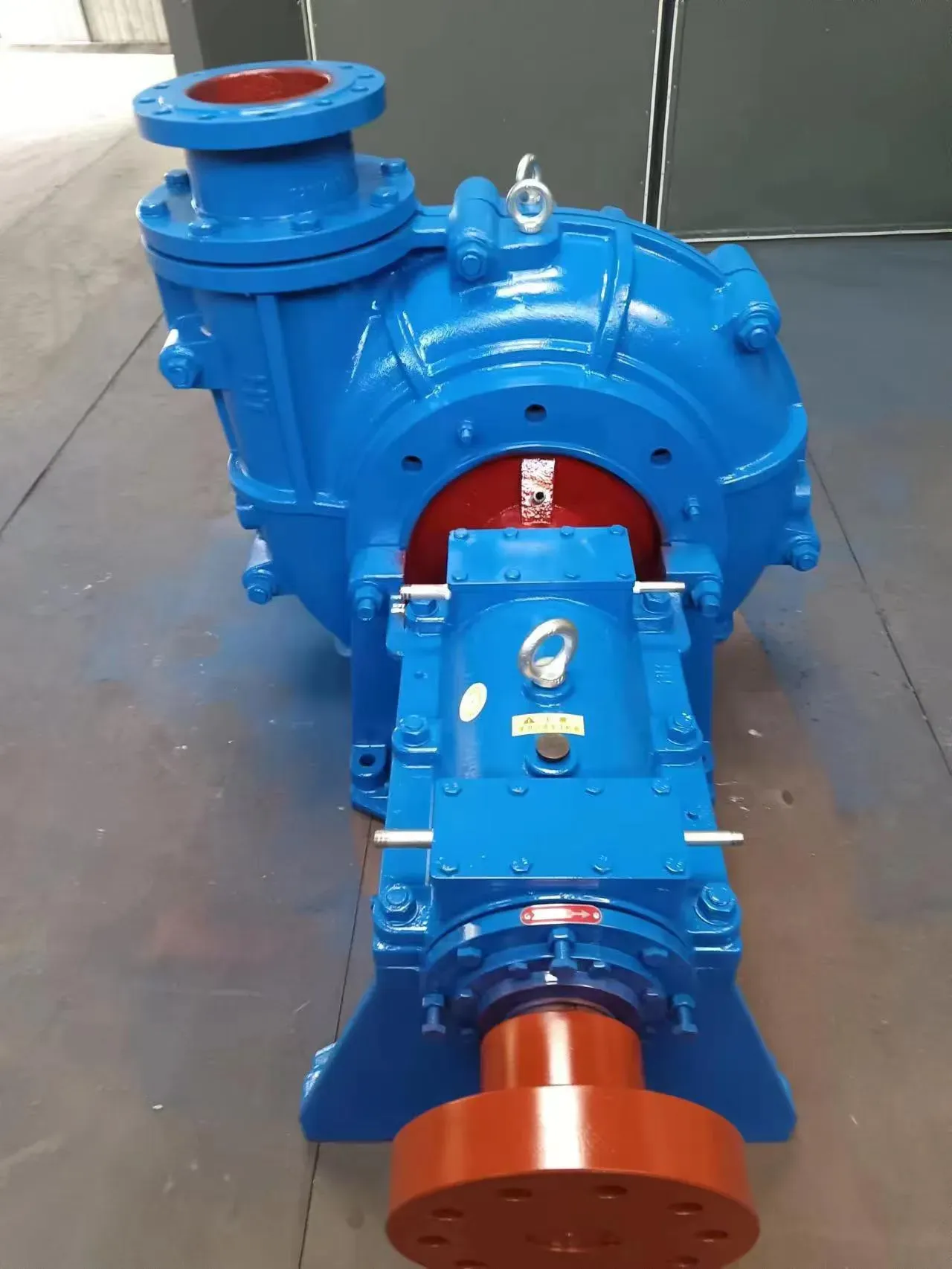
Slurry pump closed impellers are critical components in the conveyance of abrasive and corrosive fluids across a broad spectrum of industrial applications. These impellers, utilized within centrifugal pumps, are specifically designed for handling mixtures containing solids, typical in mining, wastewater treatment, chemical processing, and dredging. Unlike open or semi-open impellers, the closed impeller design features shrouds on both sides, encapsulating the vanes. This configuration enhances hydraulic efficiency and is better suited for handling fluids with lower solids content and minimizing wear on the impeller and pump casing. Performance characteristics, material selection, and manufacturing precision directly impact pump longevity, operational efficiency, and overall system reliability. This guide provides a comprehensive technical overview of slurry pump closed impellers, covering material science, manufacturing processes, performance engineering, failure modes, and relevant industry standards.
Material Science & Manufacturing
The performance and longevity of a slurry pump closed impeller are fundamentally tied to the materials used in its construction and the manufacturing processes employed. Common materials include high-chrome cast iron (ASTM A532 Grade 1 Class 30), stainless steel (304, 316, duplex stainless steels), and specialized alloys like high-silicon cast iron. High-chrome cast iron offers excellent abrasion resistance due to the formation of hard chromium carbides during the casting process. Stainless steels provide superior corrosion resistance, particularly crucial in handling aggressive chemical slurries. Duplex stainless steels combine both high strength and corrosion resistance. Manufacturing typically involves investment casting, sand casting, or centrifugal casting, followed by machining and heat treatment. Investment casting offers the highest dimensional accuracy and surface finish, vital for maintaining hydraulic efficiency. Sand casting is more cost-effective for larger impellers. Centrifugal casting is employed for producing hollow, cylindrical shapes with minimal porosity. Key manufacturing parameter controls include wall thickness uniformity, vane angle precision, surface roughness, and hardness. Post-casting heat treatment is critical for relieving residual stresses and optimizing material properties. Welding, if used for repair or fabrication of complex geometries, necessitates strict adherence to welding procedures (AWS D1.1) and post-weld heat treatment to prevent cracking and maintain material integrity. Hardness testing (Brinell, Vickers) and non-destructive testing (NDT) like radiography and ultrasonic testing are crucial for quality control.
Performance & Engineering
The performance of a slurry pump closed impeller is heavily influenced by hydraulic design and operational parameters. Key engineering considerations include impeller diameter, vane number, vane angle, and shroud geometry. Vane angle directly impacts the head and flow rate characteristics of the pump. A larger vane angle generally results in higher head but lower flow rate. Impeller diameter dictates the pump’s capacity and head. Force analysis, including centrifugal forces, hydraulic loads, and particle impact forces, is critical for ensuring structural integrity. Finite Element Analysis (FEA) is commonly employed to predict stress distributions and identify potential failure points. Environmental resistance is a crucial factor, particularly concerning erosion, corrosion, and cavitation. Erosion resistance is enhanced by selecting abrasion-resistant materials and optimizing impeller geometry to minimize particle impact velocity. Corrosion resistance is addressed through material selection and the application of protective coatings (e.g., epoxy, rubber linings). Cavitation, caused by vapor pressure fluctuations, can lead to impeller damage. Proper Net Positive Suction Head Required (NPSHr) calculations and pump operation within the specified NPSH margin are essential to prevent cavitation. Compliance with industry standards such as ISO 9906 (Rotary Pumps) and Hydraulic Institute standards ensures consistent performance and reliability.
Technical Specifications
| Impeller Diameter (mm) | Number of Vanes | Maximum Solids Handling Size (mm) | Maximum Operating Pressure (Bar) |
|---|---|---|---|
| 100 | 6 | 10 | 16 |
| 150 | 5 | 25 | 25 |
| 200 | 7 | 50 | 35 |
| 250 | 6 | 75 | 40 |
| 300 | 8 | 100 | 50 |
| 400 | 7 | 150 | 60 |
Failure Mode & Maintenance
Slurry pump closed impellers are susceptible to several failure modes in demanding applications. Fatigue cracking, induced by cyclic loading, is a common issue, particularly around the vane roots and shroud edges. Erosion, caused by abrasive particle impact, leads to material loss and changes in impeller geometry, reducing pump efficiency. Corrosion, resulting from chemical attack, weakens the impeller material and can lead to pitting and cracking. Cavitation erosion damages the impeller surface due to imploding vapor bubbles. Improper impeller balancing can cause excessive vibration and premature failure. Maintenance strategies include regular visual inspections for wear and corrosion, vibration analysis to detect imbalance, and non-destructive testing (NDT) to identify cracks. Impeller replacement is often necessary when wear exceeds acceptable limits. Protective coatings can extend impeller life by providing a barrier against erosion and corrosion. Proper pump operation, including maintaining appropriate flow rates and avoiding dry running, is crucial for preventing premature failure. Periodic impeller re-balancing ensures smooth operation and minimizes stress. Detailed failure analysis, including metallographic examination and fracture surface analysis, is essential for identifying the root cause of failures and implementing preventative measures.
Industry FAQ
Q: What material is best suited for handling highly abrasive slurries containing silica?
A: For highly abrasive slurries containing silica, high-chrome cast iron is generally the most cost-effective solution. The high chromium content forms hard carbides that resist abrasion. However, for extreme abrasion and impact, consider a specialized alloy like tungsten carbide impregnated iron, although this comes at a significantly higher cost.
Q: How does the impeller shroud affect pump efficiency?
A: The impeller shroud minimizes recirculation losses and directs the flow more efficiently, leading to higher pump efficiency compared to open or semi-open impellers. Shroud geometry and clearance are critical; improper clearance can lead to increased leakage and reduced performance.
Q: What are the key indicators of cavitation in a slurry pump?
A: Common indicators of cavitation include a rattling or knocking sound within the pump, reduced pump performance, and visible damage to the impeller surface (pitting and erosion). Monitoring NPSH available and ensuring it exceeds the NPSHr is vital for prevention.
Q: What is the recommended maintenance schedule for a slurry pump closed impeller?
A: A recommended maintenance schedule includes visual inspections every 3-6 months, vibration analysis quarterly, and NDT (radiography or ultrasonic testing) annually, or after a significant operational event. Impeller replacement should be considered based on wear measurements and performance degradation.
Q: What role does impeller balancing play in extending pump life?
A: Proper impeller balancing is crucial for minimizing vibration and stress on pump bearings and the impeller itself. Imbalance leads to premature bearing failure, shaft fatigue, and potential impeller damage. Regular balancing extends pump life and reduces maintenance costs.
Conclusion
Slurry pump closed impellers represent a robust and efficient solution for handling abrasive and corrosive fluids. Successful implementation hinges on a thorough understanding of material science principles, precise manufacturing controls, and diligent attention to performance engineering. Selecting the appropriate material based on the slurry composition, coupled with regular inspection and proactive maintenance, is paramount for maximizing impeller lifespan and ensuring reliable pump operation.
Future advancements will likely focus on developing more wear-resistant materials, optimizing impeller designs through advanced computational fluid dynamics (CFD) modeling, and implementing predictive maintenance strategies using sensor data and machine learning algorithms. These innovations will further enhance the performance and reliability of slurry pump closed impellers in demanding industrial environments.
-
Comprehensive Guide to Waterproof ORings for Optimal Sealing Solutions
News2026-06-09
-
Waste Tank Pump Performance Analysis
News2026-06-27
-
Sewer System Pump Out Material Science
News2026-06-27
-
Sewer Ejector Pit Performance Analysis
News2026-06-27
-
septic tank pumps for sale Performance Engineering
News2026-06-27
-
septic system with lift pump Performance Engineering
News2026-06-27
-
septic system sump pump Performance Analysis
News2026-06-26
-
septic pump company Performance Analysis
News2026-06-26
-
pumps water treatment Performance Analysis
News2026-06-26
-
pumps for septic tanks Material Science and Manufacturing
News2026-06-26
-
pump for septic system Material Science Manufacturing
News2026-06-26
-
heavy duty submersible pump Performance Analysis
News2026-06-25
-
best submersible pump for septic tank Performance Analysis
News2026-06-25
-
basement sewer ejector pump Performance Analysis
News2026-06-25
-
basement pumps ejector pumps Performance Analysis
News2026-06-25




