English
- Afrikaans
- Albanian
- Amharic
- Arabic
- Armenian
- Azerbaijani
- Basque
- Belarusian
- Bengali
- Bosnian
- Bulgarian
- Catalan
- Cebuano
- Corsican
- Croatian
- Czech
- Danish
- Dutch
- English
- Esperanto
- Estonian
- Finnish
- French
- Frisian
- Galician
- Georgian
- German
- Greek
- Gujarati
- Haitian Creole
- hausa
- hawaiian
- Hebrew
- Hindi
- Miao
- Hungarian
- Icelandic
- igbo
- Indonesian
- irish
- Italian
- Japanese
- Javanese
- Kannada
- kazakh
- Khmer
- Rwandese
- Korean
- Kurdish
- Kyrgyz
- Lao
- Latin
- Latvian
- Lithuanian
- Luxembourgish
- Macedonian
- Malgashi
- Malay
- Malayalam
- Maltese
- Maori
- Marathi
- Mongolian
- Myanmar
- Nepali
- Norwegian
- Norwegian
- Occitan
- Pashto
- Persian
- Polish
- Portuguese
- Punjabi
- Romanian
- Russian
- Samoan
- Scottish Gaelic
- Serbian
- Sesotho
- Shona
- Sindhi
- Sinhala
- Slovak
- Slovenian
- Somali
- Spanish
- Sundanese
- Swahili
- Swedish
- Tagalog
- Tajik
- Tamil
- Tatar
- Telugu
- Thai
- Turkish
- Turkmen
- Ukrainian
- Urdu
- Uighur
- Uzbek
- Vietnamese
- Welsh
- Bantu
- Yiddish
- Yoruba
- Zulu

Telephone: +86 13120555503
Email: frank@cypump.com


Apr . 01, 2024 17:55 Back to list
slurry pump centrifugal Performance Analysis
Introduction
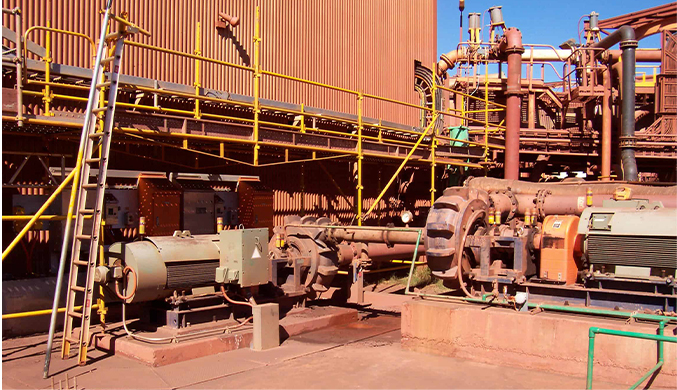
Slurry pump centrifugal pumps are engineered for the challenging task of transporting abrasive, erosive, and corrosive slurries. They represent a critical component in numerous industrial processes, including mining, wastewater treatment, chemical processing, and dredging. Unlike clear fluid pumps, slurry pumps must contend with solid particle concentration, varying particle sizes, and the inherent wear these substances inflict on pump components. Their technical position lies in providing reliable and efficient fluid conveyance in applications where traditional pumps would rapidly degrade and fail. Core performance characteristics revolve around flow rate, head (pressure), solids handling capability, and resistance to abrasion and corrosion. Achieving optimal performance necessitates careful material selection and hydraulic design tailored to the specific slurry composition.
Material Science & Manufacturing
The performance and longevity of a slurry pump centrifugal are fundamentally linked to the materials employed in its construction. Common materials include high-chrome cast irons (for abrasion resistance), various stainless steels (for corrosion resistance – 304, 316, duplex stainless steels are typical choices), and specialized polymers like polyurethane and rubber linings (for extreme abrasion and chemical resistance). The impeller and volute casing, the core hydraulic components, are often manufactured from these materials. Manufacturing processes vary depending on the component and material. Impellers are frequently cast, utilizing techniques like sand casting or investment casting to achieve complex geometries. Volute casings can be cast, fabricated from steel plates and welded, or, in some cases, centrifugally cast for superior structural integrity. Key parameter control during manufacturing focuses on material composition verification via spectroscopy, heat treatment to achieve desired hardness and microstructure, and dimensional accuracy ensured through precision machining and quality control checks. Welding processes (SMAW, GTAW, FCAW) require strict adherence to welding procedures and qualified welders to prevent defects and ensure weld integrity. Surface coatings, such as tungsten carbide or ceramic overlays, are also applied to critical wear areas to further enhance abrasion resistance. Understanding the slurry’s chemical composition is paramount, guiding material selection to prevent galvanic corrosion and ensure compatibility.
Performance & Engineering
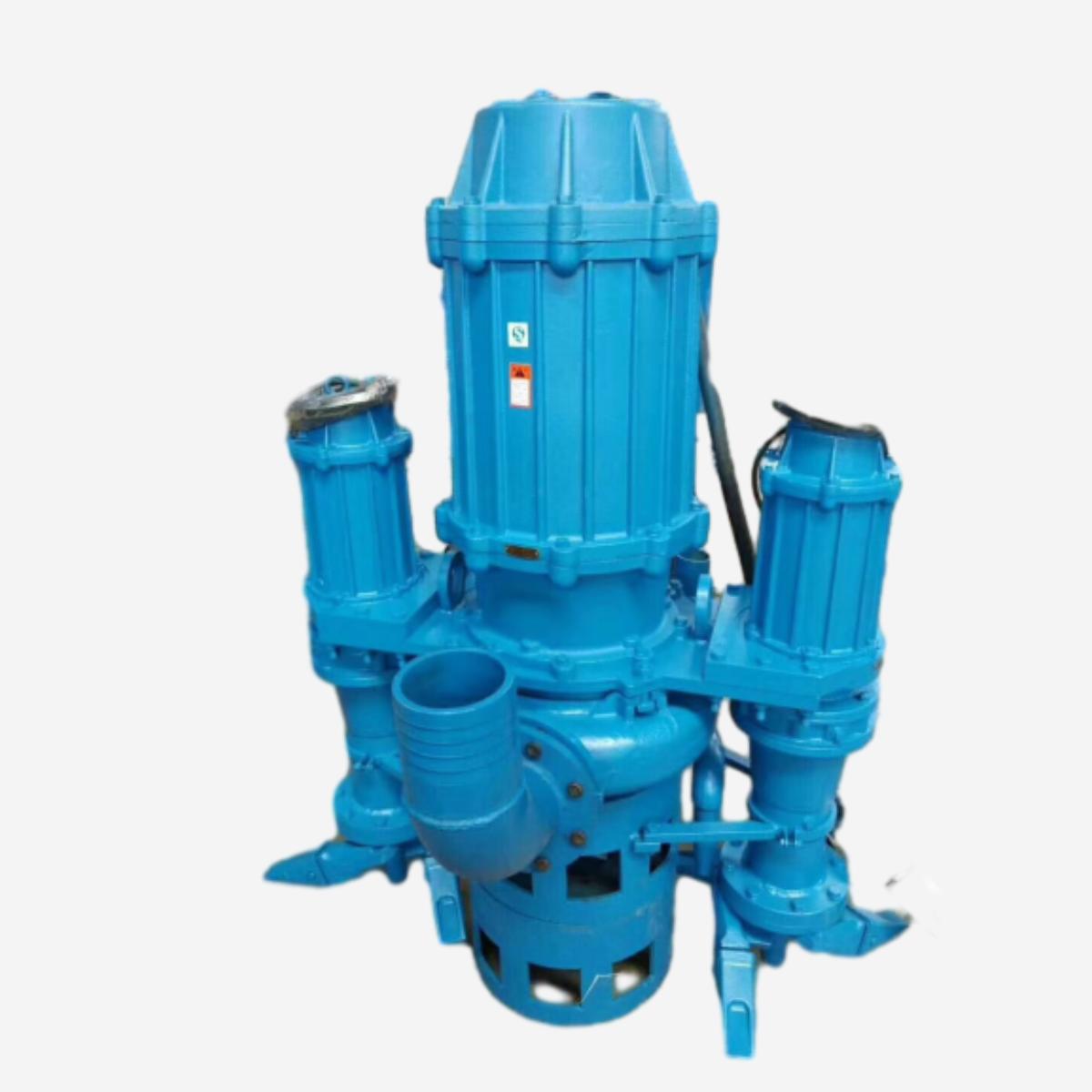
The performance of a slurry pump centrifugal is dictated by hydraulic principles and engineering considerations aimed at maximizing efficiency and minimizing wear. Force analysis centers around the impeller's interaction with the slurry, generating centrifugal force to increase fluid velocity and pressure. Cavitation, a critical concern, arises when the liquid pressure drops below its vapor pressure, forming bubbles that collapse and damage the impeller. Preventing cavitation necessitates careful pump selection, ensuring adequate Net Positive Suction Head Available (NPSHA) exceeds the Net Positive Suction Head Required (NPSHR). Environmental resistance is crucial; pumps operating outdoors require robust seals and protective coatings to withstand weather elements and potential temperature fluctuations. Compliance requirements vary by industry and region. For example, pumps used in food processing must meet 3-A Sanitary Standards, while those used in explosive atmospheres require ATEX or IECEx certification. Functional implementation involves selecting the appropriate impeller type (closed, semi-open, or open) based on solids concentration and size. A closed impeller is suitable for low-solids slurries, while open or semi-open impellers are better suited for handling larger solids and preventing clogging. Proper pump alignment and pipe support are also essential to minimize vibration and prevent premature bearing failure. Hydraulic modelling and computational fluid dynamics (CFD) are extensively used during the design phase to optimize impeller geometry and volute casing shape for maximum efficiency and solids handling capability.
Technical Specifications
| Parameter | Unit | Typical Range (Small Pump) | Typical Range (Large Pump) |
|---|---|---|---|
| Flow Rate | m³/hr | 5 - 50 | 200 - 1000 |
| Head | m | 10 - 30 | 50 - 150 |
| Solids Handling Size | mm | Up to 25 | Up to 100 |
| Solids Concentration (by weight) | % | Up to 20 | Up to 60 |
| Power | kW | 1.5 - 7.5 | 30 - 200 |
| Impeller Material | - | High Chrome Iron | Duplex Stainless Steel |
Failure Mode & Maintenance
Slurry pump centrifugal pumps are susceptible to several failure modes. Fatigue cracking occurs in the impeller and volute due to repeated stress from abrasive particles. Erosion, a primary concern, leads to material loss, particularly on the leading edges of the impeller vanes and the inside of the volute. Delamination results from the separation of protective coatings due to insufficient adhesion or impact damage. Corrosion, especially in acidic or alkaline slurries, weakens the pump components. Oxidation can affect the mechanical properties of certain materials over time. Bearing failure, often caused by misalignment, improper lubrication, or excessive vibration, is also common. Maintenance strategies include regular visual inspections for wear and corrosion, vibration analysis to detect imbalances, and oil analysis to monitor bearing condition. Preventive maintenance tasks involve impeller and volute replacement (scheduled based on wear rates), seal replacement, and lubrication. Corrective maintenance focuses on addressing specific failures, such as repairing or replacing damaged bearings or patching eroded areas. Implementing a robust preventative maintenance program, combined with detailed record-keeping of pump performance and maintenance history, is crucial for maximizing pump life and minimizing downtime. Regularly checking for and addressing cavitation issues is also essential for preventing impeller damage.
Industry FAQ
Q: What are the key considerations when selecting a slurry pump for a highly abrasive application?
A: The primary considerations are the slurry's particle size distribution, particle hardness, solids concentration, and flow rate. Selecting a pump with a high-chrome iron impeller, a robust casing material, and a design optimized for abrasive slurries is critical. Consider a pump with replaceable wear parts to minimize downtime. Also, carefully evaluate the NPSH requirements to prevent cavitation.
Q: How does the impeller type impact the pump's performance with different slurry compositions?
A: Closed impellers are most efficient with low-solids, less abrasive slurries. Semi-open impellers handle moderate solids concentrations and some abrasive materials. Open impellers are best for high-solids, highly abrasive slurries and prevent clogging, but generally have lower efficiency.
Q: What are the common causes of pump cavitation in slurry applications, and how can it be prevented?
A: Cavitation occurs when the slurry pressure drops below its vapor pressure. Common causes include insufficient NPSH, high slurry velocity, and restricted suction lines. Prevention involves ensuring adequate NPSHA, optimizing pump speed, and using larger diameter suction piping.
Q: What maintenance procedures are essential for prolonging the life of a slurry pump?
A: Essential maintenance includes regular inspections for wear, vibration analysis, oil analysis, lubrication, seal replacement, and scheduled impeller and volute replacement. Keeping detailed maintenance records is crucial for tracking wear patterns and predicting future failures.
Q: What is the role of surface coatings in enhancing the performance of slurry pumps?
A: Surface coatings, such as tungsten carbide or ceramic overlays, significantly improve abrasion and corrosion resistance. They act as a sacrificial layer, protecting the underlying material from wear and extending the pump’s service life. The choice of coating depends on the specific slurry composition and abrasion mechanism.
Conclusion
Slurry pump centrifugal pumps are specialized machines requiring a thorough understanding of material science, hydraulic principles, and operational considerations. Selecting the right pump for a specific slurry application is paramount to ensure reliable performance, minimize downtime, and maximize operational efficiency. Proper maintenance, informed by a clear understanding of potential failure modes, is equally crucial for extending pump life and reducing total cost of ownership.
Future advancements in slurry pump technology will likely focus on developing more abrasion and corrosion-resistant materials, optimizing impeller designs for improved efficiency and solids handling, and incorporating smart sensors and predictive maintenance algorithms to further enhance reliability and minimize operational costs. A holistic approach, encompassing pump selection, installation, operation, and maintenance, is essential for achieving optimal results in challenging slurry applications.
-
Comprehensive Guide to Waterproof ORings for Optimal Sealing Solutions
News2026-06-09
-
Waste Tank Pump Performance Analysis
News2026-06-27
-
Sewer System Pump Out Material Science
News2026-06-27
-
Sewer Ejector Pit Performance Analysis
News2026-06-27
-
septic tank pumps for sale Performance Engineering
News2026-06-27
-
septic system with lift pump Performance Engineering
News2026-06-27
-
septic system sump pump Performance Analysis
News2026-06-26
-
septic pump company Performance Analysis
News2026-06-26
-
pumps water treatment Performance Analysis
News2026-06-26
-
pumps for septic tanks Material Science and Manufacturing
News2026-06-26
-
pump for septic system Material Science Manufacturing
News2026-06-26
-
heavy duty submersible pump Performance Analysis
News2026-06-25
-
best submersible pump for septic tank Performance Analysis
News2026-06-25
-
basement sewer ejector pump Performance Analysis
News2026-06-25
-
basement pumps ejector pumps Performance Analysis
News2026-06-25




