English
- Afrikaans
- Albanian
- Amharic
- Arabic
- Armenian
- Azerbaijani
- Basque
- Belarusian
- Bengali
- Bosnian
- Bulgarian
- Catalan
- Cebuano
- Corsican
- Croatian
- Czech
- Danish
- Dutch
- English
- Esperanto
- Estonian
- Finnish
- French
- Frisian
- Galician
- Georgian
- German
- Greek
- Gujarati
- Haitian Creole
- hausa
- hawaiian
- Hebrew
- Hindi
- Miao
- Hungarian
- Icelandic
- igbo
- Indonesian
- irish
- Italian
- Japanese
- Javanese
- Kannada
- kazakh
- Khmer
- Rwandese
- Korean
- Kurdish
- Kyrgyz
- Lao
- Latin
- Latvian
- Lithuanian
- Luxembourgish
- Macedonian
- Malgashi
- Malay
- Malayalam
- Maltese
- Maori
- Marathi
- Mongolian
- Myanmar
- Nepali
- Norwegian
- Norwegian
- Occitan
- Pashto
- Persian
- Polish
- Portuguese
- Punjabi
- Romanian
- Russian
- Samoan
- Scottish Gaelic
- Serbian
- Sesotho
- Shona
- Sindhi
- Sinhala
- Slovak
- Slovenian
- Somali
- Spanish
- Sundanese
- Swahili
- Swedish
- Tagalog
- Tajik
- Tamil
- Tatar
- Telugu
- Thai
- Turkish
- Turkmen
- Ukrainian
- Urdu
- Uighur
- Uzbek
- Vietnamese
- Welsh
- Bantu
- Yiddish
- Yoruba
- Zulu

Telephone: +86 13120555503
Email: frank@cypump.com


Apr . 01, 2024 17:55 Back to list
slurry pump box Performance Analysis
Introduction
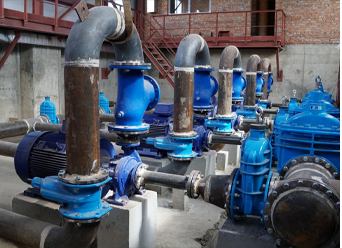
Slurry pump boxes are critical components in fluid handling systems designed for abrasive and corrosive materials. Functioning as the volute casing surrounding the impeller of a centrifugal slurry pump, the box provides the necessary pressure conversion from kinetic energy to potential energy as the slurry is pumped. Their technical position in the industry chain is downstream from materials science (alloy selection, polymer production) and pump component manufacturing (impellers, shafts, seals), serving industries like mining, wastewater treatment, chemical processing, and dredging. Core performance metrics center around hydraulic efficiency, erosion resistance, structural integrity under pressure, and containment of pumped media, impacting overall system reliability and operational costs. The primary industry pain point is premature failure due to abrasive wear, corrosion, and inadequate material selection for the specific slurry composition. Choosing the correct box material and ensuring proper design are paramount to extending service life and minimizing downtime.
Material Science & Manufacturing
Slurry pump boxes are commonly manufactured from high-chrome cast iron (typically 27-30% chromium), stainless steel (304, 316, duplex stainless steels), and occasionally, rubber-lined steel or polymer composites. High-chrome cast iron offers excellent abrasion resistance due to the formation of hard chromium carbides. Stainless steels provide superior corrosion resistance, particularly in acidic or chloride-rich environments. Rubber linings are employed for highly abrasive slurries with lower corrosion potential, acting as a sacrificial layer. Polymer composites are gaining traction for specialized applications requiring lightweight and high chemical resistance. Manufacturing processes primarily involve sand casting, investment casting, or centrifugal casting for metal boxes. Rubber lining is achieved through bonding processes, while polymer composites utilize techniques like resin transfer molding (RTM) or filament winding. Key parameter control during manufacturing includes alloy composition verification (spectroscopic analysis), casting solidification rates (to minimize porosity), heat treatment (for stress relief and hardening), and dimensional accuracy (CNC machining and quality control inspections). The hardness of the material is crucial – typically ranging from 58-65 HRC for high-chrome iron and 200-300 BHN for stainless steels. Weldability considerations are also paramount for repair and fabrication, influencing the selection of appropriate welding consumables and procedures. Chemical compatibility charts dictate material selection based on the pH and chemical composition of the slurry. A mismatch can lead to accelerated corrosion and catastrophic failure.
Performance & Engineering
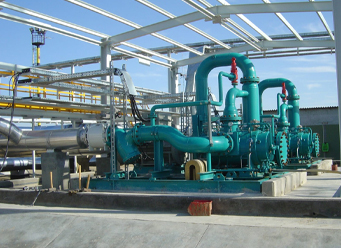
The performance of a slurry pump box is heavily influenced by hydraulic design and structural analysis. Force analysis considers internal pressure loads, external mechanical loads (piping stresses, motor vibrations), and thermal stresses (caused by temperature fluctuations of the pumped slurry). Finite Element Analysis (FEA) is routinely employed to optimize box geometry for stress distribution and prevent premature cracking. Environmental resistance is paramount; factors like temperature, UV exposure (for polymer composites), and the presence of corrosive agents all contribute to degradation. Compliance requirements vary by industry and region. For instance, the mining industry often adheres to standards set by organizations like the Society for Mining, Metallurgy & Exploration (SME), while wastewater treatment plants follow regulations outlined by the Environmental Protection Agency (EPA). Functional implementation involves proper alignment with the pump shaft, ensuring adequate sealing to prevent leakage, and providing access for inspection and maintenance. The box's volute shape is critical for maximizing hydraulic efficiency and minimizing turbulence. A well-designed volute reduces energy losses and increases pump capacity. Cavitation, a common problem in slurry pumps, can be mitigated through careful box design and operating parameter control (maintaining sufficient Net Positive Suction Head Available – NPSHa).
Technical Specifications
| Parameter | High-Chrome Cast Iron (27%) | 316 Stainless Steel | Rubber-Lined Steel | Polymer Composite (PP-GF) |
|---|---|---|---|---|
| Material Hardness (BHN) | 600-700 | 200-300 | 40-60 (Rubber) / 200-300 (Steel) | 150-250 |
| Tensile Strength (MPa) | 400-600 | 500-700 | 450-600 (Steel) | 100-200 |
| Corrosion Resistance | Fair | Excellent | Good (to specific chemicals) | Excellent (to many acids/bases) |
| Abrasion Resistance | Excellent | Good | Excellent | Good |
| Maximum Operating Pressure (Bar) | 25-40 | 40-60 | 20-30 | 10-20 |
| Maximum Operating Temperature (°C) | 250 | 300 | 100 | 80 |
Failure Mode & Maintenance
Common failure modes for slurry pump boxes include abrasive wear (leading to thinning of the casing wall), corrosion (resulting in pitting and perforation), fatigue cracking (induced by cyclic loading and stress concentrations), and erosion (particularly at the impeller inlet and discharge). Failure analysis often reveals a combination of these factors. Abrasive wear is the most prevalent, particularly with hard particle slurries. Corrosion can be localized (pitting) or generalized (uniform thinning). Fatigue cracks typically initiate at weld points or geometric discontinuities. Maintenance strategies should prioritize regular inspections for wear and corrosion, especially in high-wear areas. Non-destructive testing (NDT) methods such as ultrasonic testing (UT) and radiographic testing (RT) are invaluable for detecting internal cracks and defects. Rubber linings require periodic inspection and replacement as the protective layer degrades. Preventive maintenance includes proper lubrication of bearings, monitoring pump vibrations, and ensuring correct slurry concentration and flow rates. Coating application (e.g., ceramic coatings) can significantly enhance abrasion and corrosion resistance. Repair welding should be performed by qualified welders using appropriate filler metals and procedures to maintain structural integrity. Proper alignment of the pump and motor is essential to minimize stress on the box.
Industry FAQ
Q: What is the optimal material selection for a slurry pump box handling a highly abrasive silica slurry at a pH of 3?
A: For a highly abrasive silica slurry at a pH of 3, a high-chrome cast iron box is generally recommended due to its exceptional abrasion resistance. However, the acidic pH necessitates careful consideration of corrosion. A higher chromium content (above 28%) and potentially a supplementary corrosion inhibitor added to the slurry are advisable. 316 stainless steel could also be considered, but it will exhibit lower abrasion resistance compared to high-chrome iron.
Q: How can I mitigate cavitation damage within the slurry pump box?
A: Mitigating cavitation requires ensuring sufficient Net Positive Suction Head Available (NPSHa). This involves optimizing pump speed, reducing suction lift, and increasing suction pipe diameter. A well-designed volute with smooth transitions also minimizes turbulence and the formation of vapor bubbles. Regularly inspect the impeller and box for signs of cavitation damage (pitting) and address the underlying cause.
Q: What are the benefits of using a rubber-lined slurry pump box compared to a stainless steel box?
A: Rubber-lined boxes excel in handling highly abrasive slurries where corrosion is minimal. They offer superior abrasion resistance and can dampen noise and vibration. However, they have lower temperature and pressure limitations compared to stainless steel and require periodic relining. Stainless steel provides better corrosion resistance and higher operating temperatures but is more susceptible to abrasive wear.
Q: How often should a slurry pump box be inspected for wear and corrosion?
A: Inspection frequency depends on the slurry's abrasiveness and corrosivity. For moderately abrasive slurries, a visual inspection every 6-12 months is recommended. For highly abrasive or corrosive slurries, inspections should be conducted quarterly or even monthly. Non-destructive testing (NDT) should be performed annually or as needed based on inspection findings.
Q: What role does weld quality play in the long-term reliability of a slurry pump box?
A: Weld quality is critical. Poor weld quality can introduce stress concentrations and initiate fatigue cracks. Welds should be performed by certified welders using appropriate welding procedures and consumables, ensuring full penetration and proper heat treatment. Regular inspection of welds for cracks or defects is essential.
Conclusion
The slurry pump box is a vital component whose performance dictates the efficiency and longevity of the entire slurry pumping system. Careful consideration of material science, manufacturing processes, and engineering principles is crucial for selecting the optimal box design for a specific application. Addressing the industry pain points of abrasion, corrosion, and fatigue requires a proactive approach to material selection, inspection, and maintenance.
Ultimately, a thorough understanding of slurry characteristics, operating conditions, and relevant industry standards is paramount to ensuring reliable and cost-effective operation. Investing in high-quality materials, utilizing robust manufacturing techniques, and implementing a comprehensive maintenance program will significantly extend the service life of the slurry pump box and minimize the risk of costly downtime.
-
Comprehensive Guide to Waterproof ORings for Optimal Sealing Solutions
News2026-06-09
-
Waste Tank Pump Performance Analysis
News2026-06-27
-
Sewer System Pump Out Material Science
News2026-06-27
-
Sewer Ejector Pit Performance Analysis
News2026-06-27
-
septic tank pumps for sale Performance Engineering
News2026-06-27
-
septic system with lift pump Performance Engineering
News2026-06-27
-
septic system sump pump Performance Analysis
News2026-06-26
-
septic pump company Performance Analysis
News2026-06-26
-
pumps water treatment Performance Analysis
News2026-06-26
-
pumps for septic tanks Material Science and Manufacturing
News2026-06-26
-
pump for septic system Material Science Manufacturing
News2026-06-26
-
heavy duty submersible pump Performance Analysis
News2026-06-25
-
best submersible pump for septic tank Performance Analysis
News2026-06-25
-
basement sewer ejector pump Performance Analysis
News2026-06-25
-
basement pumps ejector pumps Performance Analysis
News2026-06-25




