English
- Afrikaans
- Albanian
- Amharic
- Arabic
- Armenian
- Azerbaijani
- Basque
- Belarusian
- Bengali
- Bosnian
- Bulgarian
- Catalan
- Cebuano
- Corsican
- Croatian
- Czech
- Danish
- Dutch
- English
- Esperanto
- Estonian
- Finnish
- French
- Frisian
- Galician
- Georgian
- German
- Greek
- Gujarati
- Haitian Creole
- hausa
- hawaiian
- Hebrew
- Hindi
- Miao
- Hungarian
- Icelandic
- igbo
- Indonesian
- irish
- Italian
- Japanese
- Javanese
- Kannada
- kazakh
- Khmer
- Rwandese
- Korean
- Kurdish
- Kyrgyz
- Lao
- Latin
- Latvian
- Lithuanian
- Luxembourgish
- Macedonian
- Malgashi
- Malay
- Malayalam
- Maltese
- Maori
- Marathi
- Mongolian
- Myanmar
- Nepali
- Norwegian
- Norwegian
- Occitan
- Pashto
- Persian
- Polish
- Portuguese
- Punjabi
- Romanian
- Russian
- Samoan
- Scottish Gaelic
- Serbian
- Sesotho
- Shona
- Sindhi
- Sinhala
- Slovak
- Slovenian
- Somali
- Spanish
- Sundanese
- Swahili
- Swedish
- Tagalog
- Tajik
- Tamil
- Tatar
- Telugu
- Thai
- Turkish
- Turkmen
- Ukrainian
- Urdu
- Uighur
- Uzbek
- Vietnamese
- Welsh
- Bantu
- Yiddish
- Yoruba
- Zulu

Telephone: +86 13120555503
Email: frank@cypump.com


Apr . 01, 2024 17:55 Back to list
Slurry Pump Applications Performance Analysis and Engineering Specifications
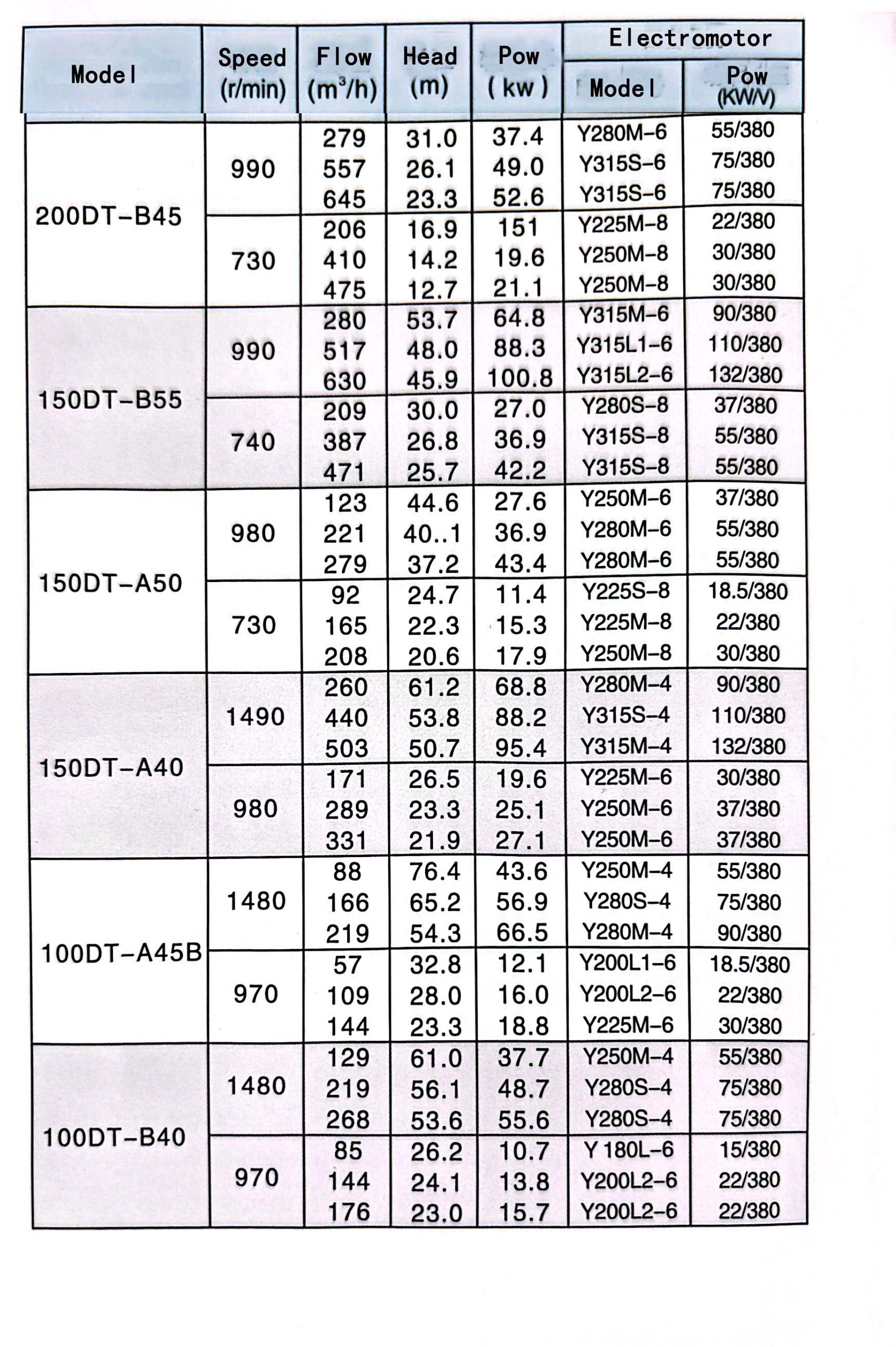
Slurry Pump Applications: Performance Analysis and Engineering Specifications
Slurry pumps are specialized centrifugal machines designed to transport fluids containing suspended solid particles, ranging from fine silts to coarse mineral ores. Within the industrial value chain, these pumps serve as the critical link between extraction/processing and refinement, operating in some of the most hostile environments known to fluid dynamics. The primary technical challenge in slurry pump applications is the simultaneous management of abrasive wear and corrosive attack, which can lead to rapid component degradation. A slurry pump is not merely a conduit for fluid but a precision-engineered system that must balance the critical velocity of the slurry—sufficient to prevent particle settlement (sedimentation) while remaining low enough to minimize erosive wear on the impeller and volute. This guide provides an exhaustive technical analysis of the material sciences, hydraulic engineering, and maintenance protocols required to optimize the operational lifecycle of slurry pumping systems.
Material Science & Manufacturing
The longevity of a slurry pump is fundamentally dictated by the metallurgical properties of its wetted parts. Because the fluid medium typically consists of hard minerals (such as silica, alumina, or iron oxides) suspended in water or chemical reagents, the materials must exhibit extreme hardness and fracture toughness.
High-Chrome White Irons: The industry standard for highly abrasive applications is ASTM A532 high-chromium cast iron (typically 25% to 28% Cr). These materials rely on the formation of M7C3 carbides, which provide a hard matrix capable of resisting micro-plowing and cutting by abrasive particles. Manufacturing involves precise controlled cooling to ensure a fine distribution of carbides, preventing the formation of brittle networks that could lead to catastrophic failure under impact.
Natural and Synthetic Elastomers: For slurries with smaller particle sizes but higher corrosive potential, polyurethane or natural rubber linings are employed. These materials operate on the principle of "resilient absorption," where the elastomer absorbs the kinetic energy of the impacting particle and rebounds, rather than allowing the particle to gouge the surface. The manufacturing process involves autoclave vulcanization to ensure a chemical bond between the rubber lining and the steel shell, preventing delamination caused by permeate fluid pressure.
Duplex Stainless Steels: In applications where chemical corrosion is as prevalent as abrasion (e.g., acid mine drainage), Duplex steels (2205 or 2507) are utilized. These provide a mixed austenitic-ferritic microstructure, offering superior yield strength and Pitting Resistance Equivalent Numbers (PREN) compared to standard 316L stainless steel.
Manufacturing Precision: Precision casting and CNC machining are employed to maintain tight tolerances in the impeller-to-volute clearance. Excessive clearance leads to recirculation and localized turbulence, which accelerates wear through "eddy-current erosion," while overly tight clearances risk seizing during thermal expansion or particle jamming.
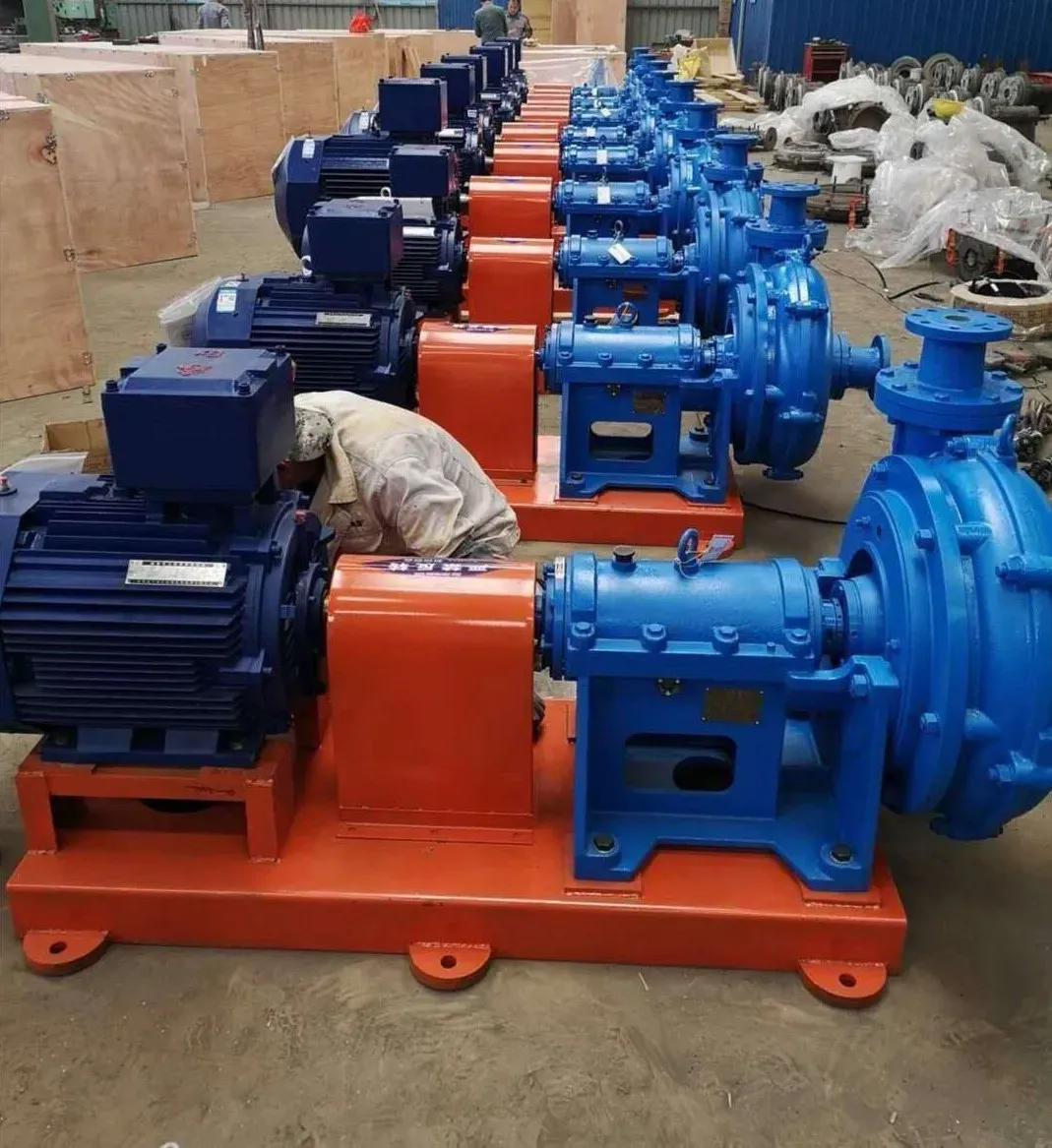
Performance & Engineering
Engineering a slurry pumping system requires a rigorous analysis of the slurry's rheological properties. Unlike clean water, slurry exhibits non-Newtonian behavior, where viscosity changes based on the shear rate and solids concentration by weight (Cw).
Critical Velocity and Sedimentation: The most critical engineering parameter is the "Critical Settling Velocity." If the flow velocity drops below this threshold, solids begin to deposit on the pipe floor, leading to blockage and increased friction losses. Engineers apply the Durand equation to calculate the minimum velocity required to maintain a homogenous suspension, ensuring that the pump's head and flow calculations account for the increased density of the medium.
Net Positive Suction Head (NPSH) and Cavitation: Slurry pumps are highly susceptible to cavitation, which is exacerbated by the presence of solids. When local pressure drops below the vapor pressure, bubbles form and collapse, sending shockwaves that can pit the impeller surfaces. In slurry applications, "air binding" can also occur, where air trapped in the slurry prevents the pump from priming. Engineering solutions include the installation of sump tanks to increase the static head and the use of Variable Frequency Drives (VFDs) to optimize the pump speed relative to the feed rate.
Force Analysis and Vibration: Due to the uneven distribution of solids, slurry pumps often experience unbalanced radial loads. This puts immense stress on the shaft and bearings. Heavy-duty shafting with oversized diameters and reinforced bearing housings are mandatory to prevent shaft deflection, which would otherwise lead to premature mechanical seal failure or rubbing between the impeller and the casing.
Technical Specifications
| Material Grade | Hardness (HRC/Shore A) | Max Particle Size (mm) | Typical Application |
|---|---|---|---|
| High-Chrome (27% Cr) | 60 - 65 HRC | Up to 15.0 mm | Mining Tailings / Metal Ore |
| Natural Rubber (NR) | 65 - 75 Shore A | Up to 6.0 mm | Coal Slurry / Fine Sand |
| Duplex Stainless 2205 | 25 - 30 HRC | Up to 3.0 mm | Chemical Process / Desalination |
| Polyurethane (PU) | 90 - 95 Shore A | Up to 10.0 mm | Dredging / Mineral Washing |
| Hardened Cast Iron | 45 - 55 HRC | Up to 8.0 mm | General Industrial Waste |
| Ceramic Alumina | > 80 HRC | Up to 2.0 mm | Ultra-Abrasive Fine Slurries |
Failure Mode & Maintenance
Failure in slurry pumps is rarely the result of a single event but rather a progression of degradative mechanisms. Understanding these failure modes is essential for implementing a Predictive Maintenance (PdM) strategy.
Erosive Wear (Abrasion): This is the primary failure mode, characterized by the gradual removal of material from the impeller vanes and volute liners. It occurs most aggressively in high-velocity zones. Failure analysis typically reveals "scalloping" or "grooving" patterns. Maintenance involves the installation of replaceable wear liners (sacrificial plates) to protect the main pump casing.
Cavitation Erosion: Identified by a "sponge-like" appearance of the metal surface, cavitation occurs due to pressure fluctuations. This leads to rapid material loss and severe vibration. The solution is to optimize the suction piping to reduce friction losses and ensure the NPSH available (NPSHa) is significantly higher than the NPSH required (NPSHr).
Corrosion-Erosion Synergy: In many slurry applications, chemical corrosion removes the protective oxide layer of the metal, leaving the raw surface exposed to abrasive particles. This synergistic effect accelerates wear exponentially. Using materials with high chromium or nickel content is necessary to maintain a stable passive layer.
Mechanical Seal and Packing Failure: Slurry particles can migrate into the sealing area, acting as an abrasive paste that destroys the seal faces. Maintenance protocols should prioritize the use of "expeller seals" or "flushing systems" (API Plan 32 or 54) to keep solids away from the sealing interface.
Maintenance Schedule: A professional maintenance regime includes weekly vibration analysis to detect bearing wear, monthly checks of the clearance between the impeller and the wear plate, and quarterly ultrasound thickness testing (UT) of the volute casing to determine the remaining wall thickness.
Industry FAQ
Q: How do I determine whether to use a rubber-lined or a high-chrome pump for my specific application?
A: The decision depends primarily on particle size and hardness. High-chrome pumps are superior for coarse, hard particles (e.g., crushed rock, mine tailings) that would puncture or tear rubber. Rubber-lined pumps are ideal for fine, abrasive particles (e.g., silica sand, coal fines) where the elastomer's resilience provides a longer service life than the rigidity of chrome iron.
Q: Why is my slurry pump experiencing severe vibration despite being properly aligned?
A: Vibration in slurry pumps is often caused by "impeller imbalance" resulting from uneven wear. As abrasive particles erode the impeller vanes unevenly, the center of mass shifts, creating dynamic imbalance. Additionally, if the pump is operating too far from its Best Efficiency Point (BEP), hydraulic turbulence can induce significant radial forces.
Q: What is the impact of solids concentration on the pump's total dynamic head (TDH)?
A: Increasing the solids concentration (Cw) increases the fluid density and apparent viscosity. This leads to higher friction losses in the piping and a reduction in the pump's efficiency. The TDH must be recalculated using a density correction factor, and the motor must be sized to handle the increased torque required to move the denser medium.
Q: How can I prevent "sanding in" during pump shutdown?
A: When a slurry pump stops, solids quickly settle in the pump casing and suction line. To prevent this, a "flush-out" system should be implemented, where clean water is pumped through the system immediately after the slurry flow ceases. Alternatively, the pump should be installed with a sloped suction line to facilitate gravity drainage.
Q: Is a VFD recommended for slurry pump applications?
A: Yes, a VFD is highly recommended. It allows the operator to adjust the flow rate to match the feed rate, ensuring the pump always operates at or above the critical settling velocity. This prevents sedimentation while avoiding the excessive wear associated with running the pump at maximum speed when the slurry concentration is low.
Conclusion
The optimization of slurry pump applications requires a holistic integration of material science, fluid dynamics, and mechanical engineering. By selecting materials based on the specific abrasive-corrosive profile of the medium—whether utilizing the hardness of high-chrome alloys or the resilience of elastomers—engineers can significantly extend the Mean Time Between Failures (MTBF). The technical success of these systems hinges on the precise calculation of critical velocities and the mitigation of cavitation, ensuring that the pump operates within its optimal hydraulic envelope.
Looking forward, the industry is shifting toward "Intelligent Pumping," incorporating real-time wear sensors and AI-driven predictive maintenance to reduce unplanned downtime. For procurement managers and engineers, the focus must remain on total cost of ownership (TCO) rather than initial acquisition cost, prioritizing high-specification components that reduce the frequency of costly replacements and operational interruptions in critical industrial processes.
-
Comprehensive Guide to Waterproof ORings for Optimal Sealing Solutions
News2026-06-09
-
septic system sump pump Performance Analysis
News2026-06-26
-
septic pump company Performance Analysis
News2026-06-26
-
pumps water treatment Performance Analysis
News2026-06-26
-
pumps for septic tanks Material Science and Manufacturing
News2026-06-26
-
pump for septic system Material Science Manufacturing
News2026-06-26
-
heavy duty submersible pump Performance Analysis
News2026-06-25
-
best submersible pump for septic tank Performance Analysis
News2026-06-25
-
basement sewer ejector pump Performance Analysis
News2026-06-25
-
basement pumps ejector pumps Performance Analysis
News2026-06-25
-
basement lift pump Performance and Engineering
News2026-06-25
-
basement bathroom pump systems Performance Analysis
News2026-06-24
-
basement bathroom ejector pump system Performance Engineering
News2026-06-24
-
2 hp sewage pump Performance Engineering
News2026-06-24
-
1 hp septic pump Performance Engineering
News2026-06-24




