English
- Afrikaans
- Albanian
- Amharic
- Arabic
- Armenian
- Azerbaijani
- Basque
- Belarusian
- Bengali
- Bosnian
- Bulgarian
- Catalan
- Cebuano
- Corsican
- Croatian
- Czech
- Danish
- Dutch
- English
- Esperanto
- Estonian
- Finnish
- French
- Frisian
- Galician
- Georgian
- German
- Greek
- Gujarati
- Haitian Creole
- hausa
- hawaiian
- Hebrew
- Hindi
- Miao
- Hungarian
- Icelandic
- igbo
- Indonesian
- irish
- Italian
- Japanese
- Javanese
- Kannada
- kazakh
- Khmer
- Rwandese
- Korean
- Kurdish
- Kyrgyz
- Lao
- Latin
- Latvian
- Lithuanian
- Luxembourgish
- Macedonian
- Malgashi
- Malay
- Malayalam
- Maltese
- Maori
- Marathi
- Mongolian
- Myanmar
- Nepali
- Norwegian
- Norwegian
- Occitan
- Pashto
- Persian
- Polish
- Portuguese
- Punjabi
- Romanian
- Russian
- Samoan
- Scottish Gaelic
- Serbian
- Sesotho
- Shona
- Sindhi
- Sinhala
- Slovak
- Slovenian
- Somali
- Spanish
- Sundanese
- Swahili
- Swedish
- Tagalog
- Tajik
- Tamil
- Tatar
- Telugu
- Thai
- Turkish
- Turkmen
- Ukrainian
- Urdu
- Uighur
- Uzbek
- Vietnamese
- Welsh
- Bantu
- Yiddish
- Yoruba
- Zulu

Telephone: +86 13120555503
Email: frank@cypump.com


Apr . 01, 2024 17:55 Back to list
slurry pump 3d models Performance Analysis
Introduction
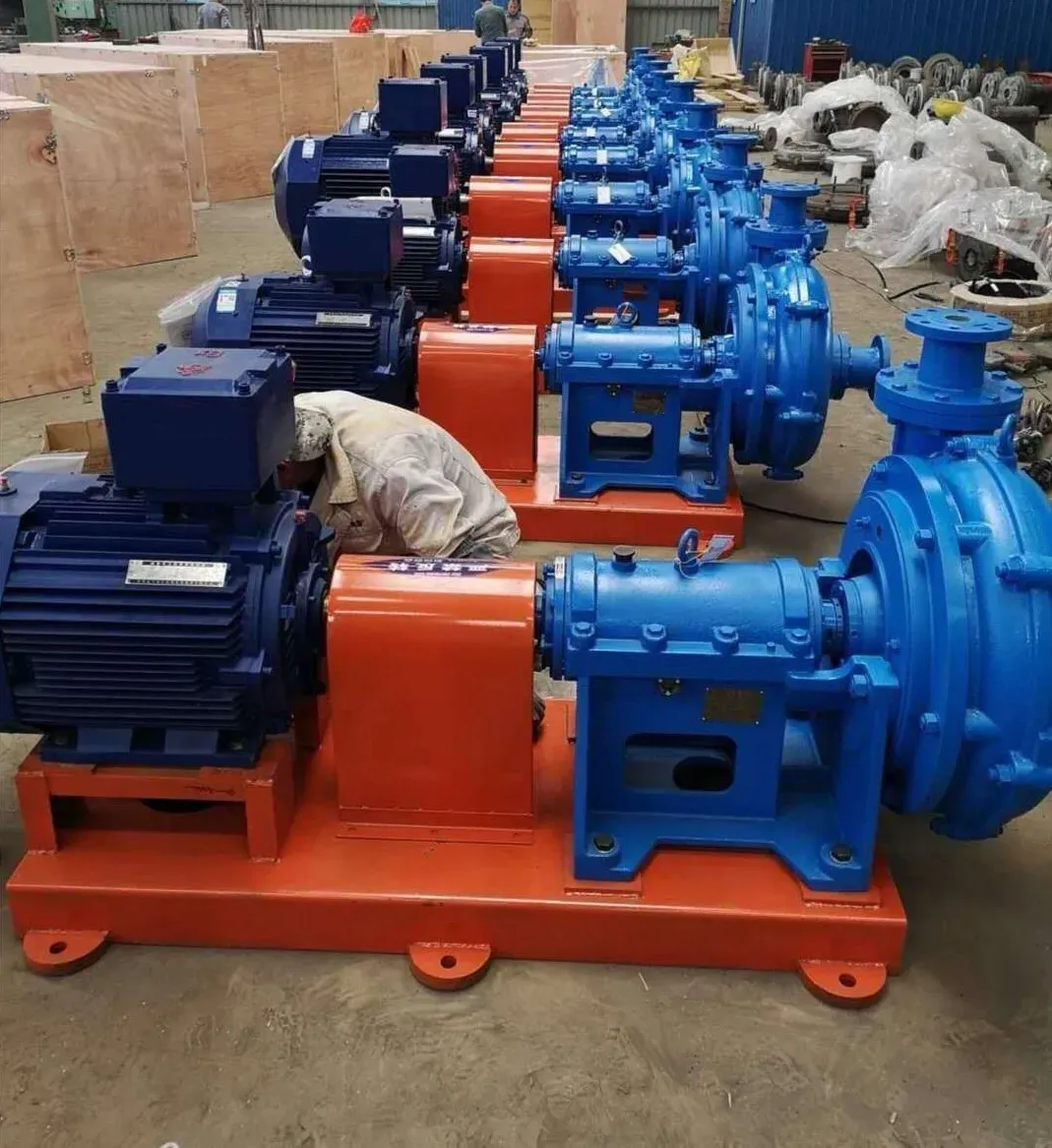
Slurry pump 3D models represent a critical intersection of computational engineering and fluid dynamics, serving as a foundational element in the design, analysis, and optimization of pumps used for transporting abrasive or dense fluids – collectively known as slurries. Within the broader industrial pump market, slurry pumps occupy a specialized niche, addressing applications where conventional pumps would rapidly degrade due to material erosion, corrosion, or clogging. These models are not merely visual representations; they are sophisticated digital twins, capable of simulating pump performance under varying conditions, facilitating predictive maintenance, and drastically reducing prototyping costs. Core performance metrics centered around these models encompass volumetric flow rate, head pressure, pump efficiency, and notably, wear resistance. A robust 3D model allows for detailed Computational Fluid Dynamics (CFD) analysis, identifying areas of high stress, cavitation risk, and potential erosion, leading to improved impeller designs and casing geometries. The adoption of 3D modeling has become essential for compliance with stringent industry regulations regarding pump efficiency and reliability, and for minimizing downtime in critical processes across mining, wastewater treatment, and chemical processing industries.
Material Science & Manufacturing
The materials constituting slurry pumps are subject to extreme operating conditions. Pump components in contact with the slurry – typically the impeller, casing, and liners – commonly utilize high-chromium cast irons (typically 13-28% Cr) due to their exceptional abrasion resistance. The chromium carbides formed within the iron matrix provide significant hardness. Alternatively, high-hardness stainless steels (e.g., duplex stainless steels, 2205, 2507) are employed for slurries with corrosive components. Elastomeric linings, often made from natural rubber or synthetic polymers like polyurethane, are used to protect the pump casing from impact and abrasion, particularly for highly abrasive slurries. Manufacturing processes heavily influence the material’s final properties and pump longevity. Impellers are often produced via investment casting, ensuring dimensional accuracy and complex geometries capable of efficient slurry handling. Casings are frequently manufactured using sand casting, though increasingly, centrifugal casting is preferred for larger components due to its improved mechanical properties and reduced porosity. Welding processes, such as shielded metal arc welding (SMAW) or gas tungsten arc welding (GTAW), are crucial for joining pump components, requiring careful control of heat input and filler metal composition to maintain material integrity and prevent cracking. Post-weld heat treatment (PWHT) is often necessary to relieve residual stresses. Key parameter control involves precise control of chemical composition during casting, maintaining consistent cooling rates during heat treatment, and rigorous non-destructive testing (NDT) – including radiographic inspection and ultrasonic testing – to detect internal flaws.
Performance & Engineering
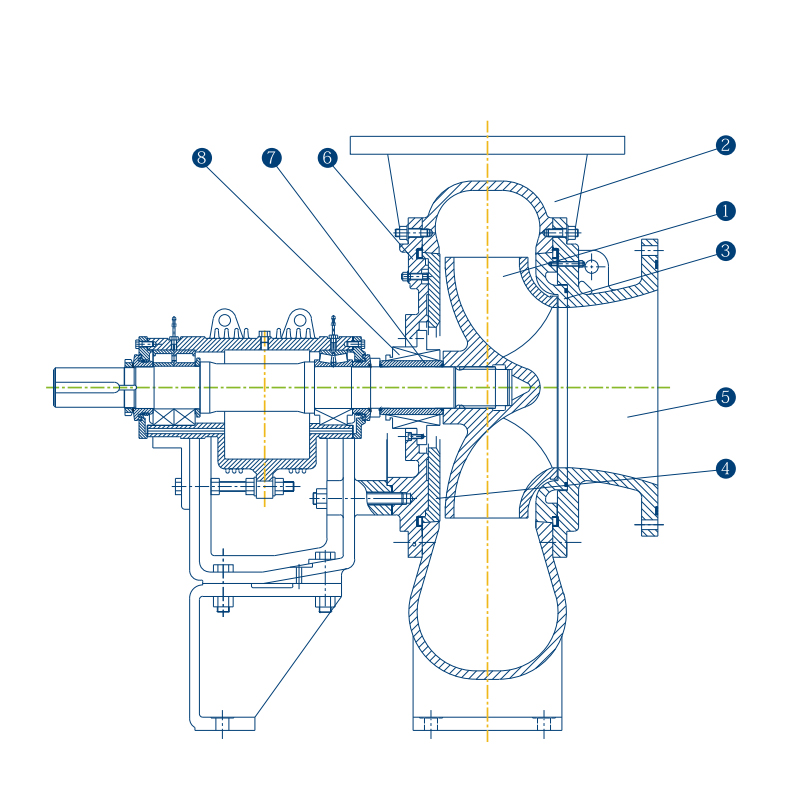
Slurry pump performance is inherently tied to a complex interplay of fluid mechanics, material science, and mechanical engineering principles. Force analysis must consider not only the hydrodynamic forces imparted by the slurry but also the impact forces from solid particles. Cavitation, a significant concern, occurs when the absolute pressure within the pump falls below the vapor pressure of the slurry, forming vapor bubbles that collapse, causing localized erosion. 3D models are invaluable in predicting cavitation zones via CFD simulations. Environmental resistance is critical, as pumps are often exposed to harsh conditions. Corrosion rates are dictated by the slurry’s pH, temperature, and the presence of corrosive agents like chlorides. Material selection, as described previously, directly impacts corrosion resistance. Pump efficiency is governed by several factors, including impeller geometry, internal clearances, and flow velocity. Engineers utilize 3D models to optimize impeller blade angles, volute shape, and diffuser design to maximize efficiency and minimize energy consumption. Compliance requirements vary by region and application. For example, pumps used in mining operations may need to adhere to MSHA (Mine Safety and Health Administration) standards regarding explosion-proof design. Pumps handling wastewater must meet EPA (Environmental Protection Agency) standards for effluent discharge. Functional implementation details involve selecting appropriate seal types (mechanical seals, packing glands) based on slurry characteristics and operating pressure, and designing wear plate arrangements to protect critical pump components.
Technical Specifications
| Parameter | Unit | Typical Range (Small Pump) | Typical Range (Large Pump) |
|---|---|---|---|
| Flow Rate | m³/hr | 5 - 50 | 200 - 1000 |
| Head Pressure | m | 10 - 30 | 50 - 150 |
| Pump Efficiency | % | 60 - 75 | 70 - 85 |
| Slurry Solids Concentration (by weight) | % | 10 - 30 | 30 - 80 |
| Maximum Particle Size | mm | 6 - 25 | 25 - 100 |
| Impeller Material | - | High-Chromium Cast Iron | Duplex Stainless Steel |
Failure Mode & Maintenance
Slurry pump failure modes are predominantly linked to abrasive wear, corrosion, erosion, and mechanical fatigue. Abrasive wear occurs due to the constant impact of solid particles against pump components, leading to material loss. Corrosion, particularly in acidic or saline slurries, degrades the pump materials. Erosion is a combined effect of abrasion and corrosion, accelerating material loss. Fatigue cracking can initiate at stress concentration points, such as impeller blades or weld joints, due to cyclical loading. Delamination of elastomeric linings can occur due to bond failure between the rubber and the metal substrate. Oxidation of metallic components contributes to long-term degradation, especially at elevated temperatures. Preventative maintenance is crucial. Regular inspections for wear patterns, leakage, and abnormal noise are essential. Impeller and casing wear assessments should be conducted periodically, using techniques like liquid penetrant testing or ultrasonic thickness measurements. Seal replacement is a routine maintenance task. Proper lubrication of bearings is vital to prevent failure. To mitigate failure, selecting appropriate materials for the specific slurry composition, optimizing pump speed to minimize abrasive wear, implementing wear plate strategies, and regularly monitoring pump performance data (vibration analysis, flow rate, pressure) are paramount. Repair strategies include welding repairs (for cracks or erosion), component replacement, and re-lining of casings.
Industry FAQ
Q: What are the key differences between a centrifugal slurry pump and a positive displacement slurry pump?
A: Centrifugal slurry pumps utilize an impeller to impart kinetic energy to the slurry, converting it to pressure. They are generally more suitable for high-flow, low-head applications and can handle a wider range of slurry concentrations. Positive displacement pumps, such as progressing cavity pumps or diaphragm pumps, deliver a fixed volume of slurry per revolution. They are better suited for high-head, low-flow applications and are ideal for handling highly viscous or abrasive slurries, as they maintain a consistent flow rate regardless of pressure changes.
Q: How does the slurry’s solids concentration affect pump selection and performance?
A: Higher solids concentrations increase slurry viscosity and density, requiring more powerful pumps and potentially leading to increased abrasive wear. The pump's impeller design and casing geometry must be optimized to handle the increased load. Positive displacement pumps are generally preferred for very high solids concentrations. Cavitation risk also increases with higher solids concentrations due to the reduced available liquid volume.
Q: What considerations are important when selecting materials for a slurry pump handling corrosive slurries?
A: The slurry’s pH, temperature, and the presence of specific corrosive agents (e.g., chlorides, sulfates, acids) dictate material selection. High-alloy stainless steels (duplex, super duplex), specialized polymers, and ceramic coatings are often employed. Consideration should be given to galvanic corrosion if dissimilar metals are used in the pump construction.
Q: How can 3D modeling and CFD analysis be used to improve slurry pump design?
A: 3D modeling allows for the creation of detailed pump geometries, enabling CFD simulations to predict flow patterns, velocity profiles, pressure distributions, and cavitation zones. This information can be used to optimize impeller blade angles, volute shape, and diffuser design, resulting in improved pump efficiency, reduced wear, and enhanced reliability.
Q: What are the common causes of mechanical seal failure in slurry pumps?
A: Common causes include abrasive wear of the seal faces, corrosion of seal components, improper installation, and misalignment. Selecting a seal material compatible with the slurry composition and ensuring proper lubrication are critical. Double mechanical seals with a barrier fluid are often used for demanding applications to provide enhanced sealing performance and prevent slurry ingress.
Conclusion
Slurry pump 3D models represent a vital tool in modern pump engineering, enabling comprehensive analysis and optimization of designs for challenging slurry handling applications. The selection of appropriate materials – from high-chromium cast irons to specialized stainless steels and polymer linings – is paramount, directly influencing pump longevity and operational efficiency. Understanding the nuanced interplay of fluid dynamics, abrasive wear mechanisms, and corrosion potential is essential for mitigating failure modes and ensuring reliable performance.
Future advancements will likely focus on integrating real-time sensor data with 3D models to create dynamic digital twins, capable of predicting maintenance needs and optimizing pump operation in response to changing slurry conditions. The continued refinement of CFD modeling techniques and the development of novel wear-resistant materials will further enhance slurry pump performance and reduce lifecycle costs. Ultimately, the effective utilization of 3D modeling and a rigorous understanding of the underlying engineering principles are crucial for maximizing the value and minimizing the risks associated with slurry pump systems.
-
Comprehensive Guide to Waterproof ORings for Optimal Sealing Solutions
News2026-06-09
-
septic system sump pump Performance Analysis
News2026-06-26
-
septic pump company Performance Analysis
News2026-06-26
-
pumps water treatment Performance Analysis
News2026-06-26
-
pumps for septic tanks Material Science and Manufacturing
News2026-06-26
-
pump for septic system Material Science Manufacturing
News2026-06-26
-
heavy duty submersible pump Performance Analysis
News2026-06-25
-
best submersible pump for septic tank Performance Analysis
News2026-06-25
-
basement sewer ejector pump Performance Analysis
News2026-06-25
-
basement pumps ejector pumps Performance Analysis
News2026-06-25
-
basement lift pump Performance and Engineering
News2026-06-25
-
basement bathroom pump systems Performance Analysis
News2026-06-24
-
basement bathroom ejector pump system Performance Engineering
News2026-06-24
-
2 hp sewage pump Performance Engineering
News2026-06-24
-
1 hp septic pump Performance Engineering
News2026-06-24




