English
- Afrikaans
- Albanian
- Amharic
- Arabic
- Armenian
- Azerbaijani
- Basque
- Belarusian
- Bengali
- Bosnian
- Bulgarian
- Catalan
- Cebuano
- Corsican
- Croatian
- Czech
- Danish
- Dutch
- English
- Esperanto
- Estonian
- Finnish
- French
- Frisian
- Galician
- Georgian
- German
- Greek
- Gujarati
- Haitian Creole
- hausa
- hawaiian
- Hebrew
- Hindi
- Miao
- Hungarian
- Icelandic
- igbo
- Indonesian
- irish
- Italian
- Japanese
- Javanese
- Kannada
- kazakh
- Khmer
- Rwandese
- Korean
- Kurdish
- Kyrgyz
- Lao
- Latin
- Latvian
- Lithuanian
- Luxembourgish
- Macedonian
- Malgashi
- Malay
- Malayalam
- Maltese
- Maori
- Marathi
- Mongolian
- Myanmar
- Nepali
- Norwegian
- Norwegian
- Occitan
- Pashto
- Persian
- Polish
- Portuguese
- Punjabi
- Romanian
- Russian
- Samoan
- Scottish Gaelic
- Serbian
- Sesotho
- Shona
- Sindhi
- Sinhala
- Slovak
- Slovenian
- Somali
- Spanish
- Sundanese
- Swahili
- Swedish
- Tagalog
- Tajik
- Tamil
- Tatar
- Telugu
- Thai
- Turkish
- Turkmen
- Ukrainian
- Urdu
- Uighur
- Uzbek
- Vietnamese
- Welsh
- Bantu
- Yiddish
- Yoruba
- Zulu

Telephone: +86 13120555503
Email: frank@cypump.com


Apr . 01, 2024 17:55 Back to list
slurry handling pumps Material Science Manufacturing
Introduction
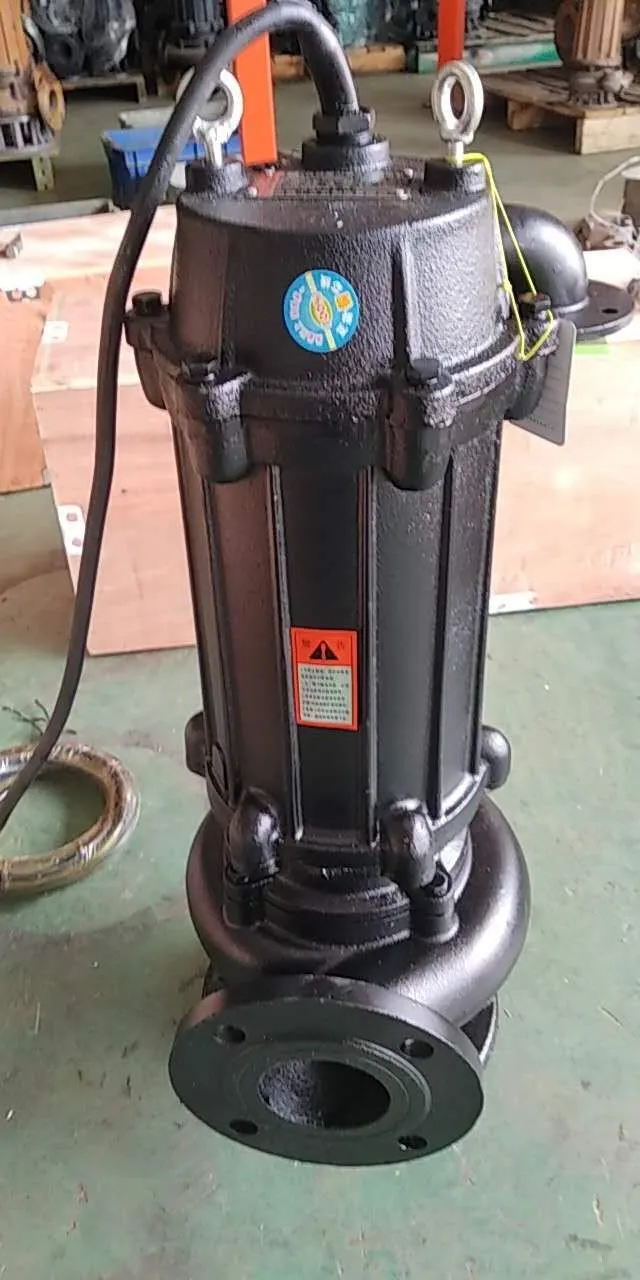
Slurry handling pumps are engineered devices designed for the transportation of abrasive, corrosive, and highly viscous fluids containing solid particles – collectively known as slurries. These pumps represent a critical component across numerous industrial sectors including mining, wastewater treatment, chemical processing, power generation, and dredging. Unlike standard centrifugal pumps, slurry pumps are specifically constructed to withstand the substantial wear and tear associated with handling solids, minimizing downtime and maximizing operational efficiency. Their technical position within the industrial chain is typically downstream of material processing and upstream of further refinement or disposal. Core performance characteristics center on volumetric flow rate, differential head, solids handling capability (particle size and concentration), and resistance to abrasive and corrosive attack. The increasing demand for sustainable resource management and stringent environmental regulations continues to drive innovation in slurry pump design, emphasizing energy efficiency, reduced maintenance, and extended service life.
Material Science & Manufacturing
The performance and longevity of slurry handling pumps are intrinsically linked to the materials used in their construction and the precision of their manufacturing processes. Pump casings are commonly fabricated from high-chromium cast iron alloys (e.g., 27% Cr) due to their exceptional abrasion resistance. Alternative materials include specialized nickel-hardened irons, duplex stainless steels (for corrosion resistance in aggressive chemical environments), and rubber linings (for handling extremely abrasive slurries with lower chemical exposure). Impeller materials frequently mirror casing materials, with the addition of polyurethane elastomers for lower-impact, high-solids applications. Shafts are generally constructed from high-strength alloy steels, heat treated for optimal toughness and fatigue resistance. Manufacturing typically involves casting for the casing and impeller, followed by machining to tight tolerances. Welding processes, such as submerged arc welding (SAW) and shielded metal arc welding (SMAW), are employed for joining components, requiring rigorous quality control to ensure weld integrity and prevent cracking. Parameter control during casting is paramount – controlling cooling rates, sand composition, and metal fluidity to minimize porosity and ensure homogenous microstructure. Impeller balancing is also critical, reducing vibration and extending bearing life. The choice of elastomer materials for liners and impellers demands careful consideration of hardness (durometer), tensile strength, and elongation at break to optimize wear resistance and prevent premature failure. Recent advancements include the application of computational fluid dynamics (CFD) to optimize impeller geometry for improved hydraulic efficiency and reduced erosion.
Performance & Engineering
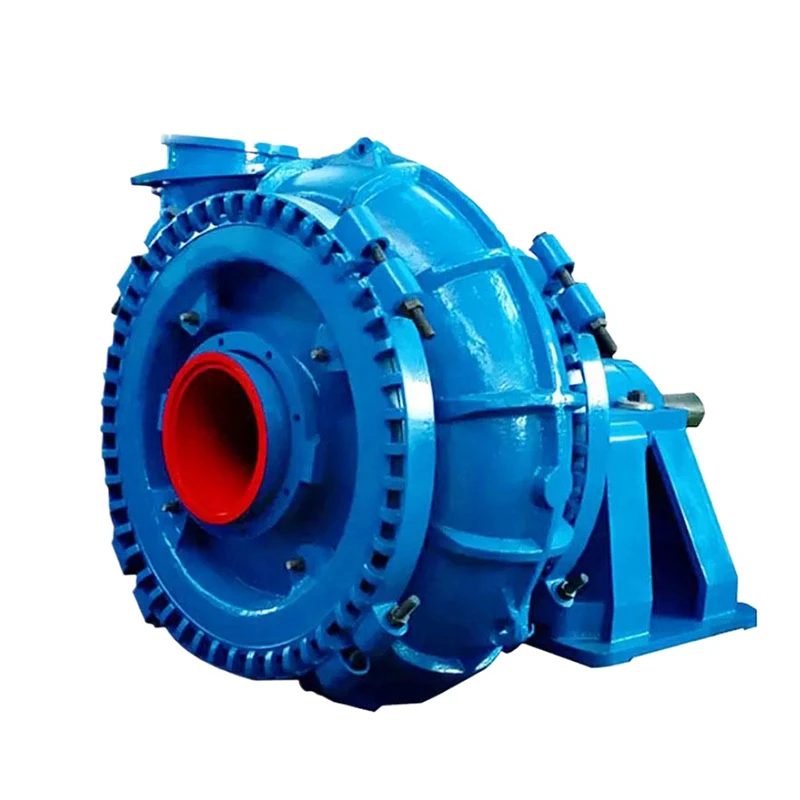
The performance of slurry handling pumps is fundamentally governed by principles of fluid mechanics, specifically the interaction between the slurry’s properties and the pump’s hydraulic design. Force analysis is crucial, focusing on stresses induced by both the fluid pressure and the impact of solid particles. Cavitation, a significant concern in standard pumps, is exacerbated in slurry applications due to the increased fluid density and the potential for particle agglomeration. Pump design incorporates strategies to mitigate cavitation, such as reduced impeller inlet velocities and increased net positive suction head required (NPSHr). Environmental resistance is a key engineering consideration. Exposure to corrosive slurries necessitates careful material selection and the implementation of protective coatings. Temperature extremes can affect material properties and seal performance, requiring specialized design features. Compliance requirements, dictated by organizations like API 610 (Centrifugal Pumps) and ISO 2813 (Petroleum and Natural Gas Industries – Design and Manufacture of Mechanical Surface Sealing Devices), mandate specific testing procedures and performance standards. Functional implementation often involves variable frequency drives (VFDs) to control pump speed and flow rate, optimizing energy consumption and preventing pipeline surges. Proper piping design is essential to minimize pressure drop and avoid sediment buildup. Dynamic loading from the slurry flow needs to be accounted for in bearing selection to prevent premature failure. The pump’s hydraulic efficiency is directly affected by the slurry’s solids concentration and particle size distribution; higher concentrations generally lead to lower efficiencies.
Technical Specifications
| Parameter | Unit | Typical Range (Small Pump) | Typical Range (Large Pump) |
|---|---|---|---|
| Flow Rate | m³/hr | 5 – 50 | 200 – 2000 |
| Head | m | 10 – 30 | 50 – 150 |
| Solids Handling Size | mm | Up to 25 | Up to 150 |
| Solids Concentration (by weight) | % | Up to 30 | Up to 70 |
| Pump Speed | RPM | 500 – 1500 | 300 - 1000 |
| Power | kW | 1.5 – 7.5 | 30 – 200 |
Failure Mode & Maintenance
Slurry pump failures are typically attributed to abrasive wear, corrosive attack, erosion, and mechanical fatigue. Abrasive wear, the most common failure mode, results from the impact of solid particles on pump components, leading to material loss and dimensional changes. Erosion occurs due to the high-velocity flow of the slurry, particularly at impeller inlets and discharge outlets. Corrosion manifests as material degradation due to chemical reactions with the slurry. Mechanical failures include bearing failure (due to lubrication issues or excessive loading), seal failure (resulting in leakage and reduced efficiency), and impeller cracking (caused by fatigue or impact damage). Failure analysis often reveals a combination of these factors. Preventative maintenance is crucial, encompassing regular inspections for wear, lubrication of bearings, seal replacement, and impeller balancing. Non-destructive testing (NDT) methods, such as ultrasonic testing and radiographic inspection, can detect internal cracks and flaws before they lead to catastrophic failure. Periodic monitoring of pump performance parameters (flow rate, pressure, power consumption) can provide early warning signs of degradation. The selection of appropriate materials and liners is paramount in mitigating wear and corrosion. Implementing a robust filtration system upstream of the pump can reduce the size and concentration of abrasive particles, extending pump life. Scheduled downtime for component replacement, based on predicted wear rates, is often more cost-effective than unplanned repairs.
Industry FAQ
Q: What are the key differences between a slurry pump and a centrifugal pump?
A: While both are rotodynamic pumps, slurry pumps are specifically designed to handle fluids containing solid particles. Centrifugal pumps are optimized for clean fluids and suffer significant wear when exposed to abrasive materials. Slurry pumps incorporate features like larger internal clearances, hardened materials, and robust impeller designs to withstand the impact and abrasive action of solids. They typically have lower efficiencies than centrifugal pumps when handling clean fluids but offer vastly superior reliability and longevity in slurry applications.
Q: How do I select the correct material for a slurry pump based on the slurry’s chemical composition?
A: Material selection is critical. You must consider the pH, temperature, and chemical constituents of the slurry. High-chromium cast iron is suitable for many abrasive slurries with neutral pH. Stainless steels (especially duplex grades) offer superior corrosion resistance in acidic or alkaline environments. Rubber linings are effective for abrasive slurries with moderate chemical exposure. Consulting chemical compatibility charts and conducting material testing are essential to ensure long-term durability.
Q: What is NPSHr and why is it important for slurry pumps?
A: Net Positive Suction Head Required (NPSHr) is the minimum pressure required at the pump suction to prevent cavitation. Slurries have higher densities and viscosities than water, increasing the risk of cavitation. Maintaining adequate NPSHa (Net Positive Suction Head Available) – the actual pressure available at the pump suction – above the NPSHr is crucial for stable pump operation and preventing damage to the impeller.
Q: How can I minimize wear on the impeller and casing of a slurry pump?
A: Several strategies can reduce wear. Employing a coarser impeller design (larger flow passages) can reduce slurry velocity. Selecting abrasion-resistant materials (high-chromium iron, hardened steels) is vital. Implementing a filtration system upstream to remove larger particles minimizes abrasive impact. Regularly inspecting and replacing worn components prevents secondary wear on adjacent parts. Optimizing pump speed can reduce erosion rates.
Q: What are the benefits of using a variable frequency drive (VFD) with a slurry pump?
A: VFDs allow for precise control of pump speed and flow rate, optimizing energy consumption and reducing wear. They prevent pipeline surges and water hammer, protecting the pump and piping system. VFDs can also be used to adjust pump performance based on changes in slurry composition or process requirements, increasing operational flexibility.
Conclusion
Slurry handling pumps are indispensable assets across a wide range of industries, demanding a comprehensive understanding of material science, hydraulic principles, and failure mechanisms for optimal performance and longevity. The selection process requires careful consideration of slurry characteristics, operational parameters, and environmental conditions to ensure the chosen pump can withstand the abrasive and corrosive nature of the application. Effective maintenance strategies, including regular inspections, proactive component replacement, and the utilization of non-destructive testing methods, are critical for minimizing downtime and maximizing return on investment.
Future advancements in slurry pump technology will likely focus on the development of more wear-resistant materials, improved impeller designs utilizing CFD optimization, and the integration of smart sensors for predictive maintenance. The growing emphasis on sustainability and energy efficiency will drive the adoption of VFDs and other energy-saving technologies. Continued research into slurry rheology and its impact on pump performance will further refine pump designs and enhance their overall efficiency and reliability.
-
Comprehensive Guide to Waterproof ORings for Optimal Sealing Solutions
News2026-06-09
-
septic system sump pump Performance Analysis
News2026-06-26
-
septic pump company Performance Analysis
News2026-06-26
-
pumps water treatment Performance Analysis
News2026-06-26
-
pumps for septic tanks Material Science and Manufacturing
News2026-06-26
-
pump for septic system Material Science Manufacturing
News2026-06-26
-
heavy duty submersible pump Performance Analysis
News2026-06-25
-
best submersible pump for septic tank Performance Analysis
News2026-06-25
-
basement sewer ejector pump Performance Analysis
News2026-06-25
-
basement pumps ejector pumps Performance Analysis
News2026-06-25
-
basement lift pump Performance and Engineering
News2026-06-25
-
basement bathroom pump systems Performance Analysis
News2026-06-24
-
basement bathroom ejector pump system Performance Engineering
News2026-06-24
-
2 hp sewage pump Performance Engineering
News2026-06-24
-
1 hp septic pump Performance Engineering
News2026-06-24




