English
- Afrikaans
- Albanian
- Amharic
- Arabic
- Armenian
- Azerbaijani
- Basque
- Belarusian
- Bengali
- Bosnian
- Bulgarian
- Catalan
- Cebuano
- Corsican
- Croatian
- Czech
- Danish
- Dutch
- English
- Esperanto
- Estonian
- Finnish
- French
- Frisian
- Galician
- Georgian
- German
- Greek
- Gujarati
- Haitian Creole
- hausa
- hawaiian
- Hebrew
- Hindi
- Miao
- Hungarian
- Icelandic
- igbo
- Indonesian
- irish
- Italian
- Japanese
- Javanese
- Kannada
- kazakh
- Khmer
- Rwandese
- Korean
- Kurdish
- Kyrgyz
- Lao
- Latin
- Latvian
- Lithuanian
- Luxembourgish
- Macedonian
- Malgashi
- Malay
- Malayalam
- Maltese
- Maori
- Marathi
- Mongolian
- Myanmar
- Nepali
- Norwegian
- Norwegian
- Occitan
- Pashto
- Persian
- Polish
- Portuguese
- Punjabi
- Romanian
- Russian
- Samoan
- Scottish Gaelic
- Serbian
- Sesotho
- Shona
- Sindhi
- Sinhala
- Slovak
- Slovenian
- Somali
- Spanish
- Sundanese
- Swahili
- Swedish
- Tagalog
- Tajik
- Tamil
- Tatar
- Telugu
- Thai
- Turkish
- Turkmen
- Ukrainian
- Urdu
- Uighur
- Uzbek
- Vietnamese
- Welsh
- Bantu
- Yiddish
- Yoruba
- Zulu

Telephone: +86 13120555503
Email: frank@cypump.com


Apr . 01, 2024 17:55 Back to list
slurry dewatering pump Performance Analysis
Introduction
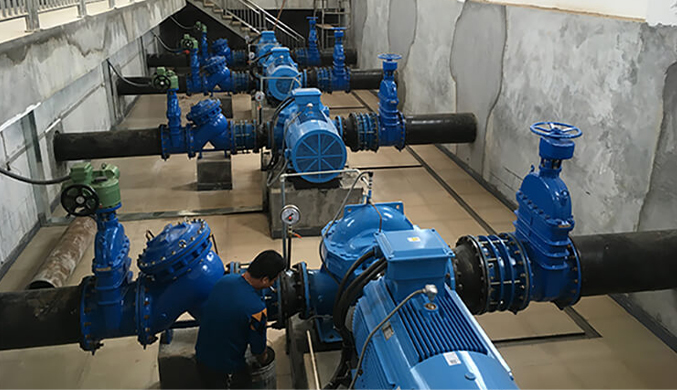
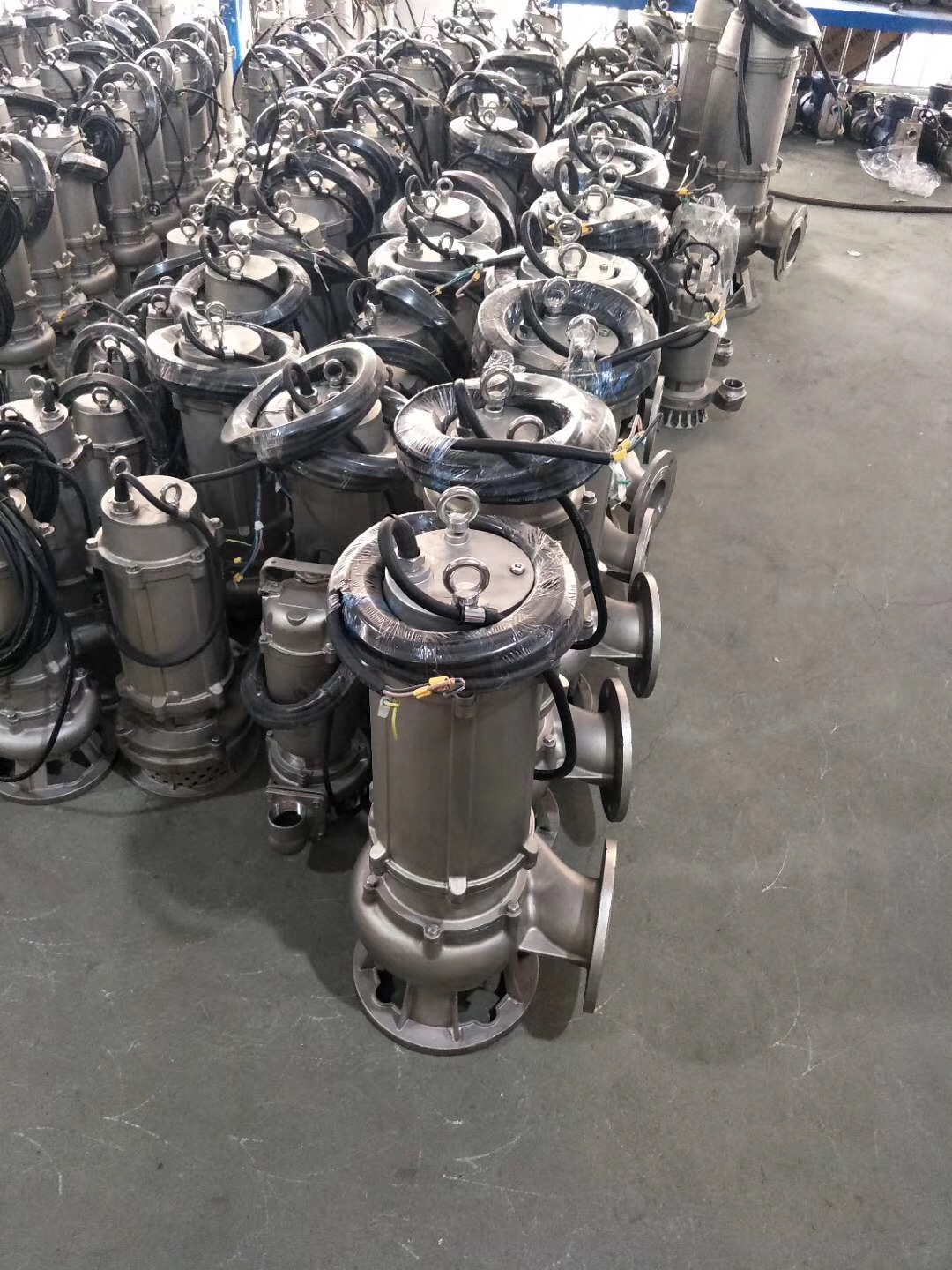
Slurry dewatering pumps are specialized centrifugal pumps designed to efficiently remove liquid from solid-laden slurries. They occupy a critical position in numerous industrial processes, functioning as a vital component in solids control and waste management systems. Unlike conventional pumps, slurry dewatering pumps are engineered to handle high solid concentrations, abrasive particles, and varying slurry viscosities. Their core performance metrics center around solids handling capacity (volume percentage solids), differential head (the height the pump can lift the slurry), and pump efficiency, all impacting overall process productivity and operational costs. A key pain point in the industry revolves around pump wear, necessitating frequent maintenance and replacement due to the abrasive nature of many slurries. This guide will provide an in-depth examination of the material science, manufacturing processes, performance characteristics, failure modes, and maintenance protocols associated with slurry dewatering pumps.
Material Science & Manufacturing
The performance and longevity of a slurry dewatering pump are profoundly impacted by the materials of construction. Pump casings are commonly constructed from high-chrome iron alloys (typically 27-30% chromium) due to their exceptional abrasion resistance, exceeding that of standard cast iron by a significant margin. Impeller materials vary based on slurry composition; for highly abrasive silica-based slurries, high-chrome iron is prevalent. However, for corrosive slurries (e.g., containing acids or alkalis), stainless steel alloys (316SS, duplex stainless steel) or specialized polymer coatings are employed. Elastomeric components – liners, seals, and gaskets – frequently utilize natural rubber, EPDM (ethylene propylene diene monomer), or polyurethane, selected for their resilience and chemical compatibility.
Manufacturing processes begin with sand casting for the pump casing and impeller, followed by meticulous heat treatment to optimize hardness and toughness. Welding is used for joining casing components, requiring stringent quality control to prevent porosity and stress concentrations. Impellers are often manufactured using a lost-wax casting process, allowing for complex geometries optimized for hydraulic efficiency. Surface hardening techniques, such as induction hardening, are applied to critical wear areas. For polymer-lined pumps, the rubber lining is vulcanized directly to the metal casing, creating a robust bond. Parameter control during vulcanization – temperature, pressure, and duration – is critical to ensure uniform lining thickness and adhesion. Machining operations follow casting and welding, achieving precise tolerances for impeller clearances and seal fitment. Non-destructive testing (NDT) methods, including radiographic inspection and ultrasonic testing, are employed to verify weld integrity and identify subsurface defects.
Performance & Engineering
The performance of a slurry dewatering pump is fundamentally governed by the principles of fluid dynamics and the characteristics of the slurry itself. Force analysis considers centrifugal force generated by the impeller, gravitational settling of solids, and hydrodynamic drag. Pump curves – graphs depicting head, flow rate, and efficiency – are essential for selecting the appropriate pump for a given application. Environmental resistance is a major engineering consideration; pumps operating in harsh climates require appropriate sealing and corrosion protection. Compliance requirements often dictate specific material certifications (e.g., NACE MR0175 for sour service applications) and safety standards (e.g., ATEX certification for explosive atmospheres).
The functional implementation relies on the impeller’s ability to impart kinetic energy to the slurry, converting it into pressure energy. The pump casing is designed to efficiently collect the discharged slurry and direct it to the discharge nozzle. Seal design is paramount, preventing leakage and ingress of abrasive particles. Mechanical seals are commonly used, employing rotating and stationary faces that create a leak-tight barrier. The pump’s Net Positive Suction Head Required (NPSHr) must be less than the Net Positive Suction Head Available (NPSHa) in the system to prevent cavitation – the formation of vapor bubbles that can damage the impeller. Proper pipe sizing and layout are crucial to minimize friction losses and ensure adequate flow rates. Variable Frequency Drives (VFDs) are increasingly used to control pump speed and optimize energy consumption based on varying process demands.
Technical Specifications
| Pump Model | Maximum Flow Rate (m³/hr) | Maximum Head (m) | Maximum Solids Concentration (% by volume) |
|---|---|---|---|
| SDP-80A | 150 | 30 | 60 |
| SDP-150B | 300 | 50 | 70 |
| SDP-200C | 450 | 75 | 65 |
| SDP-300D | 600 | 100 | 55 |
| SDP-400E | 800 | 120 | 50 |
| SDP-500F | 1000 | 150 | 45 |
Failure Mode & Maintenance
Slurry dewatering pumps are susceptible to a range of failure modes. Fatigue cracking is common in the pump casing and impeller due to cyclical loading and stress concentrations. Impeller wear is a primary concern, particularly in highly abrasive slurries, leading to reduced pump efficiency and flow rate. Delamination of rubber linings can occur due to poor adhesion or chemical attack. Erosion-corrosion, a synergistic effect of abrasion and corrosion, accelerates material degradation. Oxidation of metallic components can also lead to corrosion.
Preventive maintenance is crucial. Regular inspections should focus on impeller wear, seal integrity, bearing lubrication, and casing condition. Impeller replacement is typically required every 6-12 months, depending on slurry abrasiveness. Seal replacement should be performed annually or as needed. Bearing lubrication intervals should be strictly adhered to. Casing inspections should identify any signs of cracking or corrosion. Proper slurry handling practices – minimizing solids velocity and avoiding sudden flow changes – can significantly extend pump life. When replacing components, it is essential to use materials compatible with the slurry composition. Vibration analysis can detect early signs of bearing failure or impeller imbalance. Consider implementing a predictive maintenance program based on condition monitoring data.
Industry FAQ
Q: What is the primary difference between a slurry pump and a standard centrifugal pump?
A: Slurry pumps are specifically engineered to handle abrasive and erosive solids, incorporating hardened materials, larger clearances, and robust designs. Standard centrifugal pumps are optimized for clean liquids and lack the wear resistance necessary for slurry applications. Using a standard pump with slurry will result in rapid degradation and failure.
Q: How do I select the correct impeller material for a specific slurry?
A: Impeller material selection depends on the slurry’s abrasive and corrosive properties. High-chrome iron is suitable for abrasive, non-corrosive slurries. Stainless steel or polymer coatings are required for corrosive slurries. A slurry analysis, including particle size distribution and chemical composition, is essential for making an informed decision.
Q: What are the common causes of cavitation in slurry pumps?
A: Cavitation is typically caused by insufficient NPSHa (Net Positive Suction Head Available) in the system. This can be due to high suction lift, inadequate pipe diameter, or restrictions in the suction line. Correcting these issues will eliminate cavitation.
Q: How can I extend the life of a mechanical seal in a slurry pump?
A: Maintaining proper seal flush pressure and ensuring the slurry is adequately filtered are crucial. Using a seal material compatible with the slurry composition and avoiding dry running conditions will also extend seal life. Regular inspections and timely replacement are essential.
Q: What role do VFDs play in slurry pump applications?
A: VFDs allow for precise control of pump speed, optimizing energy consumption and reducing wear by adjusting flow rate to match process demands. They can also prevent pump overload and extend pump life by minimizing hydraulic shocks.
Conclusion
Slurry dewatering pumps are essential components in a wide range of industrial applications demanding robust solids handling capabilities. The selection and implementation of these pumps necessitates a thorough understanding of material science, manufacturing techniques, performance engineering, and potential failure modes. Optimized pump operation relies on careful material selection based on slurry characteristics, diligent adherence to maintenance protocols, and consideration of environmental and regulatory compliance standards.
Future trends in slurry pump technology focus on developing more wear-resistant materials, improving impeller hydraulic efficiency, and integrating advanced monitoring and control systems. Predictive maintenance strategies, leveraging data analytics and condition monitoring, will become increasingly prevalent. Furthermore, the development of more sustainable and energy-efficient pump designs will be crucial for minimizing environmental impact and reducing operational costs.
-
Comprehensive Guide to Waterproof ORings for Optimal Sealing Solutions
News2026-06-09
-
heavy duty submersible pump Performance Analysis
News2026-06-25
-
best submersible pump for septic tank Performance Analysis
News2026-06-25
-
basement sewer ejector pump Performance Analysis
News2026-06-25
-
basement pumps ejector pumps Performance Analysis
News2026-06-25
-
basement lift pump Performance and Engineering
News2026-06-25
-
basement bathroom pump systems Performance Analysis
News2026-06-24
-
basement bathroom ejector pump system Performance Engineering
News2026-06-24
-
2 hp sewage pump Performance Engineering
News2026-06-24
-
1 hp septic pump Performance Engineering
News2026-06-24
-
submersible effluent pump Performance Analysis
News2026-06-24
-
submergable pump Material Science
News2026-06-23
-
sewer injection pump Performance Engineering
News2026-06-23
-
Sewer Ejector Pump System Performance Analysis
News2026-06-23
-
septic tank pump for sale Performance Engineering
News2026-06-23




