English
- Afrikaans
- Albanian
- Amharic
- Arabic
- Armenian
- Azerbaijani
- Basque
- Belarusian
- Bengali
- Bosnian
- Bulgarian
- Catalan
- Cebuano
- Corsican
- Croatian
- Czech
- Danish
- Dutch
- English
- Esperanto
- Estonian
- Finnish
- French
- Frisian
- Galician
- Georgian
- German
- Greek
- Gujarati
- Haitian Creole
- hausa
- hawaiian
- Hebrew
- Hindi
- Miao
- Hungarian
- Icelandic
- igbo
- Indonesian
- irish
- Italian
- Japanese
- Javanese
- Kannada
- kazakh
- Khmer
- Rwandese
- Korean
- Kurdish
- Kyrgyz
- Lao
- Latin
- Latvian
- Lithuanian
- Luxembourgish
- Macedonian
- Malgashi
- Malay
- Malayalam
- Maltese
- Maori
- Marathi
- Mongolian
- Myanmar
- Nepali
- Norwegian
- Norwegian
- Occitan
- Pashto
- Persian
- Polish
- Portuguese
- Punjabi
- Romanian
- Russian
- Samoan
- Scottish Gaelic
- Serbian
- Sesotho
- Shona
- Sindhi
- Sinhala
- Slovak
- Slovenian
- Somali
- Spanish
- Sundanese
- Swahili
- Swedish
- Tagalog
- Tajik
- Tamil
- Tatar
- Telugu
- Thai
- Turkish
- Turkmen
- Ukrainian
- Urdu
- Uighur
- Uzbek
- Vietnamese
- Welsh
- Bantu
- Yiddish
- Yoruba
- Zulu

Telephone: +86 13120555503
Email: frank@cypump.com


Apr . 01, 2024 17:55 Back to list
slurry circulating pump Material Science and Manufacturing
Introduction
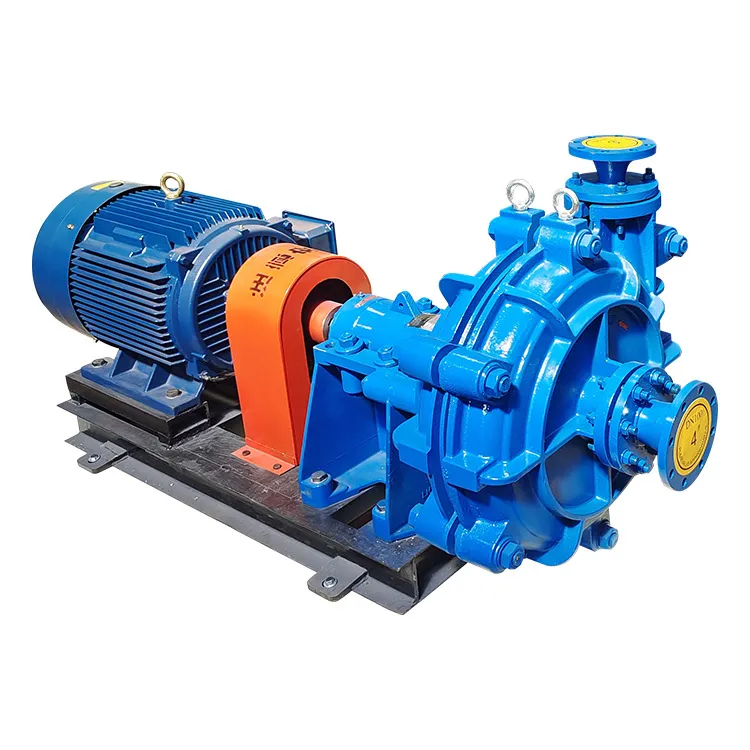
Slurry circulating pumps are critical components in numerous industrial processes involving the transportation of abrasive and corrosive fluid mixtures – collectively known as slurries. These pumps are distinct from centrifugal pumps designed for clean fluids due to their robust construction and specialized hydraulic designs, intended to mitigate wear, erosion, and blockage. They find applications across diverse sectors including mining, mineral processing, wastewater treatment, chemical processing, and power generation. Their technical position within the industry chain is as a core enabling technology, directly impacting the efficiency and reliability of downstream processes. Core performance characteristics hinge upon flow rate, head (pressure), solids handling capacity, and resistance to abrasive wear, all contributing to overall system uptime and operational costs. The industry faces consistent pain points relating to pump lifespan, energy efficiency during high-solids concentration pumping, and maintaining process continuity in aggressive chemical environments.
Material Science & Manufacturing
The construction of slurry circulating pumps necessitates careful material selection to withstand the inherent challenges posed by abrasive and corrosive slurries. Pump casings are commonly fabricated from high-chromium cast irons (typically 27-30% Cr) offering excellent abrasion resistance, but susceptible to corrosion in highly acidic or alkaline environments. For severe chemical applications, duplex stainless steels (e.g., 2205, 2507) or super austenitic stainless steels are employed, prioritizing corrosion resistance over abrasion resistance. Impellers, the core fluid-handling component, frequently utilize similar materials to the casing. However, white cast irons, containing a high proportion of iron carbide, are sometimes used for extreme abrasion resistance, albeit with reduced impact toughness. Shafts are typically constructed from alloy steels, heat treated to achieve high tensile strength and fatigue resistance. Elastomeric liners (rubber, polyurethane) are also implemented in casing and impeller designs to provide a sacrificial wear layer, extending component life.
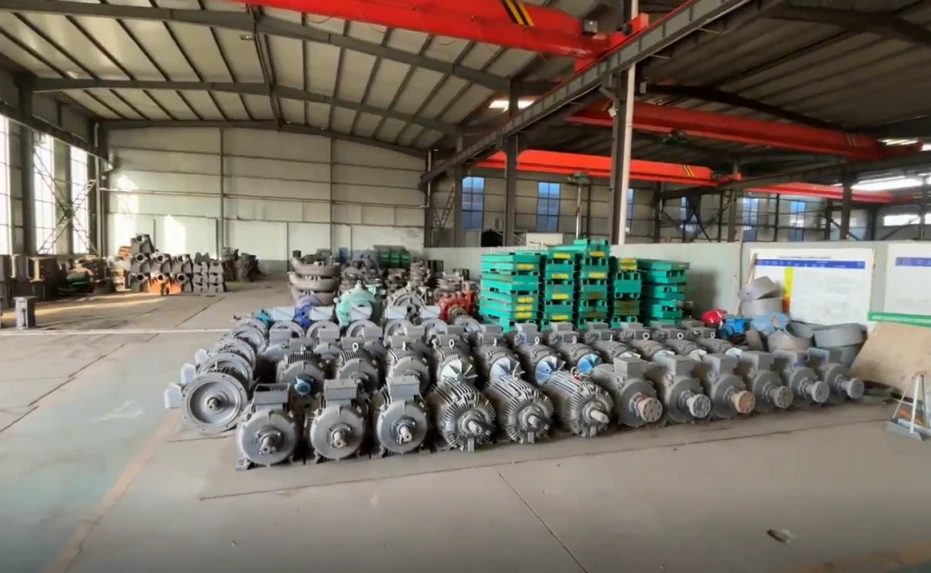
Manufacturing processes involve several critical stages. Casing production often utilizes sand casting followed by meticulous heat treatment and machining to achieve precise dimensions and surface finish. Impellers are typically produced through investment casting, providing the capability to create complex geometries necessary for efficient slurry flow. Welding is frequently used for joining components, requiring specialized welding procedures (e.g., shielded metal arc welding - SMAW, gas tungsten arc welding - GTAW) and qualified welders to ensure weld integrity and prevent corrosion initiation. Critical parameters during manufacturing include chemical composition control, hardness testing (Brinell, Vickers), non-destructive testing (NDT) such as radiographic inspection and liquid penetrant examination, and dimensional accuracy verification using Coordinate Measuring Machines (CMMs). Surface treatments like hard facing and ceramic coatings are also applied to specific wear areas to further enhance component durability.
Performance & Engineering
Slurry pump performance is governed by a complex interplay of hydraulic forces, fluid properties, and pump geometry. Force analysis centers on understanding the impact of solid particles on impeller vanes and casing walls, leading to erosion and wear. Cavitation, a phenomenon caused by pressure drop below the liquid’s vapor pressure, is a significant concern, particularly at high flow rates or with fluids of low vapor pressure. Engineers employ computational fluid dynamics (CFD) simulations to optimize impeller designs and minimize cavitation risk. Environmental resistance is crucial; pumps operating outdoors must be protected against temperature extremes, rain, and UV radiation. Sealing systems (mechanical seals, packing glands) must maintain leak-free operation under varying temperatures and pressures, considering the abrasive nature of the slurry. Compliance requirements are stringent, demanding adherence to industry standards related to safety (e.g., pressure vessel standards – ASME Section VIII), electrical safety (IEC standards), and environmental regulations regarding emissions and waste disposal.
Functional implementation often involves selecting the appropriate pump type (centrifugal, positive displacement) based on slurry characteristics and process requirements. Centrifugal pumps are preferred for high-volume, low-head applications, while positive displacement pumps (e.g., progressing cavity pumps) are better suited for viscous slurries or applications requiring precise flow control. Pump performance curves (head vs. flow rate, power consumption vs. flow rate) are essential for selecting the optimal pump size and operating point. Variable frequency drives (VFDs) are frequently incorporated to adjust pump speed and optimize energy consumption, particularly in applications with fluctuating flow demands. System design considerations include pipeline layout, pipe material selection (considering corrosion and abrasion), and the installation of strainers or separators to remove large particles that could damage the pump.
Technical Specifications
| Parameter | Unit | Typical Range (Small Pump) | Typical Range (Large Pump) |
|---|---|---|---|
| Flow Rate | m³/hr | 5 – 50 | 200 – 1000 |
| Head (Pressure) | m | 10 – 30 | 50 – 150 |
| Solids Handling Capacity | % by weight | 10 – 30 | 30 – 60 |
| Maximum Particle Size | mm | 6 – 25 | 25 – 100 |
| Pump Material (Casing) | - | High-Chromium Cast Iron | Duplex Stainless Steel |
| Power Consumption | kW | 1.5 – 7.5 | 30 – 150 |
Failure Mode & Maintenance
Slurry pump failures are multifaceted, stemming from the abrasive, corrosive, and erosive nature of the transported fluids. Common failure modes include impeller wear (erosion, cavitation erosion), casing wear (abrasion, corrosion), seal failures (abrasion, chemical attack), bearing failures (contamination, lubrication failure), and shaft failures (fatigue cracking, corrosion). Failure analysis often reveals a combination of factors. For example, cavitation erosion is exacerbated by high flow rates and the presence of hard particles. Corrosion is accelerated by high temperatures and the concentration of corrosive chemicals. Fatigue cracking can initiate from stress concentrations in welds or around shaft keyways.
Preventative maintenance is paramount. Regular inspections should focus on identifying signs of wear (e.g., reduced flow rate, increased power consumption, unusual noise). Visual inspection of impellers and casings can reveal wear patterns and potential cracking. Lubrication schedules must be strictly adhered to, ensuring proper bearing lubrication. Seal replacement should be performed proactively, before complete failure occurs. Periodic vibration analysis can detect bearing wear or impeller imbalance. When failures occur, root cause analysis (RCA) is critical to prevent recurrence. This involves examining the failed components, analyzing operating data, and identifying contributing factors. Maintenance solutions include impeller and casing replacement, seal replacement, bearing replacement, weld repair (for minor cracks), and the implementation of improved operating procedures (e.g., reducing flow rate, adjusting slurry concentration).
Industry FAQ
Q: What are the key considerations when selecting a slurry pump for a highly abrasive application?
A: The primary considerations are material selection, impeller design, and pump speed. High-chromium cast irons or ceramic-lined components offer excellent abrasion resistance. Impeller designs should minimize sharp corners and flow obstructions to reduce erosion. Lower pump speeds generally result in reduced wear rates, although this may require a larger pump to achieve the desired flow rate and head.
Q: How does the slurry’s solid concentration affect pump performance and lifespan?
A: Higher solid concentrations increase wear rates and power consumption. Pumps designed for handling high-solids slurries typically have larger impeller clearances and more robust construction. It’s crucial to ensure the pump is appropriately sized for the specific solids concentration to avoid premature failure.
Q: What are the common causes of cavitation in slurry pumps?
A: Cavitation is typically caused by insufficient inlet pressure, excessive flow rates, or the presence of gas in the slurry. Ensuring adequate net positive suction head available (NPSHA) is critical. Reducing flow rates or degassing the slurry can also help prevent cavitation.
Q: What type of sealing system is best suited for abrasive slurries?
A: Mechanical seals with hardened faces (e.g., silicon carbide, tungsten carbide) are generally preferred for abrasive slurries. Double mechanical seals with a barrier fluid provide an additional layer of protection and can prevent slurry ingress into the seal chamber.
Q: How often should a slurry pump be inspected for wear and tear?
A: Inspection frequency depends on the severity of the application and the slurry’s abrasiveness. A visual inspection should be conducted at least monthly, with more frequent inspections (weekly) for highly abrasive slurries. Regular performance monitoring (flow rate, pressure, power consumption) can also provide early indications of wear.
Conclusion
Slurry circulating pumps represent a complex engineering challenge requiring careful consideration of material science, hydraulic design, and operational factors. Selecting the appropriate pump for a given application necessitates a thorough understanding of the slurry’s properties, including solids concentration, particle size, and chemical composition. Proactive maintenance and regular monitoring are crucial for maximizing pump lifespan and minimizing downtime.
Future advancements in slurry pump technology are likely to focus on developing more wear-resistant materials, optimizing impeller designs for improved efficiency, and integrating smart sensors for predictive maintenance. Furthermore, the development of pumps specifically designed for handling increasingly challenging slurries – containing highly abrasive or corrosive compounds – will remain a key area of innovation, driving improvements in operational efficiency and sustainability across a diverse range of industries.
-
Comprehensive Guide to Waterproof ORings for Optimal Sealing Solutions
News2026-06-09
-
heavy duty submersible pump Performance Analysis
News2026-06-25
-
best submersible pump for septic tank Performance Analysis
News2026-06-25
-
basement sewer ejector pump Performance Analysis
News2026-06-25
-
basement pumps ejector pumps Performance Analysis
News2026-06-25
-
basement lift pump Performance and Engineering
News2026-06-25
-
basement bathroom pump systems Performance Analysis
News2026-06-24
-
basement bathroom ejector pump system Performance Engineering
News2026-06-24
-
2 hp sewage pump Performance Engineering
News2026-06-24
-
1 hp septic pump Performance Engineering
News2026-06-24
-
submersible effluent pump Performance Analysis
News2026-06-24
-
submergable pump Material Science
News2026-06-23
-
sewer injection pump Performance Engineering
News2026-06-23
-
Sewer Ejector Pump System Performance Analysis
News2026-06-23
-
septic tank pump for sale Performance Engineering
News2026-06-23




