English
- Afrikaans
- Albanian
- Amharic
- Arabic
- Armenian
- Azerbaijani
- Basque
- Belarusian
- Bengali
- Bosnian
- Bulgarian
- Catalan
- Cebuano
- Corsican
- Croatian
- Czech
- Danish
- Dutch
- English
- Esperanto
- Estonian
- Finnish
- French
- Frisian
- Galician
- Georgian
- German
- Greek
- Gujarati
- Haitian Creole
- hausa
- hawaiian
- Hebrew
- Hindi
- Miao
- Hungarian
- Icelandic
- igbo
- Indonesian
- irish
- Italian
- Japanese
- Javanese
- Kannada
- kazakh
- Khmer
- Rwandese
- Korean
- Kurdish
- Kyrgyz
- Lao
- Latin
- Latvian
- Lithuanian
- Luxembourgish
- Macedonian
- Malgashi
- Malay
- Malayalam
- Maltese
- Maori
- Marathi
- Mongolian
- Myanmar
- Nepali
- Norwegian
- Norwegian
- Occitan
- Pashto
- Persian
- Polish
- Portuguese
- Punjabi
- Romanian
- Russian
- Samoan
- Scottish Gaelic
- Serbian
- Sesotho
- Shona
- Sindhi
- Sinhala
- Slovak
- Slovenian
- Somali
- Spanish
- Sundanese
- Swahili
- Swedish
- Tagalog
- Tajik
- Tamil
- Tatar
- Telugu
- Thai
- Turkish
- Turkmen
- Ukrainian
- Urdu
- Uighur
- Uzbek
- Vietnamese
- Welsh
- Bantu
- Yiddish
- Yoruba
- Zulu

Telephone: +86 13120555503
Email: frank@cypump.com


Apr . 01, 2024 17:55 Back to list
slurry booster pump Performance and Engineering
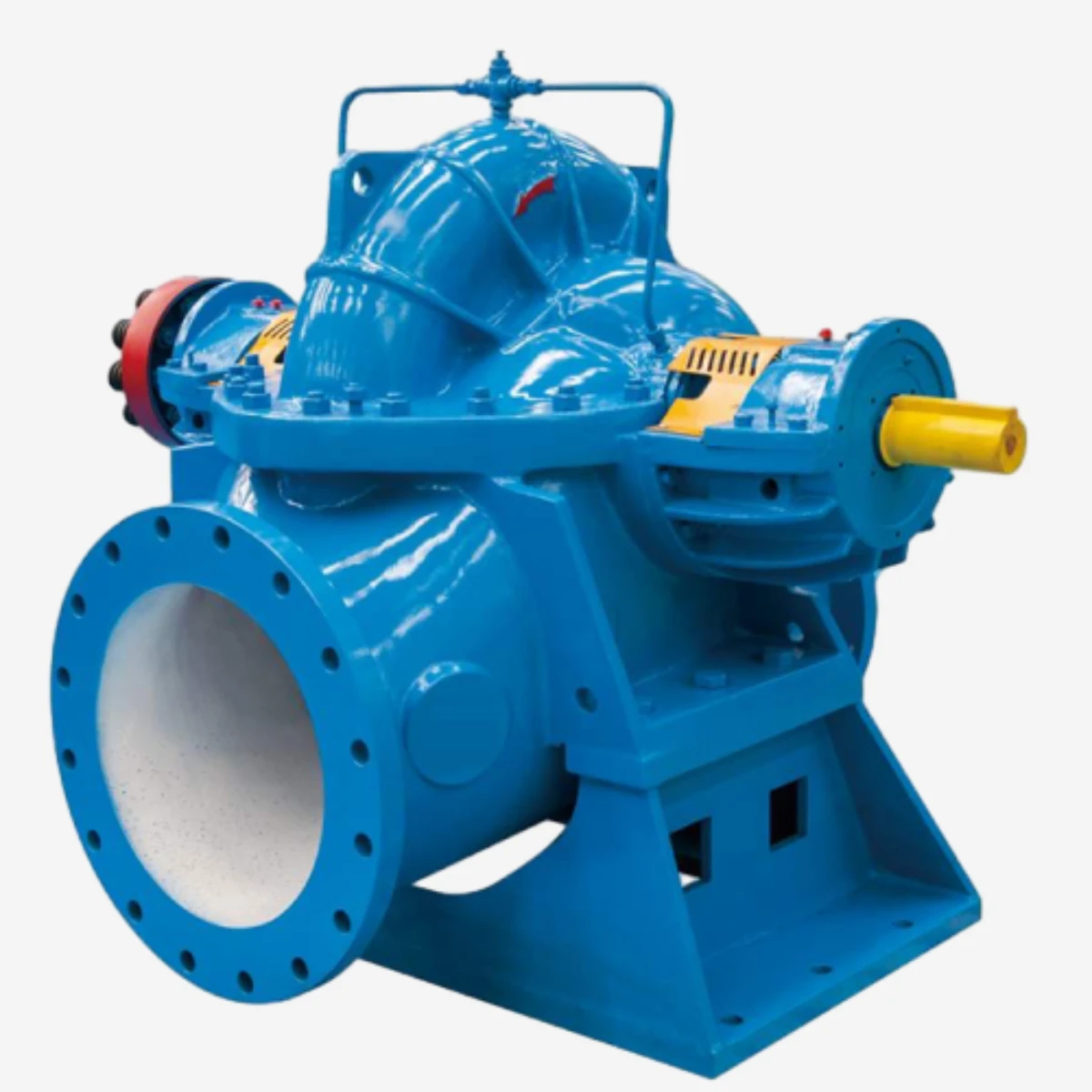
Introduction
Slurry booster pumps are positive displacement pumps specifically engineered to increase the pressure and flow rate of abrasive or dense slurries. Unlike centrifugal pumps, which are sensitive to increasing slurry viscosity and solids content, slurry booster pumps maintain efficiency even with highly concentrated mixtures. Their technical position in the industry chain is typically downstream of initial slurry generation (e.g., mining, dredging, industrial waste processing) and upstream of final processing or disposal. Core performance characteristics are defined by flow rate (typically measured in gallons per minute or cubic meters per hour), discharge pressure (PSI or Bar), solids handling capability (particle size and concentration), and resistance to abrasive wear. These pumps are critical for overcoming frictional head loss in long pipelines, elevating slurries to higher elevations, and improving the overall efficiency of slurry transport systems. A key pain point for industries employing these pumps is minimizing downtime due to wear and maintaining consistent performance despite fluctuating slurry characteristics.
Material Science & Manufacturing
The construction of slurry booster pumps relies heavily on materials capable of withstanding abrasive wear and corrosive environments. Common materials include high-chromium cast irons (typically 13-28% Cr) for pump casings and impellers, offering excellent abrasion resistance. For highly corrosive slurries, duplex stainless steels (e.g., 2205, 2507) or even super duplex stainless steels are employed. Elastomeric liners, often made of natural rubber, polyurethane, or chloroprene, are frequently used to protect pump housings from erosion and impact. Manufacturing processes vary depending on component complexity. Casings are often produced via sand casting or investment casting, followed by heat treatment to achieve desired hardness and microstructure. Impellers can be manufactured using similar casting techniques, or, for smaller pumps, via machining from solid bar stock. Critical parameters during manufacturing include proper alloy composition verification (spectrometric analysis), heat treatment control (hardness testing, microstructural analysis), and dimensional accuracy (coordinate measuring machines – CMM). Welding, if required, must adhere to stringent standards (e.g., ASME Section IX) to ensure joint integrity and corrosion resistance. Surface treatments such as hardfacing (applying a wear-resistant coating) are also common, particularly on impeller vanes and liner surfaces. The rubber lining process utilizes vulcanization, requiring precise temperature and pressure control to achieve optimal bonding and mechanical properties.
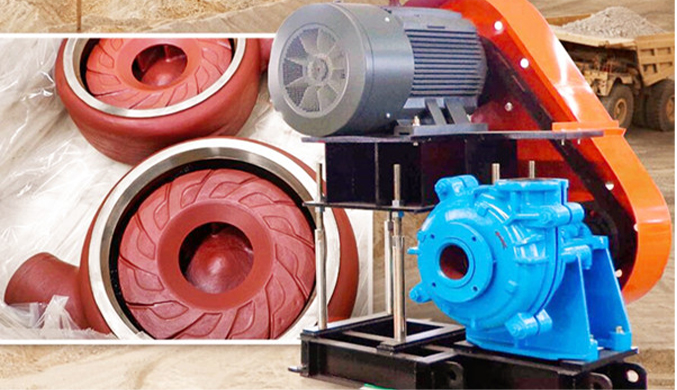
Performance & Engineering
The performance of a slurry booster pump is dictated by several engineering principles. Force analysis involves considering the hydrostatic pressure exerted by the slurry, the dynamic forces generated by the impeller, and the mechanical stresses on pump components. Cavitation, a critical concern, occurs when the absolute pressure drops below the vapor pressure of the slurry, forming bubbles that collapse violently, causing erosion. Net Positive Suction Head Required (NPSHr) is a key parameter to prevent cavitation, and pump selection must ensure sufficient NPSHa (Net Positive Suction Head Available) at the pump inlet. Environmental resistance is crucial, particularly in outdoor installations. Pump materials must be selected based on operating temperature, exposure to UV radiation, and potential for corrosion from atmospheric conditions. Compliance requirements vary by region and application. For example, pumps used in the oil and gas industry must comply with API 674 standards, while those used in mining operations may need to meet MSHA regulations. Functional implementation involves careful consideration of the pump's hydraulic design (impeller geometry, volute shape), sealing systems (mechanical seals, packing glands), and drive mechanisms (electric motors, hydraulic drives). Proper pipe support and alignment are essential to minimize vibration and stress on the pump. Slurry velocity within the pump and piping must be maintained within acceptable limits to avoid excessive wear and settling of solids. Pump curves, which plot head versus flow rate, are essential for selecting the appropriate pump size and predicting its performance under various operating conditions.
Technical Specifications
| Parameter | Units | Typical Range | Material Options |
|---|---|---|---|
| Flow Rate | GPM (US) | 50 - 500 | Cast Iron, Stainless Steel |
| Discharge Pressure | PSI | 50 - 250 | Cast Iron, Stainless Steel |
| Solids Handling | Inch (particle size) | Up to 3 | Rubber Lined, High Chrome Iron |
| Slurry Concentration | % by Weight | Up to 70 | Various Material Combinations |
| Temperature Range | °F | -20 to 250 | Dependent on Seal and Liner Material |
| Drive Power | HP | 5 - 50 | Electric Motor, Hydraulic Motor |
Failure Mode & Maintenance
Slurry booster pumps are susceptible to several failure modes. Fatigue cracking, particularly in pump casings and impellers, can occur due to cyclical loading and stress concentrations. Erosion, caused by the abrasive nature of the slurry, leads to material loss and dimensional changes. Corrosion, especially in aggressive chemical environments, weakens pump components and can cause leaks. Delamination of rubber liners is a common issue, resulting from poor bonding or excessive shear stress. Oxidation of metallic components can occur at high temperatures, reducing their mechanical strength. Failure analysis often involves visual inspection (crack detection, erosion patterns), non-destructive testing (ultrasonic testing, dye penetrant inspection), and metallurgical analysis (microstructural examination, chemical composition analysis). Preventative maintenance is crucial. Regular inspections should be conducted to identify signs of wear, corrosion, or damage. Lubrication of bearings and seals is essential to reduce friction and prevent overheating. Proper alignment of the pump and motor minimizes vibration and extends component life. Impeller and liner replacements are typically required periodically based on wear rates. Monitoring pump performance (flow rate, pressure, power consumption) can provide early warning signs of potential problems. Consider implementing a condition-based maintenance program based on vibration analysis and oil analysis to proactively address issues before catastrophic failures occur.
Industry FAQ
Q: What is the primary difference between a slurry booster pump and a centrifugal pump when handling abrasive slurries?
A: Centrifugal pumps experience a significant drop in efficiency and performance as slurry viscosity increases and solids content rises. They are prone to impeller wear and internal recirculation. Slurry booster pumps, being positive displacement, maintain a relatively consistent flow rate and pressure regardless of slurry characteristics. They are specifically designed to handle high concentrations of solids and abrasive materials without significant performance degradation.
Q: How do I select the appropriate liner material for my specific slurry?
A: Liner material selection depends on the slurry’s composition, particle size, velocity, and operating temperature. Natural rubber is suitable for general-purpose applications with moderate abrasion. Polyurethane offers better abrasion resistance but may be less resistant to certain chemicals. Chloroprene provides excellent resistance to oils and solvents. Consider conducting abrasion resistance tests with representative slurry samples to determine the optimal liner material.
Q: What are the key considerations for preventing cavitation in a slurry booster pump?
A: Ensure sufficient NPSHa (Net Positive Suction Head Available) at the pump inlet. This requires minimizing suction lift, increasing suction pipe diameter, and reducing fluid velocity in the suction piping. Proper pump selection, based on the slurry’s vapor pressure and operating conditions, is also crucial. Regular monitoring of suction pressure can help identify potential cavitation issues.
Q: How can I extend the lifespan of my slurry booster pump’s mechanical seal?
A: Maintain proper lubrication and cooling of the seal. Ensure the slurry is clean and free of large particles that could damage the seal faces. Select a seal material that is compatible with the slurry’s chemical composition. Minimize pressure fluctuations and vibration. Regularly inspect the seal for signs of wear or leakage.
Q: What are the typical maintenance intervals for a slurry booster pump?
A: Daily inspections for leaks and unusual noises. Monthly lubrication of bearings and seals. Quarterly visual inspection of pump components for wear and corrosion. Annual impeller and liner inspection, with replacement as needed based on wear rates. Implement a vibration analysis program to detect potential problems before they escalate. Record all maintenance activities to track performance and identify trends.
Conclusion
Slurry booster pumps represent a critical technology for industries handling abrasive and dense slurries, providing a reliable means of increasing pressure and flow rates where centrifugal pumps falter. Their design and material selection are intrinsically linked to the specific slurry characteristics and operating conditions, demanding a thorough understanding of material science, fluid dynamics, and failure mechanisms. Effective preventative maintenance and regular performance monitoring are essential for maximizing pump lifespan and minimizing downtime.
Future trends in slurry booster pump technology will likely focus on the development of more wear-resistant materials, improved sealing systems, and advanced monitoring capabilities. Smart pumps equipped with sensors and data analytics will enable predictive maintenance and optimized performance. Furthermore, the integration of variable frequency drives (VFDs) will allow for greater control over pump speed and flow rate, enhancing energy efficiency and process control.
-
Comprehensive Guide to Waterproof ORings for Optimal Sealing Solutions
News2026-06-09
-
heavy duty submersible pump Performance Analysis
News2026-06-25
-
best submersible pump for septic tank Performance Analysis
News2026-06-25
-
basement sewer ejector pump Performance Analysis
News2026-06-25
-
basement pumps ejector pumps Performance Analysis
News2026-06-25
-
basement lift pump Performance and Engineering
News2026-06-25
-
basement bathroom pump systems Performance Analysis
News2026-06-24
-
basement bathroom ejector pump system Performance Engineering
News2026-06-24
-
2 hp sewage pump Performance Engineering
News2026-06-24
-
1 hp septic pump Performance Engineering
News2026-06-24
-
submersible effluent pump Performance Analysis
News2026-06-24
-
submergable pump Material Science
News2026-06-23
-
sewer injection pump Performance Engineering
News2026-06-23
-
Sewer Ejector Pump System Performance Analysis
News2026-06-23
-
septic tank pump for sale Performance Engineering
News2026-06-23




