English
- Afrikaans
- Albanian
- Amharic
- Arabic
- Armenian
- Azerbaijani
- Basque
- Belarusian
- Bengali
- Bosnian
- Bulgarian
- Catalan
- Cebuano
- Corsican
- Croatian
- Czech
- Danish
- Dutch
- English
- Esperanto
- Estonian
- Finnish
- French
- Frisian
- Galician
- Georgian
- German
- Greek
- Gujarati
- Haitian Creole
- hausa
- hawaiian
- Hebrew
- Hindi
- Miao
- Hungarian
- Icelandic
- igbo
- Indonesian
- irish
- Italian
- Japanese
- Javanese
- Kannada
- kazakh
- Khmer
- Rwandese
- Korean
- Kurdish
- Kyrgyz
- Lao
- Latin
- Latvian
- Lithuanian
- Luxembourgish
- Macedonian
- Malgashi
- Malay
- Malayalam
- Maltese
- Maori
- Marathi
- Mongolian
- Myanmar
- Nepali
- Norwegian
- Norwegian
- Occitan
- Pashto
- Persian
- Polish
- Portuguese
- Punjabi
- Romanian
- Russian
- Samoan
- Scottish Gaelic
- Serbian
- Sesotho
- Shona
- Sindhi
- Sinhala
- Slovak
- Slovenian
- Somali
- Spanish
- Sundanese
- Swahili
- Swedish
- Tagalog
- Tajik
- Tamil
- Tatar
- Telugu
- Thai
- Turkish
- Turkmen
- Ukrainian
- Urdu
- Uighur
- Uzbek
- Vietnamese
- Welsh
- Bantu
- Yiddish
- Yoruba
- Zulu

Telephone: +86 13120555503
Email: frank@cypump.com


Apr . 01, 2024 17:55 Back to list
sludge pump submersible Material Science
Introduction
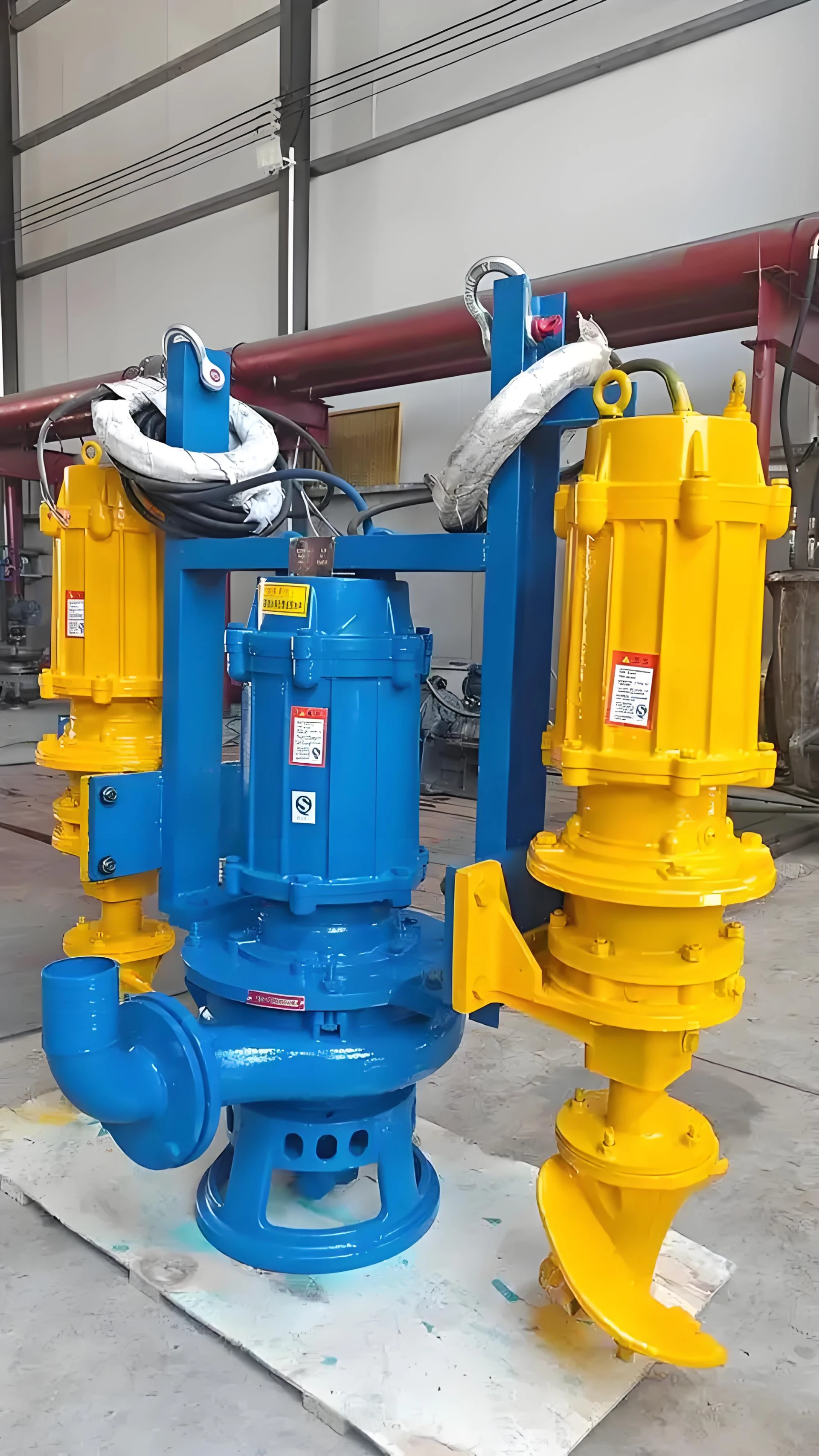
Submersible sludge pumps are electromechanical devices designed to efficiently transfer abrasive, viscous, and solids-laden fluids – commonly referred to as sludge – from one location to another. Their primary application lies within wastewater treatment plants, industrial processing facilities, mining operations, and construction sites. Unlike surface-mounted pumps, submersible designs are completely immersed in the fluid, eliminating the need for priming and offering significant advantages in challenging environments. The technical position of these pumps is critical within the broader water and wastewater management infrastructure. Core performance metrics center around solids handling capability, flow rate, head (discharge pressure), efficiency, and overall reliability in corrosive and abrasive conditions. The increasing stringency of environmental regulations and the demand for efficient resource recovery are driving advancements in submersible sludge pump technology, focusing on improved hydraulic design, materials science, and intelligent control systems.
Material Science & Manufacturing
The construction of submersible sludge pumps necessitates materials exhibiting high resistance to abrasion, corrosion, and mechanical stress. Pump housings are frequently manufactured from ductile iron (ASTM A536-83) due to its tensile strength and impact resistance, often further enhanced with epoxy or polyurethane coatings for improved chemical resistance. Impellers, the rotating components responsible for generating flow, are typically cast from high-chrome cast iron (typically exceeding 15% chrome content) or hardened stainless steel (e.g., 352 stainless steel) to withstand the impact of solid particles. Shafts are generally constructed from 4140 alloy steel, heat-treated to achieve high yield strength and fatigue resistance. Seals are crucial for preventing water ingress into the motor and are commonly composed of silicon carbide or tungsten carbide materials, selected for their hardness and wear resistance. Manufacturing processes include sand casting for the housing and impeller, precision machining for the shaft and wear plates, and investment casting for complex impeller geometries. Key parameter control during manufacturing focuses on dimensional accuracy, surface finish, and heat treatment consistency to ensure optimal performance and longevity. Welding processes, particularly shielded metal arc welding (SMAW) or gas tungsten arc welding (GTAW), are employed for joining components, demanding strict adherence to welding procedures and quality control to maintain structural integrity. The rubber components are typically EPDM or NBR, depending on the sludge chemistry.
Performance & Engineering
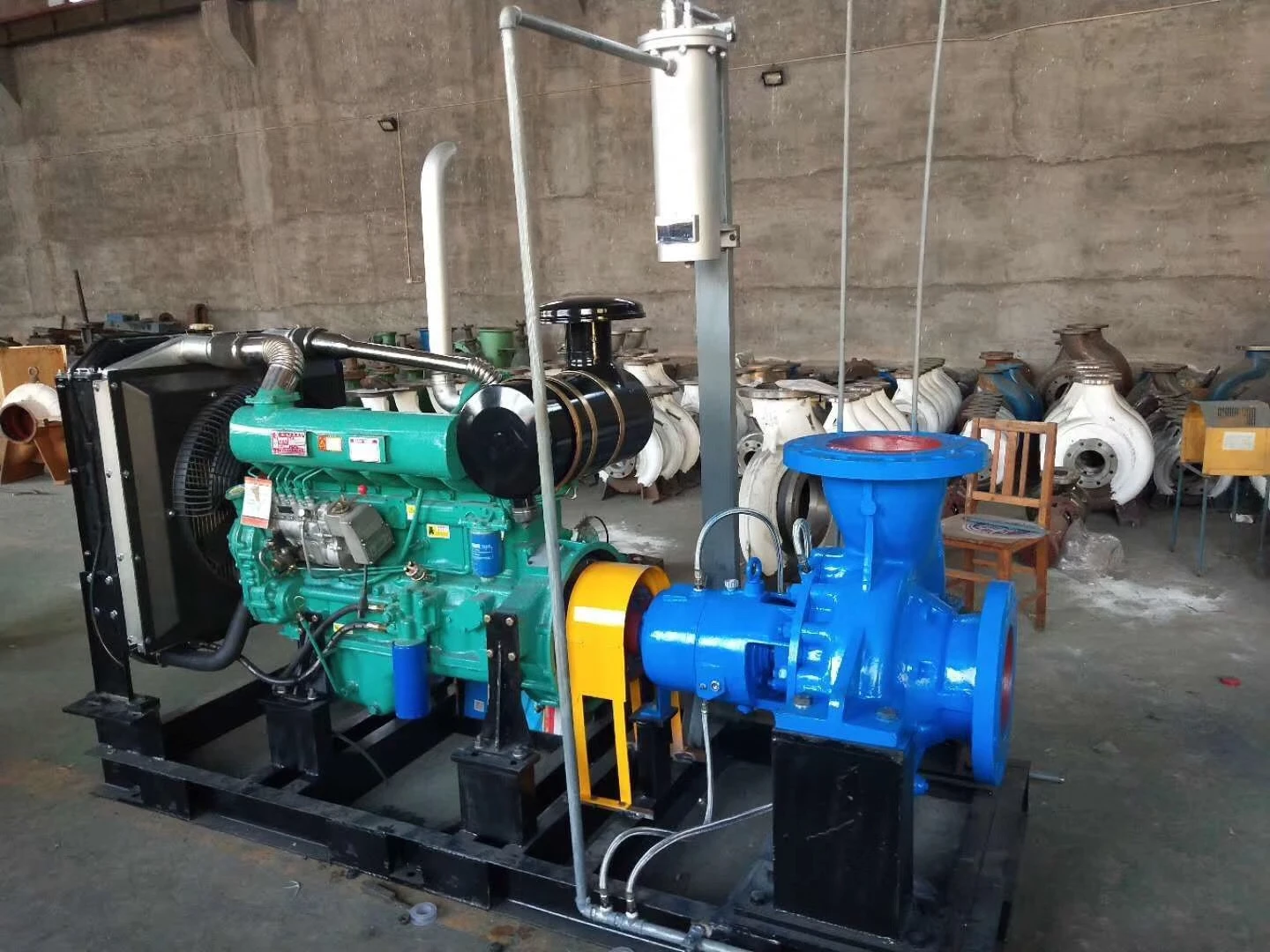
The performance of a submersible sludge pump is dictated by a complex interplay of hydraulic principles and mechanical engineering considerations. Force analysis centers on evaluating the stresses induced by fluid pressure, impeller rotation, and solid particle impact. The impeller’s blade geometry significantly influences pump efficiency and solids handling capability. Computational Fluid Dynamics (CFD) modeling is extensively used to optimize impeller design and minimize hydraulic losses. Environmental resistance is paramount; the pump must withstand prolonged immersion in corrosive fluids containing sulfides, chlorides, and other aggressive chemicals. Motor selection considers the required power output, voltage requirements, and thermal management. Stators are typically encapsulated in epoxy resin to provide electrical insulation and protection against moisture ingress. Compliance requirements include adherence to hydraulic institute standards (HI) for pump performance testing and National Electrical Manufacturers Association (NEMA) standards for motor construction. The pump’s ability to handle solids is determined by the impeller’s channel width and the pump’s overall hydraulic passage design. Head and flow rate are inversely related; maximizing flow rate often requires a trade-off in achievable head. Cavitation, a phenomenon caused by vapor bubble formation and collapse, is a critical concern that can lead to impeller damage and reduced pump efficiency. Proper net positive suction head (NPSH) calculations are essential to prevent cavitation.
Technical Specifications
| Parameter | Unit | Typical Range | Notes |
|---|---|---|---|
| Flow Rate | m³/h | 20 - 500 | Dependent on impeller design and motor power |
| Total Dynamic Head | m | 10 - 80 | Influenced by system resistance and fluid density |
| Solids Handling Capability | mm | 10 - 75 | Determined by impeller channel width |
| Motor Power | kW | 0.75 - 150 | Varies based on application requirements |
| Voltage | V | 380-480 (3-phase) / 220-240 (single phase) | Regional standards dictate voltage requirements |
| Maximum Submergence Depth | m | Up to 20 | Cable length and sealing integrity are critical |
Failure Mode & Maintenance
Submersible sludge pumps are susceptible to several failure modes in practical applications. Fatigue cracking of the impeller, particularly in high-solids applications, is a common issue. This can be exacerbated by cavitation erosion. Delamination of protective coatings on the pump housing exposes the underlying metal to corrosion. Mechanical seal failure, often caused by abrasive particles or improper installation, results in water ingress and motor damage. Bearing failure, typically due to inadequate lubrication or excessive load, leads to increased vibration and eventual pump shutdown. Oxidation of electrical components, especially in humid environments, can cause short circuits and motor malfunctions. Maintenance strategies include regular inspection of seals and bearings, lubrication of moving parts, and periodic coating repair. Vibration analysis can detect early signs of bearing wear or impeller imbalance. Monitoring motor current and voltage provides insights into pump performance and potential electrical issues. Routine cleaning to remove accumulated sludge prevents clogging and reduces the risk of corrosion. Preventative maintenance schedules, aligned with operating hours and fluid characteristics, are crucial for maximizing pump lifespan and minimizing downtime. Scheduled replacement of wear parts, such as impellers and seals, is also essential.
Industry FAQ
Q: What is the impact of sludge composition on pump selection?
A: Sludge composition – including solids concentration, particle size distribution, and chemical characteristics – profoundly influences pump selection. High-solids sludge requires pumps with larger impeller passages and robust construction. Corrosive sludge necessitates materials with enhanced chemical resistance, such as stainless steel or specialized coatings. The presence of stringy or fibrous materials may demand pumps with cutter mechanisms to prevent clogging.
Q: How does impeller design affect pump efficiency?
A: Impeller design is paramount to pump efficiency. Blade angle, blade shape, and impeller diameter all contribute to the pump’s hydraulic performance. Optimized impeller designs minimize hydraulic losses and maximize flow rate. CFD modeling is used to refine impeller geometry and improve efficiency. A properly matched impeller ensures optimal pump performance for a given application.
Q: What are the key considerations for motor protection in submersible pumps?
A: Motor protection is critical. Epoxy encapsulation provides electrical insulation and protection against moisture ingress. Thermal overload protection prevents motor overheating. Proper sealing of the motor housing prevents water intrusion. Regular monitoring of motor current and temperature provides early warning of potential problems. Selecting a motor with appropriate ingress protection (IP) rating is also vital.
Q: How do you mitigate the risk of cavitation?
A: Cavitation is mitigated by ensuring adequate Net Positive Suction Head Available (NPSHa). This involves maintaining sufficient submergence depth, minimizing suction lift, and optimizing system piping. Proper impeller design also plays a role in reducing cavitation susceptibility. Monitoring pump vibration can help detect the onset of cavitation.
Q: What are the benefits of using variable frequency drives (VFDs) with submersible pumps?
A: VFDs allow for precise control of pump speed, enabling optimization of flow rate and energy consumption. They also provide soft-starting capabilities, reducing stress on the motor and pump components. VFDs can accommodate fluctuating process demands and improve overall system efficiency. They also allow for reducing mechanical stress on the pump during start/stop cycles.
Conclusion
Submersible sludge pumps represent a vital component of numerous industrial processes, particularly those related to wastewater treatment and fluid handling with high solids content. Their robust construction, coupled with advancements in materials science and hydraulic design, enables reliable and efficient operation in challenging environments. Understanding the interplay between material properties, manufacturing processes, and performance parameters is essential for selecting the appropriate pump for a specific application.
Continued innovation in areas such as intelligent control systems, predictive maintenance technologies, and optimized impeller designs will further enhance the performance and longevity of these critical pieces of equipment. Adherence to relevant industry standards (HI, NEMA, ISO) and the implementation of rigorous maintenance programs are crucial for maximizing return on investment and ensuring long-term operational efficiency.
-
Precision at the Pump: How Better Machining Protects Flow and Uptime
News2026-11-20
-
Why Pump Reliability Begins Before the First Drop of Fluid
News2026-11-20
-
Beyond the Pump: Designing Safer Access Around Critical Water Infrastructure
News2026-11-20
-
Why Pumping Stations Depend on the Infrastructure Beneath the Pumps
News2026-11-20
-
Beyond the Pump Room: How Smarter Loading Protects Industrial Equipment
News2026-11-19
-
When Pumps Stop: Designing More Resilient Power for Critical Pumping Systems
News2026-11-19
-
The Hidden Role of Dust and Gas Monitoring in Reliable Pump Operations
News2026-11-19
-
The Hidden Role of Mineral Compounds in Extending Industrial Pump Lifespan
News2026-10-12
-
Why Pump System Reliability Depends on Precision Hose Assembly Methods
News2026-09-15
-
How Advanced Imaging Films Are Transforming Pump Component Quality Control
News2026-08-25
-
How Advanced Filtration Protects Pump Systems from Premature Wear and Costly Downtime
News2026-08-25
-
How Steel Material Selection Drives Pump Reliability in Heavy-Duty Systems
News2026-08-25
-
Ensuring Pump System Efficiency: The Role of High-Quality Pipe Fittings and Tubing
News2026-08-24
-
Optimizing Fluid Dynamics and Material Consistency in Industrial Processing
News2026-08-18
-
Innovations and Challenges in Hydraulic Systems for Heavy Machinery
News2026-08-13




