English
- Afrikaans
- Albanian
- Amharic
- Arabic
- Armenian
- Azerbaijani
- Basque
- Belarusian
- Bengali
- Bosnian
- Bulgarian
- Catalan
- Cebuano
- Corsican
- Croatian
- Czech
- Danish
- Dutch
- English
- Esperanto
- Estonian
- Finnish
- French
- Frisian
- Galician
- Georgian
- German
- Greek
- Gujarati
- Haitian Creole
- hausa
- hawaiian
- Hebrew
- Hindi
- Miao
- Hungarian
- Icelandic
- igbo
- Indonesian
- irish
- Italian
- Japanese
- Javanese
- Kannada
- kazakh
- Khmer
- Rwandese
- Korean
- Kurdish
- Kyrgyz
- Lao
- Latin
- Latvian
- Lithuanian
- Luxembourgish
- Macedonian
- Malgashi
- Malay
- Malayalam
- Maltese
- Maori
- Marathi
- Mongolian
- Myanmar
- Nepali
- Norwegian
- Norwegian
- Occitan
- Pashto
- Persian
- Polish
- Portuguese
- Punjabi
- Romanian
- Russian
- Samoan
- Scottish Gaelic
- Serbian
- Sesotho
- Shona
- Sindhi
- Sinhala
- Slovak
- Slovenian
- Somali
- Spanish
- Sundanese
- Swahili
- Swedish
- Tagalog
- Tajik
- Tamil
- Tatar
- Telugu
- Thai
- Turkish
- Turkmen
- Ukrainian
- Urdu
- Uighur
- Uzbek
- Vietnamese
- Welsh
- Bantu
- Yiddish
- Yoruba
- Zulu

Telephone: +86 13120555503
Email: frank@cypump.com


Apr . 01, 2024 17:55 Back to list
short delivery slurry pump Performance Analysis
Introduction
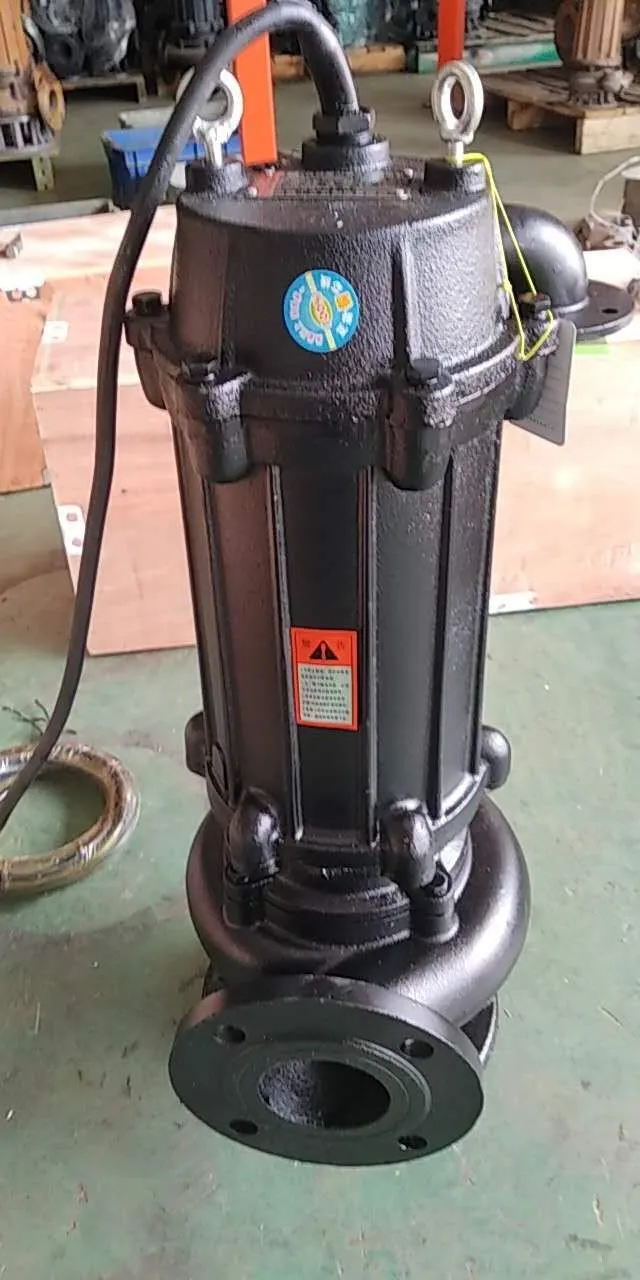
Short delivery slurry pumps are positive displacement pumps specifically engineered for the transport of abrasive and highly concentrated slurries over relatively short distances. Positioned within the mineral processing, wastewater treatment, and industrial waste management sectors, these pumps are critical components of process efficiency. Unlike centrifugal pumps, which are better suited for lower solids content and longer distances, short delivery slurry pumps excel at handling dense suspensions with high solids-to-liquid ratios. Their core performance characteristics – volumetric efficiency, abrasion resistance, and ability to handle varying slurry compositions – directly influence process throughput and operational costs. The primary challenge in this sector lies in minimizing wear and maintaining consistent pumping performance despite the inherently erosive nature of the materials handled. This guide provides a comprehensive technical overview of short delivery slurry pumps, encompassing material science, manufacturing processes, performance engineering, failure modes, and relevant industry standards.
Material Science & Manufacturing
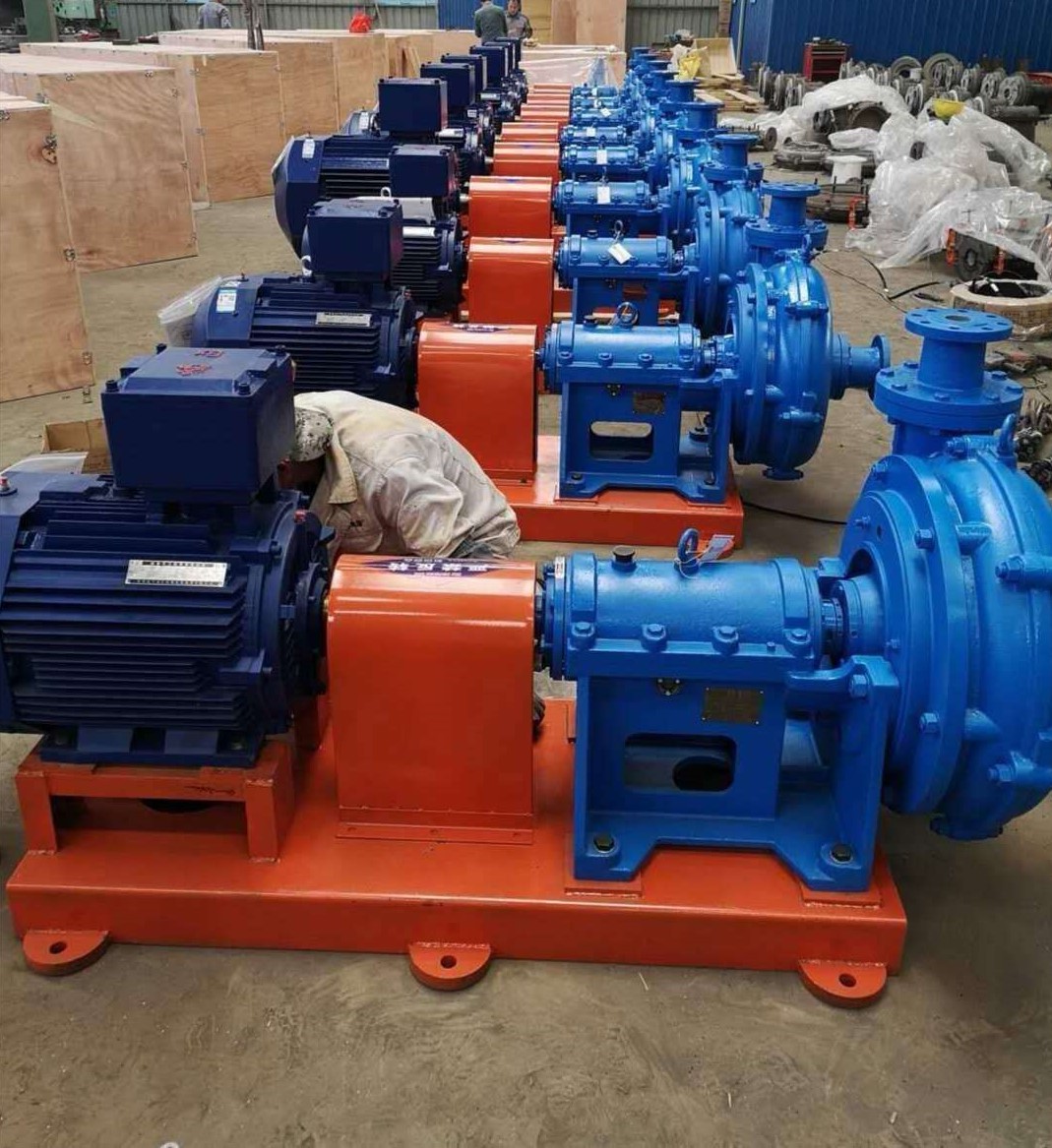
The construction of short delivery slurry pumps demands careful material selection to withstand the abrasive forces of transported slurries. Common materials include high-chrome cast iron (typically 15-30% chromium) for impellers and casings, offering exceptional resistance to erosive wear. For highly corrosive environments, stainless steels (316, 304) or specialized alloys like duplex stainless steel are employed, though they generally exhibit lower abrasion resistance than high-chrome iron. Elastomeric liners, typically made from natural rubber or synthetic polymers (e.g., polyurethane), are frequently used to protect pump casings and impellers, providing impact resistance and reducing slurry velocity. Manufacturing processes vary based on component complexity. Casings are commonly produced via sand casting or investment casting for intricate geometries. Impellers are typically cast, often with subsequent heat treatment to enhance hardness. Shafts are forged from alloy steel and subjected to precise machining and balancing. Sealing systems utilize mechanical seals with various face materials (silicon carbide, tungsten carbide) selected based on slurry chemistry and abrasiveness. Critical parameters during manufacturing include dimensional accuracy of impeller vanes, surface finish of wear components (to minimize friction), and proper heat treatment to achieve desired material properties (hardness, tensile strength). Welding processes, where applicable, require stringent quality control to ensure weld integrity and prevent corrosion initiation.
Performance & Engineering
Performance evaluation of short delivery slurry pumps necessitates consideration of several key engineering principles. Pump capacity (flow rate) is directly related to impeller diameter, rotational speed, and pump geometry. The head (pressure) developed is dependent on impeller design, slurry density, and the presence of abrasive particles. Force analysis focuses on the impact forces exerted by slurry particles on the impeller and casing, leading to erosive wear. Cavitation, a common concern, occurs when vapor bubbles form and collapse within the pump due to low pressure, causing localized erosion. Environmental resistance is vital; pumps operating in harsh climates must be designed to withstand temperature extremes, humidity, and potential exposure to corrosive substances. Compliance requirements include adherence to safety standards (e.g., electrical safety, mechanical guarding) and environmental regulations related to leakage prevention and noise emission. Functional implementation involves optimizing pump selection based on slurry characteristics (particle size distribution, solids concentration, specific gravity), pipeline layout, and desired operating conditions. A critical design element is the pump's suction performance – the ability to effectively draw slurry from the source, particularly in applications with limited net positive suction head available (NPSHA).
Technical Specifications
| Parameter | Unit | Typical Range | Notes |
|---|---|---|---|
| Flow Rate | m³/hr | 10 - 500 | Dependent on impeller size and speed |
| Head | m | 5 - 80 | Influenced by slurry density and viscosity |
| Maximum Solids Concentration | % by weight | Up to 70 | Varies with pump design and slurry properties |
| Particle Size | mm | Up to 100 | Larger particles require specific impeller designs |
| Pump Speed | RPM | 500 - 1800 | Optimized for specific slurry characteristics |
| Power Consumption | kW | 1.5 - 55 | Dependent on flow rate and head |
Failure Mode & Maintenance
Short delivery slurry pumps are susceptible to several failure modes. Erosive wear of the impeller and casing is the most common, driven by the impact of abrasive particles. Fatigue cracking can occur in the impeller vanes due to cyclical stress from slurry flow. Mechanical seal failure results in leakage and reduced pump efficiency, often caused by abrasive particles infiltrating the seal faces. Bearing failure stems from excessive load, improper lubrication, or contamination. Cavitation damage manifests as pitting on the impeller vanes. Degradation of elastomeric liners leads to reduced protection and increased wear rates. Oxidation and corrosion affect metallic components, particularly in corrosive slurry environments. Professional maintenance involves regular inspections for wear, replacement of worn components (impellers, casings, seals, liners), proper lubrication of bearings, and monitoring of pump vibration. Preventive maintenance schedules should be tailored to the specific slurry being pumped and the pump's operating conditions. Condition monitoring techniques, such as vibration analysis and wear rate measurements, can help predict failures and optimize maintenance intervals. A critical aspect of maintenance is proper cleaning of pump components to remove abrasive deposits and prevent accelerated wear.
Industry FAQ
Q: What are the key factors influencing the selection of a short delivery slurry pump for a specific application?
A: The key factors include the slurry’s solid concentration, particle size distribution, specific gravity, abrasiveness, and chemical composition. Pipeline length and elevation changes also play a critical role, along with the desired flow rate and head requirements. Understanding these parameters allows for proper pump sizing and material selection.
Q: How does impeller design impact pump performance and wear life?
A: Impeller design significantly influences pump performance. Closed impellers are more efficient for lower solids content, while open or semi-open impellers are preferred for high solids concentrations to prevent clogging. Impeller vane geometry (shape, angle, number of vanes) affects head, capacity, and susceptibility to cavitation. Hardened impeller materials and coatings extend wear life.
Q: What methods are used to mitigate cavitation damage in slurry pumps?
A: Mitigation strategies include increasing the Net Positive Suction Head Available (NPSHA), reducing pump speed, selecting an impeller designed for low NPSH requirements, and ensuring proper slurry flow rates. Impeller coatings can also provide some protection against cavitation erosion.
Q: What are the advantages of using elastomeric liners in slurry pump casings?
A: Elastomeric liners provide excellent impact resistance, reducing the force of slurry particles on the pump casing. They also dampen noise and vibration, and can protect the casing from corrosion. However, liners have a limited lifespan and require periodic replacement.
Q: What is the role of mechanical seals in slurry pump operation and how are they maintained?
A: Mechanical seals prevent slurry leakage from the pump. They consist of rotating and stationary faces that create a sealing interface. Maintenance involves regular inspection for wear and damage, proper lubrication, and replacement when necessary. Seal flush systems help remove abrasive particles from the seal faces, extending seal life.
Conclusion
Short delivery slurry pumps represent a critical technology for handling abrasive slurries in diverse industrial applications. Their robust design, coupled with appropriate material selection and meticulous manufacturing, is paramount to achieving reliable and cost-effective operation. Understanding the complex interplay between slurry characteristics, pump performance parameters, and potential failure modes is essential for optimizing pump selection, maintenance practices, and overall process efficiency.
Future developments in short delivery slurry pump technology will likely focus on advanced materials (e.g., ceramic composites), improved impeller designs for enhanced hydraulic efficiency and wear resistance, and the integration of smart sensors and predictive maintenance algorithms to minimize downtime and reduce operating costs. Continued research into slurry rheology and erosion mechanisms will also drive innovation in this field.
-
Comprehensive Guide to Waterproof ORings for Optimal Sealing Solutions
News2026-06-09
-
heavy duty submersible pump Performance Analysis
News2026-06-25
-
best submersible pump for septic tank Performance Analysis
News2026-06-25
-
basement sewer ejector pump Performance Analysis
News2026-06-25
-
basement pumps ejector pumps Performance Analysis
News2026-06-25
-
basement lift pump Performance and Engineering
News2026-06-25
-
basement bathroom pump systems Performance Analysis
News2026-06-24
-
basement bathroom ejector pump system Performance Engineering
News2026-06-24
-
2 hp sewage pump Performance Engineering
News2026-06-24
-
1 hp septic pump Performance Engineering
News2026-06-24
-
submersible effluent pump Performance Analysis
News2026-06-24
-
submergable pump Material Science
News2026-06-23
-
sewer injection pump Performance Engineering
News2026-06-23
-
Sewer Ejector Pump System Performance Analysis
News2026-06-23
-
septic tank pump for sale Performance Engineering
News2026-06-23




