English
- Afrikaans
- Albanian
- Amharic
- Arabic
- Armenian
- Azerbaijani
- Basque
- Belarusian
- Bengali
- Bosnian
- Bulgarian
- Catalan
- Cebuano
- Corsican
- Croatian
- Czech
- Danish
- Dutch
- English
- Esperanto
- Estonian
- Finnish
- French
- Frisian
- Galician
- Georgian
- German
- Greek
- Gujarati
- Haitian Creole
- hausa
- hawaiian
- Hebrew
- Hindi
- Miao
- Hungarian
- Icelandic
- igbo
- Indonesian
- irish
- Italian
- Japanese
- Javanese
- Kannada
- kazakh
- Khmer
- Rwandese
- Korean
- Kurdish
- Kyrgyz
- Lao
- Latin
- Latvian
- Lithuanian
- Luxembourgish
- Macedonian
- Malgashi
- Malay
- Malayalam
- Maltese
- Maori
- Marathi
- Mongolian
- Myanmar
- Nepali
- Norwegian
- Norwegian
- Occitan
- Pashto
- Persian
- Polish
- Portuguese
- Punjabi
- Romanian
- Russian
- Samoan
- Scottish Gaelic
- Serbian
- Sesotho
- Shona
- Sindhi
- Sinhala
- Slovak
- Slovenian
- Somali
- Spanish
- Sundanese
- Swahili
- Swedish
- Tagalog
- Tajik
- Tamil
- Tatar
- Telugu
- Thai
- Turkish
- Turkmen
- Ukrainian
- Urdu
- Uighur
- Uzbek
- Vietnamese
- Welsh
- Bantu
- Yiddish
- Yoruba
- Zulu

Telephone: +86 13120555503
Email: frank@cypump.com


Apr . 01, 2024 17:55 Back to list
sewage pumps for sale Performance Engineering
Introduction
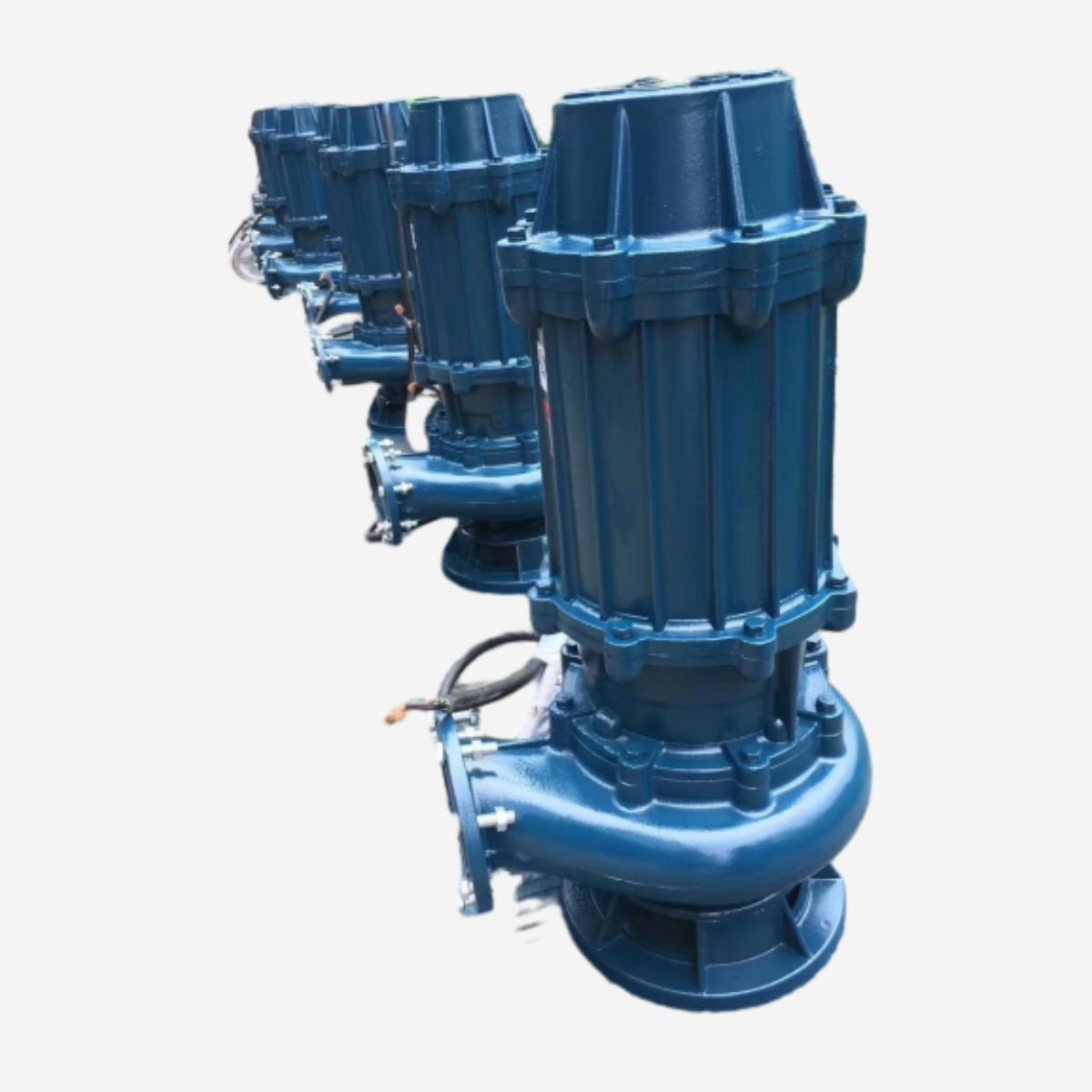
Submersible sewage pumps are centrifugal pumps specifically designed for the efficient and reliable transfer of wastewater and solids-laden fluids. Positioned within the broader industrial pump market, they address the critical need for waste removal in municipal, commercial, and industrial applications. Unlike clear-liquid pumps, sewage pumps are engineered to handle abrasive materials, prevent clogging, and operate continuously in submerged conditions. Core performance metrics center around flow rate (GPM), total dynamic head (TDH), solids handling capability (diameter and concentration), pump efficiency, and motor power requirements. The increasing demand for efficient wastewater treatment and stricter environmental regulations are driving continued innovation in sewage pump technology, focusing on energy efficiency, reduced maintenance, and advanced control systems.
Material Science & Manufacturing
The construction of sewage pumps necessitates careful material selection to withstand the corrosive and abrasive nature of wastewater. Pump housings are frequently cast from ductile iron (ASTM A536 65-45-12), chosen for its high tensile strength, impact resistance, and corrosion resistance. Impellers, crucial for fluid transfer, can be manufactured from high-chrome cast iron, stainless steel (304, 316 – ASTM A743), or engineered polymer composites. The choice depends on the anticipated abrasiveness of the pumped media; higher chrome content increases wear resistance. Shafts typically utilize alloy steel (4140 or 4340 – ASTM A276) heat-treated for strength and durability. Seals are critical, commonly employing silicon carbide mechanical seals (ISO 6858) against hardened steel faces to prevent leakage and protect the motor. Manufacturing processes involve sand casting for housings, investment casting or machining for impellers, and precision machining for shafts and other components. Welding (SMAW, GMAW – AWS D1.1) is utilized for joining components, requiring stringent quality control to ensure structural integrity and prevent corrosion. Key parameter control includes maintaining tight tolerances on impeller geometry for optimal hydraulic performance, verifying material composition through spectroscopic analysis, and conducting non-destructive testing (radiography, ultrasonic testing – ASME Section V) to detect internal flaws.
Performance & Engineering
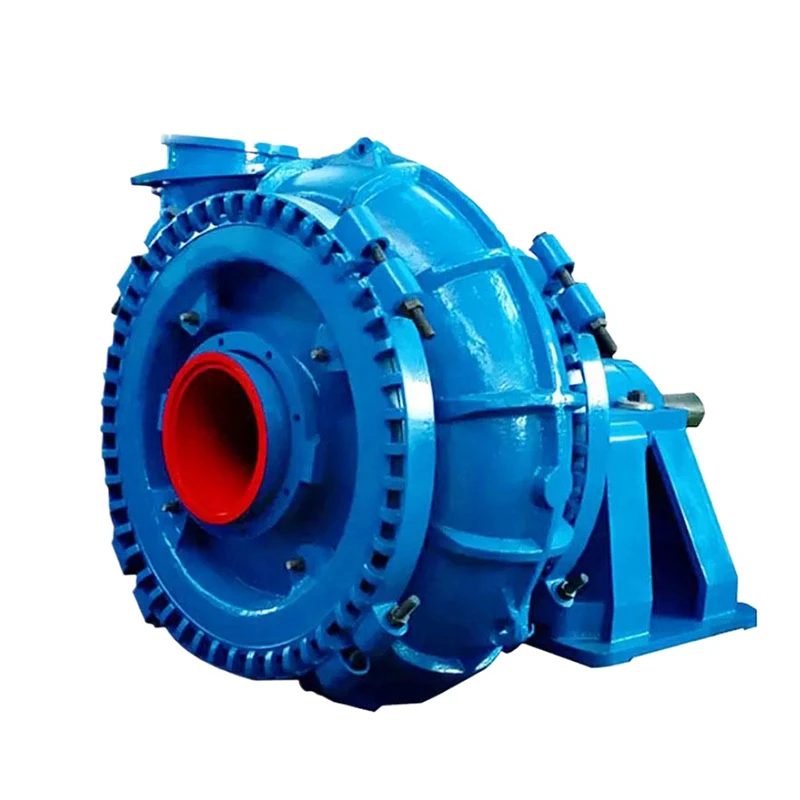
Sewage pump performance is fundamentally governed by hydraulic principles and motor characteristics. Force analysis considers both static and dynamic loads, including the weight of the pump, fluid pressure, and impeller forces. Environmental resistance is a key design factor; pumps must withstand continuous submersion, varying temperatures, and potential exposure to corrosive chemicals. Compliance with industry standards (e.g., Hydraulic Institute standards) dictates performance testing and reporting. Functional implementation centers on matching pump curves (head vs. flow rate) to system requirements. Cavitation, a significant failure mode, must be avoided through proper impeller design and adequate Net Positive Suction Head Available (NPSHa). Pump efficiency is maximized through optimized impeller geometry, minimizing hydraulic losses. Motor selection considers power requirements, voltage, frequency, and enclosure type (e.g., totally enclosed fan-cooled – TEFC, NEMA MG 1). Variable Frequency Drives (VFDs) are increasingly employed to optimize energy consumption by adjusting pump speed to match flow demand. Furthermore, the pump's hydraulic design must account for solids handling; open impeller designs or vortex impellers are used to prevent clogging when handling large solids.
Technical Specifications
| Pump Model | Flow Rate (GPM) | Total Dynamic Head (ft) | Motor Power (HP) |
|---|---|---|---|
| SP-100 | 100-250 | 50-80 | 5-7.5 |
| SP-200 | 200-500 | 80-150 | 10-15 |
| SP-300 | 300-750 | 150-250 | 20-30 |
| SP-400 | 400-1000 | 250-400 | 40-60 |
| SP-500 | 500-1200 | 400-600 | 75-100 |
| SP-600 | 600-1500 | 600-800 | 125-150 |
Failure Mode & Maintenance
Sewage pumps are susceptible to several failure modes. Fatigue cracking in the impeller or housing can occur due to cyclic loading and stress concentration. Delamination of polymer coatings (if used) can expose the underlying metal to corrosion. Degradation of elastomers (seals, hoses) leads to leakage and reduced performance. Oxidation of metal components accelerates corrosion. Abrasive wear, particularly in pumps handling high solids content, diminishes impeller efficiency and reduces flow rate. Clogging, caused by debris or rags, can stall the pump and overload the motor. Maintenance procedures include regular inspection of seals and bearings, monitoring motor current and voltage, performing pump curve analysis to detect performance degradation, and implementing a preventative maintenance schedule. Vibration analysis (ISO 10816) can identify bearing wear and misalignment. Backflushing the pump can remove accumulated debris. Proper lubrication of bearings is crucial to prevent premature failure. For significant repairs, such as impeller replacement or housing repair, professional pump service technicians should be engaged.
Industry FAQ
Q: What is the optimal impeller type for handling rags and fibrous materials?
A: Vortex impellers are specifically designed to handle rags and fibrous materials. Their unique geometry creates a swirling action that draws the fluid into the pump while allowing solids to pass through without clogging the impeller.
Q: How does water temperature affect pump performance and material selection?
A: Increased water temperature generally reduces pump efficiency due to decreased fluid density and increased viscosity. High temperatures can also accelerate corrosion rates and degrade seal materials. Material selection should consider the maximum operating temperature and ensure compatibility with the wastewater composition.
Q: What are the key considerations when selecting a pump for a lift station application?
A: Lift station applications require pumps capable of handling intermittent operation and varying flow rates. Factors to consider include the wet well volume, pump cycle frequency, total dynamic head, and solids handling capability. Redundancy (multiple pumps) is often implemented to ensure continuous operation during maintenance or pump failure.
Q: What role does the motor’s insulation class play in a submersible sewage pump?
A: The motor’s insulation class (e.g., Class H) determines its ability to withstand high operating temperatures and moisture. Submersible motors operate in a wet environment and require robust insulation to prevent electrical failure and ensure reliable operation. Class H is commonly specified for its high-temperature resistance.
Q: How can I diagnose the cause of excessive pump vibration?
A: Excessive pump vibration can indicate several issues, including bearing wear, impeller imbalance, misalignment, or cavitation. Vibration analysis can pinpoint the source of the vibration, allowing for targeted maintenance. Checking the pump’s alignment and ensuring proper impeller balance are crucial steps in troubleshooting.
Conclusion
Sewage pumps represent a vital component of modern wastewater management infrastructure. Their design and construction are predicated on a complex interplay of material science, hydraulic engineering, and electrical considerations. Selecting the appropriate pump requires a thorough understanding of the application’s specific requirements, including flow rate, head, solids content, and environmental conditions. Adhering to industry standards and implementing a robust preventative maintenance program are critical to ensuring long-term reliability and minimizing lifecycle costs.
Continued innovation in sewage pump technology will focus on improving energy efficiency, reducing maintenance requirements, and enhancing the ability to handle increasingly challenging wastewater compositions. The adoption of advanced control systems, such as variable frequency drives and automated monitoring, will further optimize pump performance and contribute to sustainable wastewater management practices.
-
Comprehensive Guide to Waterproof ORings for Optimal Sealing Solutions
News2026-06-09
-
drainage pumps Performance and Engineering
News2026-06-09
-
basement bathroom ejector pump Material Science
News2026-06-09
-
Sewer Ejector Pump Cost Performance Analysis
News2026-06-09
-
Septic Tank Pump Replacement Performance Analysis
News2026-06-09
-
septic sump pump Performance and Engineering
News2026-06-09
-
Septic Pump System Performance Analysis
News2026-06-08
-
pump for septic Material Science
News2026-06-08
-
basement sewer pump Performance Analysis
News2026-06-08
-
submerged pump Performance Engineering
News2026-06-08
-
Septic System Pumps Performance Analysis
News2026-06-08
-
septic system pump Material Science and Manufacturing
News2026-06-07
-
pump for septic tank Material Science Manufacturing
News2026-06-07
-
submersible sewage pump Material Science
News2026-06-07
-
Sewage Ejector Material Science and Manufacturing
News2026-06-07




