English
- Afrikaans
- Albanian
- Amharic
- Arabic
- Armenian
- Azerbaijani
- Basque
- Belarusian
- Bengali
- Bosnian
- Bulgarian
- Catalan
- Cebuano
- Corsican
- Croatian
- Czech
- Danish
- Dutch
- English
- Esperanto
- Estonian
- Finnish
- French
- Frisian
- Galician
- Georgian
- German
- Greek
- Gujarati
- Haitian Creole
- hausa
- hawaiian
- Hebrew
- Hindi
- Miao
- Hungarian
- Icelandic
- igbo
- Indonesian
- irish
- Italian
- Japanese
- Javanese
- Kannada
- kazakh
- Khmer
- Rwandese
- Korean
- Kurdish
- Kyrgyz
- Lao
- Latin
- Latvian
- Lithuanian
- Luxembourgish
- Macedonian
- Malgashi
- Malay
- Malayalam
- Maltese
- Maori
- Marathi
- Mongolian
- Myanmar
- Nepali
- Norwegian
- Norwegian
- Occitan
- Pashto
- Persian
- Polish
- Portuguese
- Punjabi
- Romanian
- Russian
- Samoan
- Scottish Gaelic
- Serbian
- Sesotho
- Shona
- Sindhi
- Sinhala
- Slovak
- Slovenian
- Somali
- Spanish
- Sundanese
- Swahili
- Swedish
- Tagalog
- Tajik
- Tamil
- Tatar
- Telugu
- Thai
- Turkish
- Turkmen
- Ukrainian
- Urdu
- Uighur
- Uzbek
- Vietnamese
- Welsh
- Bantu
- Yiddish
- Yoruba
- Zulu

Telephone: +86 13120555503
Email: frank@cypump.com


Apr . 01, 2024 17:55 Back to list
Sewage Pump Cost Performance Analysis
Introduction
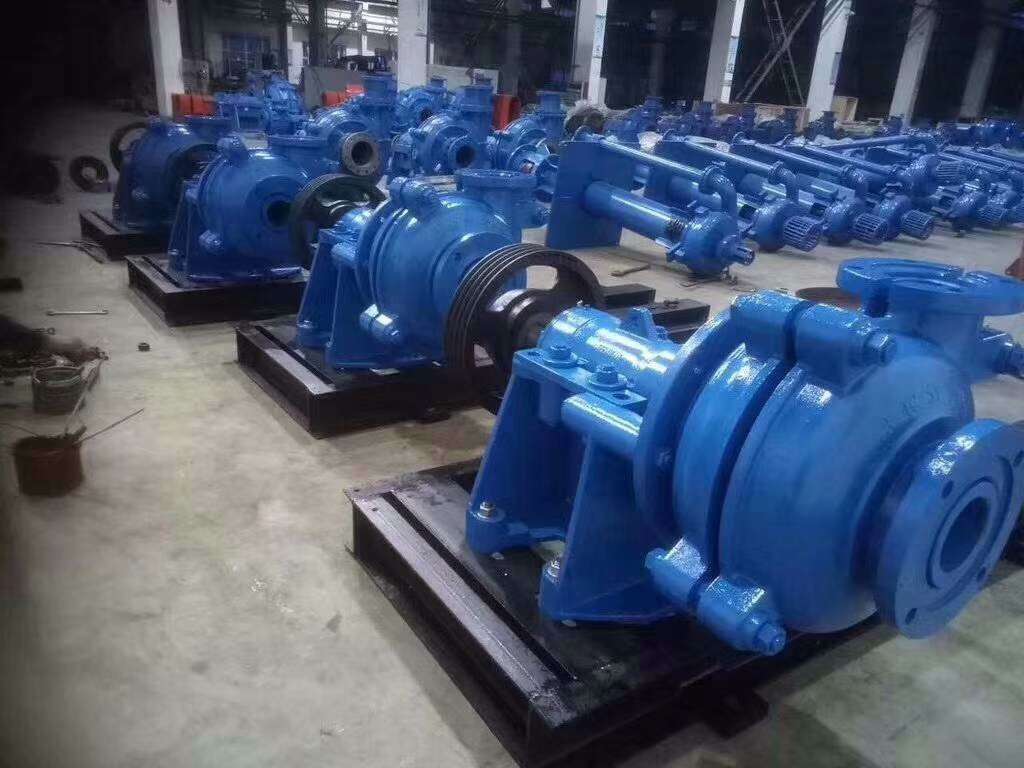
Sewage pumps represent a critical component in wastewater management systems, encompassing a broad range of costs dictated by application, capacity, and materials of construction. This guide details the factors influencing sewage pump cost, from initial procurement to life-cycle expenses including energy consumption and maintenance. Understanding these cost drivers is paramount for informed procurement decisions, optimized system design, and minimized total cost of ownership. The industry chain positions sewage pumps downstream from raw material suppliers (cast iron, stainless steel, polymers) and motor manufacturers, with primary application in municipal wastewater treatment plants, industrial effluent handling, and residential/commercial drainage. Core performance metrics include flow rate (GPM), total dynamic head (TDH), solids handling capability, and energy efficiency, all directly impacting the pump’s ultimate cost and operational effectiveness. The prevalent pain point in the industry is balancing upfront capital expenditure with long-term operational costs, particularly in light of increasing energy prices and stringent environmental regulations regarding discharge limits.
Material Science & Manufacturing
Sewage pumps commonly utilize cast iron (gray iron, ductile iron) for housings due to its cost-effectiveness, vibration damping properties, and machinability. Impeller materials range from cast iron for abrasive applications to stainless steel (304, 316, 410) for corrosive environments. Shafts are typically constructed from high-strength alloy steel (e.g., 4140, 4340) to withstand torsional stress. Seals are frequently composed of elastomers like nitrile rubber (NBR) or Viton (FKM) for chemical resistance and mechanical durability. Manufacturing processes include sand casting for housings and impellers, CNC machining for shafts and close-tolerance components, and robotic welding for assembly. Parameter control is critical: casting porosity must be minimized through optimized pouring temperatures and sand composition. Machining tolerances directly affect impeller efficiency and seal performance. Welding procedures require strict adherence to codes (AWS D1.1) to ensure joint integrity. Material selection profoundly affects cost; stainless steel components significantly increase initial expenditure but offer superior corrosion resistance and lifespan in aggressive environments. The quality of the elastomer used in seals directly influences maintenance frequency and pump reliability. The use of coatings, such as epoxy or ceramic, to enhance wear resistance adds to the upfront cost but can reduce long-term replacement expenses.
Performance & Engineering
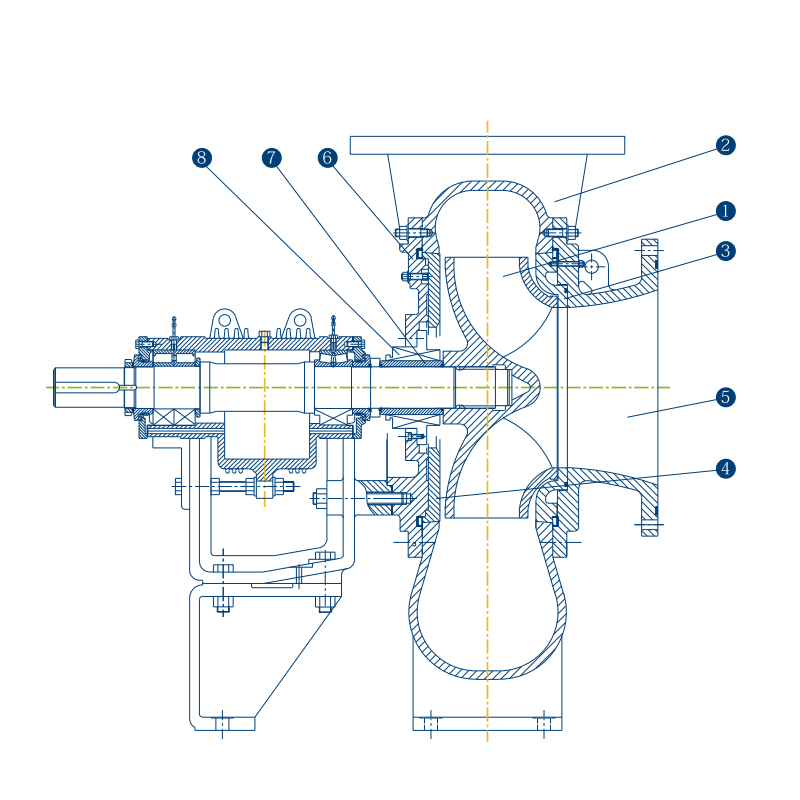
Pump performance is dictated by hydraulic design and motor characteristics. Force analysis involves calculating impeller loads, bearing loads, and shaft stresses under varying operating conditions. Total Dynamic Head (TDH) calculation considers static lift, friction losses within piping, and velocity head. Environmental resistance considerations include corrosion (especially in saltwater or chemically aggressive environments), abrasion from suspended solids, and temperature extremes. Compliance requirements encompass hydraulic institute standards (HI), National Electrical Manufacturers Association (NEMA) motor standards, and potentially local regulations regarding noise levels and energy efficiency. Engineering details involve impeller geometry optimization for maximum hydraulic efficiency, selection of appropriate bearing types (ball, roller, sleeve) based on load and speed, and implementation of robust sealing systems to prevent leakage. Pump curves are critical for matching pump performance to system requirements. Variable Frequency Drives (VFDs) can modulate pump speed to optimize energy consumption and reduce mechanical stress, albeit adding to the initial cost. Proper pump sizing is crucial; undersized pumps will struggle to meet demand, while oversized pumps operate inefficiently and experience increased wear. Cavitation, caused by low inlet pressure, is a major failure mechanism and must be avoided through appropriate system design and pump selection.
Technical Specifications
| Pump Type | Flow Rate (GPM) | Total Dynamic Head (ft) | Motor Horsepower (HP) |
|---|---|---|---|
| Submersible Sewage Pump | 50-200 | 30-100 | 1-5 |
| Centrifugal Sewage Pump | 100-1000 | 50-200 | 5-50 |
| Vortex Sewage Pump | 25-150 | 20-80 | 0.75-3 |
| Chopper Pump | 50-300 | 40-120 | 2-10 |
| Diaphragm Pump | 10-50 | 10-40 | 0.25-1 |
| Progressive Cavity Pump | 20-200 | 50-150 | 3-15 |
Failure Mode & Maintenance
Common failure modes include impeller wear (due to abrasion), seal failure (leading to leakage), motor winding failure (caused by overheating or voltage fluctuations), bearing failure (resulting from overloading or inadequate lubrication), and corrosion (particularly in aggressive environments). Fatigue cracking can occur in shafts and housings under cyclical loading. Delamination of coatings can expose underlying materials to corrosion. Degradation of elastomers can lead to seal failure. Oxidation of motor windings reduces insulation resistance. Preventative maintenance includes regular visual inspections for leaks and unusual noises, lubrication of bearings, seal replacement based on run-time or detected leakage, motor winding insulation testing, and monitoring of vibration levels. Failure analysis should involve root cause determination, including materials testing and metallurgical examination. Proper pump installation, alignment, and operation are crucial for maximizing lifespan. Clogging is a frequent issue; implementing pre-screens or vortex impellers can mitigate this. Regular monitoring of pump performance parameters (flow rate, head, power consumption) can identify early signs of degradation. A robust maintenance schedule significantly reduces life-cycle costs and minimizes unplanned downtime.
Industry FAQ
Q: What is the typical cost range for a submersible sewage pump suitable for a residential application?
A: For a typical residential application requiring a pump capable of handling black water with a flow rate of 50-100 GPM and a head of 30-50 ft, the cost can range from $500 to $2,500. The price varies depending on the materials of construction (cast iron vs. stainless steel), motor horsepower, and features like automatic controls and built-in float switches. Installation costs typically add another $200 - $500.
Q: How does the choice of impeller type (vortex vs. solids-handling) affect the pump’s cost and suitability for different applications?
A: Vortex impellers are less expensive upfront (approximately 10-15% cheaper) and are better suited for handling stringy materials and minimizing clogging. However, they have lower hydraulic efficiency and require more power for the same flow rate. Solids-handling impellers are more expensive but offer higher efficiency and are capable of processing larger solids. The best choice depends on the nature of the wastewater being pumped.
Q: What is the impact of motor efficiency (IE3 vs. IE4) on the total cost of ownership of a sewage pump?
A: While IE4 motors (premium efficiency) have a higher initial cost (approximately 5-10% more than IE3), they consume significantly less energy over their lifespan. For a pump operating continuously, the energy savings can offset the initial cost premium within 2-3 years. Considering the increasing cost of electricity, IE4 motors represent a sound long-term investment.
Q: What are the common causes of premature seal failure in sewage pumps, and how can they be prevented?
A: Common causes include abrasive solids, dry running, chemical attack, and improper installation. Prevention involves installing pre-screens to remove abrasive particles, implementing level sensors to prevent dry running, selecting seal materials compatible with the wastewater composition, and ensuring proper alignment during installation. Regular inspection and replacement of seals based on run-time are also critical.
Q: What is the role of a Variable Frequency Drive (VFD) in optimizing the cost-effectiveness of a sewage pumping system?
A: VFDs allow for precise control of pump speed, matching flow rate to demand and reducing energy consumption. This is particularly beneficial in systems with fluctuating flow rates. VFDs also reduce mechanical stress on the pump, extending its lifespan. While the initial investment in a VFD is significant, the energy savings and reduced maintenance costs can provide a rapid return on investment.
Conclusion
The cost of a sewage pump is a multifaceted consideration, extending beyond the initial purchase price to encompass materials, manufacturing precision, performance capabilities, and long-term maintenance requirements. Understanding the interplay of these factors is crucial for procurement professionals seeking to optimize life-cycle costs and ensure reliable wastewater management. Selecting the appropriate pump type, materials, and motor efficiency grade directly impacts both upfront expenditure and operational expenses.
Ultimately, a holistic approach, prioritizing energy efficiency, preventative maintenance, and adherence to industry standards, is paramount. Investing in higher-quality components and robust control systems, such as VFDs, can yield substantial long-term savings and minimize the risk of costly failures. Continued advancements in materials science and pump design promise further improvements in efficiency and reliability, driving down the overall cost of sewage pumping systems.
-
Comprehensive Guide to Waterproof ORings for Optimal Sealing Solutions
News2026-06-09
-
Septic Pump System Performance Analysis
News2026-06-08
-
pump for septic Material Science
News2026-06-08
-
basement sewer pump Performance Analysis
News2026-06-08
-
submerged pump Performance Engineering
News2026-06-08
-
Septic System Pumps Performance Analysis
News2026-06-08
-
septic system pump Material Science and Manufacturing
News2026-06-07
-
pump for septic tank Material Science Manufacturing
News2026-06-07
-
submersible sewage pump Material Science
News2026-06-07
-
Sewage Ejector Material Science and Manufacturing
News2026-06-07
-
Ejection Pump Material Science
News2026-06-07
-
pump submersible Performance Analysis
News2026-06-06
-
ejector pumps Performance Engineering
News2026-06-06
-
basement ejector pump Material Science Manufacturing
News2026-06-06
-
Septic Tanks Pumping Performance Analysis
News2026-06-06




