English
- Afrikaans
- Albanian
- Amharic
- Arabic
- Armenian
- Azerbaijani
- Basque
- Belarusian
- Bengali
- Bosnian
- Bulgarian
- Catalan
- Cebuano
- Corsican
- Croatian
- Czech
- Danish
- Dutch
- English
- Esperanto
- Estonian
- Finnish
- French
- Frisian
- Galician
- Georgian
- German
- Greek
- Gujarati
- Haitian Creole
- hausa
- hawaiian
- Hebrew
- Hindi
- Miao
- Hungarian
- Icelandic
- igbo
- Indonesian
- irish
- Italian
- Japanese
- Javanese
- Kannada
- kazakh
- Khmer
- Rwandese
- Korean
- Kurdish
- Kyrgyz
- Lao
- Latin
- Latvian
- Lithuanian
- Luxembourgish
- Macedonian
- Malgashi
- Malay
- Malayalam
- Maltese
- Maori
- Marathi
- Mongolian
- Myanmar
- Nepali
- Norwegian
- Norwegian
- Occitan
- Pashto
- Persian
- Polish
- Portuguese
- Punjabi
- Romanian
- Russian
- Samoan
- Scottish Gaelic
- Serbian
- Sesotho
- Shona
- Sindhi
- Sinhala
- Slovak
- Slovenian
- Somali
- Spanish
- Sundanese
- Swahili
- Swedish
- Tagalog
- Tajik
- Tamil
- Tatar
- Telugu
- Thai
- Turkish
- Turkmen
- Ukrainian
- Urdu
- Uighur
- Uzbek
- Vietnamese
- Welsh
- Bantu
- Yiddish
- Yoruba
- Zulu

Telephone: +86 13120555503
Email: frank@cypump.com


Apr . 01, 2024 17:55 Back to list
self priming wastewater pump Performance Engineering
Introduction
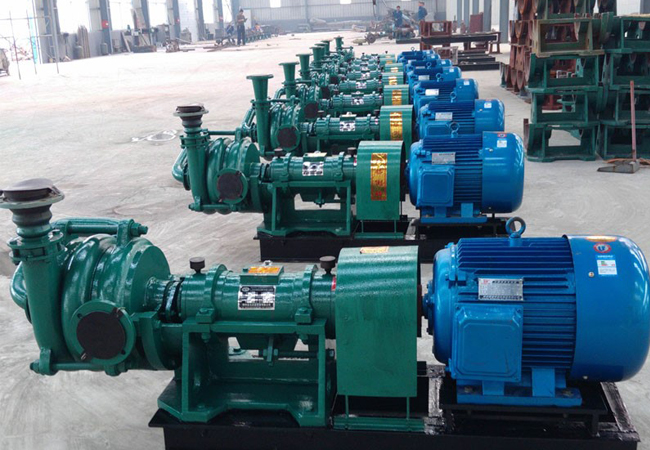
Self-priming wastewater pumps are centrifugal pumps designed to remove air from the suction line and efficiently transfer non-potable water containing solids. Positioned within the industrial fluid handling chain, these pumps bridge the gap between raw wastewater collection and subsequent treatment processes, serving municipalities, industrial plants, and construction sites. Their core performance revolves around delivering reliable fluid transfer despite the presence of entrained air and suspended solids, mitigating the need for manual priming which is prevalent in standard centrifugal pump applications. Key performance indicators include flow rate (typically measured in gallons per minute or cubic meters per hour), head (expressed in feet or meters), solids handling capability (specified in particle size), and overall efficiency. A persistent industry pain point revolves around abrasion from solids causing impeller wear and reduced pump life, alongside the challenge of maintaining prime in fluctuating suction conditions and ensuring corrosion resistance in aggressive wastewater environments.
Material Science & Manufacturing
The construction of self-priming wastewater pumps heavily relies on materials selected for their durability and resistance to corrosive elements. Pump housings are commonly cast from grey iron (ASTM A48 Class 30) for its vibration damping properties and cost-effectiveness, or alternatively, ductile iron (ASTM A536-89 65-45-12) for enhanced tensile strength and impact resistance. Impellers are often manufactured from high-chrome cast iron (ASTM A532 Grade III) offering exceptional abrasion resistance crucial for handling solids-laden wastewater. Shafts typically utilize 4140 alloy steel (ASTM A297) heat-treated to achieve high yield strength and fatigue resistance. Elastomeric components, such as seals and gaskets, often employ Nitrile Butadiene Rubber (NBR) or Viton (fluoroelastomer) for compatibility with various chemicals present in wastewater. The manufacturing process begins with pattern making for casting the housing and impeller. Casting is followed by machining to precise tolerances, ensuring proper fit and alignment of rotating components. Welding processes, typically Shielded Metal Arc Welding (SMAW) or Gas Metal Arc Welding (GMAW), are employed for joining components. Critical parameters include weld penetration, heat input, and post-weld heat treatment to prevent cracking and maintain material properties. Surface treatments, like epoxy coating (ASTM D3451), are often applied to external surfaces for corrosion protection. Rigorous quality control, including non-destructive testing (NDT) methods such as radiography and ultrasonic testing, is essential throughout the manufacturing process.
Performance & Engineering
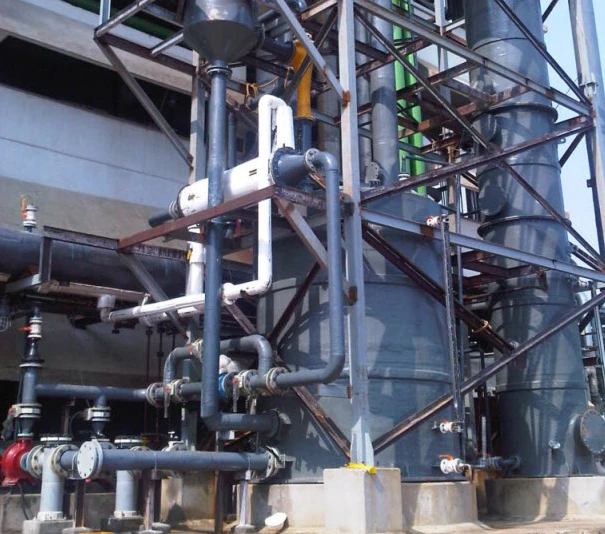
The performance of a self-priming wastewater pump is dictated by a complex interplay of hydraulic and mechanical forces. Force analysis focuses on radial and axial loads imposed on the impeller and shaft due to fluid pressure and solids impact. Bearing selection (typically deep-groove ball bearings or roller bearings, conforming to ISO 2811) is critical for accommodating these loads and ensuring longevity. Environmental resistance is paramount; pumps must withstand continuous exposure to moisture, corrosive chemicals (hydrogen sulfide, sulfates), and fluctuating temperatures. Material selection, as discussed previously, directly impacts corrosion resistance. Pump curves, generated through hydraulic testing (following standards like Hydraulic Institute standards), illustrate the relationship between flow rate, head, and efficiency. Self-priming capability is achieved through a specifically designed impeller geometry and a volute casing which creates a vacuum to evacuate air from the suction line. Compliance requirements include adherence to National Electrical Manufacturers Association (NEMA) standards for motor enclosures and electrical safety (NEMA MG 1) and potential certifications for potable water applications (NSF/ANSI 61). The engineering design also incorporates considerations for cavitation prevention, which can damage the impeller due to vapor bubble collapse. This is achieved by maintaining sufficient Net Positive Suction Head Available (NPSHA) exceeding the Net Positive Suction Head Required (NPSHR) by the pump.
Technical Specifications
| Parameter | Unit | Typical Range | Industry Standard |
|---|---|---|---|
| Flow Rate | GPM (Gallons Per Minute) | 50 – 500 | HI 1.6 |
| Total Dynamic Head | ft (Feet) | 20 – 150 | HI 1.3 |
| Solids Handling | in (Inches) | Up to 3 | Based on Impeller Design |
| Suction Lift | ft (Feet) | Up to 25 | Manufacturer Specification |
| Motor Power | HP (Horsepower) | 3 – 100 | NEMA MG 1 |
| Operating Temperature | °F (Degrees Fahrenheit) | 33 – 104 | Pump Material Limitations |
Failure Mode & Maintenance
Self-priming wastewater pumps are susceptible to several failure modes. Fatigue cracking of the impeller, particularly around the vane roots, can occur due to cyclical loading and stress concentration. Delamination of protective coatings (epoxy) can expose the underlying metal to corrosion. Abrasion from solids causes gradual erosion of the impeller and volute, reducing pump efficiency and capacity. Mechanical seal failure, resulting in leakage, is often caused by wear, chemical attack, or improper installation. Oxidation and corrosion of metallic components, particularly in high-sulfide environments, can lead to structural weakening. Maintenance protocols should include regular inspection of the impeller for wear and cracking, periodic replacement of seals and gaskets, lubrication of bearings (following manufacturer recommendations, often utilizing lithium-based greases conforming to NLGI standards), and inspection of the pump housing for corrosion. Vibration analysis (ISO 10816) can detect bearing wear and misalignment. Preventative maintenance schedules should be implemented based on operating hours and fluid composition. In cases of significant impeller wear, dynamic balancing (ISO 1940-1) is recommended to minimize vibration. Regularly flushing the pump and suction line can prevent solids buildup and maintain optimal priming efficiency.
Industry FAQ
Q: What is the impact of varying solids concentration on pump selection?
A: Higher solids concentrations demand pumps with larger impeller passages and more abrasion-resistant materials, such as high-chrome cast iron. Pump selection must consider the particle size distribution and concentration to prevent clogging and excessive wear. Impeller design, specifically the vane geometry and passage width, is critical. Increased solids concentration also necessitates more frequent maintenance and inspection.
Q: How does fluid viscosity affect pump performance?
A: Increased fluid viscosity reduces pump efficiency and flow rate. The pump’s power consumption will also increase. Pumps handling viscous fluids may require a larger motor and potentially a different impeller design to maintain adequate performance. Viscosity correction factors, as outlined in Hydraulic Institute standards, should be applied to pump curves.
Q: What are the key considerations for selecting a pump motor in a wastewater application?
A: The motor must be appropriately sized for the pump's power requirements, accounting for potential fluctuations in fluid viscosity and solids loading. NEMA MG 1 compliance is essential for electrical safety. The motor enclosure should be selected based on the environmental conditions, with options including Totally Enclosed Fan Cooled (TEFC) or Totally Enclosed Non-Ventilated (TENV) designs. Variable Frequency Drives (VFDs) can offer energy savings and precise flow control.
Q: How do I determine the appropriate NPSH for a given application?
A: NPSH calculations require accurate data on suction line length, elevation differences, fluid temperature, and vapor pressure. The NPSHA must always exceed the NPSHR specified by the pump manufacturer by a sufficient margin (typically at least 3 feet) to prevent cavitation. Careful system design, including minimizing suction line losses, is crucial.
Q: What is the best material for pump components in a highly corrosive environment (e.g., high H2S levels)?
A: In highly corrosive environments, stainless steel alloys (e.g., 316 stainless steel conforming to ASTM A743) or specialized coatings (e.g., ceramic coatings) are recommended. Material selection should be based on a thorough chemical compatibility analysis, considering the specific corrosive agents present in the wastewater.
Conclusion
Self-priming wastewater pumps represent a vital component in modern wastewater management systems. Their ability to handle solids and self-prime offers significant advantages over traditional centrifugal pumps in challenging applications. Successful implementation requires careful consideration of material science, manufacturing processes, performance engineering, and preventative maintenance strategies. Proper pump selection, based on a thorough understanding of application-specific requirements, is crucial for maximizing efficiency and minimizing downtime.
Looking ahead, advancements in pump design will likely focus on improved abrasion resistance, enhanced energy efficiency through optimized impeller geometries and motor technologies, and the integration of smart sensors for predictive maintenance. Continued adherence to industry standards and a commitment to robust quality control will be essential for ensuring the long-term reliability and performance of these critical fluid handling assets.
-
Precision at the Pump: How Better Machining Protects Flow and Uptime
News2026-11-20
-
Why Pump Reliability Begins Before the First Drop of Fluid
News2026-11-20
-
Beyond the Pump: Designing Safer Access Around Critical Water Infrastructure
News2026-11-20
-
Why Pumping Stations Depend on the Infrastructure Beneath the Pumps
News2026-11-20
-
Beyond the Pump Room: How Smarter Loading Protects Industrial Equipment
News2026-11-19
-
When Pumps Stop: Designing More Resilient Power for Critical Pumping Systems
News2026-11-19
-
The Hidden Role of Dust and Gas Monitoring in Reliable Pump Operations
News2026-11-19
-
The Hidden Role of Mineral Compounds in Extending Industrial Pump Lifespan
News2026-10-12
-
Why Pump System Reliability Depends on Precision Hose Assembly Methods
News2026-09-15
-
How Advanced Imaging Films Are Transforming Pump Component Quality Control
News2026-08-25
-
How Advanced Filtration Protects Pump Systems from Premature Wear and Costly Downtime
News2026-08-25
-
How Steel Material Selection Drives Pump Reliability in Heavy-Duty Systems
News2026-08-25
-
Ensuring Pump System Efficiency: The Role of High-Quality Pipe Fittings and Tubing
News2026-08-24
-
Optimizing Fluid Dynamics and Material Consistency in Industrial Processing
News2026-08-18
-
Innovations and Challenges in Hydraulic Systems for Heavy Machinery
News2026-08-13




