English
- Afrikaans
- Albanian
- Amharic
- Arabic
- Armenian
- Azerbaijani
- Basque
- Belarusian
- Bengali
- Bosnian
- Bulgarian
- Catalan
- Cebuano
- Corsican
- Croatian
- Czech
- Danish
- Dutch
- English
- Esperanto
- Estonian
- Finnish
- French
- Frisian
- Galician
- Georgian
- German
- Greek
- Gujarati
- Haitian Creole
- hausa
- hawaiian
- Hebrew
- Hindi
- Miao
- Hungarian
- Icelandic
- igbo
- Indonesian
- irish
- Italian
- Japanese
- Javanese
- Kannada
- kazakh
- Khmer
- Rwandese
- Korean
- Kurdish
- Kyrgyz
- Lao
- Latin
- Latvian
- Lithuanian
- Luxembourgish
- Macedonian
- Malgashi
- Malay
- Malayalam
- Maltese
- Maori
- Marathi
- Mongolian
- Myanmar
- Nepali
- Norwegian
- Norwegian
- Occitan
- Pashto
- Persian
- Polish
- Portuguese
- Punjabi
- Romanian
- Russian
- Samoan
- Scottish Gaelic
- Serbian
- Sesotho
- Shona
- Sindhi
- Sinhala
- Slovak
- Slovenian
- Somali
- Spanish
- Sundanese
- Swahili
- Swedish
- Tagalog
- Tajik
- Tamil
- Tatar
- Telugu
- Thai
- Turkish
- Turkmen
- Ukrainian
- Urdu
- Uighur
- Uzbek
- Vietnamese
- Welsh
- Bantu
- Yiddish
- Yoruba
- Zulu

Telephone: +86 13120555503
Email: frank@cypump.com


Apr . 01, 2024 17:55 Back to list
self priming sewage trash pumps Material Science Manufacturing
Introduction
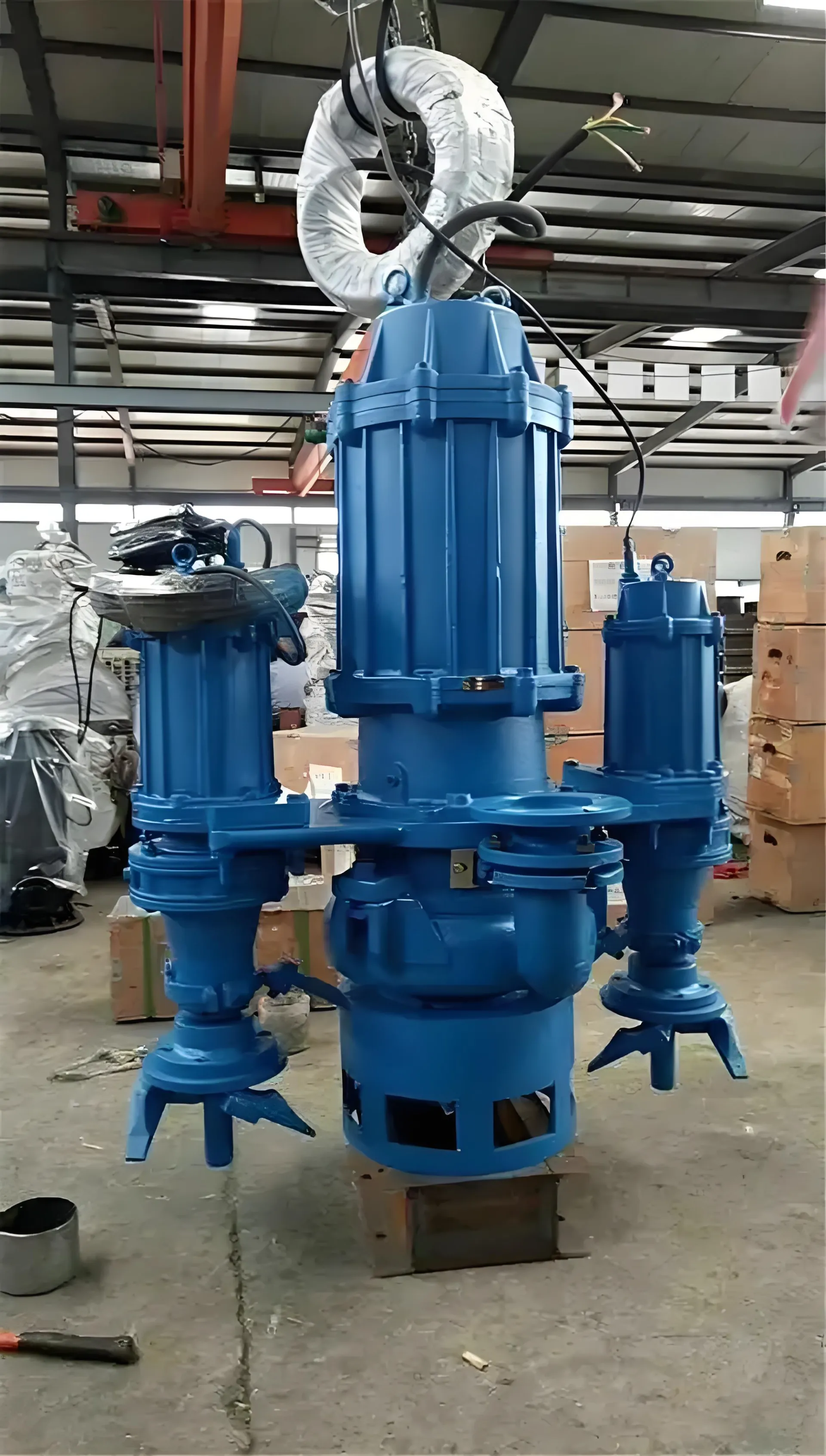
Self-priming sewage trash pumps are centrifugal pumps specifically designed to handle liquids containing solids, commonly found in wastewater treatment, construction sites, and industrial applications. Unlike standard centrifugal pumps, these units incorporate a priming system allowing them to remove air from the suction line and initiate fluid transfer without needing to be pre-filled. Their robust construction and open impeller design allow passage of large solids without clogging, a critical function in sewage and trash removal. They occupy a vital position in fluid management systems, bridging the gap between raw sewage/wastewater intake and downstream treatment processes. Core performance metrics include flow rate (gallons per minute or cubic meters per hour), total dynamic head (TDH) representing the maximum height the pump can lift liquid, and solids handling capability (diameter of maximum solid particle size). Effective operation is critical to preventing system backups and ensuring environmental compliance.
Material Science & Manufacturing
The construction of self-priming sewage trash pumps necessitates materials capable of withstanding corrosive environments and abrasive wear. Pump housings are commonly cast from gray iron (ASTM A48 Class 30) for its cost-effectiveness and dampening characteristics, though ductile iron (ASTM A536 65-45-12) is increasingly favored for its superior tensile strength and impact resistance. Impellers, crucial for fluid transfer, are typically manufactured from high-chrome cast iron (ASTM A532 Grade 1A) due to its exceptional resistance to abrasion from suspended solids. Shafts are often constructed from 4140 alloy steel (ASTM A311 Grade Y40) and hardened to ensure torsional strength and resistance to fatigue failure. Seals are typically mechanical seals utilizing silicon carbide faces for durability against abrasive particles and chemical attack. Manufacturing processes include sand casting for housings and impellers, CNC machining for precise dimensional accuracy of the impeller and shaft, and automated welding for assembling components. Critical parameter control during manufacturing includes ensuring proper impeller balancing (ISO 1940-1) to minimize vibration and bearing wear, adherence to dimensional tolerances (ISO 2768-mK) for sealing surfaces, and quality control of weld integrity (AWS D1.1) to prevent structural failures. The choice of elastomeric materials for seals, such as nitrile or Viton, must be evaluated based on the chemical composition of the pumped fluid to ensure compatibility and longevity.
Performance & Engineering
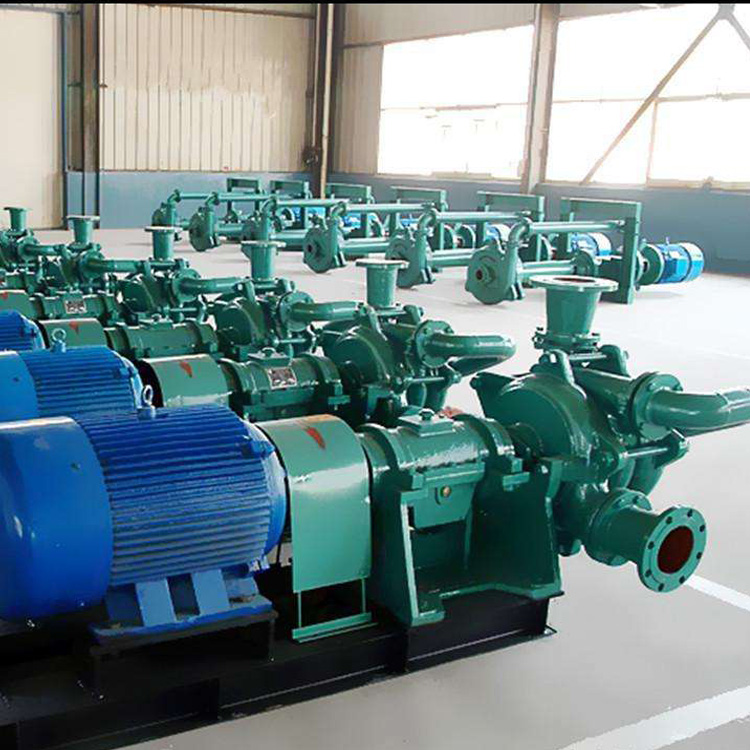
The performance of self-priming sewage trash pumps is governed by fundamental principles of fluid dynamics. Force analysis centers on the hydrodynamic forces exerted by the fluid on the impeller, the static pressure developed by the volute casing, and the frictional losses within the pump passages. Environmental resistance is a major concern; pumps operating outdoors are exposed to temperature fluctuations, UV radiation (leading to polymer degradation of seals and hoses), and potential corrosion from atmospheric contaminants. Compliance requirements include adherence to hydraulic efficiency standards (ANSI/HI 14) to minimize energy consumption, safety standards (UL 778, CSA C22.2 No. 108) to prevent electrical hazards, and environmental regulations regarding noise emissions (ISO 9613-2). Functional implementation relies on the Venturi effect within the priming chamber. As the impeller rotates, it creates a low-pressure zone, drawing air from the suction line into the priming chamber. The air mixes with liquid and is expelled through the discharge port, allowing liquid to fill the suction line. The pump's ability to re-prime after air enters the system is crucial for continuous operation. Cavitation, a potential failure mode, is mitigated through careful impeller design and maintaining sufficient net positive suction head available (NPSHa) exceeding the net positive suction head required (NPSHr). Proper selection of impeller vane angles and volute casing geometry optimizes pump efficiency and head-flow characteristics.
Technical Specifications
| Parameter | Unit | Typical Range (Small Pump) | Typical Range (Large Pump) |
|---|---|---|---|
| Flow Rate | GPM (Gallons per Minute) | 50-150 | 300-1000 |
| Total Dynamic Head | ft (Feet) | 20-60 | 80-150 |
| Solids Handling Capability | in (Inches) | 2-3 | 3-6 |
| Motor Power | HP (Horsepower) | 1-5 | 10-50 |
| Suction Lift | ft (Feet) | 15-25 | 20-30 |
| Discharge Port Size | in (Inches) | 2-4 | 6-10 |
Failure Mode & Maintenance
Self-priming sewage trash pumps are susceptible to several failure modes. Fatigue cracking in the impeller vanes can occur due to cyclical stress from solids impact and fluid pressure. Delamination of the impeller coating (if applicable) can reduce abrasion resistance. Mechanical seal failure, often manifesting as leakage, is common due to abrasive wear or chemical incompatibility. Bearing failure, indicated by excessive noise or vibration, results from inadequate lubrication, contamination, or overload. Casing corrosion, particularly in marine environments, weakens the structural integrity of the pump. Oxidation of metallic components leads to reduced material strength and increased corrosion susceptibility. Maintenance solutions include regular inspection of the impeller for wear and cracks, replacement of mechanical seals at scheduled intervals, proper lubrication of bearings (using appropriate grease – NLGI Grade 2), periodic cleaning of the pump casing to remove accumulated solids, and application of protective coatings to prevent corrosion. Preventive maintenance programs should incorporate vibration analysis to detect early signs of bearing failure and thermographic imaging to identify overheating components. Thorough flushing of the pump before startup after periods of inactivity can remove settled debris and prevent immediate damage. Regularly checking the alignment between the motor and pump shaft minimizes bearing load and extends component life.
Industry FAQ
Q: What is the primary advantage of a self-priming sewage pump over a submersible pump in certain applications?
A: Self-priming pumps do not require submersion, making them suitable for applications where pump access is limited or the liquid level is variable. Submersible pumps, while efficient, necessitate continuous submersion for proper operation and cooling. This accessibility advantage reduces maintenance downtime and eliminates the risk of motor burnout due to dry running.
Q: How does impeller design impact the pump's ability to handle solids without clogging?
A: Open or recessed impeller designs are critical for solids handling. These impellers have larger flow passages and allow solids to pass through without being trapped. Closed impellers, while more efficient with clean liquids, are prone to clogging in sewage applications. The impeller's vane geometry and number of vanes also influence its solids handling capacity.
Q: What factors should be considered when selecting the appropriate mechanical seal material?
A: The chemical composition of the pumped fluid is paramount. Nitrile rubber is suitable for water-based sewage, but more aggressive chemicals require Viton, EPDM, or PTFE seals. Abrasive particles dictate the need for silicon carbide seal faces for increased wear resistance. Temperature and pressure also influence material selection.
Q: How can I diagnose a loss of prime in a self-priming pump?
A: Common causes include air leaks in the suction piping, a clogged suction strainer, a damaged impeller, or a malfunctioning check valve within the priming system. Inspect the suction line for leaks, clean the strainer, and verify the proper operation of the check valve. Ensure the pump is adequately vented.
Q: What is NPSH, and why is it important for self-priming pumps?
A: NPSH (Net Positive Suction Head) represents the absolute pressure at the pump suction, exceeding the liquid's vapor pressure. Insufficient NPSH leads to cavitation – the formation and collapse of vapor bubbles – causing noise, vibration, and impeller damage. Maintaining adequate NPSHa (available) above NPSHr (required) is crucial for reliable pump operation.
Conclusion
Self-priming sewage trash pumps are vital components in wastewater management systems, offering robust and reliable fluid transfer capabilities despite challenging conditions. Their design, leveraging principles of fluid dynamics and material science, directly addresses the industry's core pain points – handling solids, preventing clogging, and ensuring continuous operation. Proper material selection, meticulous manufacturing processes, and diligent maintenance are paramount to maximizing pump lifespan and minimizing downtime.
Future developments in this field will likely focus on improving pump efficiency through advanced impeller designs, implementing smart monitoring systems for predictive maintenance, and utilizing more durable and corrosion-resistant materials. Optimizing these pumps will further reduce energy consumption, lower operational costs, and enhance environmental sustainability.
-
Precision at the Pump: How Better Machining Protects Flow and Uptime
News2026-11-20
-
Why Pump Reliability Begins Before the First Drop of Fluid
News2026-11-20
-
Beyond the Pump: Designing Safer Access Around Critical Water Infrastructure
News2026-11-20
-
Why Pumping Stations Depend on the Infrastructure Beneath the Pumps
News2026-11-20
-
Beyond the Pump Room: How Smarter Loading Protects Industrial Equipment
News2026-11-19
-
When Pumps Stop: Designing More Resilient Power for Critical Pumping Systems
News2026-11-19
-
The Hidden Role of Dust and Gas Monitoring in Reliable Pump Operations
News2026-11-19
-
The Hidden Role of Mineral Compounds in Extending Industrial Pump Lifespan
News2026-10-12
-
Why Pump System Reliability Depends on Precision Hose Assembly Methods
News2026-09-15
-
How Advanced Imaging Films Are Transforming Pump Component Quality Control
News2026-08-25
-
How Advanced Filtration Protects Pump Systems from Premature Wear and Costly Downtime
News2026-08-25
-
How Steel Material Selection Drives Pump Reliability in Heavy-Duty Systems
News2026-08-25
-
Ensuring Pump System Efficiency: The Role of High-Quality Pipe Fittings and Tubing
News2026-08-24
-
Optimizing Fluid Dynamics and Material Consistency in Industrial Processing
News2026-08-18
-
Innovations and Challenges in Hydraulic Systems for Heavy Machinery
News2026-08-13




