English
- Afrikaans
- Albanian
- Amharic
- Arabic
- Armenian
- Azerbaijani
- Basque
- Belarusian
- Bengali
- Bosnian
- Bulgarian
- Catalan
- Cebuano
- Corsican
- Croatian
- Czech
- Danish
- Dutch
- English
- Esperanto
- Estonian
- Finnish
- French
- Frisian
- Galician
- Georgian
- German
- Greek
- Gujarati
- Haitian Creole
- hausa
- hawaiian
- Hebrew
- Hindi
- Miao
- Hungarian
- Icelandic
- igbo
- Indonesian
- irish
- Italian
- Japanese
- Javanese
- Kannada
- kazakh
- Khmer
- Rwandese
- Korean
- Kurdish
- Kyrgyz
- Lao
- Latin
- Latvian
- Lithuanian
- Luxembourgish
- Macedonian
- Malgashi
- Malay
- Malayalam
- Maltese
- Maori
- Marathi
- Mongolian
- Myanmar
- Nepali
- Norwegian
- Norwegian
- Occitan
- Pashto
- Persian
- Polish
- Portuguese
- Punjabi
- Romanian
- Russian
- Samoan
- Scottish Gaelic
- Serbian
- Sesotho
- Shona
- Sindhi
- Sinhala
- Slovak
- Slovenian
- Somali
- Spanish
- Sundanese
- Swahili
- Swedish
- Tagalog
- Tajik
- Tamil
- Tatar
- Telugu
- Thai
- Turkish
- Turkmen
- Ukrainian
- Urdu
- Uighur
- Uzbek
- Vietnamese
- Welsh
- Bantu
- Yiddish
- Yoruba
- Zulu

Telephone: +86 13120555503
Email: frank@cypump.com


Apr . 01, 2024 17:55 Back to list
self priming effluent pump Performance Analysis
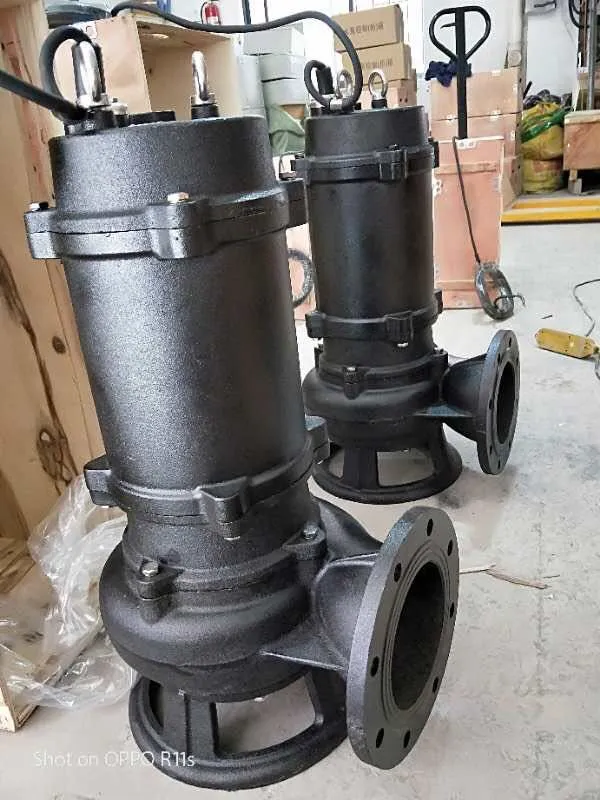
Introduction
Self-priming effluent pumps are centrifugal pumps designed to remove liquids containing solids, commonly found in wastewater treatment, sewage systems, and industrial effluent management. Unlike standard centrifugal pumps which require priming (filling the pump casing with liquid) before operation, self-priming pumps incorporate design features that allow them to evacuate air from the suction line, initiating liquid flow without external intervention. Their position in the industry chain is crucial post-process, handling waste streams and ensuring environmental compliance. Core performance characteristics include flow rate (typically measured in gallons per minute or cubic meters per hour), total dynamic head (TDH - the maximum height the pump can lift the fluid), solids handling capability (expressed as sphere diameter), and efficiency. The increasing demand for efficient wastewater management and stringent environmental regulations drive the continued development and adoption of self-priming effluent pump technologies.
Material Science & Manufacturing
The construction of a self-priming effluent pump demands careful material selection to withstand abrasive fluids and corrosive environments. Common materials include cast iron (ASTM A48 Class 30 for casings, offering good strength and cost-effectiveness), stainless steel (304 or 316 grades for impellers and shafts, providing superior corrosion resistance), and engineered polymers like polypropylene or PVDF (polyvinylidene fluoride) for specific components exposed to aggressive chemicals. Impellers are often manufactured using centrifugal casting, ensuring precise geometry and balanced weight distribution for smooth operation. Pump casings are typically created through sand casting or investment casting. Shaft seals, a critical element, often utilize mechanical seals constructed from silicon carbide or tungsten carbide faces, providing a leak-proof barrier between the pump chamber and the external environment. Key parameter control during manufacturing focuses on impeller balancing (to minimize vibration), casing dimensional accuracy (to ensure proper volumetric efficiency), and seal surface finish (to maximize sealing performance). The manufacturing process often involves Non-Destructive Testing (NDT) methods such as radiographic inspection and ultrasonic testing to identify potential flaws in castings before final assembly. The priming mechanism itself, often a vent valve and air separation chamber, requires tight tolerances during manufacturing to ensure effective air removal.
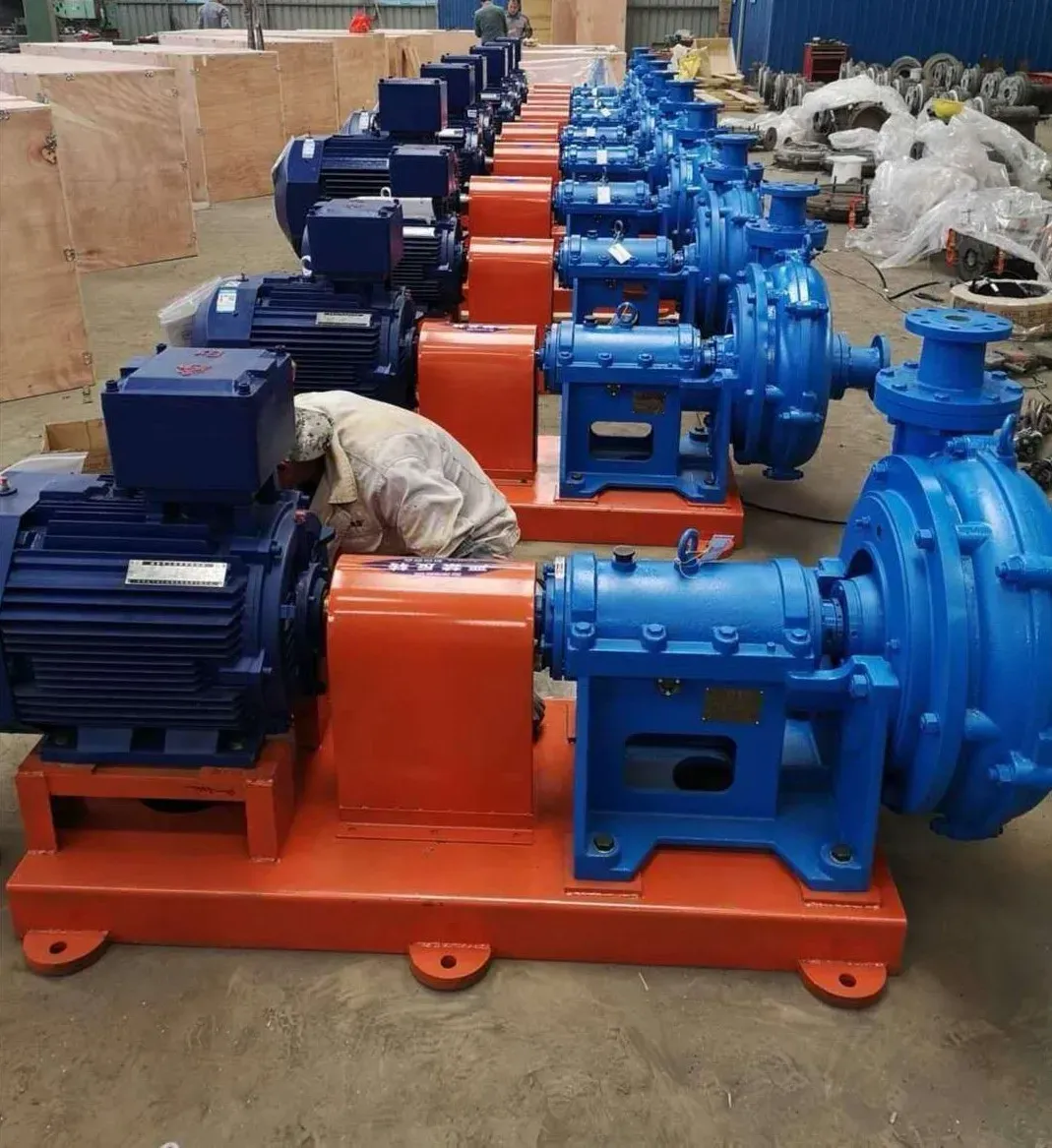
Performance & Engineering
Performance engineering of self-priming effluent pumps centers around optimizing hydraulic efficiency and solids handling capability. Force analysis involves considering centrifugal force acting on the impeller, hydraulic forces within the volute casing, and shear forces exerted by the fluid on suspended solids. Cavitation, a major concern, is mitigated by careful impeller design (low Net Positive Suction Head Required - NPSHr) and operational control (maintaining sufficient inlet pressure). Environmental resistance is addressed through material selection (corrosion resistance) and protective coatings (epoxy or polyurethane) to withstand exposure to harsh chemicals and UV radiation. Compliance requirements vary by region but often include adherence to hydraulic institute standards for pump performance testing and energy efficiency. The self-priming functionality relies on the creation of a negative pressure within the suction line, drawing air and liquid into the priming chamber. This chamber, coupled with a non-return valve, allows the pump to re-prime automatically after losing prime due to air ingress. Proper impeller design, optimized volute geometry, and efficient air separation are critical for achieving reliable self-priming capability. Furthermore, the pump's mechanical design must account for the stresses induced by fluid weight and dynamic loading during operation, employing robust bearing systems and shaft designs to ensure long-term reliability.
Technical Specifications
| Pump Model | Maximum Flow Rate (GPM) | Maximum Head (ft) | Solids Handling (in) |
|---|---|---|---|
| SEP-65 | 150 | 80 | 2 |
| SEP-80 | 220 | 100 | 2.5 |
| SEP-100 | 300 | 120 | 3 |
| SEP-125 | 400 | 150 | 3.5 |
| SEP-150 | 500 | 180 | 4 |
| SEP-200 | 700 | 220 | 4.5 |
Failure Mode & Maintenance
Common failure modes in self-priming effluent pumps include impeller wear (due to abrasive solids), seal failure (leading to leakage), bearing failure (caused by inadequate lubrication or overload), and casing corrosion (resulting from chemical attack). Fatigue cracking can occur in the pump casing or impeller under cyclic loading. Delamination of protective coatings is another potential issue, exposing underlying materials to corrosion. Oxidation of metal components can also contribute to failure, particularly in aggressive environments. Preventative maintenance is crucial. This includes regular inspection of the impeller for wear, replacement of mechanical seals as needed, lubrication of bearings according to manufacturer's specifications, and periodic inspection for corrosion. Vibration analysis can detect early signs of bearing or impeller imbalance. Flushing the pump casing regularly can remove accumulated solids and prevent clogging. For seal failures, ensuring proper seal installation and compatibility with the pumped fluid is paramount. When replacing components, utilizing OEM-specified parts is highly recommended to maintain performance and reliability. Addressing corrosion proactively through the application of appropriate coatings and corrosion inhibitors can significantly extend the pump’s service life. Records of maintenance activities should be maintained to track pump performance and identify potential recurring issues.
Industry FAQ
Q: What is the significance of NPSHr (Net Positive Suction Head Required) in selecting a self-priming pump?
A: NPSHr is a critical parameter. It represents the minimum absolute pressure required at the pump suction to prevent cavitation. If the available NPSH (Net Positive Suction Head Available) in the system is less than the pump's NPSHr, cavitation will occur, leading to reduced pump performance, noise, and potential damage to the impeller.
Q: How does the impeller design impact the solids handling capability of the pump?
A: The impeller design directly affects solids handling. Open or recessed impellers are specifically designed to pass solids without clogging. Impeller vane geometry, including the size and shape of the passages, dictates the maximum size of solids the pump can handle. A larger and more open impeller design is generally required for handling larger solids.
Q: What is the role of the priming chamber in a self-priming pump?
A: The priming chamber is essential for self-priming functionality. It’s a sealed chamber connected to the suction line. It allows the pump to evacuate air, creating a vacuum that draws liquid into the pump. The non-return valve within the priming chamber prevents liquid from flowing back when the pump is re-primed.
Q: What materials are best suited for handling highly corrosive effluents?
A: For highly corrosive effluents, materials like stainless steel (316 grade), duplex stainless steel, or engineered polymers such as PVDF are preferred. These materials offer excellent resistance to a wide range of chemicals. Consideration should also be given to the pH and temperature of the effluent when selecting materials.
Q: What are the typical maintenance intervals for a self-priming effluent pump?
A: Maintenance intervals vary depending on the pump's operating conditions and the nature of the effluent. Generally, a visual inspection should be performed monthly, including checking for leaks, unusual noise, and vibration. Mechanical seal inspection/replacement is typically recommended every 6-12 months. Bearing lubrication should be checked and performed as per the manufacturer’s recommendations. Complete pump overhauls are typically performed every 3-5 years.
Conclusion
Self-priming effluent pumps represent a vital technology in wastewater and effluent management, providing reliable and efficient liquid transfer even in challenging applications. Understanding the underlying material science, manufacturing processes, and engineering principles is critical for selecting the appropriate pump for a given application. Careful consideration of parameters such as flow rate, head, solids handling capability, and chemical compatibility is paramount to ensure optimal performance and longevity.
Future developments in this field will likely focus on improving pump efficiency, reducing energy consumption, and enhancing remote monitoring and control capabilities. The integration of smart sensors and predictive maintenance algorithms will further optimize pump operation and minimize downtime. Continued advancements in materials science will also lead to the development of more durable and corrosion-resistant pumps capable of handling increasingly harsh effluents.
-
Precision at the Pump: How Better Machining Protects Flow and Uptime
News2026-11-20
-
Why Pump Reliability Begins Before the First Drop of Fluid
News2026-11-20
-
Beyond the Pump: Designing Safer Access Around Critical Water Infrastructure
News2026-11-20
-
Why Pumping Stations Depend on the Infrastructure Beneath the Pumps
News2026-11-20
-
Beyond the Pump Room: How Smarter Loading Protects Industrial Equipment
News2026-11-19
-
When Pumps Stop: Designing More Resilient Power for Critical Pumping Systems
News2026-11-19
-
The Hidden Role of Dust and Gas Monitoring in Reliable Pump Operations
News2026-11-19
-
The Hidden Role of Mineral Compounds in Extending Industrial Pump Lifespan
News2026-10-12
-
Why Pump System Reliability Depends on Precision Hose Assembly Methods
News2026-09-15
-
How Advanced Imaging Films Are Transforming Pump Component Quality Control
News2026-08-25
-
How Advanced Filtration Protects Pump Systems from Premature Wear and Costly Downtime
News2026-08-25
-
How Steel Material Selection Drives Pump Reliability in Heavy-Duty Systems
News2026-08-25
-
Ensuring Pump System Efficiency: The Role of High-Quality Pipe Fittings and Tubing
News2026-08-24
-
Optimizing Fluid Dynamics and Material Consistency in Industrial Processing
News2026-08-18
-
Innovations and Challenges in Hydraulic Systems for Heavy Machinery
News2026-08-13




