English
- Afrikaans
- Albanian
- Amharic
- Arabic
- Armenian
- Azerbaijani
- Basque
- Belarusian
- Bengali
- Bosnian
- Bulgarian
- Catalan
- Cebuano
- Corsican
- Croatian
- Czech
- Danish
- Dutch
- English
- Esperanto
- Estonian
- Finnish
- French
- Frisian
- Galician
- Georgian
- German
- Greek
- Gujarati
- Haitian Creole
- hausa
- hawaiian
- Hebrew
- Hindi
- Miao
- Hungarian
- Icelandic
- igbo
- Indonesian
- irish
- Italian
- Japanese
- Javanese
- Kannada
- kazakh
- Khmer
- Rwandese
- Korean
- Kurdish
- Kyrgyz
- Lao
- Latin
- Latvian
- Lithuanian
- Luxembourgish
- Macedonian
- Malgashi
- Malay
- Malayalam
- Maltese
- Maori
- Marathi
- Mongolian
- Myanmar
- Nepali
- Norwegian
- Norwegian
- Occitan
- Pashto
- Persian
- Polish
- Portuguese
- Punjabi
- Romanian
- Russian
- Samoan
- Scottish Gaelic
- Serbian
- Sesotho
- Shona
- Sindhi
- Sinhala
- Slovak
- Slovenian
- Somali
- Spanish
- Sundanese
- Swahili
- Swedish
- Tagalog
- Tajik
- Tamil
- Tatar
- Telugu
- Thai
- Turkish
- Turkmen
- Ukrainian
- Urdu
- Uighur
- Uzbek
- Vietnamese
- Welsh
- Bantu
- Yiddish
- Yoruba
- Zulu

Telephone: +86 13120555503
Email: frank@cypump.com


Apr . 01, 2024 17:55 Back to list
screw pump for slurry Performance Analysis
Introduction
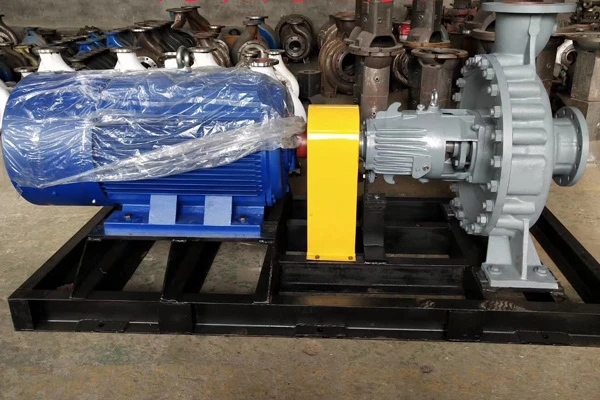
Screw pumps for slurry are positive displacement pumps specifically engineered for the reliable and efficient transfer of abrasive, viscous, and shear-sensitive fluids – commonly referred to as slurries. Positioned within the industrial fluid handling chain as a critical component for processes involving solids conveyance, these pumps occupy a niche distinct from centrifugal or other pump types. Core performance characteristics center around consistent flow rates irrespective of discharge pressure, minimal pulsation, and the ability to handle high solids concentrations without significant degradation. Industries heavily reliant on these pumps include mining, wastewater treatment, chemical processing, food & beverage, and oil & gas, where the transport of materials like mineral suspensions, sewage sludge, polymer solutions, and drilling muds is commonplace. The inherent design minimizes shear, making it ideal for fragile fluids, while the robust construction addresses the demands of abrasive materials. A key industry pain point addressed by screw pumps is the reduction of downtime and maintenance associated with traditional pumps that suffer from wear, clogging, and reduced efficiency when handling slurries.
Material Science & Manufacturing
The primary materials utilized in screw pump construction dictate its longevity and suitability for specific slurry compositions. Screw elements are commonly manufactured from hardened tool steels (e.g., 4140, 4340) offering high wear resistance, or more exotic materials like duplex stainless steels (e.g., 2205, 2507) and high-chromium cast irons for aggressive chemical environments. The pump housing is frequently constructed from cast iron (ASTM A48 Class 30) or stainless steel (304, 316) depending on corrosivity. Elastomeric stators, crucial for creating sealed chambers, are typically composed of Nitrile Butadiene Rubber (NBR), Ethylene Propylene Diene Monomer (EPDM), or Fluorocarbon (Viton) selected for chemical compatibility.
Manufacturing processes involve several critical steps. Screw elements are produced via machining, often utilizing CNC milling and grinding to achieve precise helical profiles and surface finishes. Heat treatment (hardening and tempering) is essential to maximize wear resistance. Stators are commonly produced through injection molding or rotational molding, ensuring dimensional accuracy and uniform rubber thickness. The pump housing is manufactured using sand casting or investment casting followed by machining. Critical parameter control during manufacturing focuses on helix pitch accuracy, surface roughness of the screw elements (Ra < 0.8 µm is typical), stator hardness (Shore A 60-90 depending on elastomer), and dimensional tolerances to maintain tight clearances and prevent leakage. Welds, where applicable, undergo rigorous non-destructive testing (NDT) such as radiographic inspection and dye penetrant testing to identify defects. The surface treatment such as coating, like tungsten carbide coating, is also used to enhance the wear resistance.
Performance & Engineering
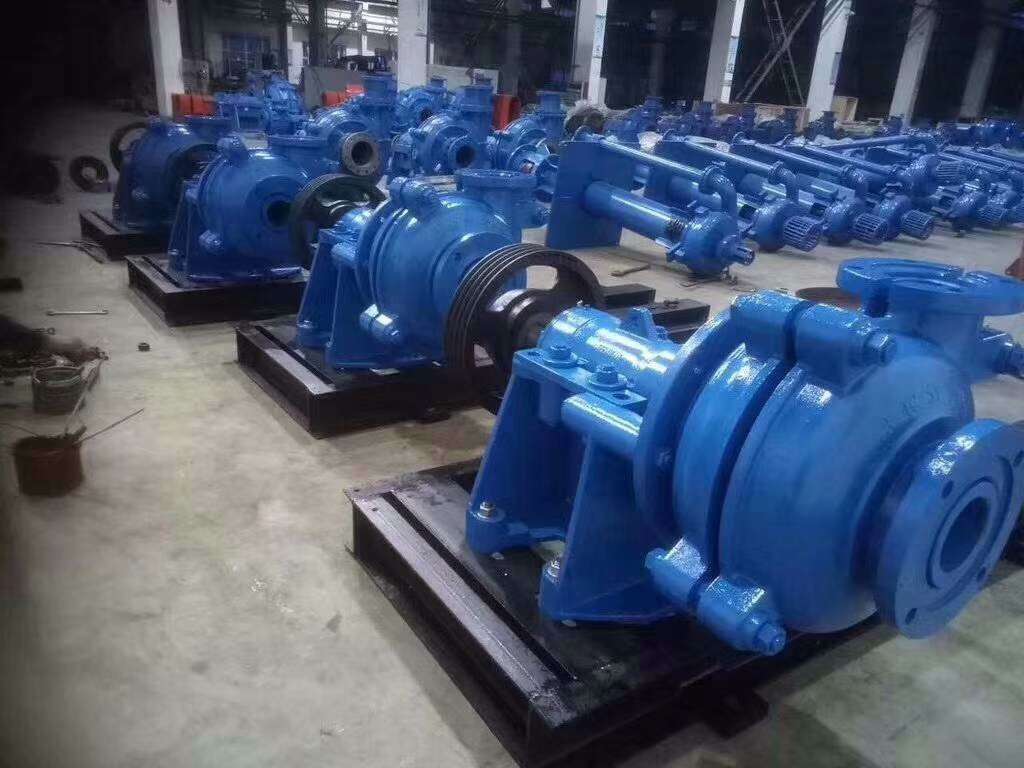
Screw pump performance is dictated by several engineering principles. Volumetric efficiency, the ratio of actual flow rate to theoretical flow rate, is crucial. Factors influencing this include clearance between the screw and stator, fluid viscosity, and pressure differentials. Force analysis focuses on the radial loads imposed on the screw bearings due to fluid pressure and screw eccentricity. Proper bearing selection (typically deep-groove ball bearings or tapered roller bearings) and lubrication are critical to prevent premature failure. Environmental resistance considerations encompass temperature extremes, exposure to corrosive chemicals, and the presence of abrasive particles. The pump's design must account for thermal expansion and contraction, as well as material compatibility with the transported slurry.
Compliance requirements, particularly in industries like food & beverage and pharmaceuticals, necessitate adherence to sanitary standards (3-A Sanitary Standards, FDA compliance). For hazardous environments, pumps must comply with ATEX or IECEx directives for explosion protection. Functional implementation often involves integration with control systems for flow rate regulation, pressure monitoring, and automatic shutdown in case of anomalies. Cavitation, while less common in screw pumps than centrifugal pumps, can occur under specific conditions (e.g., high suction lift, low NPSHa). Proper suction piping design and operating within the pump’s specified NPSH requirements are vital to prevent damage to the screw elements and stator.
Technical Specifications
| Parameter | Unit | Typical Value (Low Range) | Typical Value (High Range) |
|---|---|---|---|
| Flow Rate | GPM (Gallons Per Minute) | 5 | 500 |
| Discharge Pressure | PSI (Pounds per Square Inch) | 50 | 1500 |
| Solids Handling Capability | % by Weight | 0 | 80 |
| Viscosity Range | cP (Centipoise) | 10 | 30,000 |
| Temperature Range | °F (Fahrenheit) | -20 | 250 |
| Screw Speed | RPM (Revolutions Per Minute) | 100 | 600 |
Failure Mode & Maintenance
Common failure modes in screw pumps for slurry include abrasive wear of the screw elements and stator, particularly when handling high-solids content slurries. Fatigue cracking can occur in the screw shafts due to cyclical loading and torsional stresses. Elastomeric stator degradation (swelling, cracking, loss of elasticity) results from chemical incompatibility or prolonged exposure to high temperatures. Cavitation erosion, though less frequent, can damage screw surfaces and stators. Bearing failure is often attributed to inadequate lubrication, contamination, or excessive radial loads.
Preventative maintenance is critical. Regular inspection of the screw elements and stator for wear is essential. Stator replacement is typically required every 6-24 months depending on the slurry’s abrasiveness and chemical properties. Lubrication schedules should adhere to manufacturer recommendations. Strainers should be regularly cleaned to prevent clogging and maintain optimal flow rates. Bearing lubrication should be monitored and replenished as needed. Vibration analysis can detect early signs of bearing wear or misalignment. In case of pump failure, disassembly should be performed by qualified personnel following established procedures. Proper storage of spare parts (stators, screws, bearings) is crucial to minimize downtime. Regularly check the seals to prevent leakage and maintain efficient operation.
Industry FAQ
Q: What are the primary advantages of a screw pump over a centrifugal pump when handling highly abrasive slurries?
A: Centrifugal pumps are susceptible to significant wear from abrasive particles, leading to impeller damage and reduced efficiency. Screw pumps, with their positive displacement design and larger flow passages, minimize abrasive wear by gently conveying the slurry rather than imparting high velocities and shear forces. Additionally, screw pumps maintain consistent flow rates regardless of slurry viscosity or solids content, a characteristic centrifugal pumps struggle with.
Q: How do I select the appropriate stator material for a specific slurry composition?
A: Stator material selection is crucial. Chemical compatibility is paramount. NBR is suitable for oil-based slurries, EPDM for water-based and mild chemical slurries, and Viton for aggressive chemical environments. Consult chemical resistance charts and consider the slurry's pH, temperature, and concentration. Abrasive slurries may benefit from stators with higher hardness ratings.
Q: What is the impact of suction lift on screw pump performance, and how can it be mitigated?
A: Excessive suction lift can lead to cavitation, reducing pump efficiency and potentially damaging the screw elements. Ensure adequate Net Positive Suction Head Available (NPSHa) exceeds the Net Positive Suction Head Required (NPSHr) by a sufficient margin. Minimize suction piping length and diameter, and avoid sharp bends. Consider using a flooded suction if possible.
Q: How can I monitor the condition of the screw pump stator to predict maintenance requirements?
A: Regularly monitor pump discharge pressure and flow rate. A decrease in performance often indicates stator wear. Visual inspection during scheduled maintenance can reveal cracks or swelling. Vibration analysis can detect changes in the pump’s dynamic behavior indicative of stator degradation. Some manufacturers offer online monitoring systems that track stator performance in real-time.
Q: What considerations should be made when integrating a screw pump into an existing process pipeline?
A: Ensure the piping system is adequately sized to accommodate the pump’s flow rate and pressure. Provide adequate strainers upstream of the pump to remove large solids that could cause clogging. Install pulsation dampeners on the discharge side to minimize pressure fluctuations. Consider thermal expansion and contraction of the piping system and provide appropriate expansion joints.
Conclusion
Screw pumps represent a sophisticated and reliable solution for the challenging task of slurry transportation. Their positive displacement characteristics, coupled with robust materials and careful engineering, allow them to effectively handle abrasive, viscous, and shear-sensitive fluids where centrifugal pumps often fall short. Understanding the nuances of material science, manufacturing processes, and performance parameters is essential for selecting and maintaining a screw pump that delivers optimal efficiency and longevity.
Future advancements in screw pump technology will likely focus on enhanced stator materials with improved wear resistance and chemical compatibility, the integration of smart sensors for predictive maintenance, and optimized screw profiles to minimize energy consumption. As industries continue to prioritize process efficiency and environmental sustainability, screw pumps will play an increasingly vital role in a wide range of applications.
-
Comprehensive Guide to Waterproof ORings for Optimal Sealing Solutions
News2026-06-09
-
basement bathroom pump systems Performance Analysis
News2026-06-24
-
basement bathroom ejector pump system Performance Engineering
News2026-06-24
-
2 hp sewage pump Performance Engineering
News2026-06-24
-
1 hp septic pump Performance Engineering
News2026-06-24
-
submersible effluent pump Performance Analysis
News2026-06-24
-
submergable pump Material Science
News2026-06-23
-
sewer injection pump Performance Engineering
News2026-06-23
-
Sewer Ejector Pump System Performance Analysis
News2026-06-23
-
septic tank pump for sale Performance Engineering
News2026-06-23
-
septic pump for sale Performance Engineering
News2026-06-23
-
septic ejector system Performance Analysis
News2026-06-22
-
replace septic pump Performance Analysis
News2026-06-22
-
pump system septic tank Performance Analysis
News2026-06-22
-
lift pump for sewer Performance and Engineering
News2026-06-22




