English
- Afrikaans
- Albanian
- Amharic
- Arabic
- Armenian
- Azerbaijani
- Basque
- Belarusian
- Bengali
- Bosnian
- Bulgarian
- Catalan
- Cebuano
- Corsican
- Croatian
- Czech
- Danish
- Dutch
- English
- Esperanto
- Estonian
- Finnish
- French
- Frisian
- Galician
- Georgian
- German
- Greek
- Gujarati
- Haitian Creole
- hausa
- hawaiian
- Hebrew
- Hindi
- Miao
- Hungarian
- Icelandic
- igbo
- Indonesian
- irish
- Italian
- Japanese
- Javanese
- Kannada
- kazakh
- Khmer
- Rwandese
- Korean
- Kurdish
- Kyrgyz
- Lao
- Latin
- Latvian
- Lithuanian
- Luxembourgish
- Macedonian
- Malgashi
- Malay
- Malayalam
- Maltese
- Maori
- Marathi
- Mongolian
- Myanmar
- Nepali
- Norwegian
- Norwegian
- Occitan
- Pashto
- Persian
- Polish
- Portuguese
- Punjabi
- Romanian
- Russian
- Samoan
- Scottish Gaelic
- Serbian
- Sesotho
- Shona
- Sindhi
- Sinhala
- Slovak
- Slovenian
- Somali
- Spanish
- Sundanese
- Swahili
- Swedish
- Tagalog
- Tajik
- Tamil
- Tatar
- Telugu
- Thai
- Turkish
- Turkmen
- Ukrainian
- Urdu
- Uighur
- Uzbek
- Vietnamese
- Welsh
- Bantu
- Yiddish
- Yoruba
- Zulu

Telephone: +86 13120555503
Email: frank@cypump.com


Apr . 01, 2024 17:55 Back to list
screw pump centrifugal chemical pump quotes Performance Analysis
Introduction
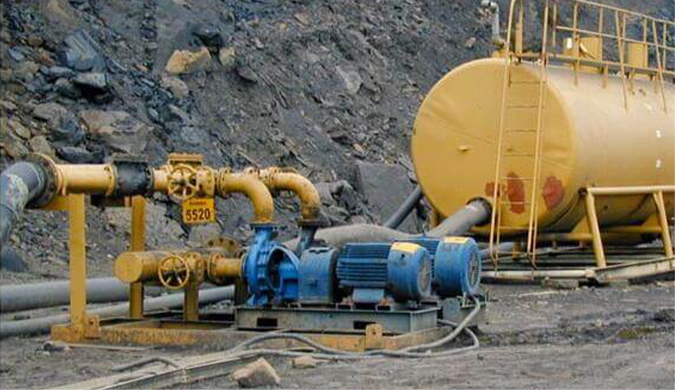
Screw pump centrifugal chemical pump systems represent a critical component in numerous industrial processes, encompassing chemical processing, pharmaceuticals, food and beverage, and wastewater treatment. These pumps are selected for their ability to handle highly viscous, shear-sensitive, and corrosive fluids, often under demanding pressure and temperature conditions. They combine the positive displacement characteristics of screw pumps with the flow rate capabilities of centrifugal pumps, offering a unique solution where precise metering and high-volume transfer are required simultaneously. A quote for these systems necessitates a deep understanding of the process fluid, operating parameters, and applicable industry standards. Improper specification can lead to premature failure, process inefficiencies, and safety hazards. This guide provides a comprehensive technical overview, covering material selection, manufacturing processes, performance characteristics, failure modes, and crucial industry regulations to facilitate informed procurement decisions. The performance of these pumps is directly related to the accurate specification of the impeller design, screw pitch, casing geometry, and sealing mechanisms.
Material Science & Manufacturing
The construction of screw pump centrifugal chemical pumps demands careful material selection to ensure chemical compatibility and mechanical integrity. Common wetted parts are manufactured from stainless steel alloys (316L, 904L), duplex stainless steels (UNS S31803, S32750), Hastelloy (C-276, B-3), and various fluoropolymers (PTFE, PFA). The choice depends heavily on the specific chemical being pumped, concentration, temperature, and potential for galvanic corrosion. Stainless steel components are typically produced via investment casting or machining from forged billets. Hastelloy parts often require specialized welding techniques due to their susceptibility to hot cracking. Fluoropolymer liners are commonly applied using powder coating or sheet lining methods, ensuring a robust barrier against corrosive attack. Screw elements are typically machined from solid bar stock, requiring high-precision CNC milling and grinding operations to maintain dimensional accuracy and achieve the required surface finish for efficient fluid transfer. Impeller manufacturing often involves precision casting followed by machining and balancing. Casing construction typically utilizes centrifugal casting or forging, followed by extensive machining to create precise flow passages. Proper heat treatment is critical for stress relieving and enhancing the mechanical properties of metallic components. Non-destructive testing (NDT), including radiographic inspection (RT) and liquid penetrant inspection (LPI), is employed to verify weld integrity and detect subsurface flaws.
Performance & Engineering
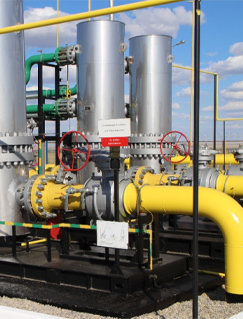
The performance of a screw pump centrifugal chemical pump is governed by a complex interplay of hydraulic forces, fluid properties, and geometric parameters. Key performance indicators include flow rate, head (pressure), efficiency, and net positive suction head required (NPSHr). Flow rate is determined by the screw pitch, rotational speed, and impeller diameter. Head is influenced by impeller geometry, casing design, and fluid viscosity. Efficiency is affected by hydraulic losses due to friction, recirculation, and turbulence. NPSHr is a critical parameter to prevent cavitation, which can cause significant damage to the impeller and screw elements. Detailed hydraulic analysis, often utilizing Computational Fluid Dynamics (CFD), is crucial to optimize pump performance for specific applications. Mechanical engineering considerations include shaft deflection, bearing loads, and sealing system design. Shaft deflection must be minimized to prevent contact between rotating and stationary components. Bearing selection depends on load magnitude, speed, and operating temperature. Sealing systems, typically employing mechanical seals or magnetic drives, must provide a leak-free barrier against the process fluid. Environmental resistance, particularly to temperature fluctuations and external corrosion, is also a critical engineering consideration, necessitating appropriate material selection and protective coatings. The pressure rating of the pump must exceed the maximum system pressure, with a sufficient safety factor to account for transient pressure spikes.
Technical Specifications
| Parameter | Unit | Typical Range | Material Options |
|---|---|---|---|
| Flow Rate | m³/hr | 1 – 500 | Stainless Steel 316L, Hastelloy C-276, PP |
| Head (Discharge Pressure) | m | 5 – 150 | Stainless Steel 316L, Hastelloy B-3, PTFE Lined |
| Viscosity Range | cP | 1 – 50,000 | All Materials Listed |
| Temperature Range | °C | -80 – 250 | Stainless Steel, Hastelloy, Fluoropolymers |
| NPSHr | m | 0.5 – 10 | Dependent on Impeller Design |
| Shaft Seal Type | - | Mechanical Seal, Magnetic Drive | Various Materials for Seal Faces |
Failure Mode & Maintenance
Screw pump centrifugal chemical pumps are susceptible to several failure modes, including cavitation erosion, corrosion-induced pitting, mechanical seal failure, bearing wear, and fatigue cracking. Cavitation, caused by insufficient NPSH, leads to localized implosions that erode the impeller and screw surfaces. Corrosion, particularly in aggressive chemical environments, results in pitting and material loss. Mechanical seal failure can occur due to abrasive particles, chemical attack, or improper installation. Bearing wear is accelerated by inadequate lubrication, misalignment, or excessive loading. Fatigue cracking can develop in highly stressed components, such as the shaft and casing, due to cyclic loading. Preventative maintenance is crucial to mitigate these failures. Regular inspection of seals, bearings, and impeller surfaces is recommended. Lubrication schedules should be strictly adhered to. Periodic vibration analysis can detect bearing wear and misalignment. Corrosion monitoring can assess the effectiveness of corrosion protection measures. If cavitation is suspected, the NPSHr should be verified, and the suction piping should be inspected for restrictions. In the event of a mechanical seal failure, the seal faces should be inspected for damage, and the sealing system should be re-evaluated. Thorough cleaning of the pump internals is also crucial, especially when handling fluids with suspended solids.
Industry FAQ
Q: What is the impact of fluid viscosity on pump performance and how is it accounted for in a quote?
A: Higher viscosity fluids significantly reduce pump capacity and efficiency. A quote will require specifying the fluid viscosity at the operating temperature. We'll factor this into the hydraulic calculations, potentially recommending a larger motor or a pump with a different impeller design to maintain the desired flow rate and head. We also consider the non-Newtonian behavior of some fluids, which impacts shear stress and flow characteristics.
Q: How do you ensure chemical compatibility when quoting for a pump handling a complex chemical mixture?
A: We require a detailed Material Safety Data Sheet (MSDS) for the chemical mixture. Our materials engineers will then evaluate the compatibility of potential wetted parts materials (stainless steel, Hastelloy, fluoropolymers) with each component of the mixture, considering concentration, temperature, and exposure duration. We prioritize materials with proven resistance to corrosion and degradation.
Q: What are the considerations for selecting a mechanical seal for corrosive applications?
A: Seal selection is critical for corrosive fluids. We evaluate seal face materials (silicon carbide, tungsten carbide, ceramic) based on their resistance to the specific chemical. We also consider the seal arrangement (single, double, tandem) and flushing system. Double mechanical seals with a barrier fluid are often recommended for highly corrosive or hazardous fluids to provide an additional layer of protection.
Q: What level of instrumentation and control can be integrated with these pumps, and how does this impact the quote?
A: We can integrate various instrumentation and control options, including flow meters, pressure transmitters, level sensors, variable frequency drives (VFDs), and programmable logic controllers (PLCs). The cost will depend on the complexity of the control scheme and the type of instrumentation selected. VFDs allow for precise flow control and energy savings, while PLCs provide automated operation and remote monitoring capabilities.
Q: What documentation is provided with a pump quote and after purchase?
A: Our quote includes a preliminary data sheet outlining the pump specifications, materials of construction, performance curves, and estimated lead time. Upon purchase, you receive comprehensive documentation including a detailed pump curve, materials certificate, hydrostatic test report, installation and operation manual, and parts list. We also offer as-built drawings and NDT reports upon request.
Conclusion
The selection of a screw pump centrifugal chemical pump demands a meticulous evaluation of process requirements, fluid properties, and environmental conditions. Accurate quoting relies on a comprehensive understanding of these parameters to ensure optimal performance, reliability, and longevity. Ignoring critical factors like viscosity, chemical compatibility, and NPSHr can lead to costly failures and process disruptions. This guide has highlighted the key technical considerations for procuring these specialized pumps, offering a framework for informed decision-making.
Looking forward, advancements in materials science and pump design will continue to enhance the performance and efficiency of these systems. The integration of predictive maintenance technologies, such as vibration analysis and data analytics, will further improve reliability and reduce downtime. Adherence to industry standards and best practices remains paramount to ensure safe and sustainable operation. Proper specification and ongoing maintenance are vital to realizing the full potential of these essential industrial components.
-
Precision at the Pump: How Better Machining Protects Flow and Uptime
News2026-11-20
-
Why Pump Reliability Begins Before the First Drop of Fluid
News2026-11-20
-
Beyond the Pump: Designing Safer Access Around Critical Water Infrastructure
News2026-11-20
-
Why Pumping Stations Depend on the Infrastructure Beneath the Pumps
News2026-11-20
-
Beyond the Pump Room: How Smarter Loading Protects Industrial Equipment
News2026-11-19
-
When Pumps Stop: Designing More Resilient Power for Critical Pumping Systems
News2026-11-19
-
The Hidden Role of Dust and Gas Monitoring in Reliable Pump Operations
News2026-11-19
-
The Hidden Role of Mineral Compounds in Extending Industrial Pump Lifespan
News2026-10-12
-
Why Pump System Reliability Depends on Precision Hose Assembly Methods
News2026-09-15
-
How Advanced Imaging Films Are Transforming Pump Component Quality Control
News2026-08-25
-
How Advanced Filtration Protects Pump Systems from Premature Wear and Costly Downtime
News2026-08-25
-
How Steel Material Selection Drives Pump Reliability in Heavy-Duty Systems
News2026-08-25
-
Ensuring Pump System Efficiency: The Role of High-Quality Pipe Fittings and Tubing
News2026-08-24
-
Optimizing Fluid Dynamics and Material Consistency in Industrial Processing
News2026-08-18
-
Innovations and Challenges in Hydraulic Systems for Heavy Machinery
News2026-08-13




