English
- Afrikaans
- Albanian
- Amharic
- Arabic
- Armenian
- Azerbaijani
- Basque
- Belarusian
- Bengali
- Bosnian
- Bulgarian
- Catalan
- Cebuano
- Corsican
- Croatian
- Czech
- Danish
- Dutch
- English
- Esperanto
- Estonian
- Finnish
- French
- Frisian
- Galician
- Georgian
- German
- Greek
- Gujarati
- Haitian Creole
- hausa
- hawaiian
- Hebrew
- Hindi
- Miao
- Hungarian
- Icelandic
- igbo
- Indonesian
- irish
- Italian
- Japanese
- Javanese
- Kannada
- kazakh
- Khmer
- Rwandese
- Korean
- Kurdish
- Kyrgyz
- Lao
- Latin
- Latvian
- Lithuanian
- Luxembourgish
- Macedonian
- Malgashi
- Malay
- Malayalam
- Maltese
- Maori
- Marathi
- Mongolian
- Myanmar
- Nepali
- Norwegian
- Norwegian
- Occitan
- Pashto
- Persian
- Polish
- Portuguese
- Punjabi
- Romanian
- Russian
- Samoan
- Scottish Gaelic
- Serbian
- Sesotho
- Shona
- Sindhi
- Sinhala
- Slovak
- Slovenian
- Somali
- Spanish
- Sundanese
- Swahili
- Swedish
- Tagalog
- Tajik
- Tamil
- Tatar
- Telugu
- Thai
- Turkish
- Turkmen
- Ukrainian
- Urdu
- Uighur
- Uzbek
- Vietnamese
- Welsh
- Bantu
- Yiddish
- Yoruba
- Zulu

Telephone: +86 13120555503
Email: frank@cypump.com


Apr . 01, 2024 17:55 Back to list
sala slurry pumps Performance Engineering
Introduction
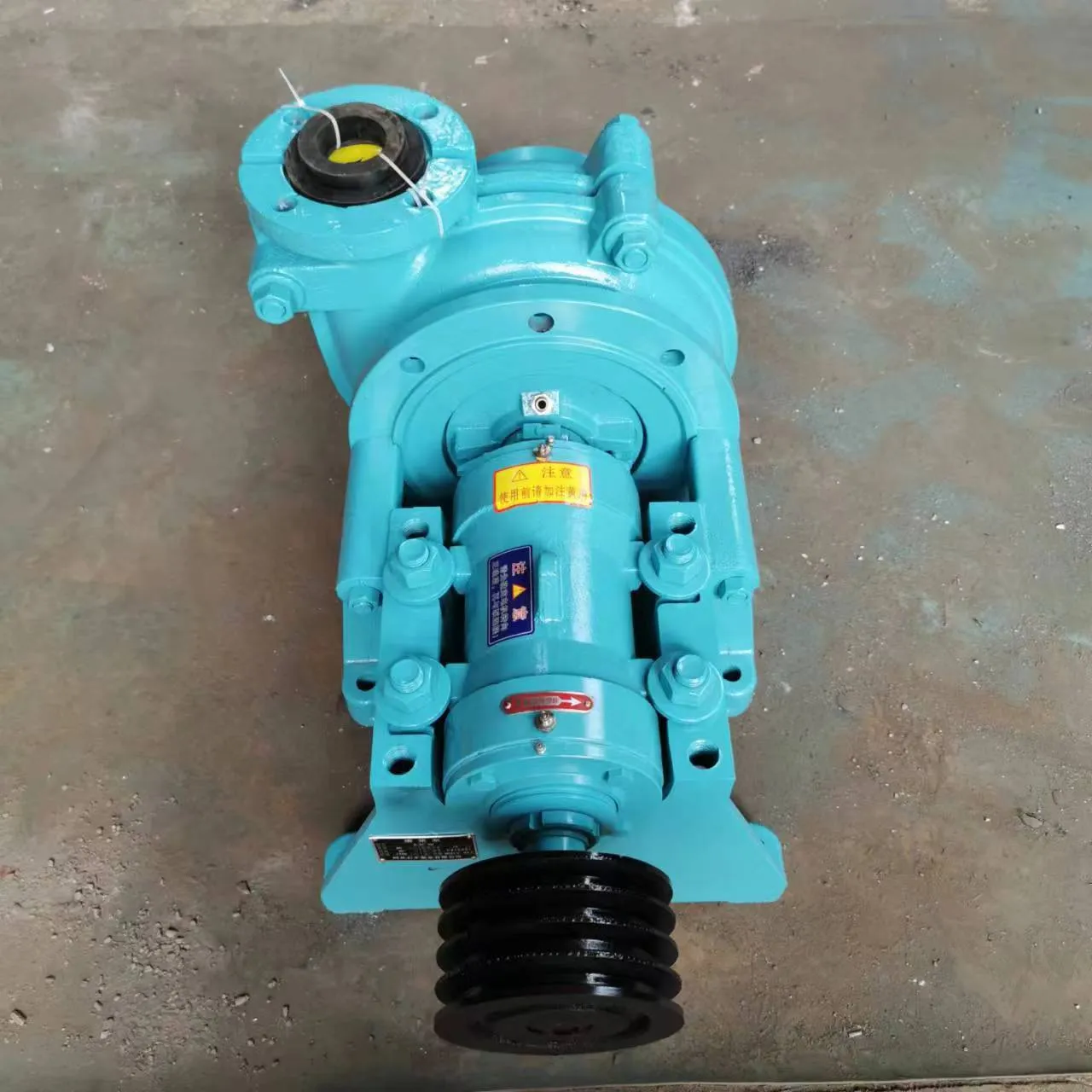
Sala slurry pumps are positive displacement pumps specifically designed for the challenging task of transporting abrasive and high-solids content slurries. They occupy a crucial position within mineral processing, wastewater treatment, dredging, and chemical industries, bridging the gap between raw material extraction/waste generation and subsequent processing stages. Unlike centrifugal pumps which are susceptible to erosion and performance degradation when handling abrasive media, Sala pumps utilize a rotating, typically lobe or screw, mechanism to gently convey the slurry, minimizing wear and maintaining consistent flow rates. Core performance characteristics include high solids handling capacity (up to 80% by weight in some models), positive displacement ensuring predictable flow irrespective of discharge pressure, and robust construction to withstand the corrosive and abrasive nature of the handled fluids. A key differentiating factor compared to other positive displacement pump types, like diaphragm pumps, is their ability to handle larger particle sizes and maintain relatively high flow rates at higher pressures. The selection of the appropriate Sala pump is predicated on slurry characteristics (particle size distribution, solids concentration, specific gravity), flow rate requirements, and discharge head constraints.
Material Science & Manufacturing
The construction of Sala slurry pumps heavily relies on materials selected for their resistance to erosion, corrosion, and abrasion. Pump casings are commonly manufactured from high-chrome cast iron (typically containing 15-30% chromium), offering excellent wear resistance. Impellers and rotors, the components directly interacting with the slurry, utilize similar high-chrome alloys or, in highly abrasive applications, hardened tool steels. Elastomeric components, such as seals and liners, are frequently produced from natural rubber, nitrile rubber, EPDM, or Viton, selected based on the chemical compatibility with the transported slurry. Manufacturing processes vary depending on component complexity. Casings are typically produced via sand casting followed by heat treatment to achieve desired hardness and ductility. Rotors and impellers are often manufactured using investment casting or forging, followed by precision machining to ensure tight tolerances and proper lobe/screw profile. Shafts are typically made of alloy steel, subjected to hardening and tempering processes. A critical parameter in manufacturing is surface finish. Rough surfaces can accelerate erosion. Polishing and coating techniques, like tungsten carbide coating, are employed to enhance wear resistance. Welding processes, when used, must adhere to stringent quality control procedures (e.g., radiographic inspection) to prevent defects that could initiate failure. Material selection is also guided by slurry pH; acidic or alkaline slurries necessitate the use of more corrosion-resistant alloys like duplex stainless steel or Hastelloy.
Performance & Engineering
The performance of Sala slurry pumps is dictated by several engineering principles. The positive displacement nature of these pumps means that flow rate is directly proportional to pump speed (RPM). However, increased speed also increases shear forces within the slurry, potentially leading to particle breakdown or settling issues if the slurry is not properly characterized. Force analysis involves understanding the hydrodynamic forces exerted by the slurry on the rotating elements, as well as the static forces imposed by the fluid pressure. Cavitation, though less common than in centrifugal pumps, can occur if the net positive suction head available (NPSHa) is insufficient, leading to impeller damage. Environmental resistance is paramount. Pumps operating outdoors require robust seals and coatings to protect against weather exposure. Temperature extremes can affect the viscosity of the slurry and the performance of elastomeric components. Compliance requirements vary by application. In the food and beverage industry, pumps must adhere to 3-A Sanitary Standards. In hazardous environments, pumps must be certified for use in potentially explosive atmospheres (e.g., ATEX or IECEx). The pump's mechanical design must account for the dynamic loading imposed by the slurry; Finite Element Analysis (FEA) is routinely used to optimize component geometry and minimize stress concentrations. Proper pump alignment is crucial to minimize bearing wear and vibration, extending pump lifespan. Regular monitoring of pump vibration and bearing temperature provides early warnings of potential failures.
Technical Specifications
| Parameter | Unit | Typical Range (Lobe Pump) | Typical Range (Screw Pump) |
|---|---|---|---|
| Maximum Flow Rate | m³/hr | 0 - 500 | 0 - 1000 |
| Maximum Discharge Pressure | bar | 0 - 16 | 0 - 25 |
| Solids Handling Capacity | % by weight | Up to 80 | Up to 70 |
| Particle Size | mm | Up to 75 | Up to 50 |
| Viscosity Range | cP | 1 - 10,000 | 1 - 50,000 |
| Operating Temperature | °C | -20 to +100 | -20 to +150 |
Failure Mode & Maintenance
Common failure modes in Sala slurry pumps include abrasive wear of the rotors and casing, erosion of the impeller, seal failure, and bearing failure. Abrasive wear is the most prevalent issue, particularly with hard particulate matter in the slurry. This manifests as a gradual loss of material from the pump's internal components, leading to decreased performance and increased clearances. Erosion can be exacerbated by high slurry velocities and turbulent flow. Seal failure often results from abrasion by solids or chemical attack by the slurry. Bearing failure can occur due to inadequate lubrication, misalignment, or excessive loading. Fatigue cracking can develop in the shafts or casings due to cyclical stress. Delamination of coatings, if applied, can accelerate erosion. Oxidation of metallic components can occur in the presence of oxidizing agents. Preventive maintenance is crucial. Regular inspection of wear surfaces (rotors, casing, impeller) allows for timely replacement of worn parts. Proper lubrication of bearings is essential. Seal replacement should be performed according to manufacturer's recommendations. Periodic alignment checks are necessary. Filtration of the slurry prior to pumping can reduce abrasive wear. Implementation of a predictive maintenance program, utilizing vibration analysis and oil analysis, can identify potential failures before they occur. When replacing parts, always use manufacturer-approved components to ensure compatibility and performance.
Industry FAQ
Q: What is the primary advantage of a Sala pump over a centrifugal pump for handling abrasive slurries?
A: The primary advantage lies in the positive displacement mechanism. Centrifugal pumps experience a significant drop in efficiency and are prone to rapid wear when handling abrasive slurries. The relatively gentle conveying action of a Sala pump minimizes abrasive wear and provides consistent flow rates regardless of slurry viscosity or solids concentration.
Q: How do I determine the appropriate rotor/lobe profile for my specific slurry?
A: The selection depends heavily on slurry characteristics, particularly particle size and solids concentration. Larger particles necessitate wider lobe profiles or larger screw pitch. Higher solids concentrations require designs that minimize trapping and plugging. Consult with the pump manufacturer’s engineering team; they can often provide recommendations based on slurry testing and analysis.
Q: What measures can be taken to mitigate cavitation in a Sala pump?
A: While less common than in centrifugal pumps, cavitation can occur. Ensure adequate NPSHa by minimizing suction lift, increasing suction pipe diameter, and reducing fluid temperature. Regularly inspect the impeller for signs of cavitation damage (pitting). Avoid operating the pump at excessively high speeds.
Q: What type of seal is most suitable for a highly corrosive slurry?
A: For highly corrosive slurries, mechanical seals with corrosion-resistant materials like Hastelloy or ceramic are recommended. Double mechanical seals with a barrier fluid system offer enhanced protection and prevent process fluid from entering the bearing housing. The specific seal material must be carefully selected based on the slurry’s chemical composition.
Q: What is the expected lifespan of a Sala pump rotor in a typical mining application?
A: Rotor lifespan varies significantly based on slurry abrasiveness, operating conditions, and maintenance practices. In a typical hard rock mining application, a high-chrome rotor may last between 6 months to 2 years. Implementing wear monitoring and proactive replacement strategies can maximize rotor life and minimize downtime.
Conclusion
Sala slurry pumps represent a robust and reliable solution for handling abrasive and high-solids content slurries across diverse industrial applications. Their positive displacement design, combined with careful material selection and engineering principles, allows for efficient and consistent fluid conveyance in challenging conditions. The key to maximizing pump lifespan and minimizing downtime lies in understanding the specific properties of the slurry, implementing a comprehensive preventative maintenance program, and utilizing appropriate wear monitoring techniques.
Future developments in Sala pump technology are likely to focus on enhancing wear resistance through advanced materials and coatings, improving hydraulic efficiency to reduce energy consumption, and integrating smart sensors for real-time performance monitoring and predictive maintenance. The continued demand for efficient and reliable slurry handling solutions ensures a sustained role for Sala pumps in the years to come.
-
Comprehensive Guide to Waterproof ORings for Optimal Sealing Solutions
News2026-06-09
-
basement bathroom pump systems Performance Analysis
News2026-06-24
-
basement bathroom ejector pump system Performance Engineering
News2026-06-24
-
2 hp sewage pump Performance Engineering
News2026-06-24
-
1 hp septic pump Performance Engineering
News2026-06-24
-
submersible effluent pump Performance Analysis
News2026-06-24
-
submergable pump Material Science
News2026-06-23
-
sewer injection pump Performance Engineering
News2026-06-23
-
Sewer Ejector Pump System Performance Analysis
News2026-06-23
-
septic tank pump for sale Performance Engineering
News2026-06-23
-
septic pump for sale Performance Engineering
News2026-06-23
-
septic ejector system Performance Analysis
News2026-06-22
-
replace septic pump Performance Analysis
News2026-06-22
-
pump system septic tank Performance Analysis
News2026-06-22
-
lift pump for sewer Performance and Engineering
News2026-06-22




