English
- Afrikaans
- Albanian
- Amharic
- Arabic
- Armenian
- Azerbaijani
- Basque
- Belarusian
- Bengali
- Bosnian
- Bulgarian
- Catalan
- Cebuano
- Corsican
- Croatian
- Czech
- Danish
- Dutch
- English
- Esperanto
- Estonian
- Finnish
- French
- Frisian
- Galician
- Georgian
- German
- Greek
- Gujarati
- Haitian Creole
- hausa
- hawaiian
- Hebrew
- Hindi
- Miao
- Hungarian
- Icelandic
- igbo
- Indonesian
- irish
- Italian
- Japanese
- Javanese
- Kannada
- kazakh
- Khmer
- Rwandese
- Korean
- Kurdish
- Kyrgyz
- Lao
- Latin
- Latvian
- Lithuanian
- Luxembourgish
- Macedonian
- Malgashi
- Malay
- Malayalam
- Maltese
- Maori
- Marathi
- Mongolian
- Myanmar
- Nepali
- Norwegian
- Norwegian
- Occitan
- Pashto
- Persian
- Polish
- Portuguese
- Punjabi
- Romanian
- Russian
- Samoan
- Scottish Gaelic
- Serbian
- Sesotho
- Shona
- Sindhi
- Sinhala
- Slovak
- Slovenian
- Somali
- Spanish
- Sundanese
- Swahili
- Swedish
- Tagalog
- Tajik
- Tamil
- Tatar
- Telugu
- Thai
- Turkish
- Turkmen
- Ukrainian
- Urdu
- Uighur
- Uzbek
- Vietnamese
- Welsh
- Bantu
- Yiddish
- Yoruba
- Zulu

Telephone: +86 13120555503
Email: frank@cypump.com


Apr . 01, 2024 17:55 Back to list
rubber wet part of slurry pump Performance Analysis
Introduction
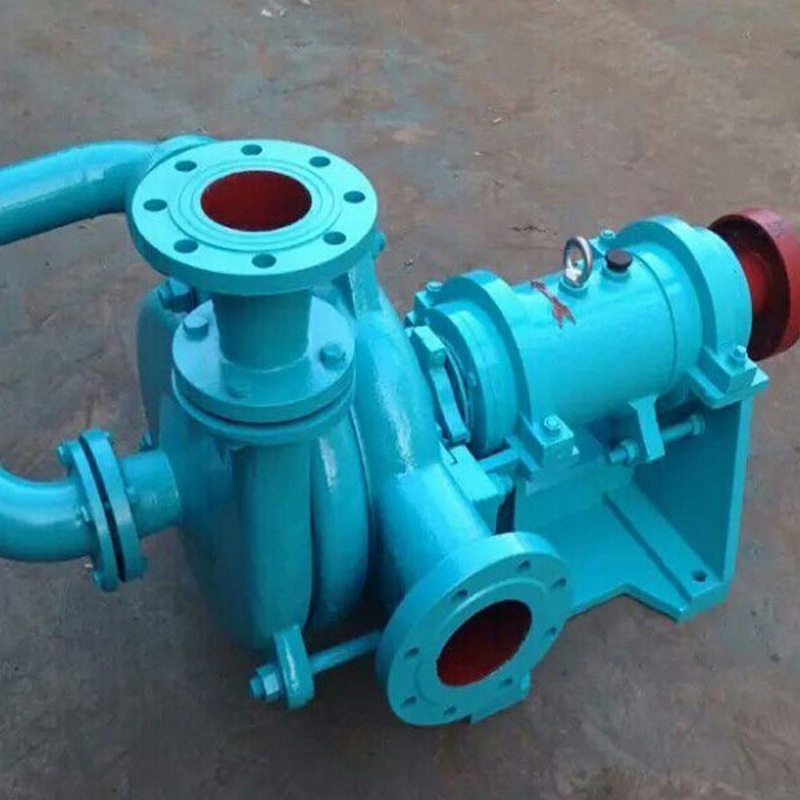
Rubber wet parts are critical components within slurry pumps, constituting the fluid-contacting surfaces responsible for transferring abrasive and corrosive media. These components, encompassing impeller linings, volute casings, and sometimes diffusers, are engineered to withstand severe wear and chemical attack. Their performance directly dictates pump efficiency, longevity, and overall operational cost. The selection of appropriate rubber compounds and the precision of their manufacturing are paramount in slurry pump application, particularly in industries like mining, mineral processing, wastewater treatment, and chemical processing. This guide provides a comprehensive technical overview of rubber wet parts, covering material science, manufacturing processes, performance parameters, failure modes, and relevant industry standards. Understanding these aspects is crucial for procurement managers, engineers, and maintenance personnel aiming to optimize slurry pump performance and minimize downtime.
Material Science & Manufacturing
The primary material for slurry pump wet parts is typically natural rubber (NR), but increasingly, synthetic elastomers like polyurethane (PU), ethylene propylene diene monomer (EPDM), chloroprene rubber (CR, Neoprene), and styrene-butadiene rubber (SBR) are employed, often in combination. Natural rubber offers excellent abrasion resistance but limited resistance to oils and chemicals. Polyurethane excels in abrasion and tear strength, exhibiting high hardness and load-bearing capacity, but may be less flexible. EPDM demonstrates superior resistance to ozone, weathering, and a wide range of chemicals, making it suitable for aggressive environments. CR provides good resistance to oils, weathering, and moderate abrasion. SBR is cost-effective and exhibits good abrasion resistance, often used as a blend component. The rubber matrix is often reinforced with fillers such as silica, carbon black, or metallic particles to enhance mechanical properties.
Manufacturing processes vary based on component geometry and scale. Impeller linings are frequently produced using rubber lining techniques, involving applying a layer of rubber to a metal substrate. This can be achieved through cold bonding (adhesive application) or vulcanizing the rubber directly onto the metal. Volute casings and larger components are often manufactured via molding processes – compression molding, transfer molding, or injection molding. Precise temperature and pressure control are critical during vulcanization, typically using sulfur-based curing systems, to achieve optimal crosslinking density and mechanical properties. Parameter control includes rubber compound viscosity, molding temperature, cure time, and post-cure treatments. Quality control involves hardness testing (Shore A/D), tensile strength testing (ASTM D412), elongation at break testing (ASTM D412), and chemical resistance testing (immersion testing per ASTM D471). The consistency of rubber thickness and bonding strength are also meticulously inspected. Incorrect vulcanization can lead to undercured rubber (low tensile strength) or overcured rubber (brittleness), both resulting in premature failure.
Performance & Engineering
The performance of rubber wet parts is dictated by their ability to resist abrasive wear, erosive wear, and chemical attack. Abrasive wear, caused by hard particles impacting the rubber surface, is a primary failure mechanism. Erosive wear results from the impingement of high-velocity fluid and particles. Chemical resistance is crucial in handling corrosive slurries. Engineering considerations involve fluid dynamics, particle impact angles, and slurry composition. Impeller design optimizes fluid flow and minimizes particle concentration at critical wear zones. Volute casing geometry influences flow velocity and reduces turbulence.
Force analysis, often employing computational fluid dynamics (CFD) modeling, is used to predict stress distribution within the rubber components. Finite element analysis (FEA) helps assess deformation under load and identify areas prone to fatigue cracking. Environmental resistance includes considerations for temperature fluctuations, UV exposure, and immersion in various chemical solutions. Compliance requirements vary by industry and region, with standards like REACH and RoHS limiting the use of certain hazardous substances. Functional implementation demands careful selection of rubber durometer (hardness) to balance abrasion resistance with flexibility and impact absorption. Softer rubber compounds offer better impact resistance but wear faster, while harder compounds offer greater abrasion resistance but may be more susceptible to cracking.
Technical Specifications
| Parameter | Natural Rubber (NR) | Polyurethane (PU) | EPDM | Chloroprene (CR) |
|---|---|---|---|---|
| Hardness (Shore A) | 40-90 | 70-95 | 50-80 | 40-85 |
| Tensile Strength (MPa) | 10-25 | 40-80 | 10-20 | 15-30 |
| Elongation at Break (%) | 400-800 | 200-400 | 300-600 | 300-500 |
| Abrasion Resistance (Taber Index) | 150-250 | 50-150 | 180-280 | 120-220 |
| Chemical Resistance (Acid) | Poor | Good | Excellent | Moderate |
| Operating Temperature (°C) | -50 to 80 | -30 to 120 | -40 to 150 | -40 to 100 |
Failure Mode & Maintenance
Common failure modes for rubber wet parts include abrasive wear (loss of material due to particle impact), erosive wear (damage from high-velocity fluid), fatigue cracking (initiated by cyclic loading), chemical degradation (attack by corrosive substances), and bond failure (delamination of rubber from the metal substrate). Abrasive wear manifests as gradual thinning of the rubber lining. Erosive wear typically causes localized pitting and channeling. Fatigue cracking originates from stress concentrations and propagates over time. Chemical degradation results in swelling, hardening, or disintegration of the rubber. Bond failure occurs when the adhesive or vulcanized bond between the rubber and metal weakens.
Preventative maintenance involves regular inspection for wear, cracks, and delamination. Visual inspection, coupled with thickness measurements using ultrasonic testing, can detect early signs of wear. Prompt replacement of worn components minimizes downtime and prevents catastrophic failures. Repairing minor cracks with epoxy-based adhesives can extend component life, but this is a temporary solution. Proper storage of spare parts is essential to prevent degradation. Parts should be stored in a cool, dry, and dark environment, away from ozone and direct sunlight. Correct installation procedures are crucial to ensure proper bonding and prevent premature failure. This includes surface preparation of the metal substrate and applying appropriate adhesives or vulcanization parameters.
Industry FAQ
Q: What is the primary difference between natural rubber and polyurethane in slurry pump applications?
A: Natural rubber excels in abrasion resistance, making it suitable for moderate slurry applications, but offers limited chemical resistance. Polyurethane exhibits superior abrasion and tear strength and better chemical resistance, particularly to oils and solvents, making it a preferred choice for highly abrasive and corrosive environments, despite potentially being less flexible.
Q: How does temperature affect the performance of EPDM rubber wet parts?
A: EPDM performs exceptionally well over a broad temperature range (-40°C to 150°C). However, prolonged exposure to high temperatures can lead to gradual degradation of the polymer chains, reducing its mechanical properties and chemical resistance. Conversely, extremely low temperatures can increase the rubber's hardness and reduce its impact resistance.
Q: What are the key indicators of impending failure in a rubber-lined impeller?
A: Key indicators include noticeable thinning of the rubber lining, the presence of cracks (especially near impeller blades), visible pitting or channeling due to erosion, and a decrease in pump efficiency. Ultrasonic thickness testing can provide accurate measurements of rubber lining thickness and detect subsurface damage.
Q: What surface preparation is necessary before applying a rubber lining to a metal pump casing?
A: Thorough surface preparation is critical for a strong bond. This typically involves grit blasting to create a rough surface profile, followed by degreasing to remove any oils or contaminants. Priming the metal surface with a suitable bonding agent is also recommended to enhance adhesion.
Q: What is the role of fillers in a rubber compound for slurry pump applications?
A: Fillers, such as silica, carbon black, or metallic particles, are added to modify the rubber’s properties. Silica improves abrasion resistance and tear strength, carbon black enhances tensile strength and conductivity, and metallic particles can improve thermal conductivity and provide weighting for specific applications. The type and amount of filler significantly impact the overall performance of the rubber compound.
Conclusion
The selection and maintenance of rubber wet parts are pivotal to the reliable and cost-effective operation of slurry pumps. A comprehensive understanding of material properties, manufacturing processes, and potential failure modes is essential for making informed decisions. Choosing the appropriate rubber compound based on slurry composition, operating temperature, and abrasion levels directly impacts component lifespan and pump performance. Regular inspection, preventative maintenance, and adherence to industry best practices will mitigate the risk of catastrophic failures and minimize downtime.
Future developments in rubber technology will likely focus on creating more durable and chemically resistant compounds, potentially incorporating nanomaterials or self-healing polymers. Further advancements in modeling and simulation techniques will enable more accurate prediction of wear rates and optimization of component design. Continuous improvement in manufacturing processes, such as precision molding and automated inspection, will ensure consistent quality and performance of rubber wet parts, enhancing the longevity and efficiency of slurry pump systems.
-
Comprehensive Guide to Waterproof ORings for Optimal Sealing Solutions
News2026-06-09
-
submergable pump Material Science
News2026-06-23
-
sewer injection pump Performance Engineering
News2026-06-23
-
Sewer Ejector Pump System Performance Analysis
News2026-06-23
-
septic tank pump for sale Performance Engineering
News2026-06-23
-
septic pump for sale Performance Engineering
News2026-06-23
-
septic ejector system Performance Analysis
News2026-06-22
-
replace septic pump Performance Analysis
News2026-06-22
-
pump system septic tank Performance Analysis
News2026-06-22
-
lift pump for sewer Performance and Engineering
News2026-06-22
-
industrial submersible water pump Material Science
News2026-06-22
-
industrial submersible pumps Material Science and Manufacturing
News2026-06-21
-
best sewer ejector pump Performance Analysis
News2026-06-21
-
best septic pump Performance Analysis
News2026-06-21
-
1 2 hp septic pump Performance Engineering
News2026-06-21




