English
- Afrikaans
- Albanian
- Amharic
- Arabic
- Armenian
- Azerbaijani
- Basque
- Belarusian
- Bengali
- Bosnian
- Bulgarian
- Catalan
- Cebuano
- Corsican
- Croatian
- Czech
- Danish
- Dutch
- English
- Esperanto
- Estonian
- Finnish
- French
- Frisian
- Galician
- Georgian
- German
- Greek
- Gujarati
- Haitian Creole
- hausa
- hawaiian
- Hebrew
- Hindi
- Miao
- Hungarian
- Icelandic
- igbo
- Indonesian
- irish
- Italian
- Japanese
- Javanese
- Kannada
- kazakh
- Khmer
- Rwandese
- Korean
- Kurdish
- Kyrgyz
- Lao
- Latin
- Latvian
- Lithuanian
- Luxembourgish
- Macedonian
- Malgashi
- Malay
- Malayalam
- Maltese
- Maori
- Marathi
- Mongolian
- Myanmar
- Nepali
- Norwegian
- Norwegian
- Occitan
- Pashto
- Persian
- Polish
- Portuguese
- Punjabi
- Romanian
- Russian
- Samoan
- Scottish Gaelic
- Serbian
- Sesotho
- Shona
- Sindhi
- Sinhala
- Slovak
- Slovenian
- Somali
- Spanish
- Sundanese
- Swahili
- Swedish
- Tagalog
- Tajik
- Tamil
- Tatar
- Telugu
- Thai
- Turkish
- Turkmen
- Ukrainian
- Urdu
- Uighur
- Uzbek
- Vietnamese
- Welsh
- Bantu
- Yiddish
- Yoruba
- Zulu

Telephone: +86 13120555503
Email: frank@cypump.com


Apr . 01, 2024 17:55 Back to list
rubber slurry pump parts Performance Analysis
Introduction
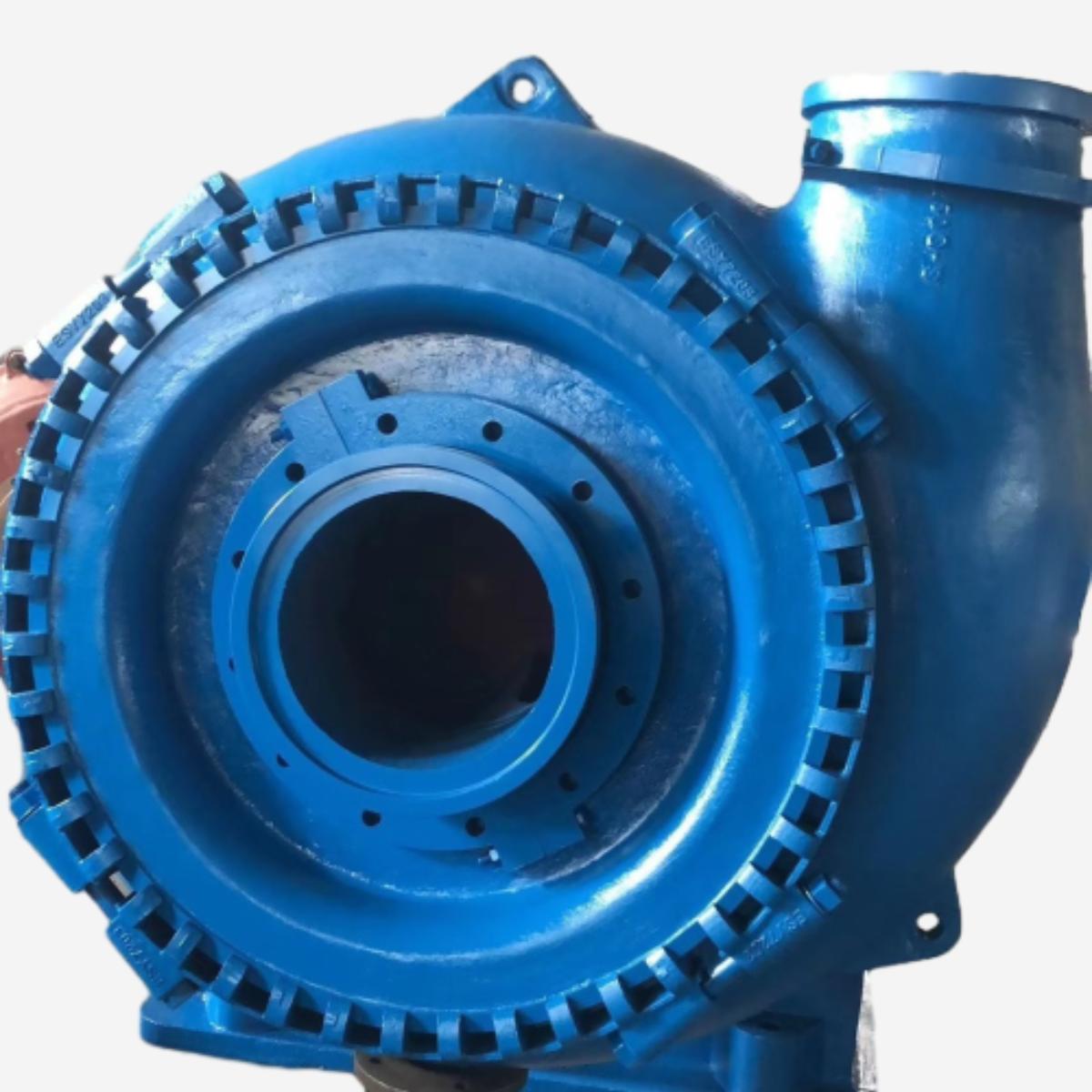
Rubber slurry pump parts are critical components in industrial fluid handling, specifically designed for the transport of abrasive and corrosive slurries. These components, typically including impellers, liners, volute casings, and seals, utilize specialized rubber compounds to withstand the demanding conditions prevalent in mining, wastewater treatment, chemical processing, and dredging applications. Their primary function is to efficiently move solid-laden fluids while minimizing wear, corrosion, and downtime. The selection of appropriate rubber materials and pump part designs directly impacts the operational efficiency, maintenance costs, and overall lifespan of slurry pumping systems. This guide details the material science, manufacturing processes, performance characteristics, failure modes, and maintenance protocols associated with rubber slurry pump parts, adhering to relevant international standards. The industry faces consistent challenges regarding abrasion resistance, chemical compatibility, and the balance between hardness and elasticity in rubber formulations.
Material Science & Manufacturing
The core material for rubber slurry pump parts is typically a natural or synthetic rubber compound, often reinforced with fillers and additives. Common rubber types include natural rubber (NR), styrene-butadiene rubber (SBR), chloroprene rubber (CR, Neoprene), ethylene propylene diene monomer (EPDM), and polyurethane (PU). Natural rubber provides high resilience and tear strength but limited resistance to oils and chemicals. SBR offers a balance of properties at a lower cost. CR exhibits excellent resistance to weathering, ozone, and moderate chemicals. EPDM demonstrates superior resistance to heat, ozone, and weathering, making it suitable for demanding outdoor applications. Polyurethane provides exceptional abrasion resistance and load-bearing capacity. Fillers, such as silica, alumina, and carbon black, are incorporated to enhance mechanical properties like hardness, tensile strength, and abrasion resistance. The manufacturing process commonly employs compression molding, transfer molding, and rotational molding. Compression molding is used for simpler shapes with larger tolerances. Transfer molding offers better control over part geometry and material distribution. Rotational molding is ideal for creating hollow, complex shapes like volute casings. Critical parameters during manufacturing include compound mixing ratios, molding temperature, pressure, and curing time. Improper curing can lead to incomplete vulcanization, resulting in reduced mechanical properties and premature failure. Rubber to metal bonding is a critical aspect in many components, achieved through adhesive bonding or mechanical interlocking, requiring surface preparation and controlled bonding temperatures.
Performance & Engineering
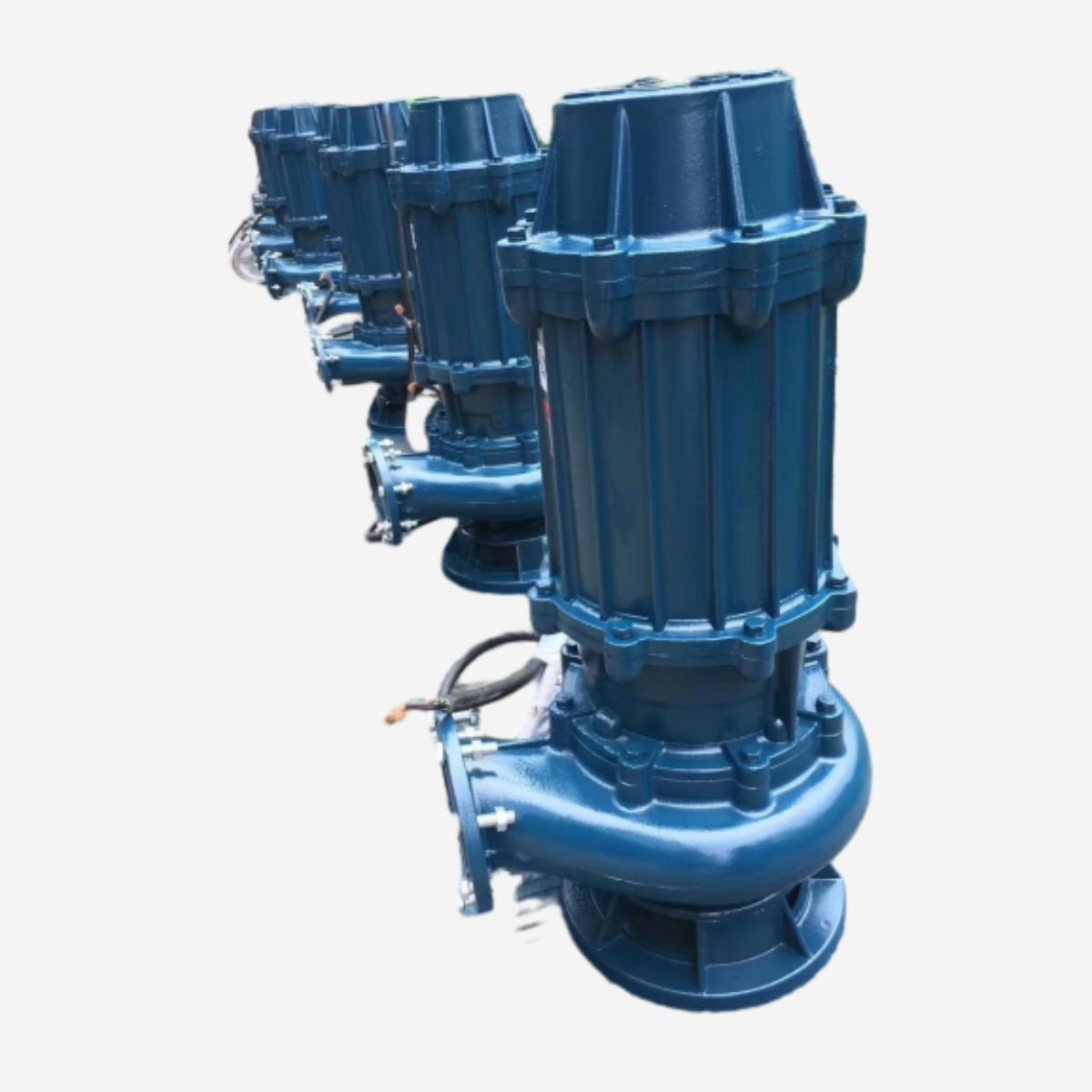
The performance of rubber slurry pump parts is intrinsically linked to their ability to withstand hydrodynamic forces, abrasive wear, and chemical attack. Impeller design is crucial for efficient slurry transport, with considerations given to blade angle, width, and number. Liners protect the pump casing from abrasion and corrosion, extending its lifespan. Volute casings efficiently convert kinetic energy into pressure energy. Force analysis involves calculating the impact forces exerted by solid particles within the slurry, determining the shear stresses on the rubber surfaces, and evaluating the fatigue life of the components. Environmental resistance is paramount; exposure to extreme temperatures, UV radiation, and corrosive chemicals can degrade the rubber, leading to reduced performance. Compliance requirements vary by industry and region. For example, wastewater treatment applications may demand components compliant with NSF/ANSI 61 standards for drinking water system components. Mining applications may require compliance with safety standards related to explosion-proof designs (ATEX, IECEx). Functional implementation necessitates careful consideration of the slurry’s characteristics – particle size distribution, solids concentration, flow rate, and chemical composition – to select the optimal rubber compound and pump part geometry. Abrasive wear is often modeled using Archard's wear equation, which correlates wear rate to load, sliding distance, and material properties. Corrosion resistance is assessed through immersion testing and electrochemical studies.
Technical Specifications
| Rubber Compound Type | Hardness (Shore A) | Tensile Strength (MPa) | Elongation at Break (%) |
|---|---|---|---|
| Natural Rubber (NR) | 60-70 | 15-25 | 500-800 |
| Styrene-Butadiene Rubber (SBR) | 50-65 | 12-20 | 400-700 |
| Chloroprene Rubber (CR) | 60-80 | 18-28 | 300-600 |
| Ethylene Propylene Diene Monomer (EPDM) | 50-70 | 10-20 | 600-900 |
| Polyurethane (PU) | 70-95 | 30-50 | 100-300 |
| Abrasion Resistance (Taber Abrasion Index) | 50-150 (depending on filler content) | N/A | N/A |
Failure Mode & Maintenance
Rubber slurry pump parts are susceptible to several failure modes, including abrasive wear, erosion, chemical degradation, and fatigue cracking. Abrasive wear occurs due to the impact of solid particles, leading to material loss and dimensional changes. Erosion results from the combined effect of abrasion and fluid flow. Chemical degradation arises from the interaction of the rubber with corrosive substances, causing swelling, cracking, or loss of elasticity. Fatigue cracking develops under cyclic loading, initiating from stress concentrations and propagating through the material. Oxidation can also contribute to rubber degradation, particularly at elevated temperatures. Failure analysis techniques include visual inspection, microscopy (SEM, optical), and chemical analysis (FTIR, DSC). Preventative maintenance is crucial for maximizing component lifespan. Regular inspections should be conducted to identify signs of wear, cracking, or swelling. Proper lubrication of pump bearings reduces stress on rubber components. Maintaining appropriate slurry flow rates and solids concentrations minimizes abrasive wear. Replacing worn parts proactively prevents catastrophic failures and downtime. Storage of spare parts in a cool, dry environment, away from direct sunlight and oxidizing agents, is essential for preserving their properties. Periodically rotating pump components (e.g., impellers) can distribute wear more evenly, extending their service life. Implementing a robust pump monitoring system that tracks vibration levels and motor current can provide early warning signs of potential problems.
Industry FAQ
Q: What are the key factors influencing the selection of a rubber compound for a highly abrasive slurry?
A: The key factors include the particle size distribution, shape, and hardness of the abrasive solids, the slurry’s velocity, and the chemical composition of the slurry. Higher abrasion resistance is generally achieved with harder rubber compounds containing high filler content, such as polyurethane or natural rubber reinforced with alumina. However, excessive hardness can reduce impact resistance. Balancing these properties is crucial.
Q: How does temperature affect the performance and lifespan of rubber slurry pump parts?
A: Elevated temperatures accelerate chemical degradation and reduce the mechanical properties of rubber, such as tensile strength and elongation. High temperatures can also cause swelling in certain rubber compounds, leading to dimensional changes and reduced sealing effectiveness. Selecting a rubber compound with high thermal stability and implementing cooling mechanisms can mitigate these effects.
Q: What is the role of rubber liners in extending the life of a slurry pump casing?
A: Rubber liners provide a sacrificial layer that protects the pump casing from abrasive wear and corrosion. They absorb the impact energy of the slurry, reducing the stress on the metal casing. Regular inspection and replacement of the liners prevent costly damage to the pump housing.
Q: How can chemical compatibility be verified before selecting a rubber compound for a specific slurry?
A: Chemical compatibility should be verified through immersion testing, where rubber samples are exposed to the slurry for a defined period at a specified temperature. The samples are then analyzed for changes in weight, hardness, tensile strength, and elongation. Consulting chemical resistance charts and conducting laboratory tests are essential.
Q: What preventative maintenance practices are most effective for rubber slurry pump parts?
A: Regular visual inspections for wear and damage, maintaining proper slurry flow rates, ensuring adequate lubrication of pump bearings, and proactively replacing worn parts are the most effective preventative maintenance practices. Implementing a pump monitoring system to track vibration and motor current can also provide early warning signs of potential problems.
Conclusion
Rubber slurry pump parts are essential for reliable and efficient fluid handling in numerous industrial applications. The selection of the appropriate rubber compound and pump part design is critical, demanding a thorough understanding of material science, manufacturing processes, and operational conditions. Minimizing abrasive wear, mitigating chemical degradation, and implementing a robust preventative maintenance program are paramount for maximizing component lifespan and reducing overall operational costs.
Future advancements in rubber technology, such as the development of novel nanocomposites and self-healing rubber materials, hold the potential to further enhance the performance and durability of slurry pump components. Continued research into predictive maintenance techniques, utilizing sensor data and machine learning algorithms, will enable more proactive and efficient maintenance strategies, minimizing downtime and maximizing the return on investment in slurry pumping systems.
-
Comprehensive Guide to Waterproof ORings for Optimal Sealing Solutions
News2026-06-09
-
submergable pump Material Science
News2026-06-23
-
sewer injection pump Performance Engineering
News2026-06-23
-
Sewer Ejector Pump System Performance Analysis
News2026-06-23
-
septic tank pump for sale Performance Engineering
News2026-06-23
-
septic pump for sale Performance Engineering
News2026-06-23
-
septic ejector system Performance Analysis
News2026-06-22
-
replace septic pump Performance Analysis
News2026-06-22
-
pump system septic tank Performance Analysis
News2026-06-22
-
lift pump for sewer Performance and Engineering
News2026-06-22
-
industrial submersible water pump Material Science
News2026-06-22
-
industrial submersible pumps Material Science and Manufacturing
News2026-06-21
-
best sewer ejector pump Performance Analysis
News2026-06-21
-
best septic pump Performance Analysis
News2026-06-21
-
1 2 hp septic pump Performance Engineering
News2026-06-21




