English
- Afrikaans
- Albanian
- Amharic
- Arabic
- Armenian
- Azerbaijani
- Basque
- Belarusian
- Bengali
- Bosnian
- Bulgarian
- Catalan
- Cebuano
- Corsican
- Croatian
- Czech
- Danish
- Dutch
- English
- Esperanto
- Estonian
- Finnish
- French
- Frisian
- Galician
- Georgian
- German
- Greek
- Gujarati
- Haitian Creole
- hausa
- hawaiian
- Hebrew
- Hindi
- Miao
- Hungarian
- Icelandic
- igbo
- Indonesian
- irish
- Italian
- Japanese
- Javanese
- Kannada
- kazakh
- Khmer
- Rwandese
- Korean
- Kurdish
- Kyrgyz
- Lao
- Latin
- Latvian
- Lithuanian
- Luxembourgish
- Macedonian
- Malgashi
- Malay
- Malayalam
- Maltese
- Maori
- Marathi
- Mongolian
- Myanmar
- Nepali
- Norwegian
- Norwegian
- Occitan
- Pashto
- Persian
- Polish
- Portuguese
- Punjabi
- Romanian
- Russian
- Samoan
- Scottish Gaelic
- Serbian
- Sesotho
- Shona
- Sindhi
- Sinhala
- Slovak
- Slovenian
- Somali
- Spanish
- Sundanese
- Swahili
- Swedish
- Tagalog
- Tajik
- Tamil
- Tatar
- Telugu
- Thai
- Turkish
- Turkmen
- Ukrainian
- Urdu
- Uighur
- Uzbek
- Vietnamese
- Welsh
- Bantu
- Yiddish
- Yoruba
- Zulu

Telephone: +86 13120555503
Email: frank@cypump.com


Apr . 01, 2024 17:55 Back to list
rubber slurry pump parts factories Performance Analysis
Introduction
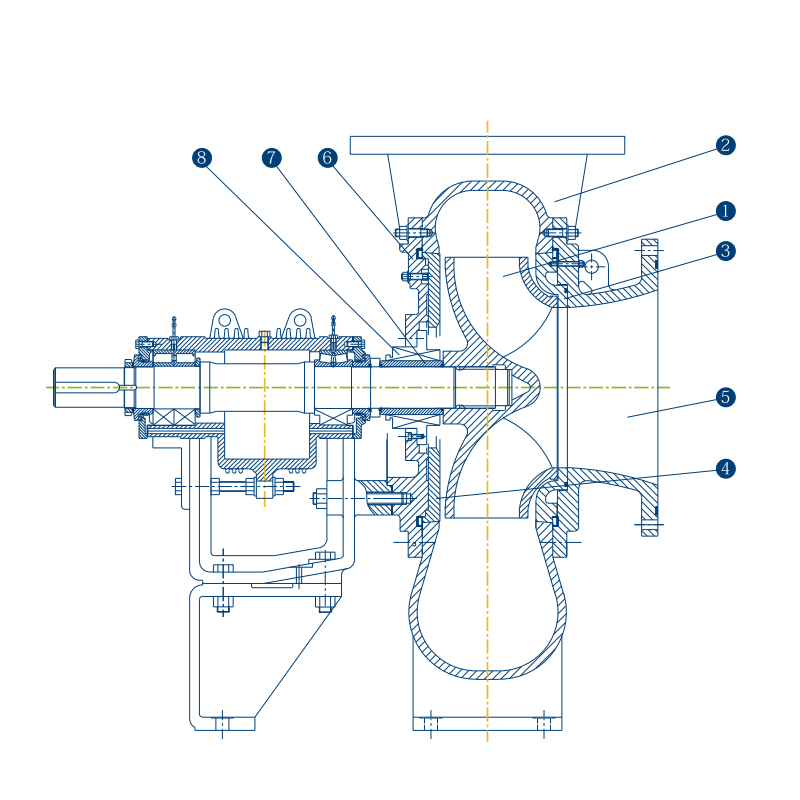
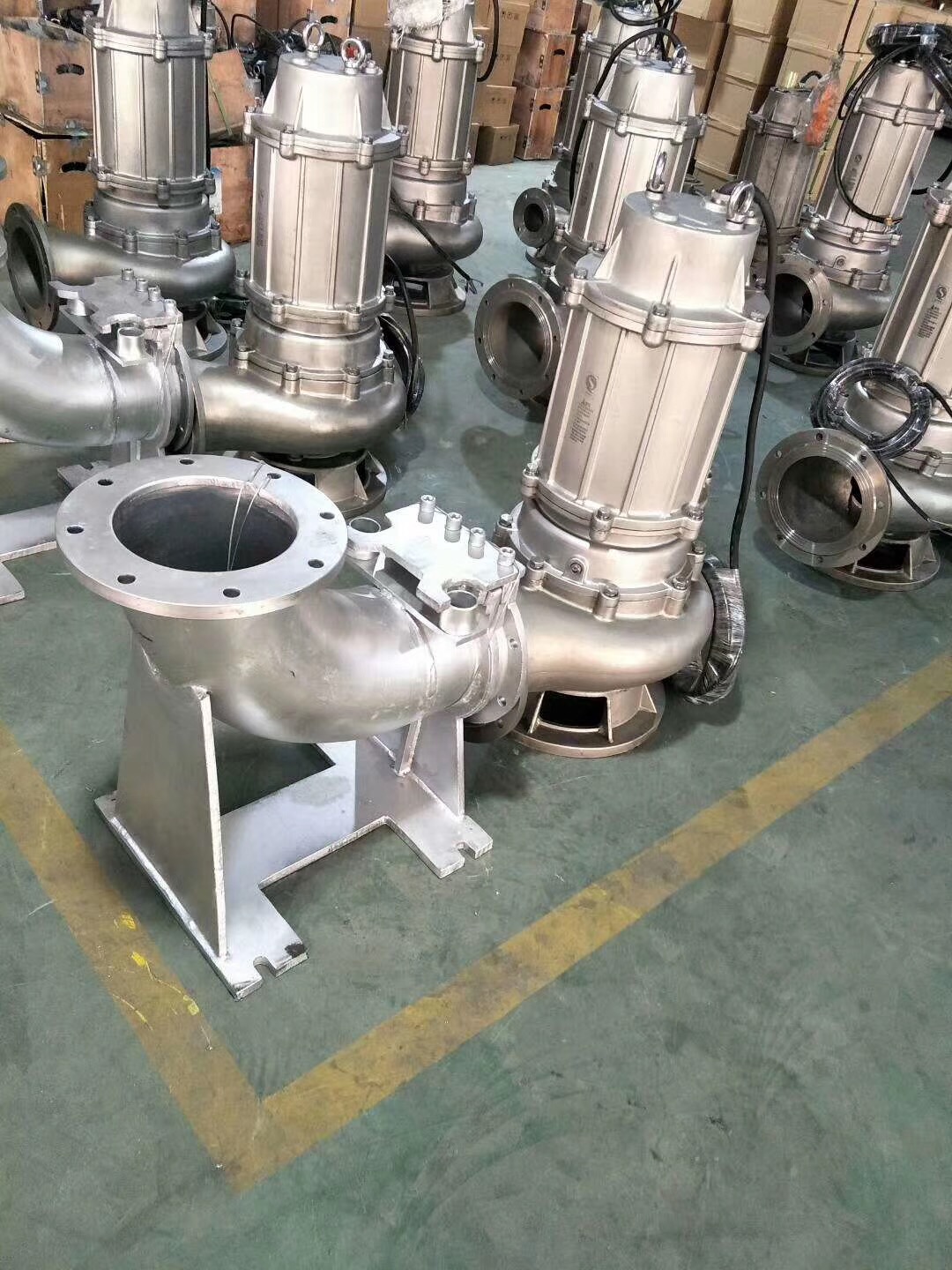
Rubber slurry pump parts represent a critical component within the broader solids handling industry, specifically serving applications involving the abrasive and erosive transport of liquids containing particulate matter. These pumps find extensive use in mining, wastewater treatment, chemical processing, and power generation. The rubber components – liners, impellers, volute casings, and diaphragms – are engineered to mitigate wear and corrosion resulting from the slurry’s composition and velocity. Their performance directly impacts operational efficiency, maintenance costs, and overall system reliability. This guide provides an in-depth technical analysis of rubber slurry pump parts, covering material science, manufacturing processes, performance characteristics, failure modes, and relevant industry standards. A primary industry pain point lies in accurately predicting component lifespan given the variability of slurry characteristics, leading to unplanned downtime and escalating maintenance expenditures. Therefore, understanding the interplay between material properties, operating conditions, and pump design is paramount.
Material Science & Manufacturing
The predominant raw material for rubber slurry pump parts is natural rubber (polyisoprene) and various synthetic rubbers including styrene-butadiene rubber (SBR), chloroprene rubber (CR, commonly known as neoprene), and ethylene propylene diene monomer (EPDM). Natural rubber exhibits excellent abrasion resistance and tear strength but limited resistance to oils and chemicals. SBR offers a balance of properties and cost-effectiveness. CR provides superior resistance to oils, ozone, and weathering. EPDM excels in high-temperature applications and boasts exceptional resistance to water, steam, and alkali chemicals. Compounding involves the addition of fillers (e.g., silica, carbon black), plasticizers, accelerators, and antioxidants to tailor the rubber’s physical and chemical properties. Manufacturing typically involves several stages: mixing of raw rubber and additives, molding (compression, transfer, or injection), vulcanization (curing) to crosslink the polymer chains and achieve desired elasticity and strength, and finishing (deburring, trimming, and surface treatment). Critical process parameters include mixing temperature and time, mold pressure and temperature, and vulcanization time and temperature. Improper control of these parameters can lead to defects such as porosity, incomplete vulcanization, or dimensional inaccuracies. The hardness of the rubber, measured using the Shore durometer scale, is a key performance indicator, influencing abrasion resistance and resilience. The specific gravity of the rubber compound affects the pump’s overall weight and efficiency. Careful selection of fillers and plasticizers impacts the rubber’s resistance to swelling in various chemical environments.
Performance & Engineering
The performance of rubber slurry pump parts is dictated by several engineering considerations. Impact resistance is crucial, particularly for impellers handling large particles. Finite Element Analysis (FEA) is frequently employed to optimize impeller geometry and minimize stress concentrations. Cavitation erosion, caused by the formation and collapse of vapor bubbles, is a significant concern. Proper pump design and operating conditions can mitigate cavitation. Abrasion resistance is a function of the rubber compound’s hardness and the slurry’s particle characteristics (size, shape, and hardness). The pump’s hydraulic efficiency is affected by the smoothness and accuracy of the rubber lining, minimizing frictional losses. Environmental resistance necessitates consideration of chemical compatibility. Prolonged exposure to aggressive chemicals can cause swelling, degradation, or cracking. Pump operating parameters, including flow rate, head pressure, and slurry concentration, influence the shear stress exerted on the rubber components. Understanding these forces is essential for predicting component lifespan. Compliance with industry standards, such as ISO 2858 for pump testing, ensures consistent performance and reliability. The selection of rubber compound must align with the specific slurry composition and operating conditions. For example, a highly abrasive slurry necessitates a harder rubber compound, while a chemically aggressive slurry requires a chemically resistant compound.
Technical Specifications
| Rubber Compound | Hardness (Shore A) | Tensile Strength (MPa) | Elongation at Break (%) |
|---|---|---|---|
| Natural Rubber | 60-70 | 15-25 | 400-600 |
| SBR | 55-65 | 12-20 | 300-500 |
| Chloroprene Rubber (CR) | 65-75 | 18-28 | 200-400 |
| EPDM | 60-70 | 14-24 | 350-550 |
| Polyurethane (PU) – for highly abrasive slurries | 80-95 | 25-40 | 150-300 |
| Hypalon (CSM) – for chemical resistance | 65-75 | 20-30 | 250-450 |
Failure Mode & Maintenance
Common failure modes in rubber slurry pump parts include abrasion, erosion, chemical degradation, fatigue cracking, and impact damage. Abrasion occurs due to the mechanical wearing away of the rubber surface by abrasive particles in the slurry. Erosion is caused by the impact of high-velocity particles. Chemical degradation results from the interaction of the rubber with aggressive chemicals, leading to swelling, cracking, or loss of elasticity. Fatigue cracking develops under cyclic loading, particularly in impeller vanes and pump casings. Impact damage occurs due to the sudden impact of large particles or foreign objects. Maintenance strategies involve regular visual inspections for signs of wear, periodic replacement of worn components, and proper cleaning to prevent buildup of abrasive materials. Preventative maintenance schedules should be based on operating conditions and slurry characteristics. Lubrication of pump bearings and seals is essential for preventing premature failure. Detailed failure analysis, including microscopic examination of fractured surfaces, can help identify the root cause of failure and inform material selection and pump design improvements. Non-destructive testing methods, such as ultrasonic testing, can detect subsurface cracks or voids before they lead to catastrophic failure. Proper storage of spare parts is critical to prevent degradation due to environmental factors.
Industry FAQ
Q: What is the impact of slurry particle size on rubber liner wear?
A: Generally, smaller particle sizes lead to higher wear rates due to their increased surface area and ability to penetrate the rubber matrix. Larger particles cause more localized impact damage. The shape of the particles (angular versus rounded) also significantly influences wear. Angular particles are more abrasive than rounded particles.
Q: How does temperature affect the performance of rubber pump parts?
A: Elevated temperatures can accelerate rubber degradation, reduce its elasticity, and increase its susceptibility to chemical attack. Lower temperatures can cause the rubber to become brittle and more prone to cracking. The operating temperature range of the rubber compound must be carefully considered.
Q: What is the best rubber compound for handling highly abrasive silica slurries?
A: Polyurethane (PU) is often the preferred choice for highly abrasive silica slurries due to its exceptional abrasion resistance. However, PU can be susceptible to hydrolysis in certain environments. A high hardness natural rubber compound with a high silica filler loading can also offer good performance.
Q: How can cavitation erosion be minimized in rubber slurry pumps?
A: Minimizing cavitation involves optimizing pump design to reduce flow velocities and pressure drops, ensuring adequate suction head, and avoiding operation at off-design conditions. Proper impeller trimming and maintenance of pump seals are also crucial.
Q: What are the key considerations when specifying rubber pump parts for a corrosive chemical slurry?
A: The chemical compatibility of the rubber compound with the slurry is paramount. Chloroprene rubber (CR) and EPDM are often suitable choices for a wide range of chemicals. Chemical resistance charts should be consulted to ensure proper material selection. Swelling tests should be conducted to verify compatibility.
Conclusion
Rubber slurry pump parts are engineered solutions demanding a comprehensive understanding of material science, manufacturing precision, and operational dynamics. Selecting the appropriate rubber compound based on slurry characteristics, operating conditions, and chemical compatibility is fundamental to maximizing component lifespan and minimizing maintenance costs. The integration of advanced engineering analysis techniques, such as FEA, coupled with robust preventative maintenance programs, are crucial for ensuring the reliable and efficient operation of slurry pumping systems.
Future advancements will likely focus on the development of novel rubber compounds with enhanced abrasion and chemical resistance, as well as the implementation of sensor technologies for real-time monitoring of component wear and performance. Furthermore, predictive maintenance strategies leveraging machine learning algorithms will become increasingly prevalent, enabling proactive component replacement and minimizing unplanned downtime. Continual innovation in materials and monitoring techniques is essential to address the evolving challenges of solids handling applications.
-
Comprehensive Guide to Waterproof ORings for Optimal Sealing Solutions
News2026-06-09
-
submergable pump Material Science
News2026-06-23
-
sewer injection pump Performance Engineering
News2026-06-23
-
Sewer Ejector Pump System Performance Analysis
News2026-06-23
-
septic tank pump for sale Performance Engineering
News2026-06-23
-
septic pump for sale Performance Engineering
News2026-06-23
-
septic ejector system Performance Analysis
News2026-06-22
-
replace septic pump Performance Analysis
News2026-06-22
-
pump system septic tank Performance Analysis
News2026-06-22
-
lift pump for sewer Performance and Engineering
News2026-06-22
-
industrial submersible water pump Material Science
News2026-06-22
-
industrial submersible pumps Material Science and Manufacturing
News2026-06-21
-
best sewer ejector pump Performance Analysis
News2026-06-21
-
best septic pump Performance Analysis
News2026-06-21
-
1 2 hp septic pump Performance Engineering
News2026-06-21




