English
- Afrikaans
- Albanian
- Amharic
- Arabic
- Armenian
- Azerbaijani
- Basque
- Belarusian
- Bengali
- Bosnian
- Bulgarian
- Catalan
- Cebuano
- Corsican
- Croatian
- Czech
- Danish
- Dutch
- English
- Esperanto
- Estonian
- Finnish
- French
- Frisian
- Galician
- Georgian
- German
- Greek
- Gujarati
- Haitian Creole
- hausa
- hawaiian
- Hebrew
- Hindi
- Miao
- Hungarian
- Icelandic
- igbo
- Indonesian
- irish
- Italian
- Japanese
- Javanese
- Kannada
- kazakh
- Khmer
- Rwandese
- Korean
- Kurdish
- Kyrgyz
- Lao
- Latin
- Latvian
- Lithuanian
- Luxembourgish
- Macedonian
- Malgashi
- Malay
- Malayalam
- Maltese
- Maori
- Marathi
- Mongolian
- Myanmar
- Nepali
- Norwegian
- Norwegian
- Occitan
- Pashto
- Persian
- Polish
- Portuguese
- Punjabi
- Romanian
- Russian
- Samoan
- Scottish Gaelic
- Serbian
- Sesotho
- Shona
- Sindhi
- Sinhala
- Slovak
- Slovenian
- Somali
- Spanish
- Sundanese
- Swahili
- Swedish
- Tagalog
- Tajik
- Tamil
- Tatar
- Telugu
- Thai
- Turkish
- Turkmen
- Ukrainian
- Urdu
- Uighur
- Uzbek
- Vietnamese
- Welsh
- Bantu
- Yiddish
- Yoruba
- Zulu

Telephone: +86 13120555503
Email: frank@cypump.com


Apr . 01, 2024 17:55 Back to list
rubber lined slurry pump Performance Analysis
Introduction
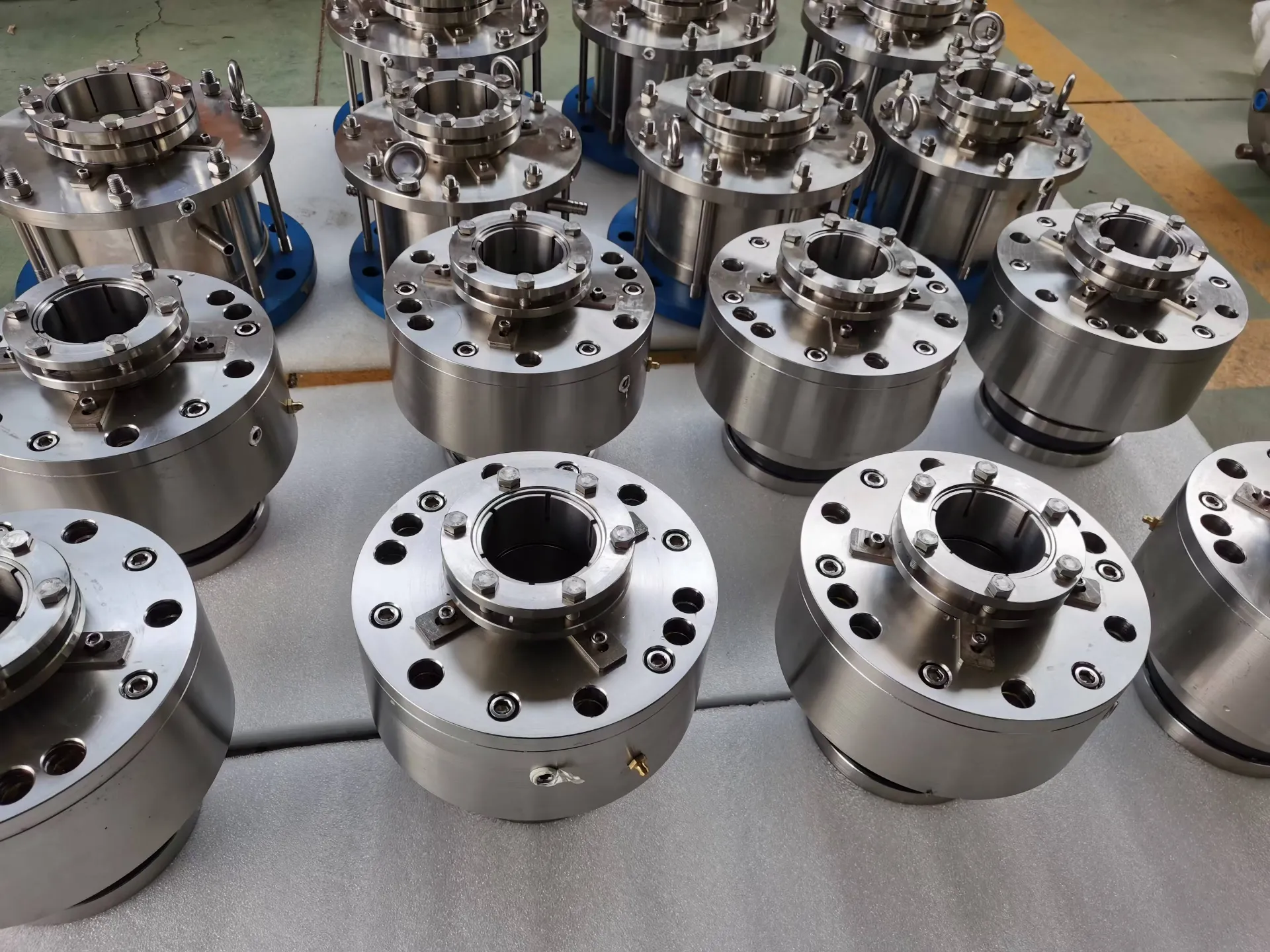
Rubber lined slurry pumps are centrifugal pumps specifically designed for the transportation of abrasive and corrosive slurries. They are critical components in a wide range of industries including mining, chemical processing, wastewater treatment, and power generation. The core function of these pumps is to efficiently move fluids containing solid particles without experiencing excessive wear or degradation. The rubber lining provides a protective barrier between the pumped slurry and the pump casing, impeller, and volute, significantly extending the pump's operational life. This technology addresses a significant industry pain point: premature pump failure due to abrasion and corrosion, resulting in costly downtime and maintenance. Performance is characterized by flow rate (typically measured in GPM or m³/hr), head (expressed in feet or meters), and the ability to handle varying slurry compositions and concentrations. The selection of the appropriate rubber compound and pump design is crucial for optimal performance and longevity. This guide provides an in-depth technical overview of rubber lined slurry pumps, covering material science, manufacturing processes, performance parameters, failure modes, and industry standards.
Material Science & Manufacturing
The performance and lifespan of a rubber lined slurry pump are heavily influenced by the materials used in its construction. The pump casing is typically made from cast iron or steel, providing structural integrity. However, the internal surfaces that come into contact with the slurry are lined with a specialized rubber compound. Common rubber materials include natural rubber, synthetic rubbers like chloroprene (Neoprene), ethylene propylene diene monomer (EPDM), and nitrile rubber (NBR). Natural rubber offers excellent abrasion resistance but limited chemical resistance. Chloroprene provides a good balance of abrasion and chemical resistance and is frequently used in applications handling acids and alkalis. EPDM exhibits superior resistance to high temperatures and ozone, making it suitable for demanding environments. NBR is preferred when handling oil-based slurries. The rubber lining is applied using a vulcanization process, where the rubber is heated under pressure, creating a strong chemical bond with the metal substrate. This process is crucial for ensuring the lining's adhesion and preventing delamination. Manufacturing processes involve several key parameter controls: rubber compound formulation (particle size, filler content, curing agents), surface preparation of the metal casing (grit blasting to achieve a specific surface profile), rubber thickness and uniformity, and precise control of temperature and pressure during vulcanization. Improper vulcanization can lead to under-cured rubber (low abrasion resistance) or over-cured rubber (brittle and prone to cracking). Furthermore, the quality of the metal substrate and the adhesion strength between the rubber and metal are critical to prevent corrosion under the lining (CUI), a common failure mechanism.
Performance & Engineering
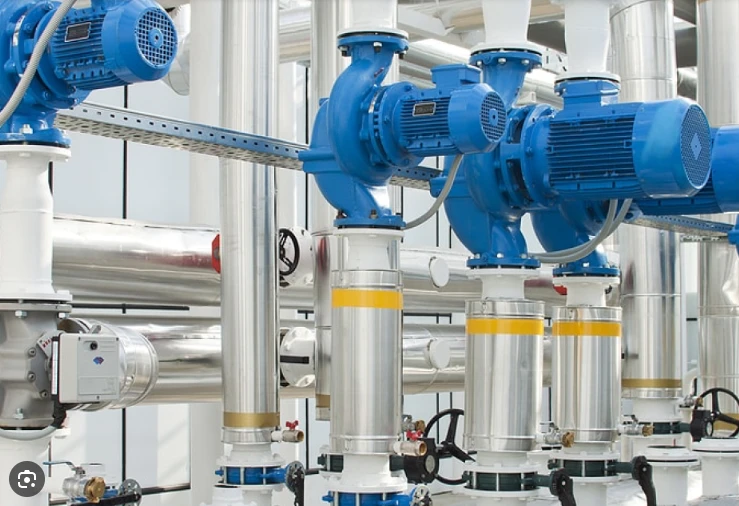
The performance of rubber lined slurry pumps is governed by fundamental hydraulic principles and material characteristics. Force analysis involves evaluating the stresses imposed on the pump components due to slurry flow, pressure differentials, and impeller forces. Impeller design is paramount, with considerations for blade angle, width, and number to optimize flow rate and head. Cavitation, a phenomenon where vapor bubbles form and collapse in the pump, is a major concern, particularly with abrasive slurries. Maintaining sufficient Net Positive Suction Head Available (NPSHA) is critical to prevent cavitation damage. Environmental resistance is another key aspect. The rubber lining must withstand the corrosive effects of the slurry, as well as temperature fluctuations and UV exposure. Compliance requirements vary by industry and region. For example, mining operations often require pumps to meet stringent safety standards related to explosion-proof design (ATEX certification) and environmental protection. Functional implementation details involve selecting the appropriate pump size and type (horizontal, vertical, submersible) based on the application’s specific requirements. Pump performance curves, which plot head versus flow rate for different impeller diameters, are used to optimize pump selection and operation. The selection of materials also dictates the pump’s operating temperature range and chemical compatibility. Proper pump alignment and foundation stability are crucial to minimize vibration and wear, maximizing pump life and efficiency. Furthermore, the pump's rotational speed and motor power must be carefully matched to the slurry characteristics and system head losses.
Technical Specifications
| Parameter | Unit | Typical Range (Small Pump) | Typical Range (Large Pump) |
|---|---|---|---|
| Flow Rate | GPM (US) | 50 - 200 | 500 - 2000 |
| Head | ft | 20 - 80 | 100 - 300 |
| Maximum Solid Size | in | 0.5 - 1 | 2 - 4 |
| Slurry Concentration (Weight %) | % | 10 - 30 | 30 - 60 |
| Rubber Lining Thickness | mm | 6 - 12 | 12 - 25 |
| Operating Temperature | °F | 20 - 150 | 20 - 250 (depending on rubber type) |
Failure Mode & Maintenance
Rubber lined slurry pumps are subject to various failure modes in practical applications. Fatigue cracking of the rubber lining is a common issue, particularly under cyclical loading and high stress concentrations. Delamination, the separation of the rubber lining from the metal substrate, can occur due to poor adhesion, corrosion under the lining (CUI), or excessive mechanical stress. Degradation of the rubber compound due to chemical attack, UV exposure, or high temperatures leads to loss of elasticity and abrasion resistance. Oxidation can also cause hardening and cracking of the rubber. Impeller wear, caused by abrasive particles, is another frequent failure point. Maintenance solutions include regular inspection of the rubber lining for cracks, blisters, and delamination. Implementing a corrosion monitoring program to detect CUI is essential. Periodic replacement of the rubber lining is necessary based on wear rates and operating conditions. Proper lubrication of bearings and seals is crucial to prevent premature failure. Balancing the impeller after wear can reduce vibration and extend pump life. Conducting regular vibration analysis can identify potential problems before they lead to catastrophic failures. Furthermore, implementing proper slurry management practices, such as screening out oversized particles and controlling slurry velocity, can significantly reduce pump wear. Finally, maintaining accurate records of pump performance and maintenance activities is vital for proactive maintenance planning.
Industry FAQ
Q: What is the primary cause of rubber lining failure in highly acidic slurries?
A: The primary cause is chemical degradation of the rubber compound. Highly acidic slurries can break down the polymer chains in the rubber, leading to swelling, softening, and ultimately, failure. Selecting a rubber compound with high acid resistance, such as chloroprene or a specifically formulated fluorocarbon rubber, is critical in these applications.
Q: How do I determine the appropriate rubber lining thickness for a specific application?
A: Rubber lining thickness depends on the slurry's abrasiveness, particle size distribution, and flow velocity. Higher abrasion and larger particle sizes require thicker linings. Consulting with pump manufacturers and conducting wear rate analysis based on similar applications are recommended to determine the optimal thickness.
Q: What preventative measures can be taken to mitigate corrosion under the lining (CUI)?
A: CUI is best mitigated through proper surface preparation before lining application (achieving a specific surface profile and removing all contaminants), ensuring a complete and void-free rubber lining, and using corrosion inhibitors in the slurry where feasible. Regular inspections and monitoring of lining adhesion are also crucial.
Q: How does impeller material affect the overall pump life when handling abrasive slurries?
A: Impeller material significantly impacts pump life. High-chrome cast iron is a common choice due to its excellent abrasion resistance. However, for extremely abrasive slurries, ceramic or tungsten carbide impellers may be necessary, despite their higher cost. The impeller material should be selected based on the slurry's characteristics and desired pump lifespan.
Q: What are the key considerations when selecting a rubber lined slurry pump for a high-temperature application?
A: The rubber compound's maximum operating temperature is the primary consideration. EPDM rubber offers good high-temperature resistance, but other specialized compounds may be required for extremely high temperatures. Furthermore, the pump's seals and bearings must also be rated for the operating temperature to prevent premature failure.
Conclusion
Rubber lined slurry pumps represent a robust and reliable solution for handling abrasive and corrosive fluids across diverse industrial applications. Their performance is intimately linked to material selection, meticulous manufacturing processes, and consistent maintenance. The rubber lining serves as a critical barrier, protecting pump components from wear and corrosion, thereby extending operational life and reducing downtime. Selecting the appropriate rubber compound, ensuring proper vulcanization, and implementing a comprehensive maintenance program are paramount for optimizing pump performance and minimizing failure rates.
Future advancements in rubber technology and pump design will likely focus on developing more durable and chemically resistant rubber compounds, improving lining adhesion techniques, and incorporating smart sensors for real-time performance monitoring and predictive maintenance. These innovations will further enhance the reliability and efficiency of rubber lined slurry pumps, solidifying their position as essential equipment in demanding industrial environments.
-
Comprehensive Guide to Waterproof ORings for Optimal Sealing Solutions
News2026-06-09
-
submergable pump Material Science
News2026-06-23
-
sewer injection pump Performance Engineering
News2026-06-23
-
Sewer Ejector Pump System Performance Analysis
News2026-06-23
-
septic tank pump for sale Performance Engineering
News2026-06-23
-
septic pump for sale Performance Engineering
News2026-06-23
-
septic ejector system Performance Analysis
News2026-06-22
-
replace septic pump Performance Analysis
News2026-06-22
-
pump system septic tank Performance Analysis
News2026-06-22
-
lift pump for sewer Performance and Engineering
News2026-06-22
-
industrial submersible water pump Material Science
News2026-06-22
-
industrial submersible pumps Material Science and Manufacturing
News2026-06-21
-
best sewer ejector pump Performance Analysis
News2026-06-21
-
best septic pump Performance Analysis
News2026-06-21
-
1 2 hp septic pump Performance Engineering
News2026-06-21




