English
- Afrikaans
- Albanian
- Amharic
- Arabic
- Armenian
- Azerbaijani
- Basque
- Belarusian
- Bengali
- Bosnian
- Bulgarian
- Catalan
- Cebuano
- Corsican
- Croatian
- Czech
- Danish
- Dutch
- English
- Esperanto
- Estonian
- Finnish
- French
- Frisian
- Galician
- Georgian
- German
- Greek
- Gujarati
- Haitian Creole
- hausa
- hawaiian
- Hebrew
- Hindi
- Miao
- Hungarian
- Icelandic
- igbo
- Indonesian
- irish
- Italian
- Japanese
- Javanese
- Kannada
- kazakh
- Khmer
- Rwandese
- Korean
- Kurdish
- Kyrgyz
- Lao
- Latin
- Latvian
- Lithuanian
- Luxembourgish
- Macedonian
- Malgashi
- Malay
- Malayalam
- Maltese
- Maori
- Marathi
- Mongolian
- Myanmar
- Nepali
- Norwegian
- Norwegian
- Occitan
- Pashto
- Persian
- Polish
- Portuguese
- Punjabi
- Romanian
- Russian
- Samoan
- Scottish Gaelic
- Serbian
- Sesotho
- Shona
- Sindhi
- Sinhala
- Slovak
- Slovenian
- Somali
- Spanish
- Sundanese
- Swahili
- Swedish
- Tagalog
- Tajik
- Tamil
- Tatar
- Telugu
- Thai
- Turkish
- Turkmen
- Ukrainian
- Urdu
- Uighur
- Uzbek
- Vietnamese
- Welsh
- Bantu
- Yiddish
- Yoruba
- Zulu

Telephone: +86 13120555503
Email: frank@cypump.com


Apr . 01, 2024 17:55 Back to list
r55 slurry pump liner factories Performance Analysis
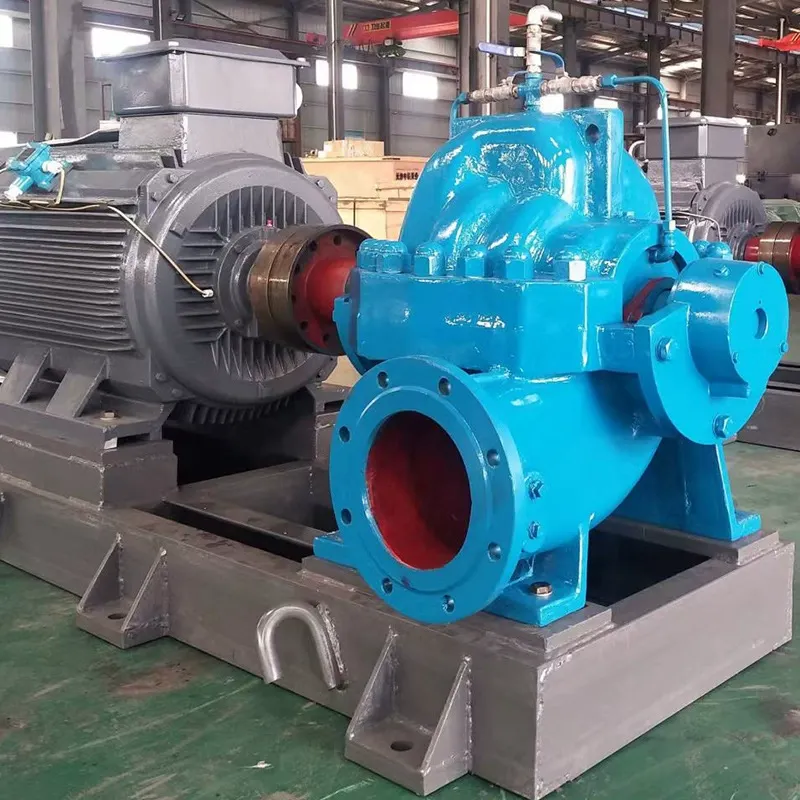
Introduction
R55 slurry pump liners represent a critical component in the handling and transportation of abrasive and corrosive fluids across numerous industries, including mining, mineral processing, wastewater treatment, and chemical processing. These liners function as a sacrificial wear surface, protecting the pump casing from erosion, corrosion, and impact damage caused by the transported slurry. Their performance directly impacts pump efficiency, operational lifespan, and maintenance costs. This guide provides a comprehensive technical overview of R55 slurry pump liners, covering material science, manufacturing processes, performance characteristics, failure modes, maintenance protocols, and relevant industry standards. A key pain point in the industry is balancing liner durability with cost-effectiveness, considering the varying slurry compositions and operating conditions. Selecting the appropriate liner material and thickness is paramount to maximizing pump uptime and minimizing total cost of ownership. R55 designations indicate a specific impeller diameter and pump performance curve, dictating the necessary liner geometry and compatibility. Understanding these parameters is vital for effective specification and implementation.
Material Science & Manufacturing
R55 slurry pump liners are commonly manufactured from a range of materials selected for their abrasion and corrosion resistance. High-chromium cast iron (typically 27-30% Cr) is a prevalent choice due to its exceptional hardness and wear resistance. However, its brittleness limits its application in high-impact scenarios. Alternative materials include rubber liners (natural rubber, synthetic elastomers like EPDM or chloroprene), polyurethane elastomers, and ceramic-lined steel. Rubber and polyurethane offer high impact resistance and damping properties, making them suitable for slurries with large particle sizes and frequent impacts. Ceramic liners provide superior corrosion resistance, particularly against highly acidic or alkaline slurries, but are more expensive and prone to cracking under significant mechanical stress. Manufacturing processes vary depending on the material. Cast iron liners are produced via sand casting, followed by heat treatment to optimize hardness and microstructure. Rubber and polyurethane liners are typically manufactured through molding processes. Ceramic liners involve bonding ceramic tiles to a steel substrate using high-temperature adhesives. Parameter control during manufacturing is crucial. For cast iron, precise control of the carbon-to-chromium ratio is essential to avoid the formation of detrimental carbides. Rubber and polyurethane liners require careful control of curing time and temperature to achieve the desired mechanical properties. A critical aspect is dimensional accuracy; liners must precisely fit the pump casing to prevent slurry leakage and ensure efficient operation. The metallurgical structure of the cast iron liners often involves a martensitic matrix with dispersed carbides, providing high wear resistance. Microstructural analysis is essential for quality control.
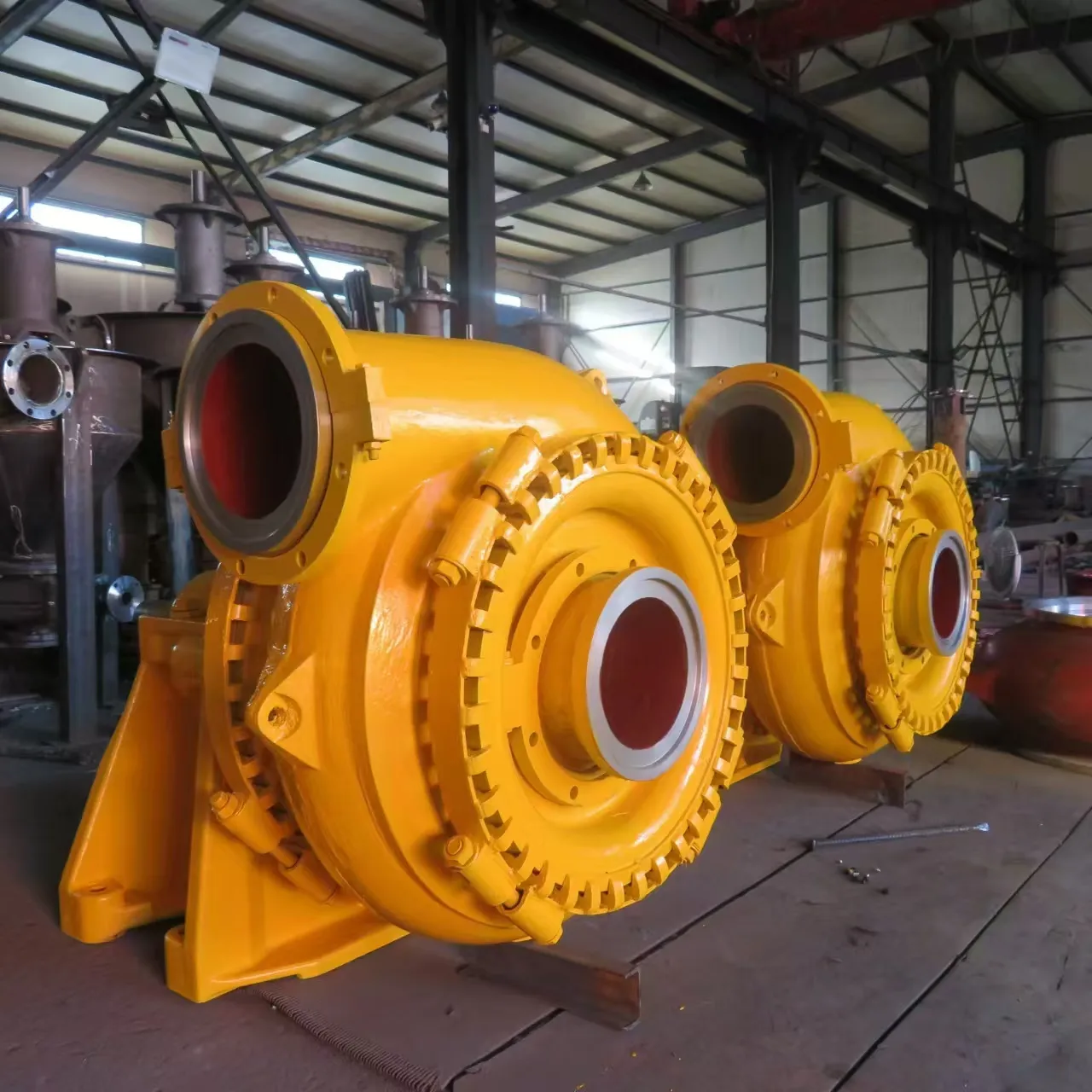
Performance & Engineering
The performance of R55 slurry pump liners is dictated by several factors, including slurry composition (particle size distribution, solids concentration, pH, and chemical constituents), flow velocity, and operating temperature. Force analysis is critical in liner design, particularly in assessing impact forces from solid particles. The liner’s thickness and geometry must be sufficient to withstand these forces without deformation or fracture. Environmental resistance is also crucial. Exposure to corrosive slurries can lead to material degradation, reducing liner lifespan. Material selection must consider the specific chemical environment. Compliance requirements are increasingly stringent, focusing on environmental protection and worker safety. Liners must be free of hazardous materials and designed to prevent slurry leakage. Functional implementation involves proper liner installation and alignment within the pump casing. Misalignment can lead to uneven wear and premature failure. Finite element analysis (FEA) is commonly used to optimize liner geometry and predict stress distribution under various operating conditions. Hydraulic analysis is essential to minimize turbulence and erosion within the pump casing. The hardness of the liner material (measured using Rockwell or Brinell hardness tests) is a key performance indicator. Wear rate, determined through laboratory testing, provides a quantitative measure of liner durability. Coating technologies, such as tungsten carbide overlays, can further enhance wear resistance.
Technical Specifications
| Material | Hardness (BHN) | Tensile Strength (MPa) | Elongation (%) | Operating Temperature (°C) | Maximum Particle Size (mm) |
|---|---|---|---|---|---|
| High-Chromium Cast Iron (27% Cr) | 550-650 | 400-600 | 2-5 | -30 to 200 | 25 |
| Natural Rubber | 40-60 (Shore A) | 15-30 | 300-800 | -60 to 80 | 75 |
| Polyurethane Elastomer | 70-90 (Shore A) | 40-70 | 100-400 | -40 to 100 | 50 |
| Ceramic-Lined Steel | >800 (Vickers) | >500 | <1 | -50 to 300 | 30 |
| Alumina Ceramic | >1500 (Vickers) | 300-400 | <1 | -200 to 1200 | 20 |
| Silicon Carbide Ceramic | >2000 (Vickers) | 400-500 | <1 | -200 to 1500 | 15 |
Failure Mode & Maintenance
Common failure modes for R55 slurry pump liners include erosion, corrosion, fatigue cracking, and impact fracture. Erosion occurs due to the abrasive action of solid particles, gradually wearing away the liner material. Corrosion results from chemical attack by the slurry, leading to material degradation. Fatigue cracking can occur under cyclic loading, particularly in cast iron liners. Impact fracture is caused by sudden, high-energy impacts from large particles. Failure analysis often reveals a combination of these mechanisms. Preventative maintenance is crucial to extending liner lifespan. Regular inspections should be conducted to identify signs of wear or corrosion. Monitoring slurry composition and flow velocity can help predict liner wear rate. Proper pump alignment is essential to prevent uneven wear. Maintenance solutions include liner replacement, repair welding (for cast iron liners), and application of protective coatings. For rubber and polyurethane liners, patching may be a viable option for minor damage. When replacing liners, it is important to ensure proper fit and alignment. The use of appropriate installation tools and techniques is critical. Periodic cleaning of the pump casing and impeller can also help reduce wear. Analyzing wear patterns can provide valuable insights into slurry characteristics and pump operating conditions, enabling optimized liner selection and maintenance strategies.
Industry FAQ
Q: What is the optimal liner material for a highly abrasive slurry containing large particles?
A: For highly abrasive slurries with large particles, a rubber or polyurethane liner is generally recommended due to its superior impact resistance and damping properties. While cast iron offers excellent abrasion resistance, its brittleness makes it susceptible to fracture under high-impact conditions. The specific elastomer formulation should be tailored to the slurry's chemical composition.
Q: How can I minimize corrosion-related liner failure in a highly acidic slurry?
A: Utilizing a ceramic-lined liner, specifically alumina or silicon carbide, is the most effective approach for resisting corrosion in highly acidic slurries. These materials possess exceptional chemical inertness. Alternatively, specialized high-alloy cast irons with enhanced corrosion resistance can be considered, but their performance is typically inferior to ceramics.
Q: What is the typical lifespan of a high-chromium cast iron liner in a moderately abrasive slurry?
A: The lifespan of a high-chromium cast iron liner in a moderately abrasive slurry typically ranges from 6 to 18 months, depending on factors such as slurry composition, flow velocity, and operating temperature. Regular monitoring of liner wear rate is essential for proactive replacement planning.
Q: How important is pump alignment to liner lifespan?
A: Pump alignment is critically important to liner lifespan. Misalignment causes uneven wear distribution across the liner surface, leading to premature failure. Regular alignment checks and corrections are essential preventative maintenance practices.
Q: What are the benefits of using a ceramic liner despite its higher initial cost?
A: The benefits of ceramic liners include significantly extended lifespan in corrosive environments, reduced downtime due to fewer replacements, and improved overall pump efficiency. While the initial cost is higher, the long-term cost of ownership is often lower due to reduced maintenance and replacement expenses.
Conclusion
R55 slurry pump liners are integral to the reliable and efficient operation of pumping systems handling abrasive and corrosive fluids. The selection of the optimal liner material and manufacturing process is paramount, demanding careful consideration of slurry characteristics, operating conditions, and cost-effectiveness. Understanding the failure modes and implementing proactive maintenance strategies are crucial for maximizing liner lifespan and minimizing downtime.
As industries increasingly prioritize sustainability and operational efficiency, the demand for high-performance slurry pump liners will continue to grow. Future advancements in materials science, such as the development of novel composite materials and enhanced coatings, will likely further improve liner durability and corrosion resistance, ultimately reducing the total cost of ownership and enhancing process reliability.
-
Comprehensive Guide to Waterproof ORings for Optimal Sealing Solutions
News2026-06-09
-
submergable pump Material Science
News2026-06-23
-
sewer injection pump Performance Engineering
News2026-06-23
-
Sewer Ejector Pump System Performance Analysis
News2026-06-23
-
septic tank pump for sale Performance Engineering
News2026-06-23
-
septic pump for sale Performance Engineering
News2026-06-23
-
septic ejector system Performance Analysis
News2026-06-22
-
replace septic pump Performance Analysis
News2026-06-22
-
pump system septic tank Performance Analysis
News2026-06-22
-
lift pump for sewer Performance and Engineering
News2026-06-22
-
industrial submersible water pump Material Science
News2026-06-22
-
industrial submersible pumps Material Science and Manufacturing
News2026-06-21
-
best sewer ejector pump Performance Analysis
News2026-06-21
-
best septic pump Performance Analysis
News2026-06-21
-
1 2 hp septic pump Performance Engineering
News2026-06-21




