English
- Afrikaans
- Albanian
- Amharic
- Arabic
- Armenian
- Azerbaijani
- Basque
- Belarusian
- Bengali
- Bosnian
- Bulgarian
- Catalan
- Cebuano
- Corsican
- Croatian
- Czech
- Danish
- Dutch
- English
- Esperanto
- Estonian
- Finnish
- French
- Frisian
- Galician
- Georgian
- German
- Greek
- Gujarati
- Haitian Creole
- hausa
- hawaiian
- Hebrew
- Hindi
- Miao
- Hungarian
- Icelandic
- igbo
- Indonesian
- irish
- Italian
- Japanese
- Javanese
- Kannada
- kazakh
- Khmer
- Rwandese
- Korean
- Kurdish
- Kyrgyz
- Lao
- Latin
- Latvian
- Lithuanian
- Luxembourgish
- Macedonian
- Malgashi
- Malay
- Malayalam
- Maltese
- Maori
- Marathi
- Mongolian
- Myanmar
- Nepali
- Norwegian
- Norwegian
- Occitan
- Pashto
- Persian
- Polish
- Portuguese
- Punjabi
- Romanian
- Russian
- Samoan
- Scottish Gaelic
- Serbian
- Sesotho
- Shona
- Sindhi
- Sinhala
- Slovak
- Slovenian
- Somali
- Spanish
- Sundanese
- Swahili
- Swedish
- Tagalog
- Tajik
- Tamil
- Tatar
- Telugu
- Thai
- Turkish
- Turkmen
- Ukrainian
- Urdu
- Uighur
- Uzbek
- Vietnamese
- Welsh
- Bantu
- Yiddish
- Yoruba
- Zulu

Telephone: +86 13120555503
Email: frank@cypump.com


Apr . 01, 2024 17:55 Back to list
pumps to remove water Performance and Engineering
Introduction
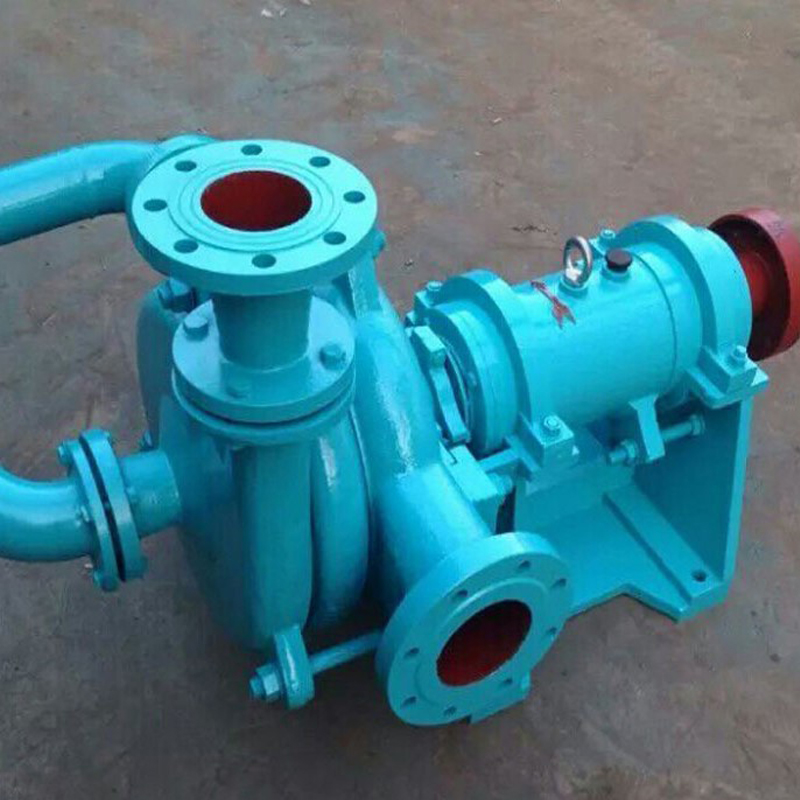
Submersible pumps for water removal are electromechanical devices designed to transfer fluids, specifically water, from one location to another. Their primary function is dewatering, encompassing applications ranging from construction site drainage and flood control to wastewater management and industrial process fluid handling. These pumps operate by converting rotational energy into hydraulic energy, utilizing an impeller to generate centrifugal force that moves the water. Unlike surface-mounted pumps, submersible pumps are designed to operate fully immersed in the fluid being pumped, offering advantages such as self-priming capabilities, reduced noise, and elimination of suction lift limitations. The industry chain positions these pumps between motor and control system manufacturers, pump casing and impeller fabricators, and end-users in sectors like construction, mining, agriculture, and municipal infrastructure. Core performance characteristics include flow rate (measured in gallons per minute or liters per second), total dynamic head (TDH – the maximum height the pump can lift water), and efficiency (the ratio of hydraulic power output to electrical power input). A critical pain point within the industry is balancing pump efficiency with abrasion resistance, particularly in applications involving sediment-laden water, which leads to premature wear and reduced lifespan.
Material Science & Manufacturing
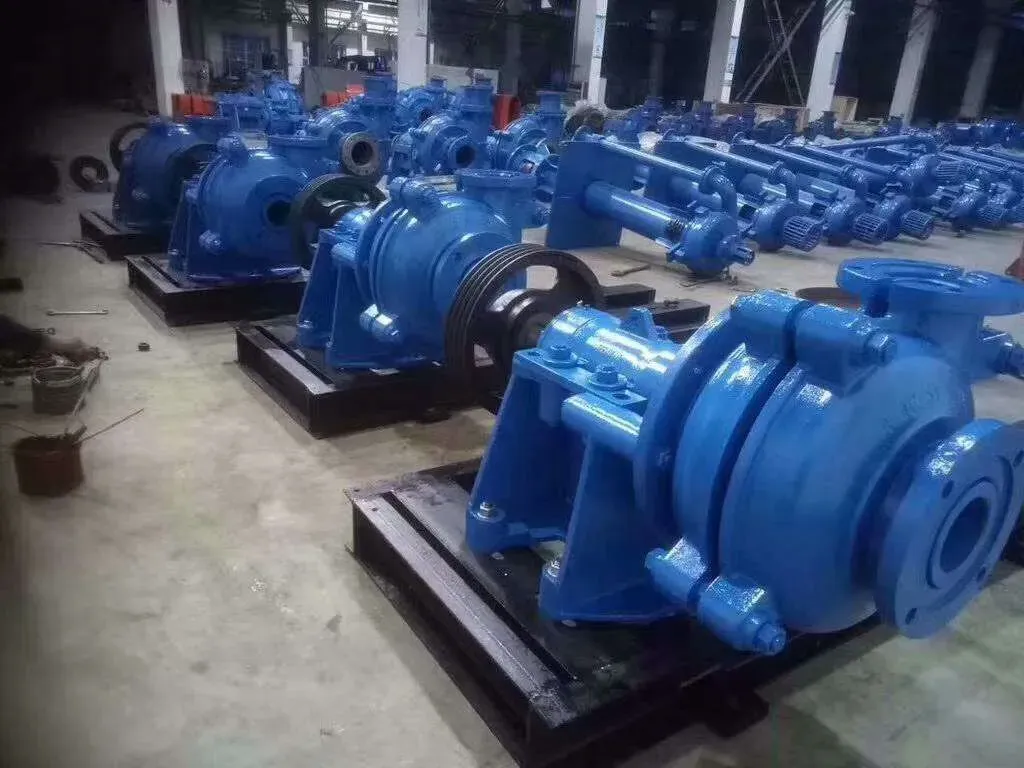
The construction of pumps to remove water relies heavily on materials exhibiting corrosion resistance, high tensile strength, and abrasion resistance. Pump casings are commonly fabricated from cast iron (ASTM A48 Class 30), stainless steel (304, 316 for enhanced corrosion resistance - ASTM A240), or engineered polymers like polypropylene or HDPE for specific applications. Impellers are often made from cast iron, bronze (ASTM B584), or specialized polymeric materials. Shafts are typically constructed from high-strength alloy steel (4140, heat treated - ASTM A276) to withstand torsional stress. Seals utilize materials like nitrile rubber (NBR), Viton (FKM), or silicon carbide (SiC) to prevent leakage and maintain pump efficiency.
Manufacturing processes vary depending on the component. Casings are often produced using sand casting followed by machining for precise dimensions and surface finish. Impellers are typically investment cast or manufactured using centrifugal casting to achieve complex geometries. Shafts are machined from bar stock and undergo heat treatment and grinding for optimal strength and surface hardness. Submersible pumps require specialized encapsulation of the motor and electrical components within a watertight housing, often achieved through epoxy resin potting or the use of specialized seals and gaskets. Critical parameters during manufacturing include impeller balancing to minimize vibration, dimensional accuracy of casing and impeller mating surfaces to prevent leakage, and precise control of heat treatment processes to achieve desired material properties. Welding processes (SMAW, GTAW - AWS D1.1) are used for joining casing components, requiring strict quality control to ensure weld integrity and prevent corrosion.
Performance & Engineering
The performance of pumps to remove water is fundamentally governed by fluid dynamics principles. Bernoulli's equation dictates the relationship between pressure, velocity, and elevation within the fluid flow. The pump's performance curve, a graph plotting flow rate versus TDH, is crucial for selecting the appropriate pump for a given application. Force analysis considers the hydrostatic pressure exerted by the water column, the dynamic pressure generated by the impeller, and the frictional losses within the piping system. Environmental resistance is a key engineering consideration, particularly for pumps operating in harsh conditions. Corrosion is a significant concern, demanding material selection and protective coatings (epoxy, polyurethane) to withstand exposure to corrosive fluids. Temperature extremes can affect material properties and seal performance, requiring the use of temperature-resistant materials and thermal management strategies.
Compliance requirements vary by region and application. In the US, pumps must meet EPA regulations regarding pump efficiency (Energy Star) and discharge standards. European regulations (ErP Directive) also focus on energy efficiency. For potable water applications, pumps must comply with NSF/ANSI 61 standards for lead content and material safety. Electrical safety is paramount, with pumps requiring certification to UL or IEC standards. Proper grounding and insulation are essential to prevent electrical hazards. Hydraulic Institute standards (HI) provide guidelines for pump performance testing and data reporting, ensuring accurate and reliable performance data.
Technical Specifications
| Parameter | Typical Range (Small Submersible Pump) | Typical Range (Large Industrial Pump) | Unit |
|---|---|---|---|
| Flow Rate | 5 - 100 | 500 - 5000 | GPM |
| Total Dynamic Head | 10 - 50 | 100 - 300 | ft |
| Motor Power | 0.25 - 1 | 5 - 50 | HP |
| Impeller Diameter | 2 - 6 | 10 - 24 | inches |
| Maximum Solid Handling | 0.125 - 0.5 | 2 - 4 | inches |
| Operating Temperature | 32 - 104 | 32 - 176 | °F |
Failure Mode & Maintenance
Pumps to remove water are susceptible to several failure modes. Cavitation, caused by low suction pressure, leads to impeller erosion and reduced pump efficiency. Mechanical seal failure results in leakage and potential motor damage. Bearing failure, often due to inadequate lubrication or contamination, causes increased vibration and eventual pump shutdown. Impeller blockage, particularly in pumps handling solids-laden water, reduces flow rate and increases motor load. Corrosion, especially in pumps handling aggressive fluids, weakens pump components and leads to structural failure. Fatigue cracking, induced by cyclical loading, can occur in the pump casing or impeller. Degradation of electrical insulation can cause short circuits and motor failure. Oxidation of metallic components leads to reduced strength and increased corrosion susceptibility.
Preventative maintenance is crucial for maximizing pump lifespan. Regular inspection of seals, bearings, and impellers is essential. Lubrication of bearings according to manufacturer’s specifications prevents wear and reduces friction. Periodic cleaning of the impeller and casing removes debris and maintains flow rate. Monitoring motor current and voltage detects potential electrical problems. Conducting vibration analysis identifies bearing wear or impeller imbalance. For corrosion prevention, applying protective coatings and using corrosion-resistant materials is vital. Replacement of worn components, such as seals and impellers, restores pump performance. Proper storage during periods of inactivity prevents corrosion and degradation.
Industry FAQ
Q: What is the primary difference between a centrifugal pump and a positive displacement pump for water removal applications?
A: Centrifugal pumps, used most commonly for water removal, rely on kinetic energy to move fluids, handling large volumes at lower pressures. They are best suited for applications where the fluid viscosity is low and a consistent flow rate is required. Positive displacement pumps, conversely, deliver a fixed volume of fluid with each cycle, generating higher pressures and being more effective with viscous fluids. For dewatering applications with free-flowing water, centrifugal pumps are almost always preferred due to their cost-effectiveness and efficiency.
Q: How does the impeller design influence the pump's performance and efficiency?
A: Impeller design is critical. The number of vanes, the vane angle, and the impeller diameter all affect flow rate and head. A higher number of vanes generally increases head but can reduce flow rate. Vane angle influences the pump's hydraulic efficiency. Impeller geometry must be optimized for the specific fluid properties and operating conditions to maximize performance. Computational Fluid Dynamics (CFD) modeling is routinely used to optimize impeller designs before manufacturing.
Q: What are the key considerations when selecting a pump for handling abrasive fluids?
A: When handling abrasive fluids, material selection is paramount. Hardened metals like high-chrome cast iron or ceramic coatings are used to resist wear. Impeller design should incorporate wear plates or replaceable liners. Reducing the fluid velocity minimizes abrasion. Regular inspection and replacement of worn components are crucial. Consider using pumps specifically designed for abrasive slurry applications with hardened components and optimized impeller geometry.
Q: How do you determine the appropriate motor size for a submersible pump?
A: Motor sizing is based on the pump's hydraulic power requirements and the desired operating point. The required horsepower (HP) is calculated considering the flow rate, TDH, fluid density, and pump efficiency. A safety factor is typically added to account for variations in operating conditions and potential future changes in system requirements. Oversizing the motor can lead to reduced efficiency and increased costs, while undersizing can cause overheating and premature motor failure.
Q: What are the common methods for preventing corrosion in submersible pumps?
A: Corrosion prevention involves material selection, protective coatings, and cathodic protection. Using stainless steel or other corrosion-resistant alloys for pump components is a primary strategy. Applying epoxy or polyurethane coatings to the pump casing and impeller provides a barrier against corrosive fluids. Cathodic protection, using sacrificial anodes, can further reduce corrosion rates. Regular maintenance and inspection are also crucial for detecting and addressing corrosion early.
Conclusion
Submersible pumps for water removal represent a critical component across numerous industries, enabling efficient and reliable fluid transfer. Their performance hinges on a complex interplay of material science, fluid dynamics, and rigorous manufacturing processes. Selecting the appropriate pump requires careful consideration of factors such as flow rate, head requirements, fluid characteristics, and environmental conditions.
Ongoing advancements in pump technology focus on improving efficiency, extending lifespan, and reducing maintenance requirements. Future trends include the development of more durable materials, optimized impeller designs, and integrated monitoring systems for predictive maintenance. Adhering to relevant industry standards and best practices is essential for ensuring safe and reliable pump operation, minimizing downtime, and maximizing return on investment.
-
Precision at the Pump: How Better Machining Protects Flow and Uptime
News2026-11-20
-
Why Pump Reliability Begins Before the First Drop of Fluid
News2026-11-20
-
Beyond the Pump: Designing Safer Access Around Critical Water Infrastructure
News2026-11-20
-
Why Pumping Stations Depend on the Infrastructure Beneath the Pumps
News2026-11-20
-
Beyond the Pump Room: How Smarter Loading Protects Industrial Equipment
News2026-11-19
-
When Pumps Stop: Designing More Resilient Power for Critical Pumping Systems
News2026-11-19
-
The Hidden Role of Dust and Gas Monitoring in Reliable Pump Operations
News2026-11-19
-
The Hidden Role of Mineral Compounds in Extending Industrial Pump Lifespan
News2026-10-12
-
Why Pump System Reliability Depends on Precision Hose Assembly Methods
News2026-09-15
-
How Advanced Imaging Films Are Transforming Pump Component Quality Control
News2026-08-25
-
How Advanced Filtration Protects Pump Systems from Premature Wear and Costly Downtime
News2026-08-25
-
How Steel Material Selection Drives Pump Reliability in Heavy-Duty Systems
News2026-08-25
-
Ensuring Pump System Efficiency: The Role of High-Quality Pipe Fittings and Tubing
News2026-08-24
-
Optimizing Fluid Dynamics and Material Consistency in Industrial Processing
News2026-08-18
-
Innovations and Challenges in Hydraulic Systems for Heavy Machinery
News2026-08-13




