English
- Afrikaans
- Albanian
- Amharic
- Arabic
- Armenian
- Azerbaijani
- Basque
- Belarusian
- Bengali
- Bosnian
- Bulgarian
- Catalan
- Cebuano
- Corsican
- Croatian
- Czech
- Danish
- Dutch
- English
- Esperanto
- Estonian
- Finnish
- French
- Frisian
- Galician
- Georgian
- German
- Greek
- Gujarati
- Haitian Creole
- hausa
- hawaiian
- Hebrew
- Hindi
- Miao
- Hungarian
- Icelandic
- igbo
- Indonesian
- irish
- Italian
- Japanese
- Javanese
- Kannada
- kazakh
- Khmer
- Rwandese
- Korean
- Kurdish
- Kyrgyz
- Lao
- Latin
- Latvian
- Lithuanian
- Luxembourgish
- Macedonian
- Malgashi
- Malay
- Malayalam
- Maltese
- Maori
- Marathi
- Mongolian
- Myanmar
- Nepali
- Norwegian
- Norwegian
- Occitan
- Pashto
- Persian
- Polish
- Portuguese
- Punjabi
- Romanian
- Russian
- Samoan
- Scottish Gaelic
- Serbian
- Sesotho
- Shona
- Sindhi
- Sinhala
- Slovak
- Slovenian
- Somali
- Spanish
- Sundanese
- Swahili
- Swedish
- Tagalog
- Tajik
- Tamil
- Tatar
- Telugu
- Thai
- Turkish
- Turkmen
- Ukrainian
- Urdu
- Uighur
- Uzbek
- Vietnamese
- Welsh
- Bantu
- Yiddish
- Yoruba
- Zulu

Telephone: +86 13120555503
Email: frank@cypump.com


Apr . 01, 2024 17:55 Back to list
pumps slurry Performance Analysis
Introduction
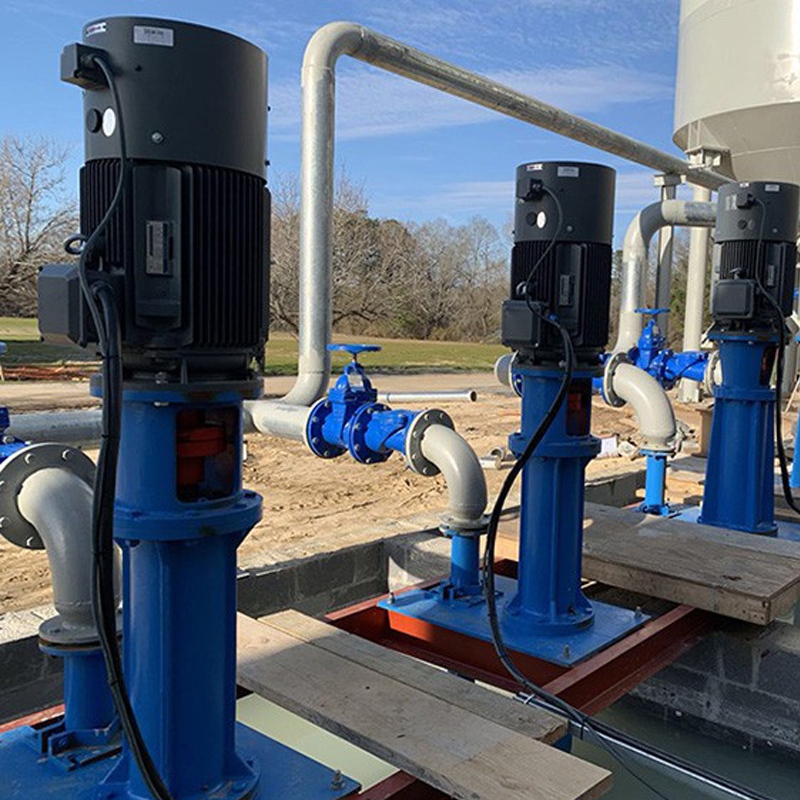
Slurry pumps are heavy-duty centrifugal pumps specifically engineered to transport abrasive, corrosive, and erosive fluid mixtures – commonly known as slurries. Unlike clear fluid pumps, slurry pumps are designed to handle the unique challenges posed by solid particle concentration and material composition. Their application spans a vast range of industries including mining, mineral processing, wastewater treatment, chemical processing, power generation, and dredging. The technical positioning of slurry pumps within the industry chain is critical; they form a vital component in material handling systems, directly impacting process efficiency and operational costs. Core performance characteristics defining slurry pump suitability include flow rate (capacity), head (pressure developed), solids handling capability (particle size and concentration), and abrasion resistance, all of which are dictated by the slurry’s properties and the pump’s internal construction. Selecting the appropriate slurry pump is paramount to prevent premature failure, reduce maintenance downtime, and ensure the longevity of the overall system.
Material Science & Manufacturing
The materials utilized in slurry pump construction are selected based on the anticipated slurry composition and operational environment. Pump casings are commonly manufactured from high-chromium cast iron alloys (e.g., 27% Cr), offering excellent abrasion resistance against hard particles. For highly corrosive slurries, stainless steel (316, duplex stainless steel) or specialized alloys like Hastelloy and Alloy 20 are employed, though they typically exhibit lower abrasion resistance. Impellers, the rotating component responsible for generating fluid flow, frequently utilize similar materials to the casing, but may incorporate hardened surface treatments like tungsten carbide or ceramic coatings for enhanced wear resistance in extreme applications. Elastomeric liners, often made from natural or synthetic rubber, are used in the casing and volute to protect metal surfaces from impact and erosion, and to dampen noise. Manufacturing processes vary depending on component complexity. Casings are often produced through sand casting followed by machining for dimensional accuracy and surface finish. Impellers may be investment cast for complex geometries or machined from solid billets. Welding processes, primarily shielded metal arc welding (SMAW) and gas tungsten arc welding (GTAW), are used for joining components and applying wear-resistant overlays. Critical parameters during manufacturing include alloy composition verification, heat treatment control (to optimize material hardness and ductility), and dimensional inspection utilizing coordinate measuring machines (CMMs). Improper heat treatment can lead to embrittlement or reduced corrosion resistance, while dimensional inaccuracies can impair pump performance and increase wear rates.
Performance & Engineering
Slurry pump performance is heavily influenced by the characteristics of the fluid being transported. Force analysis focuses on hydraulic forces exerted by the slurry on the impeller and casing, as well as mechanical stresses induced by pump rotation and pressure differentials. Cavitation, the formation and collapse of vapor bubbles, is a significant concern, especially with slurries containing volatile components or operating at high speeds. Cavitation erodes pump components and reduces efficiency. Environmental resistance is crucial; pumps operating in outdoor environments must be protected from weather elements like rain, snow, and extreme temperatures. Proper sealing systems, including mechanical seals and packing glands, are essential to prevent leakage and maintain pump efficiency. Compliance requirements depend on the application and geographic location. For example, pumps used in the food and beverage industry must adhere to 3-A Sanitary Standards, while pumps used in hazardous locations (e.g., oil refineries) must comply with ATEX or IECEx standards. Functional implementation involves careful selection of pump curves (head vs. flow rate) to match the system requirements. System head loss calculations, accounting for pipe friction, fittings, and elevation changes, are critical for ensuring adequate pump performance. Pump speed control, often achieved through variable frequency drives (VFDs), allows for optimization of flow rate and energy consumption. Material selection is further guided by the slurry’s pH level; acidic or alkaline slurries necessitate corrosion-resistant materials.
Technical Specifications
| Parameter | Units | Typical Range (Centrifugal Slurry Pump) | Comments |
|---|---|---|---|
| Flow Rate | m³/h | 10 - 1500 | Dependent on impeller diameter and pump speed. |
| Discharge Head | m | 5 - 80 | Determined by slurry density and system head loss. |
| Solids Handling Size | mm | 6 – 75+ | Larger impeller passages allow for larger particle sizes. |
| Slurry Concentration (by weight) | % | Up to 70 | Higher concentrations increase wear rate. |
| Pump Speed | RPM | 500 - 3600 | Higher speeds generally yield higher flow rates but increased wear. |
| Casing Material | - | High-Chromium Cast Iron, Stainless Steel | Choice depends on slurry corrosivity and abrasivity. |
Failure Mode & Maintenance
Slurry pump failures typically stem from abrasive wear, corrosion, erosion, and cavitation. Abrasive wear, the most common failure mode, occurs due to the impact of solid particles on pump components, leading to material loss and dimensional changes. Corrosion, particularly in acidic or alkaline slurries, degrades the material microstructure, reducing its mechanical strength. Erosion combines the effects of abrasion and corrosion, accelerating material removal. Cavitation, as previously mentioned, causes pitting and surface damage. Fatigue cracking can occur in highly stressed components like the impeller and shaft, especially under cyclic loading. Delamination, the separation of surface layers, is often observed in rubber liners subjected to repeated impact. Preventative maintenance is crucial for extending pump life. Regular inspection of pump components for wear and corrosion is essential. Impeller replacement is often the most frequent maintenance task. Mechanical seal replacement is necessary to prevent leakage and maintain pump efficiency. Lubrication of bearings is critical for reducing friction and preventing bearing failure. Monitoring pump vibration can detect imbalances or misalignments. Scheduled shutdowns for thorough inspection and component replacement are recommended based on operating conditions and historical data. Analysis of wear patterns can provide valuable insights into slurry composition and optimize pump selection and maintenance strategies.
Industry FAQ
Q: What is the impact of slurry temperature on pump performance and material selection?
A: Increased slurry temperature generally reduces the viscosity, potentially increasing pump flow rate but also accelerating corrosion rates. Higher temperatures can also reduce the strength of certain materials, necessitating the selection of alloys with higher temperature resistance. Thermal expansion must also be considered during pump design and installation.
Q: How does the solids concentration affect the pump’s power consumption?
A: Higher solids concentration increases the slurry’s density and viscosity, requiring the pump to expend more energy to overcome these increased resistances. This results in higher power consumption and potentially reduced pump efficiency. Pump selection must account for the anticipated solids concentration.
Q: What are the key differences between centrifugal and positive displacement slurry pumps?
A: Centrifugal pumps are generally more suitable for high-flow, low-head applications with relatively low solids concentrations. Positive displacement pumps (e.g., progressive cavity pumps, diaphragm pumps) are better suited for low-flow, high-head applications with high solids concentrations or viscous slurries. Positive displacement pumps offer more consistent flow rates regardless of pressure fluctuations.
Q: What is the best way to mitigate cavitation in a slurry pump?
A: Mitigation strategies include increasing the net positive suction head available (NPSHa), reducing pump speed, increasing impeller diameter, and ensuring proper pump alignment. Careful selection of the pump curve to match the system requirements is also essential. Avoiding sharp bends or restrictions in the suction piping can also minimize cavitation risk.
Q: What role does impeller design play in minimizing wear in abrasive slurries?
A: Impeller design significantly impacts wear resistance. Open impellers are generally preferred for slurries with high solids content as they are less prone to clogging. Hardened impeller materials, coatings, and optimized blade geometry (e.g., curved blades to minimize impact angles) can all reduce wear rates.
Conclusion
Selecting and maintaining slurry pumps requires a comprehensive understanding of slurry characteristics, pump performance parameters, and failure mechanisms. The longevity and efficiency of a slurry pumping system are directly correlated with the judicious choice of materials, appropriate pump sizing, and a robust preventative maintenance program. Failure to account for these factors can result in significant operational downtime, increased maintenance costs, and reduced process productivity.
Future advancements in slurry pump technology will likely focus on developing more wear-resistant materials, optimizing impeller designs for improved hydraulic efficiency, and implementing advanced monitoring systems for predictive maintenance. Integrating digital technologies, such as IoT sensors and machine learning algorithms, will enable real-time monitoring of pump performance and facilitate proactive maintenance interventions, ultimately reducing operational costs and enhancing system reliability.
-
Comprehensive Guide to Waterproof ORings for Optimal Sealing Solutions
News2026-06-09
-
submergable pump Material Science
News2026-06-23
-
sewer injection pump Performance Engineering
News2026-06-23
-
Sewer Ejector Pump System Performance Analysis
News2026-06-23
-
septic tank pump for sale Performance Engineering
News2026-06-23
-
septic pump for sale Performance Engineering
News2026-06-23
-
septic ejector system Performance Analysis
News2026-06-22
-
replace septic pump Performance Analysis
News2026-06-22
-
pump system septic tank Performance Analysis
News2026-06-22
-
lift pump for sewer Performance and Engineering
News2026-06-22
-
industrial submersible water pump Material Science
News2026-06-22
-
industrial submersible pumps Material Science and Manufacturing
News2026-06-21
-
best sewer ejector pump Performance Analysis
News2026-06-21
-
best septic pump Performance Analysis
News2026-06-21
-
1 2 hp septic pump Performance Engineering
News2026-06-21




