English
- Afrikaans
- Albanian
- Amharic
- Arabic
- Armenian
- Azerbaijani
- Basque
- Belarusian
- Bengali
- Bosnian
- Bulgarian
- Catalan
- Cebuano
- Corsican
- Croatian
- Czech
- Danish
- Dutch
- English
- Esperanto
- Estonian
- Finnish
- French
- Frisian
- Galician
- Georgian
- German
- Greek
- Gujarati
- Haitian Creole
- hausa
- hawaiian
- Hebrew
- Hindi
- Miao
- Hungarian
- Icelandic
- igbo
- Indonesian
- irish
- Italian
- Japanese
- Javanese
- Kannada
- kazakh
- Khmer
- Rwandese
- Korean
- Kurdish
- Kyrgyz
- Lao
- Latin
- Latvian
- Lithuanian
- Luxembourgish
- Macedonian
- Malgashi
- Malay
- Malayalam
- Maltese
- Maori
- Marathi
- Mongolian
- Myanmar
- Nepali
- Norwegian
- Norwegian
- Occitan
- Pashto
- Persian
- Polish
- Portuguese
- Punjabi
- Romanian
- Russian
- Samoan
- Scottish Gaelic
- Serbian
- Sesotho
- Shona
- Sindhi
- Sinhala
- Slovak
- Slovenian
- Somali
- Spanish
- Sundanese
- Swahili
- Swedish
- Tagalog
- Tajik
- Tamil
- Tatar
- Telugu
- Thai
- Turkish
- Turkmen
- Ukrainian
- Urdu
- Uighur
- Uzbek
- Vietnamese
- Welsh
- Bantu
- Yiddish
- Yoruba
- Zulu

Telephone: +86 13120555503
Email: frank@cypump.com


Apr . 01, 2024 17:55 Back to list
pumps in chemical engineering Performance Analysis
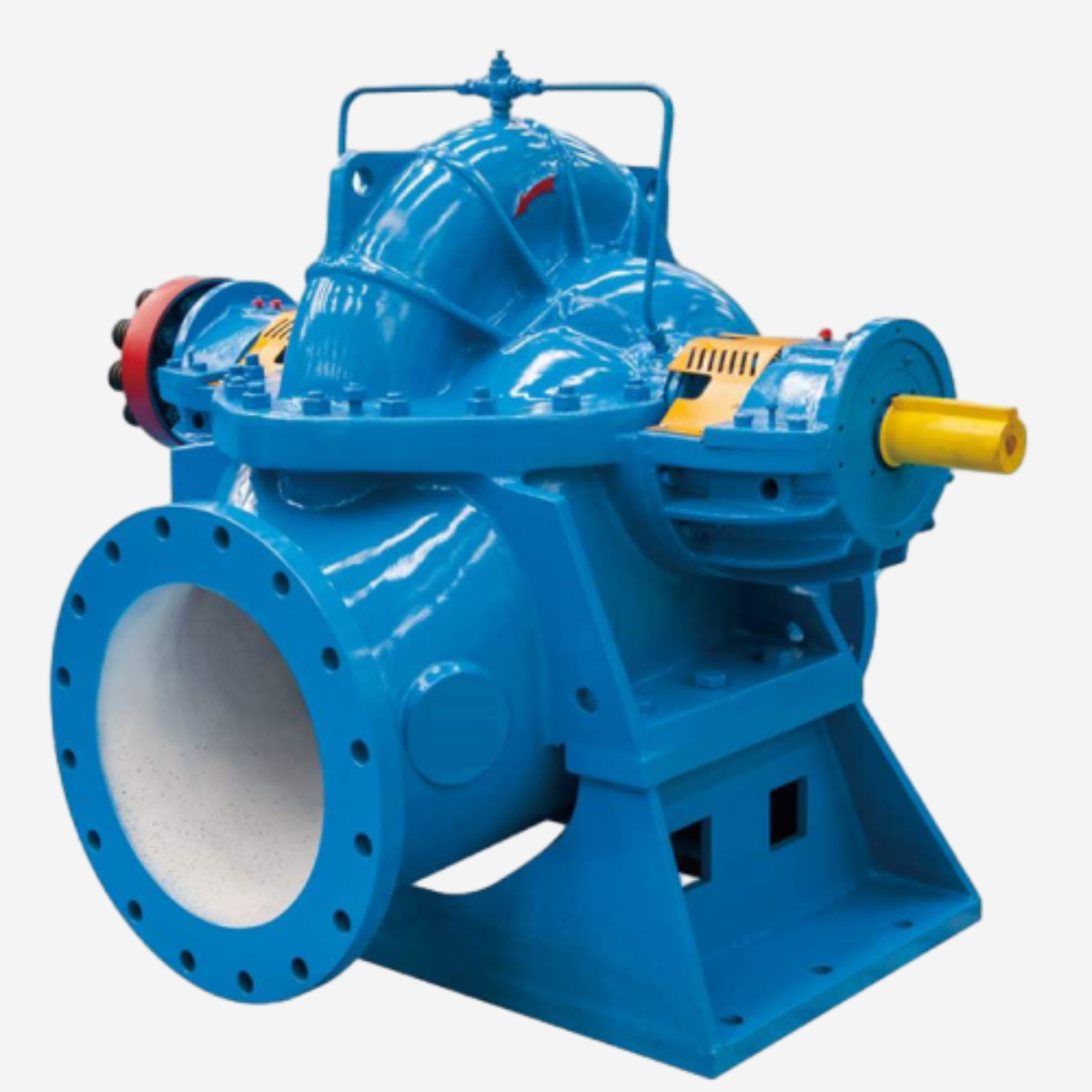
Introduction
Pumps in chemical engineering represent a critical component in process systems, responsible for the movement of fluids – liquids, gases, and slurries – throughout plants. Their technical position lies at the heart of unit operations such as distillation, reaction, heat exchange, and separation. Unlike general-purpose pumps, those utilized in chemical processing are designed to handle corrosive, abrasive, and high-temperature fluids, often at varying pressures and flow rates. Core performance metrics center around volumetric flow rate (m³/hr), differential head (m), pump efficiency (%), Net Positive Suction Head Required (NPSHr), and material compatibility. The selection of the appropriate pump type is dictated by fluid properties (viscosity, density, corrosivity), process conditions (temperature, pressure), and system requirements (flow rate, head). Failure to select the correct pump can lead to process inefficiencies, equipment damage, and safety hazards. This guide provides an in-depth technical analysis of pumps used in chemical engineering, encompassing material science, manufacturing processes, performance characteristics, failure modes, and relevant industry standards.
Material Science & Manufacturing
The construction of pumps for chemical service necessitates careful material selection. Common materials include stainless steels (304, 316, duplex), nickel alloys (Hastelloy, Inconel), polymers (PTFE, PVDF, polypropylene), and ceramics. The choice hinges on the chemical compatibility between the pump components and the process fluid. For example, handling hydrochloric acid necessitates the use of titanium or specific nickel alloys due to the corrosive nature of the acid towards stainless steels. Manufacturing processes vary based on pump type. Centrifugal pumps commonly employ investment casting for impellers, ensuring complex geometries and smooth surface finishes. Volute casings are often manufactured via sand casting or die casting, followed by machining to tight tolerances. Positive displacement pumps, like diaphragm pumps, rely heavily on elastomer fabrication for diaphragms, demanding precise control of polymer curing and molding processes. Reciprocating pumps frequently utilize CNC machining for piston and cylinder components, requiring adherence to stringent dimensional accuracy. Welding processes, such as TIG (Tungsten Inert Gas) and MIG (Metal Inert Gas), are critical for joining pump components, demanding qualified welders and rigorous non-destructive testing (NDT) – radiography, ultrasonic testing, and dye penetrant inspection – to ensure weld integrity. Parameter control during manufacturing is vital: impeller balancing minimizes vibration, surface roughness control reduces friction and wear, and heat treatment optimizes material properties. The metallurgy of stainless steels is particularly important; proper passivation treatment enhances corrosion resistance by forming a protective chromium oxide layer.
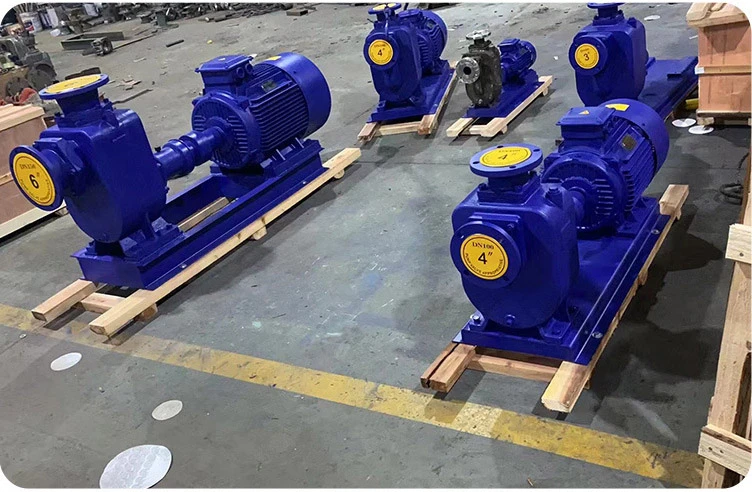
Performance & Engineering
Pump performance is governed by fundamental principles of fluid dynamics. The Bernoulli equation and the affinity laws dictate the relationship between flow rate, head, and pump speed. Force analysis is critical, particularly for pump casings, to withstand internal pressures and external loads. Finite Element Analysis (FEA) is commonly employed to optimize casing design and minimize stress concentrations. Environmental resistance is a significant consideration. Exposure to extreme temperatures, UV radiation, and corrosive atmospheres can degrade pump materials and seals. Selecting appropriate sealing materials – PTFE, Viton, Kalrez – is paramount. Compliance requirements vary depending on the application and region. ATEX certification is mandatory for pumps used in explosive atmospheres, demanding adherence to strict safety standards. Hydraulic Institute (HI) standards define pump performance testing procedures and classifications. Pump efficiency is influenced by factors such as impeller design, internal clearances, and fluid viscosity. Cavitation, a phenomenon caused by vapor bubble formation due to low pressure, can severely damage pump impellers; maintaining adequate NPSH is essential to prevent cavitation. System curves, representing the head-flow relationship of the entire piping system, must be considered during pump selection to ensure optimal performance and avoid operating the pump outside its recommended range. Proper pump alignment is crucial to minimize vibration and bearing wear; laser alignment techniques are commonly employed.
Technical Specifications
| Pump Type | Maximum Flow Rate (m³/hr) | Maximum Head (m) | Maximum Operating Temperature (°C) |
|---|---|---|---|
| Centrifugal Pump | 500 | 150 | 150 |
| Diaphragm Pump | 100 | 50 | 80 |
| Gear Pump | 50 | 200 | 120 |
| Peristaltic Pump | 20 | 30 | 60 |
| Screw Pump | 300 | 100 | 180 |
| Vertical Turbine Pump | 800 | 300 | 200 |
Failure Mode & Maintenance
Pumps in chemical service are susceptible to various failure modes. Fatigue cracking in pump casings can occur due to cyclic pressure fluctuations. Impeller erosion, caused by abrasive particles in the fluid, reduces pump efficiency and can lead to catastrophic failure. Seal failure, resulting from chemical attack, thermal degradation, or mechanical wear, leads to leakage and process contamination. Bearing failure, often due to improper lubrication or misalignment, causes vibration and potential pump seizure. Corrosion, particularly in aggressive chemical environments, degrades pump components over time. Delamination of coatings, used to protect pump surfaces, exposes underlying materials to corrosion. Maintenance strategies encompass preventative maintenance (PM), predictive maintenance (PdM), and run-to-failure (RTF). PM involves regular inspection, lubrication, and component replacement based on predefined schedules. PdM utilizes techniques such as vibration analysis, oil analysis, and thermal imaging to detect early signs of failure. RTF is suitable for non-critical pumps where downtime is not a major concern. Regular monitoring of pump performance parameters – flow rate, pressure, temperature, vibration – provides valuable insights into pump health. Proper seal flushing prevents solid buildup and maintains seal integrity. Routine bearing lubrication ensures smooth operation and extends bearing life. Regular inspection of pump casings for cracks and corrosion is essential for preventing catastrophic failures. Implementing a robust pump management program, including detailed maintenance records and spare parts inventory, optimizes pump reliability and minimizes downtime.
Industry FAQ
Q: What are the primary considerations when selecting a pump material for handling concentrated sulfuric acid?
A: Concentrated sulfuric acid is highly corrosive. Stainless steels are generally not suitable. The preferred materials are typically high-silicon cast iron, certain nickel alloys (like Alloy 20), or PTFE-lined pumps. The specific alloy selection depends on the acid concentration, temperature, and flow velocity. Thorough material compatibility testing is crucial before deployment.
Q: How does fluid viscosity affect pump performance, and what adjustments are necessary?
A: Increasing fluid viscosity reduces pump flow rate and increases head. This is due to increased frictional losses within the pump. To compensate, a larger pump may be required, or the pump speed may need to be increased (within safe limits). Impeller trimming may also be considered. Accurate viscosity measurements are essential for proper pump sizing.
Q: What are the common causes of cavitation, and how can it be prevented?
A: Cavitation occurs when the absolute pressure at the pump inlet falls below the vapor pressure of the fluid. Common causes include insufficient NPSH available, high fluid velocity at the inlet, and restrictions in the suction piping. Prevention strategies include increasing NPSH available by raising the liquid level in the supply tank, reducing suction pipe length, and minimizing inlet restrictions.
Q: What are the key differences between mechanical seals and packed glands, and when should each be used?
A: Mechanical seals provide a tighter seal and lower leakage rates than packed glands, but are more complex and expensive. Packed glands are simpler and more tolerant of misalignment, but require regular adjustment and typically leak more. Mechanical seals are preferred for hazardous or valuable fluids. Packed glands are suitable for less demanding applications.
Q: What are the benefits of utilizing a variable frequency drive (VFD) with a centrifugal pump?
A: VFDs allow for precise control of pump speed, enabling optimization of flow rate and energy consumption. They can also reduce water hammer and stress on the pump and piping system. VFDs are particularly beneficial in applications with varying flow demands.
Conclusion
The selection, operation, and maintenance of pumps in chemical engineering require a deep understanding of fluid dynamics, material science, and process requirements. Proper material selection is paramount to ensure chemical compatibility and prevent corrosion. Implementing a comprehensive maintenance program, incorporating both preventative and predictive techniques, is essential for maximizing pump reliability and minimizing downtime. Adherence to industry standards and best practices, such as those defined by the Hydraulic Institute and ATEX directives, is crucial for ensuring safe and efficient operation.
Looking forward, advancements in pump technology are focused on improving efficiency, reducing energy consumption, and enhancing monitoring capabilities. The integration of IoT sensors and data analytics will enable real-time performance monitoring and predictive maintenance, further optimizing pump operations and reducing life-cycle costs. Development of new materials with enhanced corrosion resistance will expand the range of applications for pumps in challenging chemical environments.
-
Precision at the Pump: How Better Machining Protects Flow and Uptime
News2026-11-20
-
Why Pump Reliability Begins Before the First Drop of Fluid
News2026-11-20
-
Beyond the Pump: Designing Safer Access Around Critical Water Infrastructure
News2026-11-20
-
Why Pumping Stations Depend on the Infrastructure Beneath the Pumps
News2026-11-20
-
Beyond the Pump Room: How Smarter Loading Protects Industrial Equipment
News2026-11-19
-
When Pumps Stop: Designing More Resilient Power for Critical Pumping Systems
News2026-11-19
-
The Hidden Role of Dust and Gas Monitoring in Reliable Pump Operations
News2026-11-19
-
The Hidden Role of Mineral Compounds in Extending Industrial Pump Lifespan
News2026-10-12
-
Why Pump System Reliability Depends on Precision Hose Assembly Methods
News2026-09-15
-
How Advanced Imaging Films Are Transforming Pump Component Quality Control
News2026-08-25
-
How Advanced Filtration Protects Pump Systems from Premature Wear and Costly Downtime
News2026-08-25
-
How Steel Material Selection Drives Pump Reliability in Heavy-Duty Systems
News2026-08-25
-
Ensuring Pump System Efficiency: The Role of High-Quality Pipe Fittings and Tubing
News2026-08-24
-
Optimizing Fluid Dynamics and Material Consistency in Industrial Processing
News2026-08-18
-
Innovations and Challenges in Hydraulic Systems for Heavy Machinery
News2026-08-13




