English
- Afrikaans
- Albanian
- Amharic
- Arabic
- Armenian
- Azerbaijani
- Basque
- Belarusian
- Bengali
- Bosnian
- Bulgarian
- Catalan
- Cebuano
- Corsican
- Croatian
- Czech
- Danish
- Dutch
- English
- Esperanto
- Estonian
- Finnish
- French
- Frisian
- Galician
- Georgian
- German
- Greek
- Gujarati
- Haitian Creole
- hausa
- hawaiian
- Hebrew
- Hindi
- Miao
- Hungarian
- Icelandic
- igbo
- Indonesian
- irish
- Italian
- Japanese
- Javanese
- Kannada
- kazakh
- Khmer
- Rwandese
- Korean
- Kurdish
- Kyrgyz
- Lao
- Latin
- Latvian
- Lithuanian
- Luxembourgish
- Macedonian
- Malgashi
- Malay
- Malayalam
- Maltese
- Maori
- Marathi
- Mongolian
- Myanmar
- Nepali
- Norwegian
- Norwegian
- Occitan
- Pashto
- Persian
- Polish
- Portuguese
- Punjabi
- Romanian
- Russian
- Samoan
- Scottish Gaelic
- Serbian
- Sesotho
- Shona
- Sindhi
- Sinhala
- Slovak
- Slovenian
- Somali
- Spanish
- Sundanese
- Swahili
- Swedish
- Tagalog
- Tajik
- Tamil
- Tatar
- Telugu
- Thai
- Turkish
- Turkmen
- Ukrainian
- Urdu
- Uighur
- Uzbek
- Vietnamese
- Welsh
- Bantu
- Yiddish
- Yoruba
- Zulu

Telephone: +86 13120555503
Email: frank@cypump.com


Apr . 01, 2024 17:55 Back to list
Pump Slurry Performance Analysis
Introduction
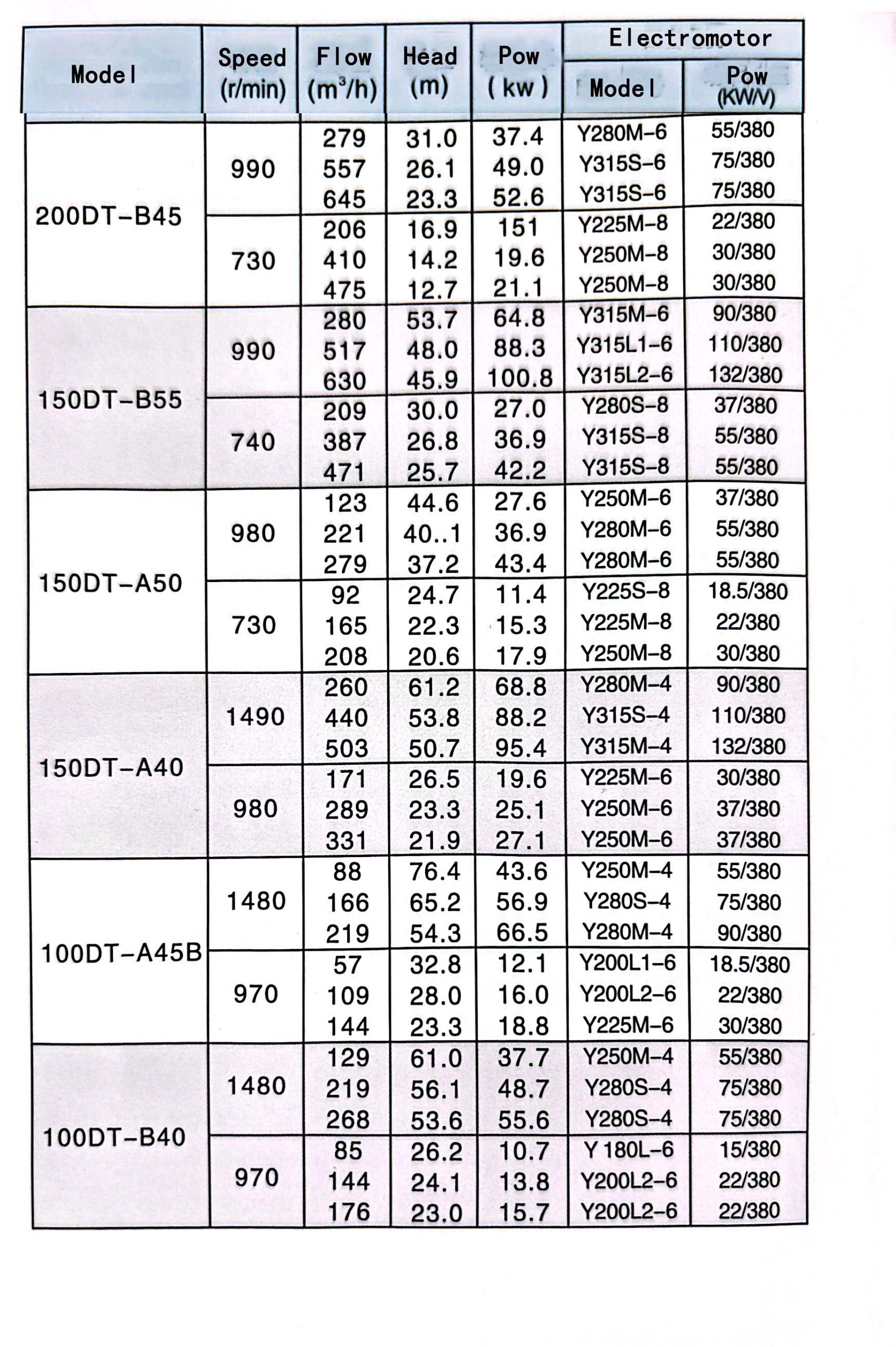
Pump slurry is a complex fluid mixture critical to numerous industrial processes, including mining, dredging, wastewater treatment, and oil & gas extraction. It consists of a solid particulate material suspended in a liquid carrier, typically water, but may also incorporate polymers, chemicals, and other additives. Its primary function is to transport abrasive and often corrosive materials over considerable distances, necessitating specific rheological properties and material compatibility. Understanding the nuances of pump slurry composition and behavior is paramount to optimizing pump performance, minimizing wear, reducing operational costs, and ensuring system reliability. This guide provides an in-depth technical exploration of pump slurry, encompassing its material science, manufacturing considerations, performance parameters, failure modes, and relevant industry standards. The effective management of slurry properties directly addresses the core industry pain point of mitigating premature equipment failure and unscheduled downtime, both significant contributors to production losses.
Material Science & Manufacturing
Pump slurry composition is dictated by the source material being transported. The solid phase can range from fine silts and clays to coarse gravel and rock fragments, with particle size distribution (PSD) being a key characteristic. Common liquid carriers include fresh water, seawater, process water, and specialized polymer solutions. Additives are crucial for controlling rheology, preventing settling, and minimizing corrosion. Bentonite clay, for example, is frequently used to increase viscosity and suspend particles, while polymers like polyacrylamide can act as flocculants or dispersants.
Manufacturing slurry involves precise mixing and quality control. Raw materials are often pre-processed – crushing and screening for solids, chemical dosing and pH adjustment for liquids – before being combined in mixing tanks equipped with agitators. Agitator type (impeller design, speed, and baffling) significantly influences slurry homogeneity and prevents stratification. Maintaining consistent PSD is critical; variations can drastically alter flow characteristics and pump performance. Rheological properties, specifically viscosity, yield stress, and thixotropy, are measured using viscometers and rheometers. Chemical compatibility testing is vital to prevent corrosion and material degradation. For example, highly acidic slurries require corrosion-resistant pump materials such as stainless steel alloys or ceramic linings. Production parameter control focuses on maintaining consistent solids concentration (by weight or volume), pH, and additive dosage. Improper mixing can lead to settling, plugging, and increased wear rates.
Performance & Engineering
The performance of pump slurry is heavily influenced by fluid dynamics and material interactions. Key engineering considerations include flow rate, pressure drop, particle velocity, and erosive wear. Flow rate is determined by pump capacity, pipeline diameter, and slurry viscosity. Pressure drop is influenced by friction losses within the pipeline, bends, valves, and the slurry’s inherent resistance to flow. Particle velocity is critical as it directly correlates to erosive wear; higher velocities increase the rate of material loss from pump components.
Erosive wear is a primary concern, particularly in applications involving hard, angular particles. This wear is typically categorized as solid particle erosion, which occurs when particles impact the pump casing, impeller, and volute. The angle of impact, particle shape, and slurry velocity significantly affect the severity of erosion. Cavitation, another significant failure mode, occurs when vapor bubbles form and collapse within the pump due to localized pressure drops. This implosion causes significant damage to pump components. Compliance requirements vary based on industry and application. For example, wastewater treatment plants must adhere to stringent environmental regulations regarding slurry discharge. The selection of appropriate pump materials and design features, such as hardened impellers and wear-resistant liners, is crucial for maximizing pump life and minimizing maintenance costs. Force analysis is used to determine stresses on pump components caused by slurry flow and particle impact, informing material selection and design optimization. Environmental resistance focuses on the slurry's impact on the pump materials themselves, particularly corrosion and chemical attack.
Technical Specifications
| Parameter | Unit | Typical Range | Testing Standard |
|---|---|---|---|
| Solids Concentration (by weight) | % | 10-80 | ASTM D854 |
| Particle Size (D50) | µm | 1-5000 | ASTM D50 |
| Slurry Viscosity (Dynamic) | cP | 1-10000 | ASTM D2196 |
| Slurry Density | kg/m³ | 1000-2500 | ASTM D1475 |
| pH | - | 2-12 | ASTM D1293 |
| Corrosivity (Chloride Content) | ppm | 0-50000 | ASTM D387 |
Failure Mode & Maintenance
Pump slurry systems are susceptible to various failure modes. Fatigue cracking in pump casings and impellers occurs due to cyclical stress from slurry flow and particle impact. Delamination of wear-resistant liners is common, particularly in applications involving abrasive particles. Degradation of polymer additives can reduce slurry viscosity and lead to settling. Oxidation of metal components causes corrosion and material loss. Abrasive wear remains the most prevalent failure mode, leading to impeller erosion, volute wear, and seal damage.
Preventative maintenance is crucial. Regular inspections should focus on identifying signs of wear, such as reduced pump performance, increased vibration, and unusual noises. Impeller replacement is often necessary due to abrasive wear. Seal replacement is essential to prevent leakage and maintain pump efficiency. Regular flushing of the pump and pipeline removes accumulated solids and prevents blockages. Monitoring slurry properties – viscosity, pH, solids concentration – allows for early detection of deviations and proactive adjustments. Implementing a comprehensive wear monitoring program, using techniques like ultrasonic thickness testing, can help predict component failure and schedule maintenance accordingly. Proper lubrication of pump bearings is essential to prevent failure. The use of sacrificial liners and coatings can extend the life of pump components by protecting them from abrasive wear and corrosion.
Industry FAQ
Q: What is the impact of particle shape on pump wear?
A: Particle shape significantly affects erosive wear. Angular particles cause more severe wear than rounded particles due to their higher impact energy and localized stress concentration. Sharper edges exacerbate material removal from pump components.
Q: How does slurry viscosity affect pump efficiency?
A: Increased slurry viscosity leads to higher frictional losses within the pump and pipeline, reducing pump efficiency. However, adequate viscosity is necessary to suspend particles and prevent settling. An optimal viscosity range exists for each specific application.
Q: What materials are best suited for handling highly corrosive slurries?
A: Materials such as stainless steel alloys (e.g., 316L), high-chromium cast iron, ceramic materials (e.g., alumina, silicon carbide), and polymer linings are commonly used for handling highly corrosive slurries. Material selection depends on the specific corrosive agent and its concentration.
Q: How can cavitation be prevented in pump slurry applications?
A: Cavitation can be prevented by ensuring adequate Net Positive Suction Head Available (NPSHA) at the pump inlet, minimizing pipeline restrictions, and controlling slurry temperature. Proper impeller design and pump speed selection also play a crucial role.
Q: What is the role of polymers in slurry stabilization?
A: Polymers act as either dispersants or flocculants, depending on their chemical structure and the slurry's composition. Dispersants prevent particle agglomeration, maintaining a stable suspension. Flocculants promote particle aggregation, aiding in settling for waste disposal or clarification purposes.
Conclusion
Pump slurry management is a multifaceted engineering challenge demanding a thorough understanding of material science, fluid dynamics, and failure mechanisms. Optimizing slurry composition, controlling rheological properties, and selecting appropriate pump materials are crucial for maximizing pump life, minimizing maintenance costs, and ensuring reliable operation. The avoidance of abrasive wear and cavitation represents primary engineering objectives.
Future advancements in slurry technology will likely focus on developing more durable and corrosion-resistant materials, implementing advanced monitoring systems for real-time performance assessment, and utilizing computational fluid dynamics (CFD) modeling to optimize pump design and slurry flow characteristics. Continuous refinement of slurry formulation and proactive maintenance strategies will remain essential for addressing the evolving needs of diverse industrial applications.
-
Comprehensive Guide to Waterproof ORings for Optimal Sealing Solutions
News2026-06-09
-
submergable pump Material Science
News2026-06-23
-
sewer injection pump Performance Engineering
News2026-06-23
-
Sewer Ejector Pump System Performance Analysis
News2026-06-23
-
septic tank pump for sale Performance Engineering
News2026-06-23
-
septic pump for sale Performance Engineering
News2026-06-23
-
septic ejector system Performance Analysis
News2026-06-22
-
replace septic pump Performance Analysis
News2026-06-22
-
pump system septic tank Performance Analysis
News2026-06-22
-
lift pump for sewer Performance and Engineering
News2026-06-22
-
industrial submersible water pump Material Science
News2026-06-22
-
industrial submersible pumps Material Science and Manufacturing
News2026-06-21
-
best sewer ejector pump Performance Analysis
News2026-06-21
-
best septic pump Performance Analysis
News2026-06-21
-
1 2 hp septic pump Performance Engineering
News2026-06-21




