English
- Afrikaans
- Albanian
- Amharic
- Arabic
- Armenian
- Azerbaijani
- Basque
- Belarusian
- Bengali
- Bosnian
- Bulgarian
- Catalan
- Cebuano
- Corsican
- Croatian
- Czech
- Danish
- Dutch
- English
- Esperanto
- Estonian
- Finnish
- French
- Frisian
- Galician
- Georgian
- German
- Greek
- Gujarati
- Haitian Creole
- hausa
- hawaiian
- Hebrew
- Hindi
- Miao
- Hungarian
- Icelandic
- igbo
- Indonesian
- irish
- Italian
- Japanese
- Javanese
- Kannada
- kazakh
- Khmer
- Rwandese
- Korean
- Kurdish
- Kyrgyz
- Lao
- Latin
- Latvian
- Lithuanian
- Luxembourgish
- Macedonian
- Malgashi
- Malay
- Malayalam
- Maltese
- Maori
- Marathi
- Mongolian
- Myanmar
- Nepali
- Norwegian
- Norwegian
- Occitan
- Pashto
- Persian
- Polish
- Portuguese
- Punjabi
- Romanian
- Russian
- Samoan
- Scottish Gaelic
- Serbian
- Sesotho
- Shona
- Sindhi
- Sinhala
- Slovak
- Slovenian
- Somali
- Spanish
- Sundanese
- Swahili
- Swedish
- Tagalog
- Tajik
- Tamil
- Tatar
- Telugu
- Thai
- Turkish
- Turkmen
- Ukrainian
- Urdu
- Uighur
- Uzbek
- Vietnamese
- Welsh
- Bantu
- Yiddish
- Yoruba
- Zulu

Telephone: +86 13120555503
Email: frank@cypump.com


Apr . 01, 2024 17:55 Back to list
pump for the chemical industry Material Science Manufacturing
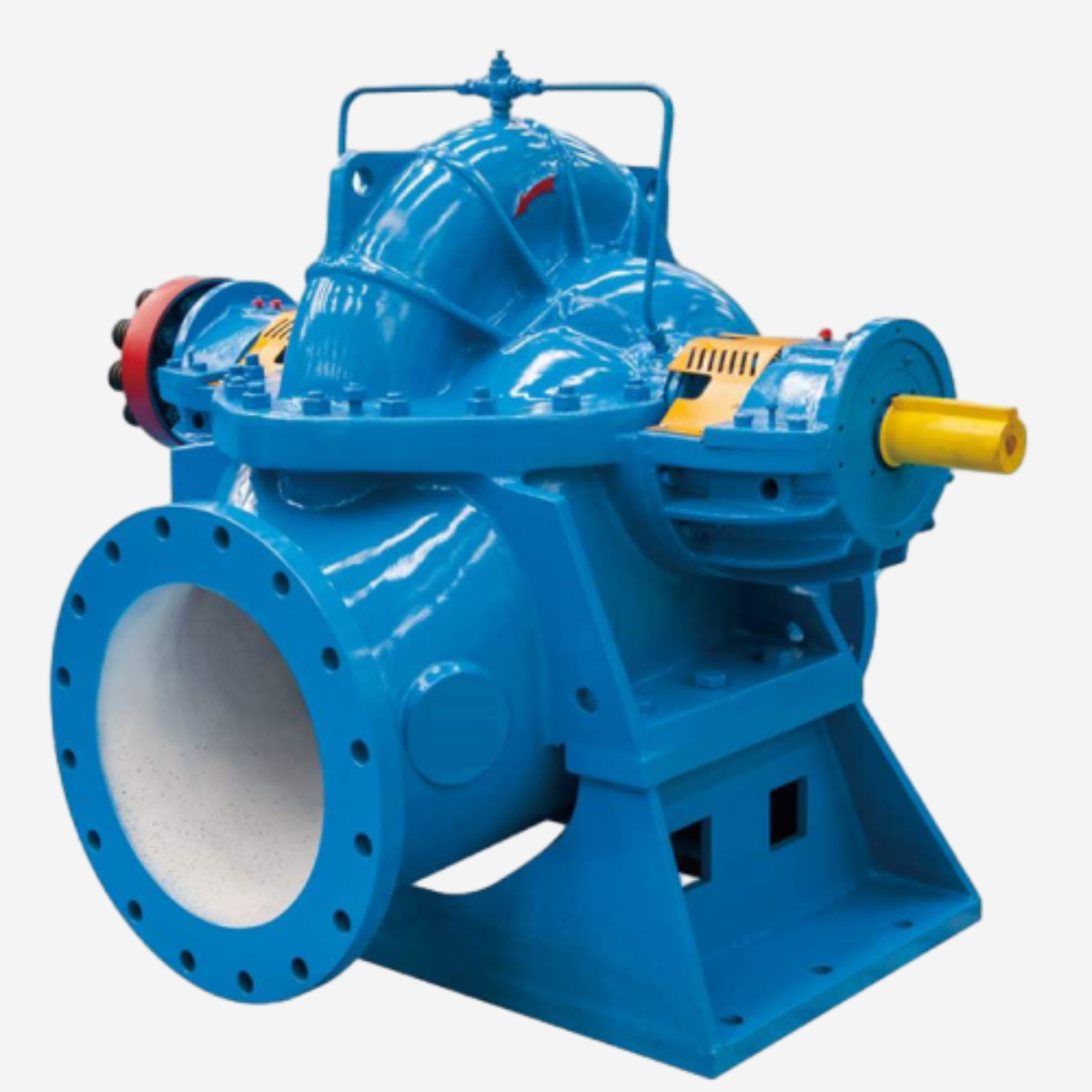
Introduction
Centrifugal pumps designed for the chemical industry represent a critical component in numerous processes, facilitating the transfer of a diverse range of fluids – from highly corrosive acids and alkalis to viscous polymers and delicate chemical intermediates. Unlike pumps utilized in water treatment or general industrial applications, chemical pumps are specifically engineered to withstand the aggressive nature of process chemicals, ensuring both operational reliability and process integrity. Their technical position lies within the fluid handling segment of the chemical process chain, directly impacting reactor feed rates, product transfer, and waste stream management. Core performance characteristics center around material compatibility, seal-less design options for zero leakage, and the ability to maintain consistent flow rates and pressures despite varying fluid properties and process conditions. The primary pain points in this industry revolve around preventing catastrophic failure due to corrosion, ensuring compliance with stringent environmental regulations regarding fugitive emissions, and minimizing downtime associated with pump maintenance and repair. Selecting the appropriate pump is therefore paramount, requiring a thorough understanding of the chemical composition of the fluid being pumped, operating temperature and pressure, and the required flow rate and head.
Material Science & Manufacturing
The performance and longevity of a chemical pump are fundamentally dictated by the materials of construction. Common wetted parts are fabricated from alloy steels (316/316L stainless steel being prevalent for moderate corrosion resistance), duplex stainless steels (offering enhanced resistance to chloride stress corrosion cracking), nickel alloys (Hastelloy, Inconel, Monel for extreme corrosion environments), and polymeric materials like PTFE (Teflon), PFA, and PVDF. These materials offer varying degrees of resistance to acids, bases, solvents, and oxidizing agents. The manufacturing process often begins with casting or forging of the pump housing and impeller. For metallic components, precision machining is critical to ensure tight tolerances and proper alignment. Welding procedures, when employed, must adhere to strict standards (e.g., ASME Section IX) to maintain material integrity and prevent corrosion initiation at weld points. Polymeric components are typically manufactured via injection molding or machining from solid stock. A critical parameter in polymer processing is ensuring complete material fusion and avoiding stress concentrations. Shafts are frequently produced from high-strength alloy steels and undergo heat treatment to achieve optimal hardness and wear resistance. Mechanical seals are a key area of focus; seal faces are commonly composed of silicon carbide, tungsten carbide, or ceramics, paired with elastomers like Viton, EPDM, or Kalrez based on chemical compatibility. Manufacturing tolerances for seal faces are in the micron range to ensure effective sealing. Quality control during manufacturing includes non-destructive testing (NDT) such as radiography, ultrasonic testing, and dye penetrant inspection to detect internal flaws and surface defects. Coating technologies, like PTFE lining, are also applied to the pump housing and impeller to enhance corrosion resistance.
Performance & Engineering
The performance of a chemical pump is defined by its hydraulic power, efficiency, and ability to handle specific fluid properties. Force analysis involves calculating the radial and axial thrust loads acting on the impeller and shaft, which are influenced by fluid velocity, pressure differentials, and impeller geometry. Pump curves, generated through hydraulic testing, illustrate the relationship between flow rate, head (pressure), and power consumption. Cavitation, a common performance issue, occurs when the absolute pressure at the pump inlet falls below the vapor pressure of the fluid, leading to bubble formation and subsequent implosion, causing erosion of the impeller. Net Positive Suction Head Required (NPSHr) is a critical parameter to prevent cavitation and must be carefully matched to the Net Positive Suction Head Available (NPSHa) in the system. Environmental resistance is vital; pumps operating in hazardous areas must comply with ATEX or IECEx standards for explosion protection, requiring intrinsically safe designs or explosion-proof enclosures. Compliance also extends to environmental regulations concerning fugitive emissions; pumps employing mechanical seals or sealless magnetic drive technology are preferred to minimize leakage. The selection of the pump type (centrifugal, positive displacement, diaphragm) is dictated by the fluid viscosity, solids content, and required flow rate. For highly viscous fluids, positive displacement pumps offer superior performance. Finite Element Analysis (FEA) is frequently employed during the design phase to optimize pump component geometry, minimize stress concentrations, and predict fatigue life. Hydrodynamic analysis using Computational Fluid Dynamics (CFD) is used to optimize impeller design and improve pump efficiency.
Technical Specifications
| Parameter | Unit | Value (Typical) | Notes |
|---|---|---|---|
| Flow Rate | m³/hr | 1-500 | Dependent on pump size and impeller design |
| Head (Pressure) | m | 10-150 | Maximum discharge pressure capability |
| Fluid Temperature | °C | -60 to 200 | Material limitations apply; PTFE can handle higher temperatures. |
| Viscosity | cP | 1-5000 | Higher viscosity fluids require specialized pump designs. |
| Material of Construction (Housing) | - | 316 Stainless Steel, Hastelloy C-276, PTFE Lined | Selection based on chemical compatibility. |
| Seal Type | - | Mechanical Seal (SiC/SiC, PTFE), Magnetic Drive | Zero leakage options available. |
Failure Mode & Maintenance
Common failure modes in chemical pumps include corrosion-induced degradation of wetted parts, mechanical seal failure leading to leakage, impeller erosion due to abrasive particles, bearing failure due to lubrication issues or excessive load, and cavitation damage. Corrosion manifests as pitting, crevice corrosion, or uniform thinning of material. Fatigue cracking can occur in the pump housing or impeller due to cyclic loading and stress concentrations. Delamination of polymeric linings can result from improper adhesion or exposure to incompatible chemicals. Oxidation of metallic components at high temperatures can reduce material strength and increase corrosion susceptibility. Preventive maintenance is critical. Regular inspection of seals, bearings, and impeller condition is recommended. Lubrication schedules must be strictly adhered to, using appropriate lubricants compatible with the operating environment. Vibration analysis can detect early signs of bearing failure or impeller imbalance. For mechanical seals, proper flushing and cooling are essential to prevent overheating and premature wear. When failures occur, root cause analysis is crucial to identify the underlying problem and implement corrective actions. This may involve material upgrades, design modifications, or changes in operating procedures. Regularly scheduled overhaul and replacement of critical components, based on operating hours and fluid characteristics, will extend the pump’s service life. Implementation of a Condition Monitoring System (CMS) can provide real-time data on pump performance and alert operators to potential issues before they escalate into catastrophic failures.
Industry FAQ
Q: What material is best suited for pumping concentrated sulfuric acid?
A: Concentrated sulfuric acid is extremely corrosive. Typically, Hastelloy C-276 or PTFE-lined pumps are recommended. The specific concentration and temperature of the sulfuric acid will dictate the optimal material selection; higher concentrations and temperatures necessitate the use of more resistant alloys. Standard stainless steel grades are not suitable.
Q: How do I prevent cavitation in a pump handling a low NPSHa fluid?
A: Increasing the suction pressure, reducing the fluid temperature (which lowers vapor pressure), or reducing the flow rate can improve NPSHa. Alternatively, a pump with a lower NPSHr can be selected. Ensure that suction piping is adequately sized to minimize pressure drop and avoid restrictions. Consider elevating the pump relative to the fluid source.
Q: What are the benefits of using a sealless magnetic drive pump?
A: Sealless magnetic drive pumps eliminate the potential for leakage associated with mechanical seals, making them ideal for handling hazardous or environmentally sensitive fluids. They also reduce maintenance requirements as there are no seals to replace. However, they may have lower efficiency and higher cost compared to mechanically sealed pumps.
Q: What should I consider when selecting a pump for a fluid containing abrasive solids?
A: Select a pump designed for handling solids, such as a slurry pump. Consider using a pump with a hardened impeller and casing to resist erosion. Proper filtration or screening of the fluid can reduce the solids content and extend pump life. Abrasive wear is a common issue; regular inspection of the impeller and casing is crucial.
Q: How important is proper pump alignment, and what are the consequences of misalignment?
A: Proper pump alignment is critical for extending bearing life and preventing premature seal failure. Misalignment introduces radial loads on the bearings, leading to overheating and wear. It can also cause excessive vibration, contributing to seal damage and potentially leading to catastrophic pump failure. Laser alignment tools are recommended for precise alignment.
Conclusion
The selection and maintenance of pumps for the chemical industry demand a rigorous approach grounded in materials science, engineering principles, and a thorough understanding of process chemistry. Prioritizing material compatibility, understanding the nuances of pump performance characteristics (NPSHr, head, flow rate), and implementing robust preventive maintenance programs are essential for ensuring operational reliability, minimizing downtime, and upholding stringent safety and environmental standards. The advancements in pump technology, particularly in sealless designs and materials of construction, continue to offer solutions to the evolving challenges faced by the chemical processing industry.
Future trends indicate a growing emphasis on digitalization and predictive maintenance, leveraging sensor data and machine learning algorithms to optimize pump performance and proactively identify potential failures. Integration with process control systems will enable real-time monitoring and automated adjustments to maintain optimal operating conditions. Furthermore, the development of new materials with enhanced corrosion resistance and improved mechanical properties will contribute to longer pump life and reduced maintenance costs. Selecting the correct pump is not simply a capital expenditure but a strategic decision impacting overall process efficiency and long-term operational sustainability.
-
Precision at the Pump: How Better Machining Protects Flow and Uptime
News2026-11-20
-
Why Pump Reliability Begins Before the First Drop of Fluid
News2026-11-20
-
Beyond the Pump: Designing Safer Access Around Critical Water Infrastructure
News2026-11-20
-
Why Pumping Stations Depend on the Infrastructure Beneath the Pumps
News2026-11-20
-
Beyond the Pump Room: How Smarter Loading Protects Industrial Equipment
News2026-11-19
-
When Pumps Stop: Designing More Resilient Power for Critical Pumping Systems
News2026-11-19
-
The Hidden Role of Dust and Gas Monitoring in Reliable Pump Operations
News2026-11-19
-
The Hidden Role of Mineral Compounds in Extending Industrial Pump Lifespan
News2026-10-12
-
Why Pump System Reliability Depends on Precision Hose Assembly Methods
News2026-09-15
-
How Advanced Imaging Films Are Transforming Pump Component Quality Control
News2026-08-25
-
How Advanced Filtration Protects Pump Systems from Premature Wear and Costly Downtime
News2026-08-25
-
How Steel Material Selection Drives Pump Reliability in Heavy-Duty Systems
News2026-08-25
-
Ensuring Pump System Efficiency: The Role of High-Quality Pipe Fittings and Tubing
News2026-08-24
-
Optimizing Fluid Dynamics and Material Consistency in Industrial Processing
News2026-08-18
-
Innovations and Challenges in Hydraulic Systems for Heavy Machinery
News2026-08-13




