English
- Afrikaans
- Albanian
- Amharic
- Arabic
- Armenian
- Azerbaijani
- Basque
- Belarusian
- Bengali
- Bosnian
- Bulgarian
- Catalan
- Cebuano
- Corsican
- Croatian
- Czech
- Danish
- Dutch
- English
- Esperanto
- Estonian
- Finnish
- French
- Frisian
- Galician
- Georgian
- German
- Greek
- Gujarati
- Haitian Creole
- hausa
- hawaiian
- Hebrew
- Hindi
- Miao
- Hungarian
- Icelandic
- igbo
- Indonesian
- irish
- Italian
- Japanese
- Javanese
- Kannada
- kazakh
- Khmer
- Rwandese
- Korean
- Kurdish
- Kyrgyz
- Lao
- Latin
- Latvian
- Lithuanian
- Luxembourgish
- Macedonian
- Malgashi
- Malay
- Malayalam
- Maltese
- Maori
- Marathi
- Mongolian
- Myanmar
- Nepali
- Norwegian
- Norwegian
- Occitan
- Pashto
- Persian
- Polish
- Portuguese
- Punjabi
- Romanian
- Russian
- Samoan
- Scottish Gaelic
- Serbian
- Sesotho
- Shona
- Sindhi
- Sinhala
- Slovak
- Slovenian
- Somali
- Spanish
- Sundanese
- Swahili
- Swedish
- Tagalog
- Tajik
- Tamil
- Tatar
- Telugu
- Thai
- Turkish
- Turkmen
- Ukrainian
- Urdu
- Uighur
- Uzbek
- Vietnamese
- Welsh
- Bantu
- Yiddish
- Yoruba
- Zulu

Telephone: +86 13120555503
Email: frank@cypump.com


Apr . 01, 2024 17:55 Back to list
pump for slurry Material Science
Introduction
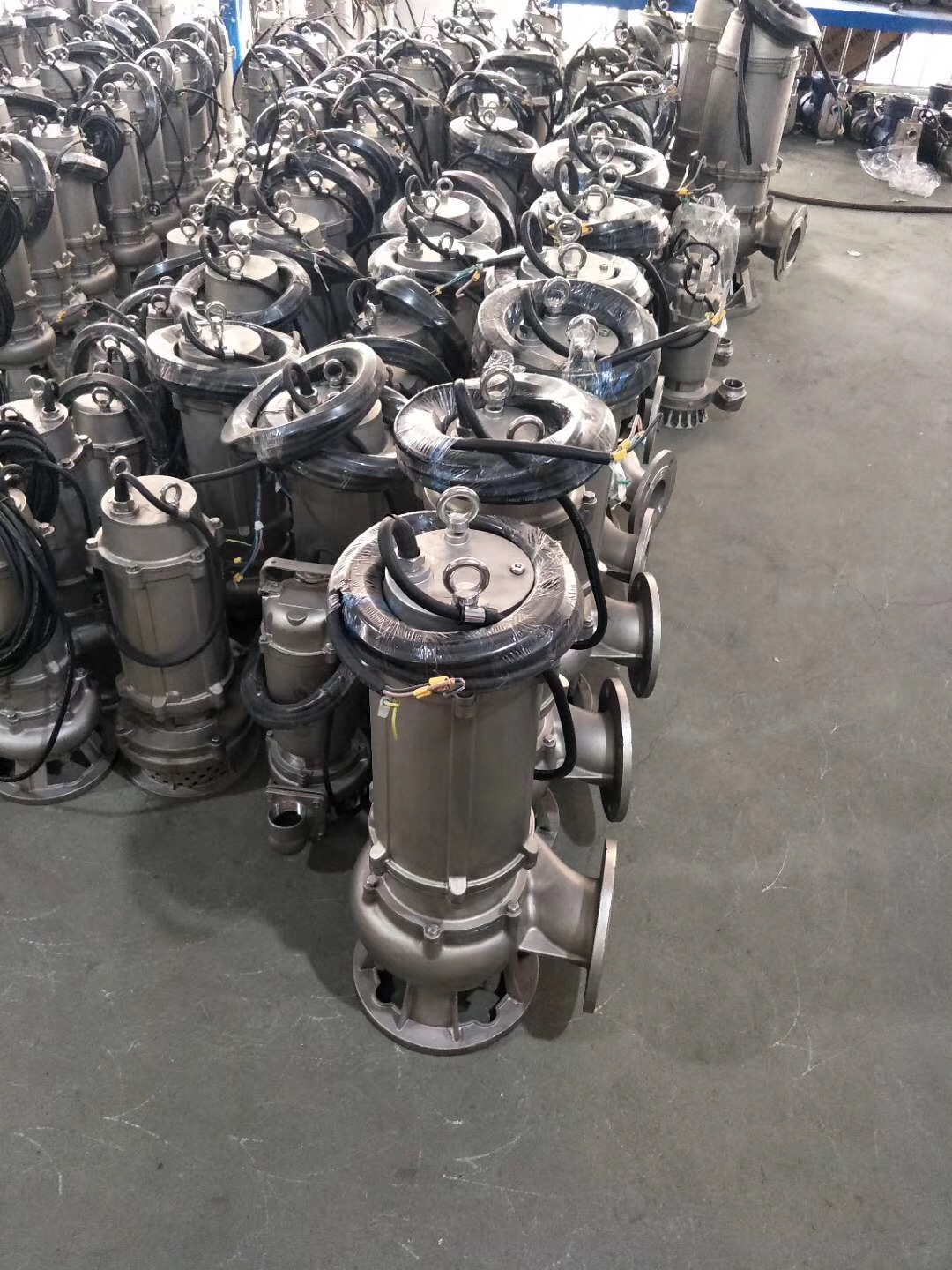
Slurry pumps are engineered to efficiently transport abrasive, corrosive, and highly viscous fluid mixtures – commonly referred to as slurries – across a wide spectrum of industrial applications. Distinct from centrifugal pumps designed for clean fluids, slurry pumps incorporate specific design features to mitigate wear, maintain efficiency, and ensure reliable operation in demanding environments. These applications span mining, wastewater treatment, chemical processing, dredging, and power generation. The performance of a slurry pump is critically determined by factors including slurry composition (solids concentration, particle size distribution, and specific gravity), flow rate, head pressure, and the abrasion resistance of the pump’s internal components. The industry faces persistent challenges regarding pump longevity, energy consumption, and maintenance costs, particularly when handling highly abrasive or chemically aggressive slurries. This guide will provide an in-depth analysis of slurry pump technology, covering material science, manufacturing processes, performance characteristics, failure modes, and relevant industry standards.
Material Science & Manufacturing
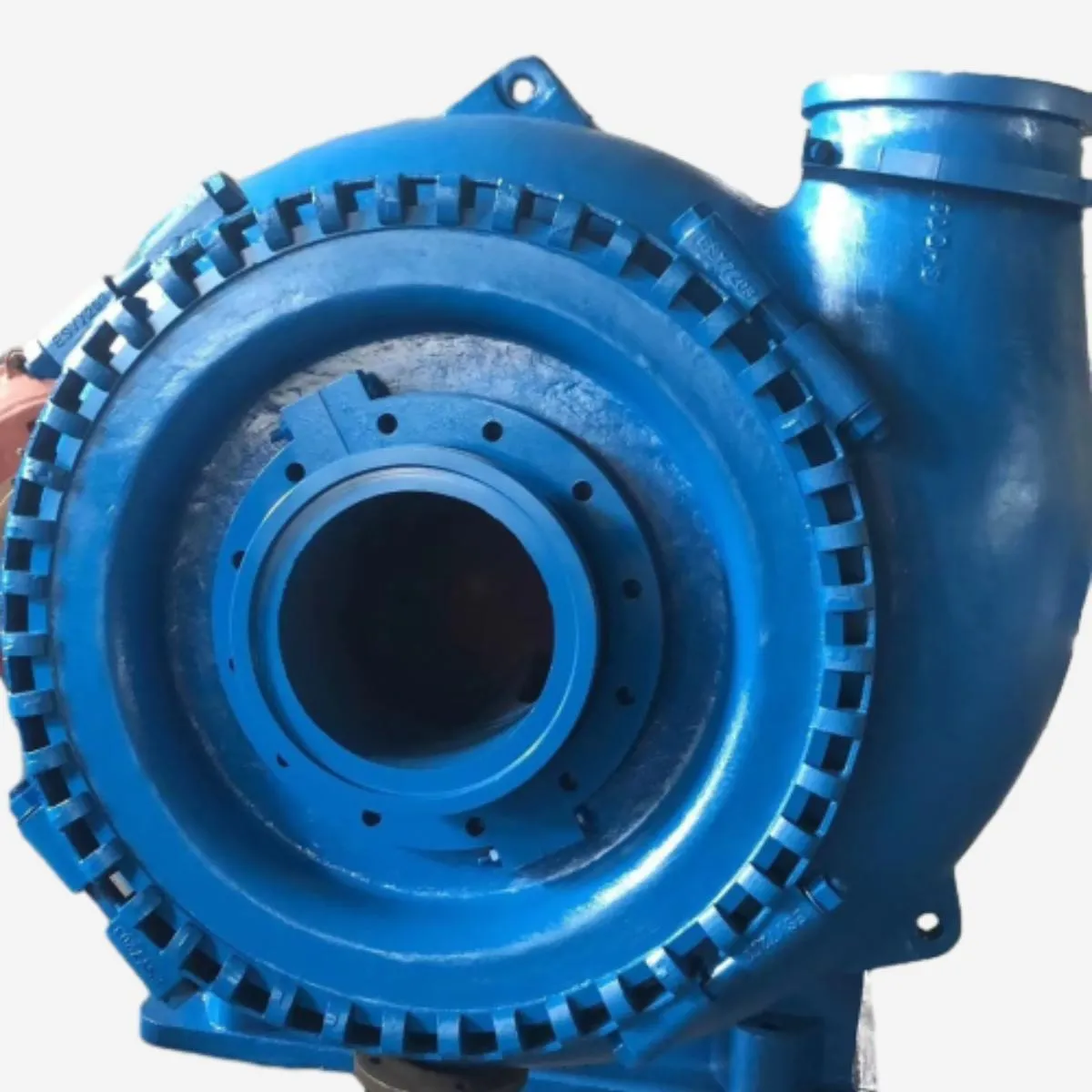
The construction of slurry pumps necessitates a careful selection of materials resistant to abrasion, corrosion, and erosion. Common materials include high-chrome cast irons (typically 27-30% chromium content) which offer exceptional hardness and wear resistance, especially against abrasive solids. These alloys form hard carbides during the casting process, significantly extending component life. For highly corrosive environments, duplex stainless steels (e.g., 2205, 2507) and super-austenitic stainless steels are employed due to their superior resistance to pitting, crevice corrosion, and stress corrosion cracking. Elastomeric linings, such as natural rubber and synthetic polymers (e.g., polyurethane, butyl rubber), are frequently used to protect pump casings and impellers from abrasive wear and to dampen noise. Manufacturing processes vary depending on the pump component. Casings are typically manufactured through sand casting, investment casting, or centrifugal casting. Impellers often utilize centrifugal casting for increased density and improved wear resistance. Shafts are forged and subsequently machined to precise tolerances. Welding processes, such as shielded metal arc welding (SMAW) and gas tungsten arc welding (GTAW), are critical for joining components and require strict quality control to ensure weld integrity and prevent porosity. Parameter control during casting (cooling rate, mold material) and welding (heat input, shielding gas composition) are crucial for achieving desired material properties and minimizing defects. The hardness of the chrome iron is critical and controlled through precise carbon content and heat treatment post-casting. The mixing of polymer linings requires careful temperature and mixing ratios to achieve a homogenous and durable layer.
Performance & Engineering
Slurry pump performance is governed by a complex interplay of hydraulic principles and solids transport characteristics. Key performance indicators include flow rate, head (pressure developed), pump efficiency, and solids handling capacity. The pump’s hydraulic design – impeller geometry, casing volute shape, and suction/discharge nozzle configuration – significantly impacts its ability to generate head and maintain efficiency while transporting solids. Force analysis reveals that impeller blades are subjected to both hydrodynamic forces from the slurry and impact forces from solid particles. These forces contribute to abrasive wear and fatigue failure. Environmental resistance is critical, particularly in applications involving extreme temperatures, corrosive atmospheres, or explosive environments. Pumps may require specialized seals, coatings, and materials to withstand these conditions. Compliance requirements vary depending on the industry and location. For example, pumps used in the mining industry must comply with MSHA (Mine Safety and Health Administration) regulations regarding explosion-proof construction and safety features. Wastewater treatment plants often require pumps to meet EPA (Environmental Protection Agency) standards for effluent discharge. Functional implementation dictates the pump’s selection and configuration. Positive displacement pumps (e.g., progressive cavity pumps, diaphragm pumps) are often preferred for highly viscous slurries or applications requiring precise metering. Centrifugal pumps, while more common, necessitate careful impeller selection and speed control to avoid excessive wear and maintain efficiency. Pump selection involves calculating Net Positive Suction Head Required (NPSHr) and ensuring it is less than the Net Positive Suction Head Available (NPSHa) to prevent cavitation.
Technical Specifications
| Parameter | Unit | Typical Range (Centrifugal Slurry Pump) | Typical Range (Positive Displacement Slurry Pump) |
|---|---|---|---|
| Flow Rate | m³/hr | 10 – 1500 | 0.1 – 100 |
| Head | m | 5 – 100 | 2 – 80 |
| Solids Concentration (by weight) | % | Up to 70 | Up to 80 |
| Particle Size | mm | Up to 100 | Up to 200 |
| Pump Efficiency | % | 60 – 85 | 70 – 90 |
| Operating Temperature | °C | -30 – 150 | -20 – 180 |
Failure Mode & Maintenance
Slurry pumps are susceptible to several failure modes, primarily related to wear and corrosion. Abrasive wear is the most common cause of failure, leading to impeller erosion, casing wall thinning, and liner degradation. Fatigue cracking can occur in impeller blades and pump shafts due to cyclic loading from solid particle impacts and hydraulic stresses. Corrosion, particularly in acidic or alkaline slurries, can weaken pump components and accelerate wear. Cavitation, caused by insufficient NPSH, can lead to impeller damage and reduced pump efficiency. Delamination of elastomeric linings is another common failure mode, resulting from improper bonding or exposure to harsh chemicals. Oxidation of metal components, especially at elevated temperatures, can reduce their strength and corrosion resistance. Preventative maintenance is crucial for maximizing pump lifespan. This includes regular inspections for wear, monitoring bearing temperatures and vibration levels, lubricating bearings, and replacing worn liners and impellers. Implementing a robust solids control system upstream of the pump can significantly reduce abrasive wear. Periodic non-destructive testing (NDT) methods, such as ultrasonic testing and radiographic inspection, can detect hidden cracks and defects. Proper pump alignment is essential to minimize bearing loads and vibration. Analyzing wear patterns can identify root causes of failure and guide material selection and pump design improvements.
Industry FAQ
Q: What are the key differences between a centrifugal slurry pump and a positive displacement slurry pump?
A: Centrifugal pumps are generally more suitable for high-flow, low-head applications and can handle a wider range of slurry compositions. However, they are more susceptible to wear and efficiency losses when handling highly viscous slurries or slurries with large solid particles. Positive displacement pumps, such as progressive cavity pumps, excel at handling viscous slurries and provide a consistent flow rate regardless of pressure variations, but typically operate at lower flow rates and can be more sensitive to solid particle size.
Q: How does the solids concentration in a slurry affect pump selection and performance?
A: Higher solids concentrations increase slurry viscosity and abrasive wear. Pumps designed for high solids concentrations typically have larger clearances, more robust impellers, and wear-resistant liners. Selecting a pump with an appropriate flow rate and head is critical to prevent excessive wear and maintain efficiency. The pump’s impeller type needs to be suited for the specific solids loading.
Q: What material is best suited for a slurry pump handling highly corrosive chemicals?
A: Duplex stainless steels (e.g., 2205, 2507) and super-austenitic stainless steels are often preferred for highly corrosive environments. These alloys offer superior resistance to pitting, crevice corrosion, and stress corrosion cracking compared to standard stainless steels. Polymeric linings can also provide a protective barrier against corrosion, but their chemical compatibility must be carefully evaluated.
Q: How can cavitation be prevented in slurry pumps?
A: Cavitation can be prevented by ensuring that the Net Positive Suction Head Available (NPSHa) is greater than the Net Positive Suction Head Required (NPSHr). This can be achieved by lowering the pump’s suction lift, increasing the suction pipe diameter, reducing the slurry temperature, or increasing the system pressure.
Q: What preventative maintenance practices are essential for maximizing slurry pump lifespan?
A: Essential preventative maintenance practices include regular inspections for wear, monitoring bearing temperatures and vibration levels, lubricating bearings, replacing worn liners and impellers, implementing a solids control system upstream of the pump, and performing periodic non-destructive testing. Maintaining accurate records of pump performance and maintenance activities is also crucial.
Conclusion
The selection, operation, and maintenance of slurry pumps are critical considerations for industries handling abrasive and corrosive fluids. Understanding the material science principles governing wear resistance and corrosion prevention, coupled with a thorough grasp of hydraulic performance characteristics, is paramount. Proper pump selection, based on slurry composition, flow rate, head requirements, and environmental conditions, is essential for maximizing pump lifespan and minimizing operational costs. Implementing a robust preventative maintenance program, including regular inspections, lubrication, and component replacement, further contributes to reliable operation and reduced downtime.
Future advancements in slurry pump technology will likely focus on developing more wear-resistant materials, optimizing impeller designs for improved efficiency and solids handling capacity, and incorporating advanced monitoring and control systems for predictive maintenance. Exploring the use of ceramic materials and advanced coatings will also play a vital role in extending pump life and reducing environmental impact. The trend towards remote monitoring and data analytics will enable operators to proactively identify and address potential issues, further optimizing pump performance and reducing overall lifecycle costs.
-
Comprehensive Guide to Waterproof ORings for Optimal Sealing Solutions
News2026-06-09
-
Septic Pump System Performance Analysis
News2026-06-08
-
pump for septic Material Science
News2026-06-08
-
basement sewer pump Performance Analysis
News2026-06-08
-
submerged pump Performance Engineering
News2026-06-08
-
Septic System Pumps Performance Analysis
News2026-06-08
-
septic system pump Material Science and Manufacturing
News2026-06-07
-
pump for septic tank Material Science Manufacturing
News2026-06-07
-
submersible sewage pump Material Science
News2026-06-07
-
Sewage Ejector Material Science and Manufacturing
News2026-06-07
-
Ejection Pump Material Science
News2026-06-07
-
pump submersible Performance Analysis
News2026-06-06
-
ejector pumps Performance Engineering
News2026-06-06
-
basement ejector pump Material Science Manufacturing
News2026-06-06
-
Septic Tanks Pumping Performance Analysis
News2026-06-06




