English
- Afrikaans
- Albanian
- Amharic
- Arabic
- Armenian
- Azerbaijani
- Basque
- Belarusian
- Bengali
- Bosnian
- Bulgarian
- Catalan
- Cebuano
- Corsican
- Croatian
- Czech
- Danish
- Dutch
- English
- Esperanto
- Estonian
- Finnish
- French
- Frisian
- Galician
- Georgian
- German
- Greek
- Gujarati
- Haitian Creole
- hausa
- hawaiian
- Hebrew
- Hindi
- Miao
- Hungarian
- Icelandic
- igbo
- Indonesian
- irish
- Italian
- Japanese
- Javanese
- Kannada
- kazakh
- Khmer
- Rwandese
- Korean
- Kurdish
- Kyrgyz
- Lao
- Latin
- Latvian
- Lithuanian
- Luxembourgish
- Macedonian
- Malgashi
- Malay
- Malayalam
- Maltese
- Maori
- Marathi
- Mongolian
- Myanmar
- Nepali
- Norwegian
- Norwegian
- Occitan
- Pashto
- Persian
- Polish
- Portuguese
- Punjabi
- Romanian
- Russian
- Samoan
- Scottish Gaelic
- Serbian
- Sesotho
- Shona
- Sindhi
- Sinhala
- Slovak
- Slovenian
- Somali
- Spanish
- Sundanese
- Swahili
- Swedish
- Tagalog
- Tajik
- Tamil
- Tatar
- Telugu
- Thai
- Turkish
- Turkmen
- Ukrainian
- Urdu
- Uighur
- Uzbek
- Vietnamese
- Welsh
- Bantu
- Yiddish
- Yoruba
- Zulu

Telephone: +86 13120555503
Email: frank@cypump.com


Apr . 01, 2024 17:55 Back to list
pto slurry pump supplier Performance Analysis
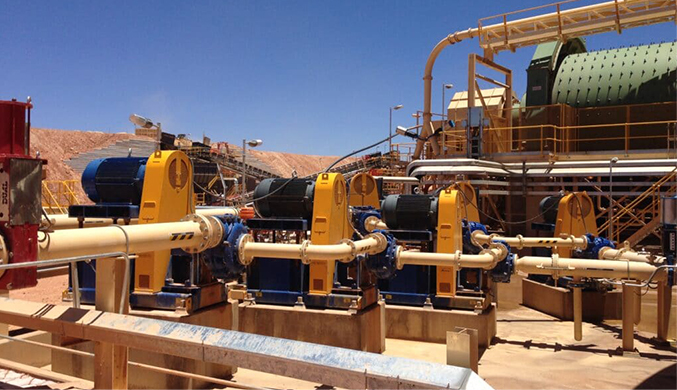
Introduction
PTO (Power Take-Off) slurry pumps are critical components in various industrial applications requiring the transfer of abrasive or dense fluids. These pumps, mechanically driven by a PTO shaft connected to a tractor, engine, or other power source, offer a portable and robust solution for tasks such as agricultural waste management, mining operations, and construction site dewatering. Their technical position within the fluid handling chain resides as a direct-drive positive displacement pump, typically centrifugal or positive displacement, designed to withstand high solids content and demanding operating conditions. Core performance characteristics revolve around flow rate (gallons per minute or liters per minute), head pressure (feet or meters), and solids handling capability (particle size and concentration). A significant challenge for end-users lies in matching pump selection to slurry characteristics to prevent premature wear and maintain operational efficiency. This guide will provide a comprehensive overview of the material science, manufacturing processes, performance parameters, failure modes, and maintenance procedures associated with PTO slurry pumps.
Material Science & Manufacturing
PTO slurry pumps are constructed from a variety of materials selected for their resistance to abrasion, corrosion, and impact. The wetted components – those in direct contact with the slurry – are most critical. Common materials include: High Chrome Iron alloys (typically 13-28% chrome) offering excellent abrasion resistance for handling sand, gravel, and other hard particles; Stainless Steels (304, 316, duplex) providing corrosion resistance for acidic or alkaline slurries; and Rubber Linings (natural rubber, neoprene, EPDM) offering excellent resistance to abrasion and chemical attack, especially for highly abrasive and corrosive mixtures. Pump casings are frequently manufactured from cast iron, ductile iron, or steel. Impellers and volute liners utilize the aforementioned abrasion-resistant alloys or rubber lining. Manufacturing processes vary depending on component complexity. Casings are typically produced using sand casting or investment casting. Impellers are often investment cast for intricate geometries and tight tolerances. Rubber linings are applied through a vulcanization process, ensuring a strong bond to the metal substrate. Key parameter control during manufacturing includes maintaining proper alloy composition, achieving accurate casting dimensions, and ensuring complete rubber lining coverage. Welding, when required, must adhere to AWS D1.1 standards for structural steel welding, employing appropriate filler metals to match base material composition and ensure weld integrity. Heat treatment is crucial for achieving desired material hardness and tensile strength, especially in high-chrome iron components. Non-destructive testing (NDT) methods, such as liquid penetrant inspection and radiographic testing, are employed to detect flaws and ensure structural integrity.
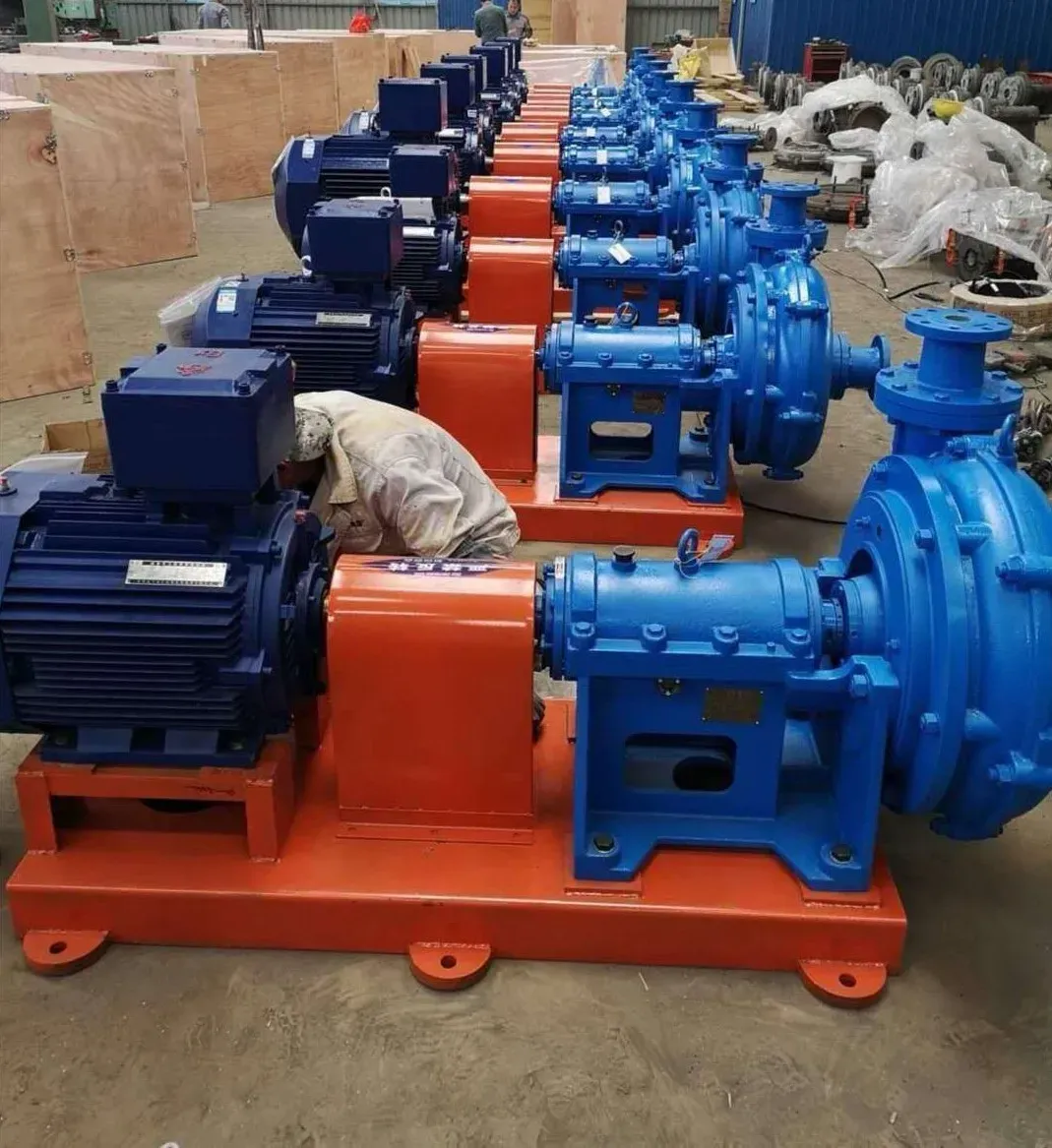
Performance & Engineering
The performance of a PTO slurry pump is governed by several engineering principles. Hydraulic design focuses on maximizing pump efficiency and minimizing wear. Impeller geometry (blade angle, number of blades, impeller diameter) is optimized based on the specific slurry characteristics and required flow rate and head. Volute design is critical for efficient fluid collection and discharge. Force analysis considers the stresses induced by slurry impact, centrifugal forces, and pressure differentials. Proper bearing selection and lubrication are essential to withstand radial and axial loads. Environmental resistance is a key consideration. Pumps operating outdoors must be protected from weather elements, including rain, snow, and UV radiation. Corrosion resistance is paramount when handling aggressive slurries. Compliance requirements vary depending on the application and geographic location. For agricultural applications, adherence to ANSI/ASABE standards is common. Mining applications may require compliance with MSHA (Mine Safety and Health Administration) regulations. Functional implementation requires careful consideration of the PTO shaft's power capacity and rotational speed. Misalignment between the pump and PTO shaft can lead to excessive vibration and premature bearing failure. Proper guard installation is crucial for operator safety. Cavitation, a common issue with centrifugal pumps, must be avoided by ensuring adequate Net Positive Suction Head Available (NPSHa) exceeds Net Positive Suction Head Required (NPSHr). Flow control is often achieved through throttling valves or variable frequency drives (VFDs) on the power source, though throttling increases energy consumption and wear.
Technical Specifications
| Parameter | Unit | Typical Range | Notes |
|---|---|---|---|
| Flow Rate | GPM (Gallons per Minute) | 50-500 | Varies with pump size and impeller diameter |
| Head Pressure | ft (Feet) | 20-200 | Dependent on pump design and slurry density |
| Solids Handling | in (Inches) | Up to 4 | Maximum particle size varies by pump model |
| Pump Type | - | Centrifugal, Positive Displacement | Centrifugal pumps are common for lower viscosity slurries. |
| Casing Material | - | Cast Iron, Ductile Iron, Steel | Material selection based on slurry corrosivity |
| Impeller Material | - | High Chrome Iron, Rubber Lined | Abrasion resistance is critical for impeller material |
Failure Mode & Maintenance
PTO slurry pumps are susceptible to several failure modes. Abrasion is a primary concern, leading to impeller and casing wear. Corrosion can cause material degradation, particularly in acidic or alkaline slurries. Erosion, a combination of abrasion and corrosion, can rapidly damage pump components. Fatigue cracking can occur in the shaft or casing due to cyclic loading. Cavitation, as previously mentioned, damages impeller vanes. Bearing failure results from inadequate lubrication, misalignment, or excessive load. Mechanical seal failure can lead to leakage and reduced pump efficiency. Preventative maintenance is crucial for extending pump life. Regular inspection of wear components (impeller, casing, liners) is essential. Lubrication of bearings must be performed according to manufacturer’s recommendations. Proper alignment of the pump and PTO shaft must be maintained. Regularly check for leaks and address them promptly. Implement a slurry analysis program to understand the abrasive and corrosive properties of the fluid being pumped. For rubber-lined pumps, inspect the lining for cracks or delamination. When replacing components, use OEM-approved parts to ensure compatibility and performance. Record keeping of maintenance activities and pump performance data helps identify trends and predict potential failures. A detailed Failure Mode and Effects Analysis (FMEA) can proactively identify potential failure points and implement appropriate mitigation strategies.
Industry FAQ
Q: What is the impact of slurry solids concentration on pump selection?
A: Higher solids concentrations increase abrasion and require pumps with heavier-duty construction and larger impeller clearances. Pumps designed for low-solids slurries will experience accelerated wear and reduced efficiency when used with high-solids mixtures. Selecting a pump specifically rated for the expected solids concentration is vital.
Q: How do I determine the appropriate PTO shaft RPM for my application?
A: PTO shaft RPM should be matched to the pump’s optimal operating speed. Consult the pump manufacturer’s specifications to determine the recommended RPM range. Running the pump outside of this range can reduce efficiency and increase wear. Consider the available power from the PTO source.
Q: What are the advantages and disadvantages of rubber-lined pumps compared to high-chrome iron pumps?
A: Rubber-lined pumps offer superior resistance to corrosion and abrasion in certain applications, especially with highly abrasive and corrosive slurries. However, they typically have lower temperature limitations and can be more susceptible to damage from sharp objects. High-chrome iron pumps excel in highly abrasive applications without corrosive elements and can withstand higher temperatures.
Q: How do I prevent cavitation in my PTO slurry pump?
A: Ensure adequate NPSHa. This means maintaining sufficient inlet pressure to prevent the liquid from vaporizing. Minimize suction lift. Increase pipe diameter on the suction side. Reduce slurry viscosity. Verify the pump is operating within its designed flow rate.
Q: What are common causes of premature bearing failure in PTO slurry pumps?
A: Misalignment between the pump and PTO shaft is a major cause. Inadequate lubrication, often due to infrequent greasing or using the wrong type of grease, is another. Excessive load from a blocked impeller or high slurry density also contributes to bearing failure.
Conclusion
PTO slurry pumps represent a robust and versatile solution for a wide range of fluid transfer applications. Understanding the underlying material science, manufacturing considerations, and engineering principles is paramount for selecting the optimal pump for a specific task. Careful attention to preventative maintenance, including regular inspections, proper lubrication, and alignment, will significantly extend pump life and minimize downtime.
The long-term success of PTO slurry pump implementation hinges on a comprehensive approach that encompasses proper application analysis, appropriate material selection, diligent maintenance practices, and adherence to relevant industry standards. Investing in quality components and prioritizing preventative maintenance strategies ultimately translates into reduced operational costs and increased productivity.
-
Comprehensive Guide to Waterproof ORings for Optimal Sealing Solutions
News2026-06-09
-
submergable pump Material Science
News2026-06-23
-
sewer injection pump Performance Engineering
News2026-06-23
-
Sewer Ejector Pump System Performance Analysis
News2026-06-23
-
septic tank pump for sale Performance Engineering
News2026-06-23
-
septic pump for sale Performance Engineering
News2026-06-23
-
septic ejector system Performance Analysis
News2026-06-22
-
replace septic pump Performance Analysis
News2026-06-22
-
pump system septic tank Performance Analysis
News2026-06-22
-
lift pump for sewer Performance and Engineering
News2026-06-22
-
industrial submersible water pump Material Science
News2026-06-22
-
industrial submersible pumps Material Science and Manufacturing
News2026-06-21
-
best sewer ejector pump Performance Analysis
News2026-06-21
-
best septic pump Performance Analysis
News2026-06-21
-
1 2 hp septic pump Performance Engineering
News2026-06-21




