English
- Afrikaans
- Albanian
- Amharic
- Arabic
- Armenian
- Azerbaijani
- Basque
- Belarusian
- Bengali
- Bosnian
- Bulgarian
- Catalan
- Cebuano
- Corsican
- Croatian
- Czech
- Danish
- Dutch
- English
- Esperanto
- Estonian
- Finnish
- French
- Frisian
- Galician
- Georgian
- German
- Greek
- Gujarati
- Haitian Creole
- hausa
- hawaiian
- Hebrew
- Hindi
- Miao
- Hungarian
- Icelandic
- igbo
- Indonesian
- irish
- Italian
- Japanese
- Javanese
- Kannada
- kazakh
- Khmer
- Rwandese
- Korean
- Kurdish
- Kyrgyz
- Lao
- Latin
- Latvian
- Lithuanian
- Luxembourgish
- Macedonian
- Malgashi
- Malay
- Malayalam
- Maltese
- Maori
- Marathi
- Mongolian
- Myanmar
- Nepali
- Norwegian
- Norwegian
- Occitan
- Pashto
- Persian
- Polish
- Portuguese
- Punjabi
- Romanian
- Russian
- Samoan
- Scottish Gaelic
- Serbian
- Sesotho
- Shona
- Sindhi
- Sinhala
- Slovak
- Slovenian
- Somali
- Spanish
- Sundanese
- Swahili
- Swedish
- Tagalog
- Tajik
- Tamil
- Tatar
- Telugu
- Thai
- Turkish
- Turkmen
- Ukrainian
- Urdu
- Uighur
- Uzbek
- Vietnamese
- Welsh
- Bantu
- Yiddish
- Yoruba
- Zulu

Telephone: +86 13120555503
Email: frank@cypump.com


Apr . 01, 2024 17:55 Back to list
pto driven slurry pump Performance Analysis
Introduction
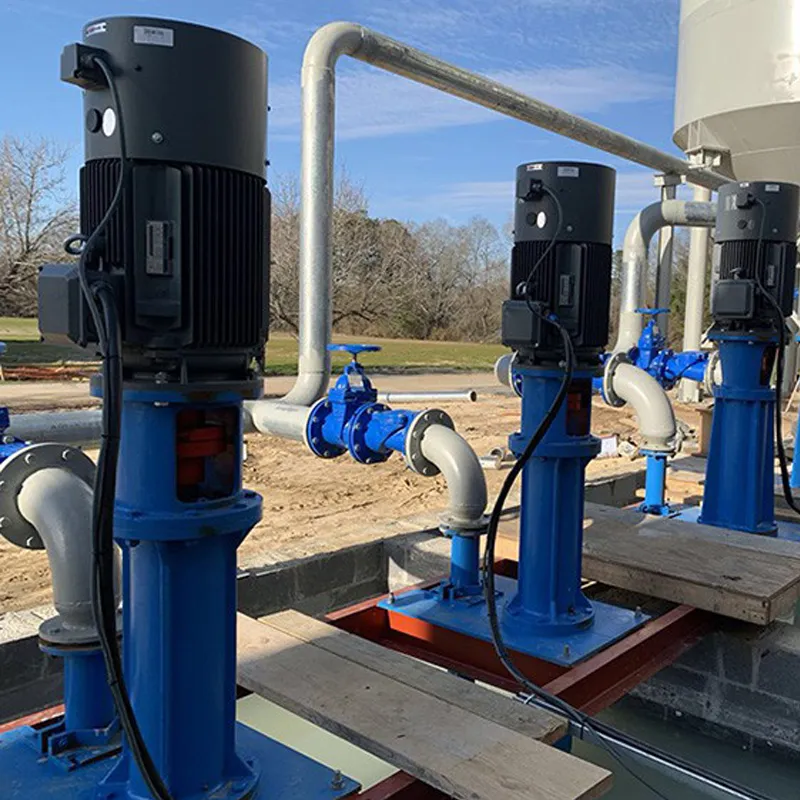
PTO driven slurry pumps are positive displacement pumps designed for the efficient and reliable transfer of abrasive, viscous, or solid-laden fluids. They utilize a power take-off (PTO) shaft connection from a tractor or other engine, providing a cost-effective and mobile pumping solution. Within the agricultural, mining, wastewater, and industrial sectors, these pumps occupy a specific niche where portability and independence from electrical power are paramount. Core performance characteristics revolve around flow rate (gallons per minute or liters per minute), head pressure (feet or meters), and solids handling capability (particle size and concentration). A primary industry pain point is maintaining pump efficiency and longevity when handling highly abrasive materials, leading to accelerated wear and frequent component replacement. Understanding the material science, manufacturing processes, and operational parameters is critical for optimizing performance and minimizing life-cycle costs.
Material Science & Manufacturing
The construction of a PTO driven slurry pump relies on several key materials. Pump housings are typically cast iron (ASTM A48 Class 30) for its affordability and reasonable abrasion resistance. However, for extremely abrasive slurries, high-chrome iron alloys (containing 15-30% chromium) or hardened stainless steels (304, 316) are employed, significantly increasing wear life. Impellers, the critical component for generating flow, are often constructed from similar materials as the housing. The PTO shaft itself is generally manufactured from high-tensile strength steel (AISI 1045 or equivalent), heat treated for durability. Seals are commonly comprised of materials like Viton, EPDM, or PTFE, chosen for their chemical compatibility with the intended slurry. Manufacturing processes begin with casting or forging the housing and impeller components. Critical dimensions are achieved through CNC machining. Impeller balancing is crucial to minimize vibration and ensure smooth operation. Welding, utilizing shielded metal arc welding (SMAW) or gas tungsten arc welding (GTAW), is employed for fabricating certain components. Parameter control during casting (cooling rate, mold material) and welding (heat input, shielding gas) are paramount to prevent defects such as porosity, cracking, or distortion. Surface hardening treatments like induction hardening may be applied to impeller vanes to further enhance abrasion resistance.
Performance & Engineering
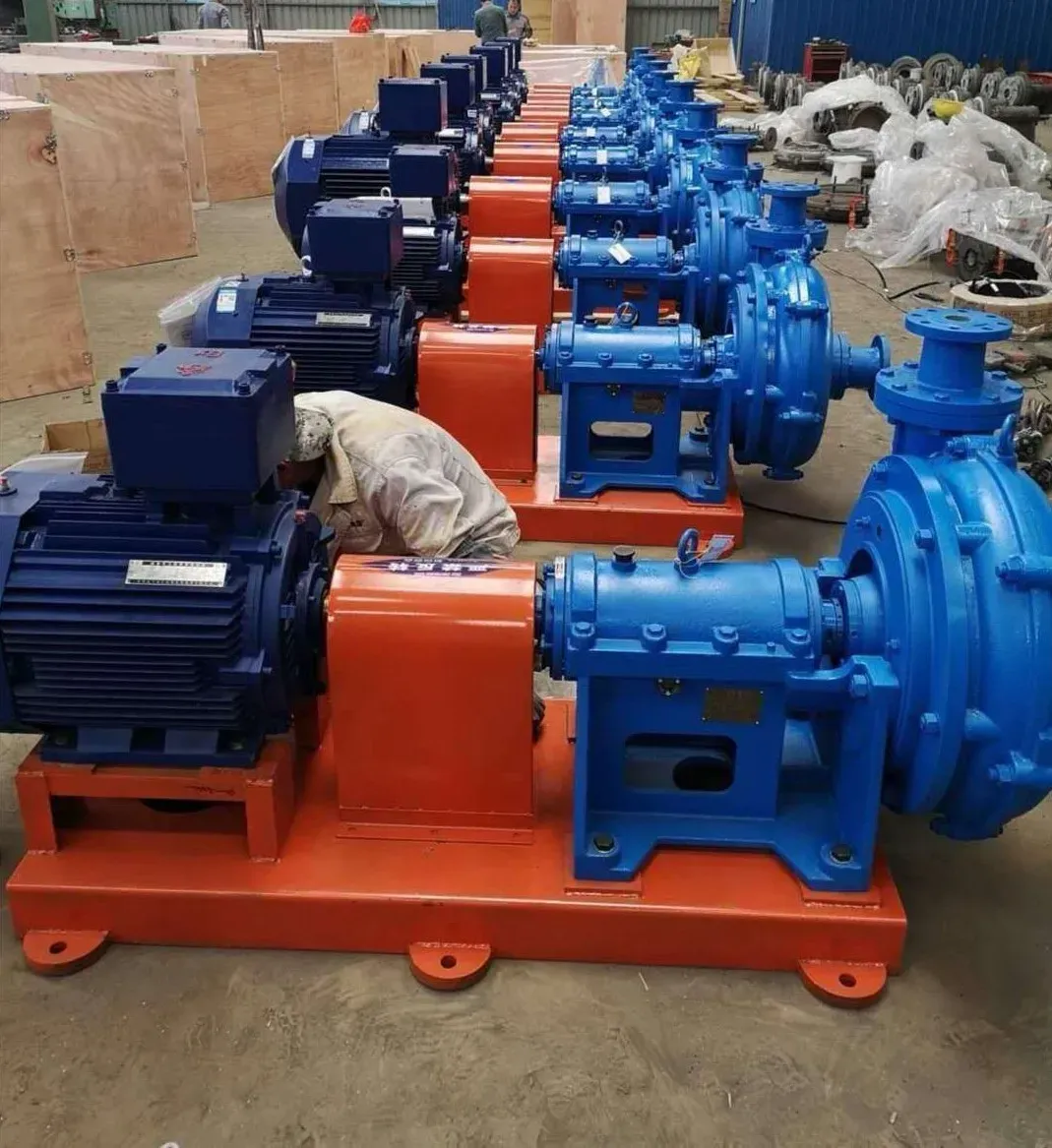
Performance engineering of a PTO driven slurry pump focuses on hydraulic design and mechanical integrity. Force analysis considers not only the static pressures generated by the pump but also the dynamic forces induced by fluid flow and solids impact. Cavitation, a common issue with pumps, must be avoided through proper impeller design and net positive suction head (NPSH) calculations. Environmental resistance is a key factor; pumps operating in harsh climates require corrosion protection (epoxy coatings or specialized alloys). Compliance requirements vary by region, but commonly include safety standards (ISO 12100, ANSI B11.19) relating to guarding and operational procedures, as well as environmental regulations concerning fluid containment and emissions. The PTO shaft connection requires careful engineering to ensure proper torque transmission and prevent slippage or shear failure. Shear stress calculations are crucial for determining the required shaft diameter and keyway dimensions. The pump's volumetric efficiency, hydraulic efficiency, and overall efficiency are optimized through careful selection of impeller geometry, casing design, and clearances. Finite element analysis (FEA) is frequently used to model stress distributions and identify potential failure points.
Technical Specifications
| Parameter | Unit | Typical Range (Agricultural Pump) | Typical Range (Industrial Pump) |
|---|---|---|---|
| Flow Rate | GPM (Gallons per Minute) | 50-200 | 100-500 |
| Head Pressure | ft (Feet) | 20-80 | 50-200 |
| Maximum Solids Handling | inches | 1.5 - 3 | 2 - 6 |
| PTO Horsepower Requirement | HP | 15-40 | 40-100 |
| Pump Housing Material | - | Cast Iron (A48 Class 30) | High-Chrome Iron / Stainless Steel |
| Impeller Material | - | Cast Iron / High-Chrome Iron | High-Chrome Iron / Stainless Steel |
Failure Mode & Maintenance
PTO driven slurry pumps are susceptible to several failure modes. Abrasive wear is the most common, leading to impeller erosion, casing wall thinning, and seal failure. Cavitation, resulting from low NPSH, can cause impeller damage and reduced performance. Fatigue cracking can occur in the PTO shaft or housing due to cyclical loading. Seal failure can lead to leakage and reduced pump efficiency. Corrosion, particularly in aggressive chemical environments, can degrade pump components. Bearing failure is also possible, stemming from improper lubrication or excessive loading. Preventive maintenance is crucial. Regular inspections should focus on checking for wear on the impeller and casing, seal leakage, bearing noise, and PTO shaft condition. Lubrication schedules must be strictly adhered to. The slurry composition should be monitored to identify potentially corrosive or abrasive components. If cavitation is suspected, the suction piping and impeller design should be reviewed. Replacement of worn parts should be performed proactively before catastrophic failure occurs. Periodic vibration analysis can detect early signs of bearing or impeller imbalance. Proper winterization procedures are necessary in cold climates to prevent freezing and damage.
Industry FAQ
Q: What is the impact of slurry composition on pump selection?
A: Slurry composition is the single most important factor. High solids concentration, abrasive particle size, and chemical characteristics dictate material selection (housing, impeller, seals). Higher abrasivity requires high-chrome iron or stainless steel. Corrosive slurries demand corrosion-resistant alloys like 316 stainless steel. Viscosity affects pump performance and requires adjusting impeller design or pump type.
Q: How do I determine the correct PTO horsepower requirement?
A: The required horsepower depends on the flow rate, head pressure, and slurry density. Consult the pump manufacturer's performance curves. Oversizing the PTO horsepower can lead to pump damage due to excessive speed. Undersizing will result in insufficient flow and pressure. A safety factor of 10-20% is generally recommended.
Q: What are the common causes of cavitation in slurry pumps?
A: Cavitation is typically caused by insufficient Net Positive Suction Head (NPSH). This can result from high suction lift, clogged suction lines, or excessively high fluid temperatures. Impeller design also plays a role. Properly sized suction piping and a properly designed impeller are essential to prevent cavitation.
Q: How often should the pump seals be replaced?
A: Seal replacement frequency depends heavily on the slurry abrasiveness and chemical compatibility. In mild applications, seals may last 6-12 months. In aggressive applications, replacement may be required every few weeks. Regular inspection for leakage is crucial.
Q: What safety precautions should be observed when operating a PTO driven slurry pump?
A: Always disconnect the PTO shaft from the tractor before performing any maintenance. Ensure proper guarding is in place to prevent contact with rotating parts. Wear appropriate personal protective equipment (PPE), including safety glasses and gloves. Familiarize yourself with the pump's operating manual and follow all safety instructions.
Conclusion
PTO driven slurry pumps represent a versatile and cost-effective solution for a wide range of fluid transfer applications, particularly when portability and independence from electrical power are essential. Successful operation relies on a thorough understanding of material science, hydraulic principles, and potential failure modes. Careful component selection, proper installation, and diligent maintenance are critical for maximizing pump longevity and minimizing life-cycle costs.
Future advancements in PTO driven slurry pump technology will likely focus on improved impeller designs for enhanced solids handling, the development of more abrasion-resistant materials, and the integration of smart sensors for predictive maintenance. These improvements will further enhance the reliability and efficiency of these pumps, solidifying their position as a vital component in numerous industrial and agricultural operations.
-
Comprehensive Guide to Waterproof ORings for Optimal Sealing Solutions
News2026-06-09
-
submergable pump Material Science
News2026-06-23
-
sewer injection pump Performance Engineering
News2026-06-23
-
Sewer Ejector Pump System Performance Analysis
News2026-06-23
-
septic tank pump for sale Performance Engineering
News2026-06-23
-
septic pump for sale Performance Engineering
News2026-06-23
-
septic ejector system Performance Analysis
News2026-06-22
-
replace septic pump Performance Analysis
News2026-06-22
-
pump system septic tank Performance Analysis
News2026-06-22
-
lift pump for sewer Performance and Engineering
News2026-06-22
-
industrial submersible water pump Material Science
News2026-06-22
-
industrial submersible pumps Material Science and Manufacturing
News2026-06-21
-
best sewer ejector pump Performance Analysis
News2026-06-21
-
best septic pump Performance Analysis
News2026-06-21
-
1 2 hp septic pump Performance Engineering
News2026-06-21




