English
- Afrikaans
- Albanian
- Amharic
- Arabic
- Armenian
- Azerbaijani
- Basque
- Belarusian
- Bengali
- Bosnian
- Bulgarian
- Catalan
- Cebuano
- Corsican
- Croatian
- Czech
- Danish
- Dutch
- English
- Esperanto
- Estonian
- Finnish
- French
- Frisian
- Galician
- Georgian
- German
- Greek
- Gujarati
- Haitian Creole
- hausa
- hawaiian
- Hebrew
- Hindi
- Miao
- Hungarian
- Icelandic
- igbo
- Indonesian
- irish
- Italian
- Japanese
- Javanese
- Kannada
- kazakh
- Khmer
- Rwandese
- Korean
- Kurdish
- Kyrgyz
- Lao
- Latin
- Latvian
- Lithuanian
- Luxembourgish
- Macedonian
- Malgashi
- Malay
- Malayalam
- Maltese
- Maori
- Marathi
- Mongolian
- Myanmar
- Nepali
- Norwegian
- Norwegian
- Occitan
- Pashto
- Persian
- Polish
- Portuguese
- Punjabi
- Romanian
- Russian
- Samoan
- Scottish Gaelic
- Serbian
- Sesotho
- Shona
- Sindhi
- Sinhala
- Slovak
- Slovenian
- Somali
- Spanish
- Sundanese
- Swahili
- Swedish
- Tagalog
- Tajik
- Tamil
- Tatar
- Telugu
- Thai
- Turkish
- Turkmen
- Ukrainian
- Urdu
- Uighur
- Uzbek
- Vietnamese
- Welsh
- Bantu
- Yiddish
- Yoruba
- Zulu

Telephone: +86 13120555503
Email: frank@cypump.com


Apr . 01, 2024 17:55 Back to list
progressive cavity pump for slurry Material Science Manufacturing
Introduction
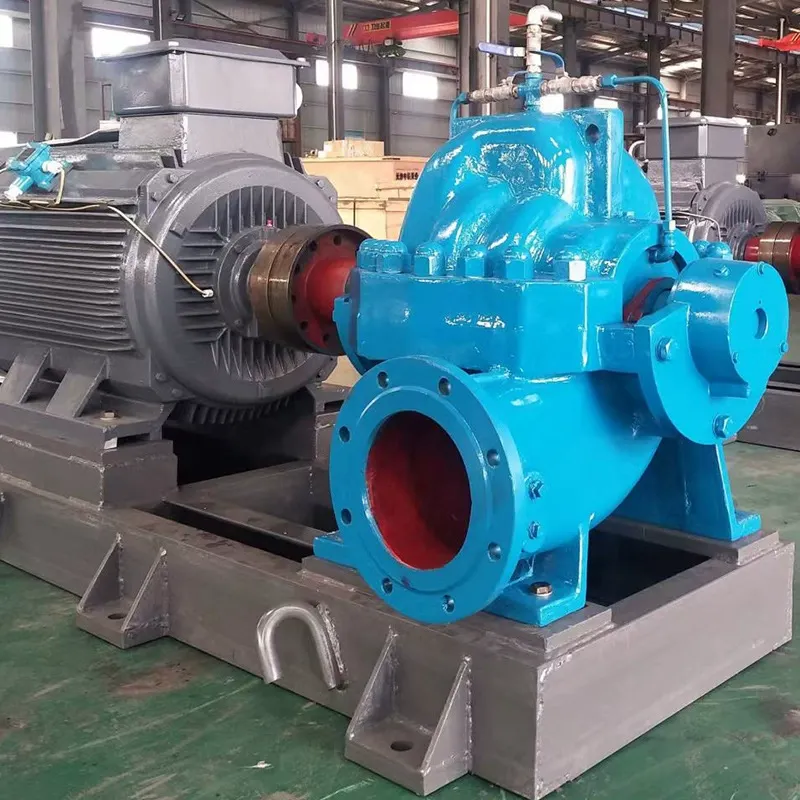
Progressive cavity (PC) pumps are positive displacement pumps specifically engineered for handling abrasive, viscous, or shear-sensitive fluids. Within the slurry handling industry, they occupy a critical niche due to their ability to maintain consistent flow rates regardless of changes in pressure, and their robust performance when conveying fluids containing solids. Unlike centrifugal pumps which are susceptible to performance degradation with increased viscosity or solids content, PC pumps excel in these applications. The core principle involves a single helical rotor rotating eccentrically within a double helical stator, creating progressing cavities that move the fluid axially. This design minimizes shear, making them ideal for polymers, food products, and delicate chemical mixtures, but critically, their ability to handle high solids loading positions them as a primary choice for mining slurries, wastewater treatment, and oil & gas applications. Their performance is characterized by high suction lift capability, low shear rate, and predictable, linear flow, leading to reduced operational costs and enhanced process control when compared to alternative pumping technologies. The increasing demand for efficient and reliable slurry transfer systems across diverse industrial sectors drives the continued development and adoption of PC pump technology.
Material Science & Manufacturing
The performance and longevity of a progressive cavity pump are inextricably linked to the material selection of its core components – the rotor and stator. Rotor materials commonly include carbon steel (typically 4140 or similar alloy steels), stainless steel (304, 316 for corrosion resistance), and specialized alloys such as duplex stainless steel for highly aggressive environments. The steel is typically hardened and tempered to achieve a Rockwell C hardness between 55-65 to resist abrasive wear. Stators, conversely, are almost exclusively elastomeric. The most common elastomer is Nitrile (NBR) due to its cost-effectiveness and general compatibility with a broad range of fluids. However, for more demanding applications, Ethylene Propylene Diene Monomer (EPDM) provides superior resistance to chemicals, heat, and weathering. Viton (FKM) is employed when handling highly corrosive fluids or operating at elevated temperatures. Natural Rubber is utilized for abrasive, non-corrosive slurries.
Manufacturing the stator involves complex molding processes. Precise control of the vulcanization process (temperature, pressure, and time) is paramount to ensure the elastomer achieves the desired hardness, tensile strength, and dimensional accuracy. The helical profile is typically created through a precision machining or casting process followed by extensive quality control checks to verify conformance to design specifications. Rotor manufacturing involves CNC machining, often requiring multiple passes to achieve the complex helical shape. A critical step is heat treatment to induce the desired hardness profile. The fit between the rotor and stator is critically important; maintaining a tight interference fit is vital to create the sealed cavities necessary for efficient pumping. Surface treatments, such as chrome plating or tungsten carbide coatings, are frequently applied to the rotor to enhance wear resistance, particularly when handling highly abrasive slurries. Quality control throughout the manufacturing process includes dimensional inspection, material testing, and hydrostatic pressure testing to ensure the pump meets stringent performance and safety requirements.
Performance & Engineering
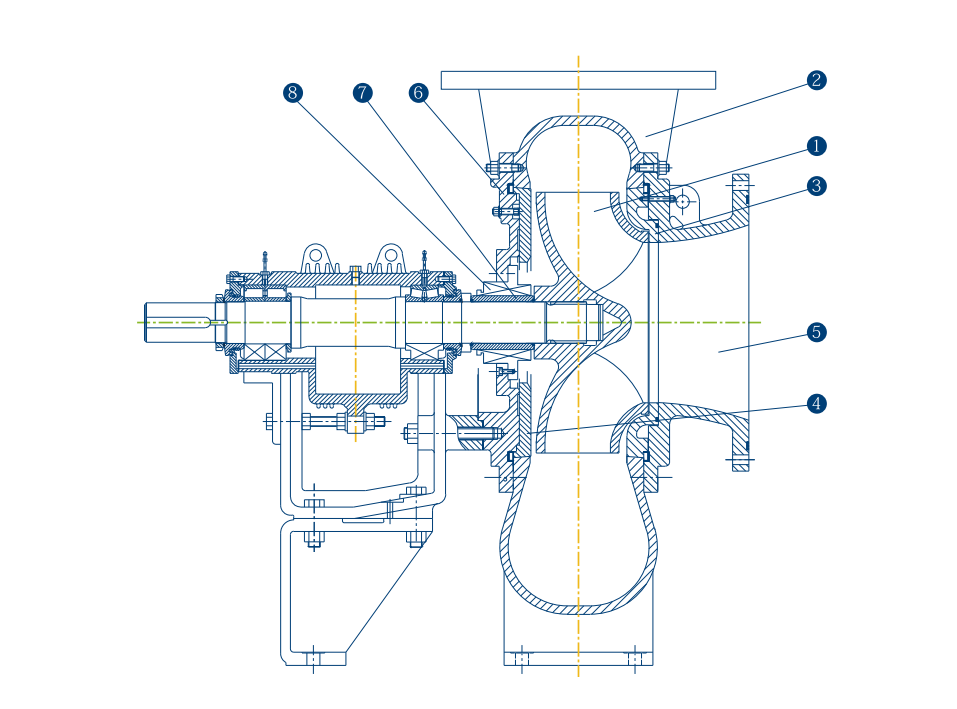
The performance of a progressive cavity pump is fundamentally governed by several key engineering principles. Firstly, the pump's flow rate is directly proportional to its rotational speed. Higher speeds result in greater flow, but also increased wear. Secondly, the pump’s discharge pressure is limited by the interference fit between the rotor and stator and the strength of the elastomer. Exceeding the maximum pressure rating can lead to stator failure. Thirdly, the pump's suction lift capability is determined by atmospheric pressure, the fluid's vapor pressure, and the pump's geometry. Cavitation, a major concern, occurs when the absolute pressure at the suction port falls below the fluid's vapor pressure, forming bubbles that implode and cause erosion of the rotor and stator.
Force analysis is crucial in designing a PC pump for slurry service. The slurry exerts significant radial and axial forces on the rotor and stator due to the solids content and flow velocity. These forces must be accounted for in the pump's mechanical design to prevent premature failure. Environmental resistance is also critical. Exposure to extreme temperatures, UV radiation, and corrosive chemicals can degrade the elastomer stator, reducing its lifespan. Proper material selection and the use of protective coatings can mitigate these effects. Compliance requirements are often dictated by industry-specific regulations. For example, pumps used in the food and beverage industry must comply with FDA regulations regarding material compatibility and sanitary design. Pumps used in oil and gas applications must meet API standards for safety and performance. The selection of appropriate seals, bearings, and drive components is equally vital to ensure reliable operation and minimize maintenance requirements.
Technical Specifications
| Parameter | Unit | Typical Range | Notes |
|---|---|---|---|
| Discharge Pressure (Max) | Bar | 1 - 40 | Dependent on Stator Material |
| Flow Rate | m³/hr | 0.1 - 100 | Influenced by rotor speed and geometry |
| Solids Handling Capability | mm | Up to 75 | Dependent on pump size and design |
| Viscosity Range | cP | 1 – 100,000 | PC pumps excel with high viscosity fluids |
| Temperature Range | °C | -30 to 180 | Limited by stator elastomer |
| Rotor Speed (Max) | RPM | 5 – 300 | Higher speeds increase wear |
Failure Mode & Maintenance
Progressive cavity pumps, while robust, are susceptible to several failure modes, particularly when handling abrasive slurries. The most common failure is stator wear. Abrasive particles embedded within the slurry gradually erode the elastomer, leading to increased clearance between the rotor and stator, reduced pumping efficiency, and ultimately, pump failure. Rotor wear also occurs, but is typically less frequent due to the harder material. Another common failure mode is shear cracking of the stator, often caused by exceeding the pump's pressure rating or operating at excessively high speeds. Fatigue cracking can also occur in the rotor due to cyclic loading. Delamination of the stator can be triggered by improper installation or exposure to incompatible fluids. Oxidation and chemical degradation of the stator material can occur over time, reducing its elasticity and causing it to swell or shrink, leading to reduced performance and eventual failure.
Preventative maintenance is crucial to maximizing the lifespan of a PC pump. Regular inspection of the stator for signs of wear is essential. Monitoring pump vibration and noise levels can provide early warnings of potential problems. Proper lubrication of bearings and seals is vital. Maintaining correct alignment between the pump and the motor prevents excessive stress on the pump components. When replacing the stator, it is critical to select a material that is compatible with the fluid being pumped and to ensure proper installation. Regular cleaning of the pump and surrounding area prevents the buildup of abrasive particles. Analysis of failed components (failure analysis) provides valuable insights into the root cause of failures and can help identify opportunities for improvement. Implementing a scheduled maintenance program based on operating hours or fluid throughput is highly recommended.
Industry FAQ
Q: What is the primary advantage of a PC pump over a centrifugal pump when handling abrasive slurries?
A: Centrifugal pumps experience a significant drop in efficiency and performance as solids content increases, due to impeller erosion and increased hydraulic losses. PC pumps, conversely, maintain a relatively consistent flow rate regardless of solids content, offering superior performance and reliability in abrasive slurry applications. The positive displacement nature and inherent ability to handle solids make them the preferred choice.
Q: How does stator material selection impact the pump’s overall performance and lifespan?
A: Stator material is critical. NBR is cost-effective but has limited chemical resistance. EPDM offers better resistance to chemicals and heat. Viton (FKM) is best for highly corrosive fluids but is more expensive. Selecting the wrong material leads to premature failure due to degradation and swelling. Compatibility charts should be consulted carefully.
Q: What causes cavitation in a PC pump, and how can it be prevented?
A: Cavitation occurs when the suction pressure drops below the fluid’s vapor pressure, forming bubbles. Prevention involves ensuring adequate net positive suction head available (NPSHA) by minimizing suction lift, reducing fluid velocity in the suction line, and avoiding obstructions. Proper pump sizing and operating within the specified performance range are also crucial.
Q: What are the typical wear patterns observed in a PC pump stator, and what do they indicate?
A: Common wear patterns include uniform erosion across the stator lobes (indicating general abrasion), localized wear near the suction or discharge ports (suggesting high velocity or turbulence), and cracking (caused by overpressure or fatigue). Analyzing these patterns helps determine the cause of wear and select the appropriate preventative measures.
Q: What is the role of the interference fit between the rotor and stator, and how is it maintained?
A: The interference fit is critical for creating the sealed cavities that drive the pumping action. It is maintained through precise manufacturing tolerances and proper installation procedures. Thermal expansion/contraction during operation and fluid temperature variations can affect the fit, so careful consideration must be given to operating conditions. Regular inspection is vital.
Conclusion
Progressive cavity pumps represent a highly effective solution for handling challenging slurries across a diverse range of industrial applications. Their unique pumping principle, coupled with careful material selection and robust engineering design, delivers reliable performance, even in demanding environments. Understanding the intricacies of PC pump technology – from material science and manufacturing processes to failure modes and maintenance strategies – is paramount for optimizing pump lifespan and minimizing operational costs.
Future developments in PC pump technology will likely focus on advancements in stator materials to enhance wear resistance and chemical compatibility, as well as the integration of intelligent monitoring systems for predictive maintenance. Continued refinement of rotor coatings and improved sealing technologies will further enhance pump efficiency and reliability. As industries increasingly prioritize sustainable and efficient fluid handling solutions, the role of progressive cavity pumps will undoubtedly continue to grow.
-
Comprehensive Guide to Waterproof ORings for Optimal Sealing Solutions
News2026-06-09
-
submergable pump Material Science
News2026-06-23
-
sewer injection pump Performance Engineering
News2026-06-23
-
Sewer Ejector Pump System Performance Analysis
News2026-06-23
-
septic tank pump for sale Performance Engineering
News2026-06-23
-
septic pump for sale Performance Engineering
News2026-06-23
-
septic ejector system Performance Analysis
News2026-06-22
-
replace septic pump Performance Analysis
News2026-06-22
-
pump system septic tank Performance Analysis
News2026-06-22
-
lift pump for sewer Performance and Engineering
News2026-06-22
-
industrial submersible water pump Material Science
News2026-06-22
-
industrial submersible pumps Material Science and Manufacturing
News2026-06-21
-
best sewer ejector pump Performance Analysis
News2026-06-21
-
best septic pump Performance Analysis
News2026-06-21
-
1 2 hp septic pump Performance Engineering
News2026-06-21




