English
- Afrikaans
- Albanian
- Amharic
- Arabic
- Armenian
- Azerbaijani
- Basque
- Belarusian
- Bengali
- Bosnian
- Bulgarian
- Catalan
- Cebuano
- Corsican
- Croatian
- Czech
- Danish
- Dutch
- English
- Esperanto
- Estonian
- Finnish
- French
- Frisian
- Galician
- Georgian
- German
- Greek
- Gujarati
- Haitian Creole
- hausa
- hawaiian
- Hebrew
- Hindi
- Miao
- Hungarian
- Icelandic
- igbo
- Indonesian
- irish
- Italian
- Japanese
- Javanese
- Kannada
- kazakh
- Khmer
- Rwandese
- Korean
- Kurdish
- Kyrgyz
- Lao
- Latin
- Latvian
- Lithuanian
- Luxembourgish
- Macedonian
- Malgashi
- Malay
- Malayalam
- Maltese
- Maori
- Marathi
- Mongolian
- Myanmar
- Nepali
- Norwegian
- Norwegian
- Occitan
- Pashto
- Persian
- Polish
- Portuguese
- Punjabi
- Romanian
- Russian
- Samoan
- Scottish Gaelic
- Serbian
- Sesotho
- Shona
- Sindhi
- Sinhala
- Slovak
- Slovenian
- Somali
- Spanish
- Sundanese
- Swahili
- Swedish
- Tagalog
- Tajik
- Tamil
- Tatar
- Telugu
- Thai
- Turkish
- Turkmen
- Ukrainian
- Urdu
- Uighur
- Uzbek
- Vietnamese
- Welsh
- Bantu
- Yiddish
- Yoruba
- Zulu

Telephone: +86 13120555503
Email: frank@cypump.com


Apr . 01, 2024 17:55 Back to list
progressive cavity heavy abrasives slurry pump Material Science
Introduction
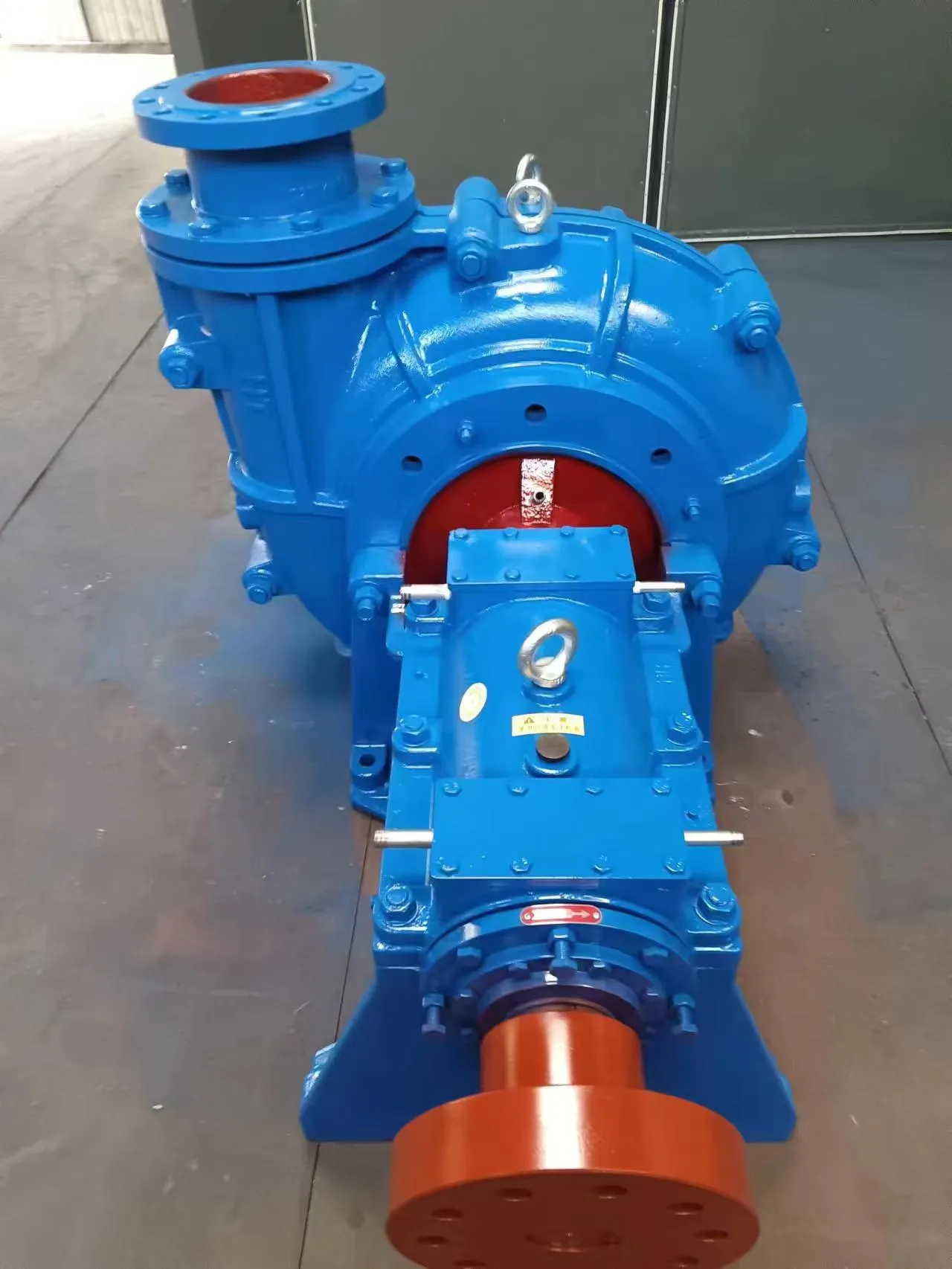
Progressive cavity (PC) pumps are a positive displacement pump type utilized extensively in industrial applications for conveying abrasive, viscous, or shear-sensitive fluids. Specifically, PC pumps designed for heavy abrasive slurries represent a critical component in industries like mining, wastewater treatment, chemical processing, and oil & gas. Their operational principle relies on a single helix rotor rotating eccentrically within a double helix stator, creating sealed cavities that move the fluid axially. Unlike centrifugal pumps, PC pump flow rates are relatively constant regardless of discharge pressure, making them ideal for applications requiring consistent delivery. This guide provides an in-depth technical overview of PC pumps handling heavy abrasive slurries, covering material science, manufacturing, performance characteristics, failure modes, and maintenance strategies. The core pain point addressed is maintaining operational efficiency and longevity while mitigating wear and tear from highly abrasive media, often containing hard particulate matter. Selecting the correct materials and understanding pump parameters are paramount to cost-effective operation.
Material Science & Manufacturing
The performance and lifespan of a PC pump for abrasive slurries are fundamentally dictated by the material selection for the rotor and stator. The rotor is typically manufactured from alloy steels, with common choices including 4140, 8640, and specialized hardened alloys. Heat treatment processes like hardening and tempering are crucial for achieving the necessary Rockwell hardness (HRC) to resist abrasive wear. Stators are commonly composed of elastomers, with Nitrile (NBR), Hydrogenated Nitrile Butadiene Rubber (HNBR), and Ethylene Propylene Diene Monomer (EPDM) being prevalent. Fluoropolymers like Viton are employed in chemically aggressive environments. The manufacturing process for the rotor involves precision machining, often utilizing CNC turning and milling to ensure tight tolerances and accurate helix profiles. Stator manufacturing is primarily a molding process. Raw elastomer compounds are blended with reinforcing fillers like carbon black and silica to enhance abrasion resistance and tensile strength. Vulcanization, a chemical process inducing cross-linking within the elastomer, is critical for achieving the desired physical properties. Precise control of temperature and pressure during vulcanization is essential to avoid defects such as porosity or incomplete curing. Critical parameters during manufacturing include rotor surface finish (Ra < 0.8 µm is typical to minimize friction and wear), stator hardness (Shore A 60-90 depending on application), and dimensional accuracy of the helix profiles. Chemical compatibility between the elastomer stator and the abrasive slurry is paramount; incompatibility can lead to swelling, degradation, and premature failure.
Performance & Engineering
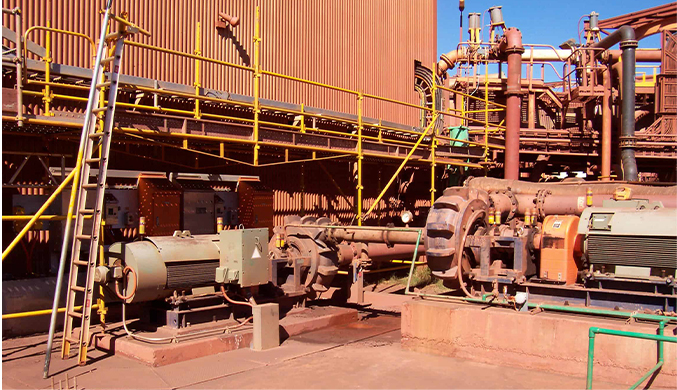
The performance of a PC pump handling abrasive slurries is defined by several key engineering considerations. Flow rate is directly proportional to rotor speed and inversely proportional to the pitch of the rotor. Positive displacement nature results in relatively constant flow regardless of pressure changes, unlike centrifugal pumps. However, increased viscosity or solid concentration will reduce flow. Pressure capability is limited by the pump's mechanical design, particularly the strength of the rotor and stator. The maximum allowable pressure is a function of the elastomer hardness and the rotor material's tensile strength. Shear sensitivity of the slurry must be considered. PC pumps generate relatively low shear rates compared to other pump types, making them suitable for shear-sensitive materials like polymers and some biological suspensions. The hydrodynamic forces generated by the rotating rotor can induce radial loads on the stator. These loads are exacerbated by uneven wear and the presence of large particles in the slurry. Proper bearing design and stator support are crucial to minimize these loads and extend stator life. Cavitation is less of a concern in PC pumps compared to centrifugal pumps due to their positive displacement nature. However, vapor locking can occur if the suction pressure is too low. Force analysis, including bending moments and torsional stresses on the rotor, is essential for ensuring structural integrity. Environmental resistance, including temperature variations and exposure to corrosive agents, must be considered when selecting materials and designing sealing systems. Compliance requirements, such as API 674 (positive displacement pumps) and relevant safety standards, must be met.
Technical Specifications
| Parameter | Unit | Typical Range (Abrasive Slurry Service) | Notes |
|---|---|---|---|
| Flow Rate | GPM (US) | 5 – 500 | Dependent on rotor diameter and speed |
| Discharge Pressure | PSI | 50 – 250 | Limited by stator material and pump design |
| Rotor Speed | RPM | 50 – 300 | Affects flow rate and shear |
| Slurry Specific Gravity | - | 1.2 – 2.0 | Impacts pump loading |
| Solid Concentration (by weight) | % | Up to 80 | Higher concentration increases wear |
| Abrasive Particle Size | µm | Up to 1000 | Larger particles cause accelerated wear |
Failure Mode & Maintenance
Failure modes in PC pumps handling abrasive slurries are predominantly related to wear and erosion. Stator wear is the most common failure point, manifesting as loss of elasticity, groove formation, and eventual perforation. This is caused by the abrasive particles impinging on the elastomer surface. Rotor wear occurs less frequently but is more catastrophic, often involving surface pitting, cracking, or complete material loss. Fatigue cracking can occur in the rotor due to cyclical stress, particularly under high loads or fluctuating flow rates. Delamination of the stator is a less common but serious failure mode, where the elastomer separates from its reinforcing structure. Degradation of the stator elastomer due to chemical attack can cause swelling, softening, and loss of sealing ability. Oxidation of the elastomer can lead to hardening and cracking. Maintenance strategies should prioritize preventative measures. Regular inspections of the stator for wear are crucial. Monitoring pump vibration can provide early warning signs of bearing wear or rotor imbalance. Proper slurry conditioning, including minimizing particle size and removing free water, can reduce abrasive wear. Lubrication of the power end bearings is essential. Periodic replacement of the stator and rotor based on wear rate and operating conditions is necessary. Proper alignment of the pump and drive system is crucial to minimize stress on the components. Flush systems can be implemented to provide a barrier fluid between the rotor and stator, reducing wear and preventing solid build-up.
Industry FAQ
Q: What is the primary factor influencing stator life when pumping highly abrasive slurries?
A: The primary factor is the material hardness and abrasion resistance of the elastomer stator, coupled with the size, shape, and concentration of abrasive particles in the slurry. Higher hardness elastomers generally provide longer life but may be less flexible. Minimizing particle size and controlling slurry concentration significantly reduces wear rates.
Q: How does the rotor material affect pump performance in abrasive applications?
A: The rotor material’s hardness and tensile strength dictate its resistance to erosion and fatigue cracking. Higher hardness alloys offer greater wear resistance, but can be more brittle. The rotor geometry and surface finish also play a vital role in reducing friction and wear.
Q: What are the implications of selecting an incompatible elastomer stator material for a specific slurry?
A: An incompatible elastomer will undergo swelling, softening, or degradation upon contact with the slurry, leading to loss of sealing ability, reduced pump efficiency, and premature failure. Chemical resistance charts should be consulted when selecting stator materials.
Q: What role does pump speed play in abrasive wear?
A: Increasing pump speed generally increases abrasive wear due to the higher frequency of particle impacts on the stator and rotor. Optimizing pump speed to achieve the required flow rate while minimizing wear is critical.
Q: Are there any specific maintenance procedures to prolong the life of a PC pump handling abrasive slurries?
A: Regular inspections of the stator for wear, proper alignment of the pump and drive system, lubrication of bearings, and slurry conditioning (particle size control and water removal) are essential maintenance procedures. Implementing a flush system can also significantly extend pump life.
Conclusion
Progressive cavity pumps represent a robust and reliable solution for handling heavy abrasive slurries across diverse industrial applications. Their positive displacement nature and ability to maintain consistent flow rates make them uniquely suited to these challenging environments. However, maximizing pump lifespan and operational efficiency requires a thorough understanding of material science, manufacturing processes, and performance engineering principles. Careful consideration must be given to the selection of rotor and stator materials, optimizing pump parameters, and implementing preventative maintenance strategies.
Future advancements in PC pump technology will likely focus on developing more wear-resistant elastomer compounds, optimizing rotor geometries to reduce shear stress, and integrating advanced monitoring systems for predictive maintenance. The development of coatings for the rotor and stator to further enhance abrasion resistance is also an area of ongoing research. Continued focus on minimizing environmental impact and optimizing energy efficiency will be critical drivers for innovation in this field.
-
Comprehensive Guide to Waterproof ORings for Optimal Sealing Solutions
News2026-06-09
-
submergable pump Material Science
News2026-06-23
-
sewer injection pump Performance Engineering
News2026-06-23
-
Sewer Ejector Pump System Performance Analysis
News2026-06-23
-
septic tank pump for sale Performance Engineering
News2026-06-23
-
septic pump for sale Performance Engineering
News2026-06-23
-
septic ejector system Performance Analysis
News2026-06-22
-
replace septic pump Performance Analysis
News2026-06-22
-
pump system septic tank Performance Analysis
News2026-06-22
-
lift pump for sewer Performance and Engineering
News2026-06-22
-
industrial submersible water pump Material Science
News2026-06-22
-
industrial submersible pumps Material Science and Manufacturing
News2026-06-21
-
best sewer ejector pump Performance Analysis
News2026-06-21
-
best septic pump Performance Analysis
News2026-06-21
-
1 2 hp septic pump Performance Engineering
News2026-06-21




