English
- Afrikaans
- Albanian
- Amharic
- Arabic
- Armenian
- Azerbaijani
- Basque
- Belarusian
- Bengali
- Bosnian
- Bulgarian
- Catalan
- Cebuano
- Corsican
- Croatian
- Czech
- Danish
- Dutch
- English
- Esperanto
- Estonian
- Finnish
- French
- Frisian
- Galician
- Georgian
- German
- Greek
- Gujarati
- Haitian Creole
- hausa
- hawaiian
- Hebrew
- Hindi
- Miao
- Hungarian
- Icelandic
- igbo
- Indonesian
- irish
- Italian
- Japanese
- Javanese
- Kannada
- kazakh
- Khmer
- Rwandese
- Korean
- Kurdish
- Kyrgyz
- Lao
- Latin
- Latvian
- Lithuanian
- Luxembourgish
- Macedonian
- Malgashi
- Malay
- Malayalam
- Maltese
- Maori
- Marathi
- Mongolian
- Myanmar
- Nepali
- Norwegian
- Norwegian
- Occitan
- Pashto
- Persian
- Polish
- Portuguese
- Punjabi
- Romanian
- Russian
- Samoan
- Scottish Gaelic
- Serbian
- Sesotho
- Shona
- Sindhi
- Sinhala
- Slovak
- Slovenian
- Somali
- Spanish
- Sundanese
- Swahili
- Swedish
- Tagalog
- Tajik
- Tamil
- Tatar
- Telugu
- Thai
- Turkish
- Turkmen
- Ukrainian
- Urdu
- Uighur
- Uzbek
- Vietnamese
- Welsh
- Bantu
- Yiddish
- Yoruba
- Zulu

Telephone: +86 13120555503
Email: frank@cypump.com


Apr . 01, 2024 17:55 Back to list
potable pump Material Science Manufacturing
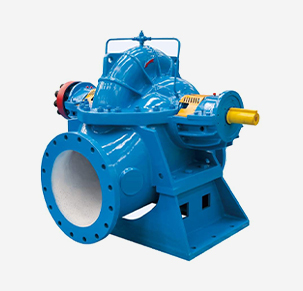
Introduction
Potable pumps, specifically designed for the transfer of water intended for human consumption, represent a critical component within municipal and industrial water distribution systems. Unlike general-purpose pumps, potable pumps must adhere to stringent material and design requirements to prevent contamination and ensure public health. Their technical position resides between water source/treatment and point-of-use, dictating the need for corrosion resistance, low-leaching materials, and hygienic design. Core performance metrics include flow rate (gallons per minute/liters per minute), total dynamic head (TDH – feet/meters), and energy efficiency, all while maintaining the purity of the conveyed water. The escalating demand for potable water, coupled with increasingly strict regulatory standards, drives continuous innovation in potable pump technology, focusing on improved efficiency, durability, and monitoring capabilities. A significant pain point in the industry is the balancing act between cost-effectiveness and full compliance with NSF/ANSI 61 and similar standards.
Material Science & Manufacturing
The selection of materials is paramount in potable pump construction. Pump housings are frequently manufactured from stainless steel alloys (304, 316, and duplex stainless steels) due to their excellent corrosion resistance and mechanical strength. 316 stainless steel offers superior chloride resistance, vital in areas with saline water sources. Impellers, often subject to high stress and erosion, are commonly cast from bronze, stainless steel, or engineered polymers like polypropylene (PP) or polyvinylidene fluoride (PVDF) for specific applications. Seals are critical components, with elastomers like ethylene propylene diene monomer (EPDM) and fluorocarbon rubber (Viton) employed for their chemical compatibility and sealing properties. Manufacturing processes vary depending on component complexity. Pump housings often utilize investment casting or sand casting for intricate shapes, followed by precision machining. Impellers may be produced via centrifugal casting or injection molding for polymer options. Welding processes, such as TIG (Tungsten Inert Gas) welding, are employed for joining stainless steel components, requiring precise parameter control (current, voltage, shielding gas) to prevent weld defects and maintain corrosion resistance. Surface finishing, including passivation for stainless steel, is crucial to eliminate free iron and enhance corrosion protection. Non-metallic components undergo stringent quality control to ensure they meet NSF/ANSI standards for extractable leaching.
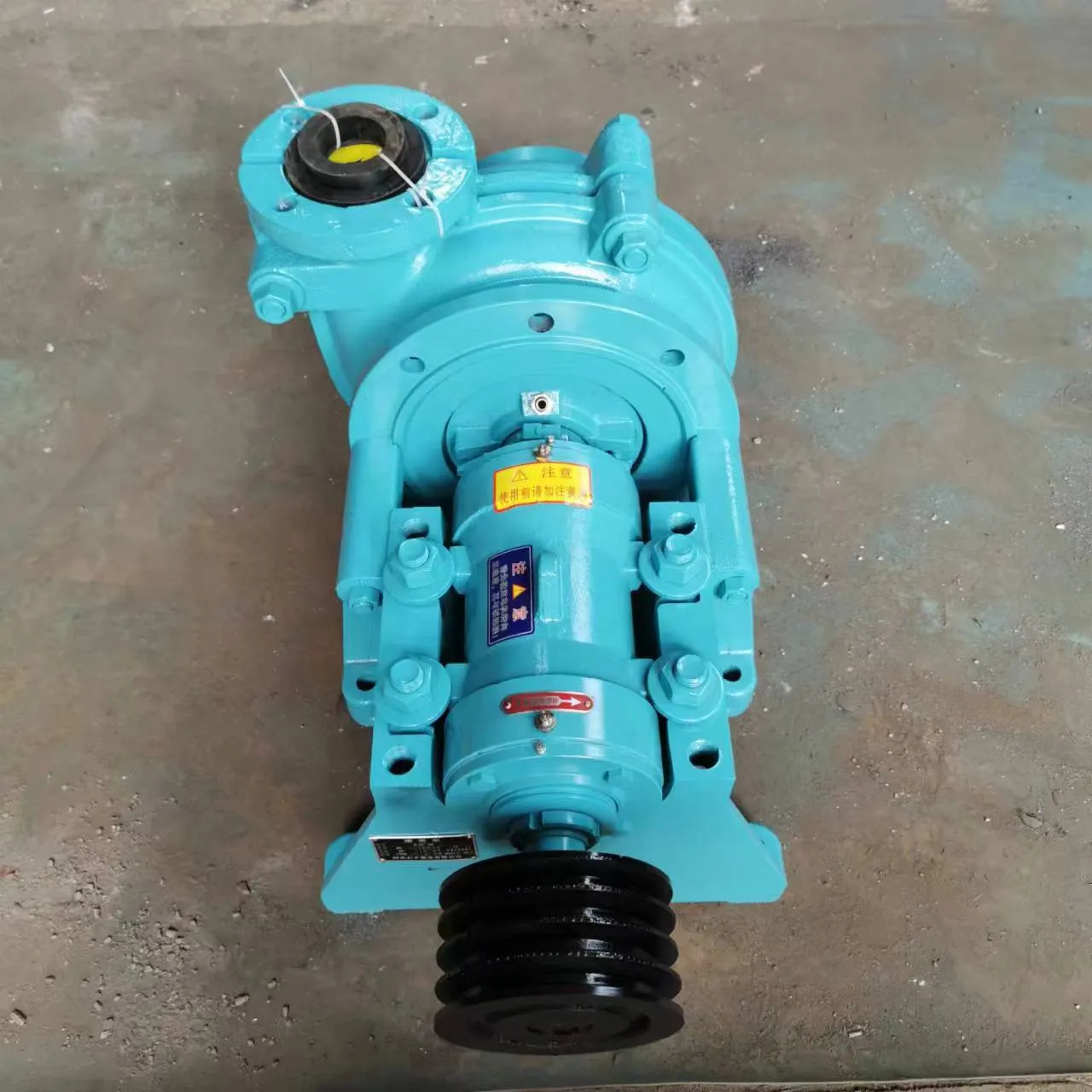
Performance & Engineering
Performance of potable pumps is dictated by hydraulic principles and engineering design. Force analysis considers static and dynamic loads on the impeller and pump housing, factoring in fluid pressure, rotational forces, and potential water hammer effects. Cavitation, a primary concern, occurs when the absolute pressure at the pump inlet drops below the vapor pressure of the liquid, forming vapor bubbles that implode and damage the impeller. Proper Net Positive Suction Head Required (NPSHr) calculations are essential to prevent cavitation. Environmental resistance involves assessing the pump’s ability to withstand operating temperatures, external weather conditions, and potential exposure to corrosive substances. Compliance requirements, notably NSF/ANSI 61 and NSF/ANSI 372, mandate strict material testing for extractables and lead content. Functional implementation involves selecting the appropriate pump type (centrifugal, positive displacement, turbine) based on flow rate, head requirements, and fluid characteristics. Variable Frequency Drives (VFDs) are increasingly utilized to optimize energy efficiency by adjusting pump speed to match demand. Pump curves, providing performance data across a range of flow rates and head pressures, are essential for proper system design and pump selection. Hydraulic Institute (HI) standards provide guidelines for pump performance testing and rating.
Technical Specifications
| Parameter | Centrifugal Pump (Typical) | Diaphragm Pump (Typical) | Submersible Pump (Typical) | Turbine Pump (Typical) |
|---|---|---|---|---|
| Flow Rate (GPM) | 50-500 | 1-100 | 25-200 | 100-1000 |
| Total Dynamic Head (ft) | 50-300 | 20-80 | 50-250 | 100-500 |
| Maximum Operating Pressure (PSI) | 150 | 100 | 200 | 300 |
| Material (Housing) | 316 Stainless Steel | Polypropylene | 304 Stainless Steel | Bronze |
| Material (Impeller/Diaphragm) | Bronze/Stainless Steel | PTFE | Stainless Steel | Stainless Steel |
| Power (HP) | 0.5-10 | 0.25-1 | 0.5-5 | 2-20 |
Failure Mode & Maintenance
Potable pump failures stem from several sources. Corrosion, particularly pitting corrosion in chloride-rich environments, degrades pump housings and impellers. Fatigue cracking can occur in impellers due to cyclical loading and stress concentrations. Erosion, caused by abrasive particles in the water, wears down impeller vanes and pump internals. Seal failures, often stemming from wear or chemical incompatibility, lead to leakage. Cavitation, as previously discussed, causes significant impeller damage. Electrochemical corrosion can occur with dissimilar metal contact in the water. Maintenance strategies focus on preventative measures. Regular inspection for corrosion, erosion, and seal leaks is crucial. Scheduled lubrication of bearings and moving parts reduces friction and wear. Backflushing the pump system removes debris and prevents clogging. Periodic testing of pump performance (flow rate, head pressure) identifies deviations from baseline values, indicating potential issues. For seal failures, replacement with compatible materials is necessary. In cases of significant corrosion or erosion, component replacement is required. Following manufacturer’s recommended maintenance schedules and utilizing water quality analysis to adjust maintenance frequency are essential for maximizing pump lifespan and maintaining potable water quality. Performing regular vibration analysis can indicate bearing wear or impeller imbalance before catastrophic failure.
Industry FAQ
Q: What is the significance of NSF/ANSI 61 certification for potable pumps?
A: NSF/ANSI 61 certification is paramount as it ensures that all components in contact with potable water do not leach harmful levels of contaminants into the water supply. This certification validates that the materials meet stringent health effect standards, protecting public health and adhering to regulatory requirements.
Q: How do you mitigate the risk of cavitation in a potable pump application?
A: Mitigating cavitation involves ensuring adequate Net Positive Suction Head Available (NPSHa) exceeds the pump’s NPSHr. This can be achieved by minimizing suction lift, increasing suction pipe diameter, reducing fluid temperature, and ensuring clean suction lines free from obstructions.
Q: What are the key differences between a centrifugal and a positive displacement pump for potable water transfer?
A: Centrifugal pumps are generally more suitable for high-flow, low-head applications and are cost-effective for large-scale water transfer. Positive displacement pumps excel in low-flow, high-head scenarios, providing precise flow control and handling viscous fluids, but are typically more expensive.
Q: What role does material selection play in preventing corrosion in potable pumps?
A: Material selection is critical. Stainless steel alloys (304, 316) offer robust corrosion resistance, but the specific alloy must be chosen based on the water chemistry (chloride content, pH). Non-metallic components, like those made from polypropylene or PVDF, are resistant to a wide range of chemicals but may have limitations in mechanical strength or temperature resistance.
Q: How do Variable Frequency Drives (VFDs) improve the efficiency of potable pump systems?
A: VFDs allow pump speed to be adjusted to match actual demand, reducing energy consumption and minimizing wear and tear. By avoiding constant-speed operation, VFDs optimize pump performance, lower energy costs, and extend pump lifespan.
Conclusion
Potable pump technology is a multifaceted field demanding meticulous attention to material science, engineering design, and regulatory compliance. The selection process necessitates a thorough understanding of application-specific requirements, including flow rate, head pressure, water quality, and applicable standards like NSF/ANSI 61. Addressing potential failure modes, such as corrosion, cavitation, and seal failures, through preventative maintenance and informed material choices is crucial for ensuring long-term reliability and safeguarding public health.
Future advancements in potable pump technology will likely focus on smart pump systems incorporating remote monitoring, predictive maintenance capabilities, and enhanced energy efficiency features. Continued research into novel materials and coatings will further improve corrosion resistance and extend pump lifespan. The integration of advanced sensor technologies will allow for real-time water quality monitoring, providing valuable data for optimizing system performance and ensuring the consistent delivery of safe, potable water.
-
Precision at the Pump: How Better Machining Protects Flow and Uptime
News2026-11-20
-
Why Pump Reliability Begins Before the First Drop of Fluid
News2026-11-20
-
Beyond the Pump: Designing Safer Access Around Critical Water Infrastructure
News2026-11-20
-
Why Pumping Stations Depend on the Infrastructure Beneath the Pumps
News2026-11-20
-
Beyond the Pump Room: How Smarter Loading Protects Industrial Equipment
News2026-11-19
-
When Pumps Stop: Designing More Resilient Power for Critical Pumping Systems
News2026-11-19
-
The Hidden Role of Dust and Gas Monitoring in Reliable Pump Operations
News2026-11-19
-
The Hidden Role of Mineral Compounds in Extending Industrial Pump Lifespan
News2026-10-12
-
Why Pump System Reliability Depends on Precision Hose Assembly Methods
News2026-09-15
-
How Advanced Imaging Films Are Transforming Pump Component Quality Control
News2026-08-25
-
How Advanced Filtration Protects Pump Systems from Premature Wear and Costly Downtime
News2026-08-25
-
How Steel Material Selection Drives Pump Reliability in Heavy-Duty Systems
News2026-08-25
-
Ensuring Pump System Efficiency: The Role of High-Quality Pipe Fittings and Tubing
News2026-08-24
-
Optimizing Fluid Dynamics and Material Consistency in Industrial Processing
News2026-08-18
-
Innovations and Challenges in Hydraulic Systems for Heavy Machinery
News2026-08-13




