English
- Afrikaans
- Albanian
- Amharic
- Arabic
- Armenian
- Azerbaijani
- Basque
- Belarusian
- Bengali
- Bosnian
- Bulgarian
- Catalan
- Cebuano
- Corsican
- Croatian
- Czech
- Danish
- Dutch
- English
- Esperanto
- Estonian
- Finnish
- French
- Frisian
- Galician
- Georgian
- German
- Greek
- Gujarati
- Haitian Creole
- hausa
- hawaiian
- Hebrew
- Hindi
- Miao
- Hungarian
- Icelandic
- igbo
- Indonesian
- irish
- Italian
- Japanese
- Javanese
- Kannada
- kazakh
- Khmer
- Rwandese
- Korean
- Kurdish
- Kyrgyz
- Lao
- Latin
- Latvian
- Lithuanian
- Luxembourgish
- Macedonian
- Malgashi
- Malay
- Malayalam
- Maltese
- Maori
- Marathi
- Mongolian
- Myanmar
- Nepali
- Norwegian
- Norwegian
- Occitan
- Pashto
- Persian
- Polish
- Portuguese
- Punjabi
- Romanian
- Russian
- Samoan
- Scottish Gaelic
- Serbian
- Sesotho
- Shona
- Sindhi
- Sinhala
- Slovak
- Slovenian
- Somali
- Spanish
- Sundanese
- Swahili
- Swedish
- Tagalog
- Tajik
- Tamil
- Tatar
- Telugu
- Thai
- Turkish
- Turkmen
- Ukrainian
- Urdu
- Uighur
- Uzbek
- Vietnamese
- Welsh
- Bantu
- Yiddish
- Yoruba
- Zulu

Telephone: +86 13120555503
Email: frank@cypump.com


Apr . 01, 2024 17:55 Back to list
piston slurry pumps Performance Analysis and Manufacturing Specifications
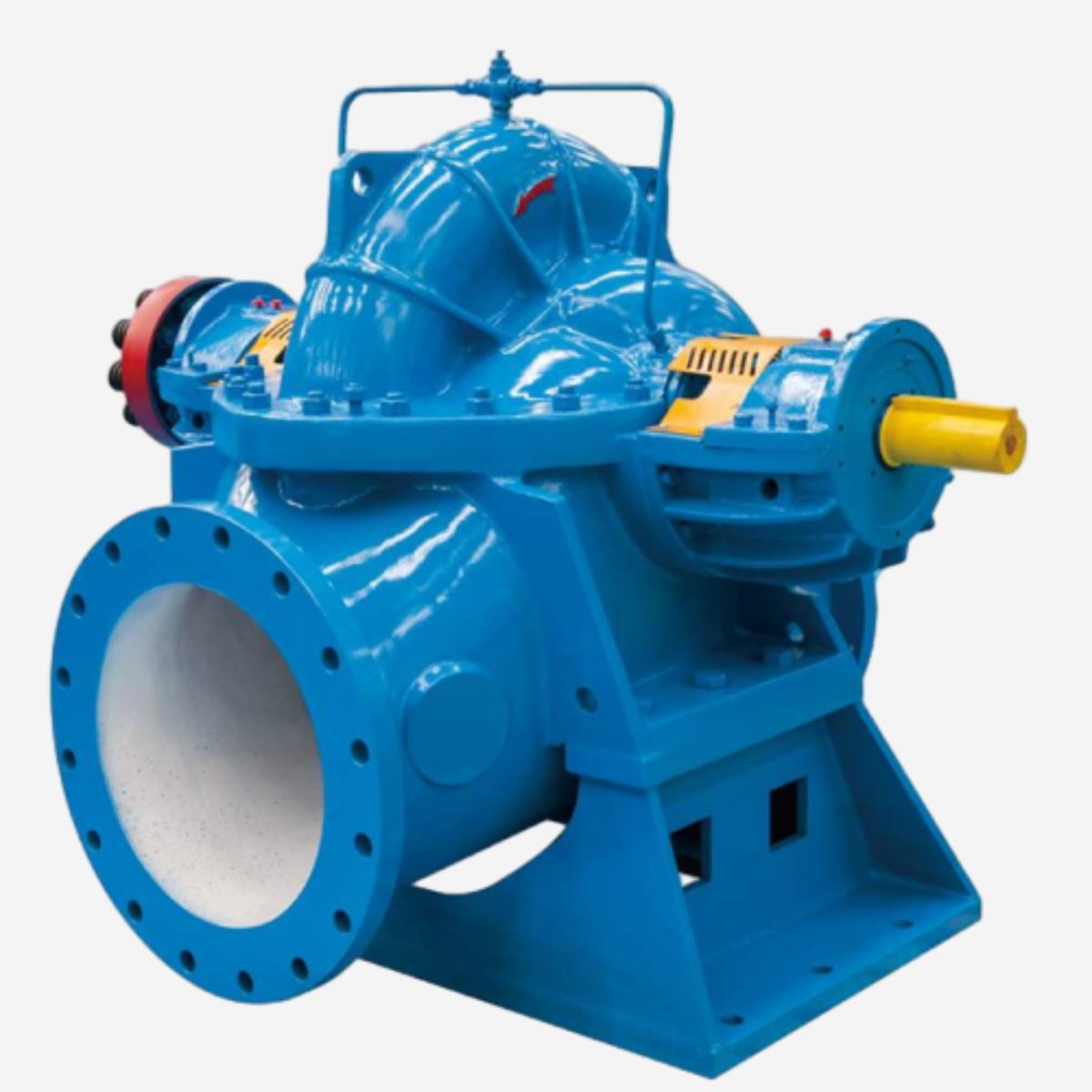
Piston Slurry Pumps Performance Analysis and Manufacturing Specifications
Piston slurry pumps represent a critical category of positive displacement pumps specifically engineered for the transport of high-density, abrasive, and viscous fluids. Unlike centrifugal pumps, which rely on kinetic energy and often suffer from rapid impeller erosion when handling solids, the piston slurry pump utilizes a reciprocating piston to create a positive pressure differential, enabling the movement of slurries with high solid-to-liquid ratios. Within the industrial value chain, these machines serve as the primary conduits for tailings management in mining, chemical processing in mineral beneficiation, and waste sludge transport in municipal treatment plants. The core technical position of the piston slurry pump is defined by its ability to maintain volumetric efficiency under extreme discharge pressures while mitigating the catastrophic effects of abrasive wear on critical sealing surfaces and cylinder liners.
Material Science & Manufacturing
The manufacturing of piston slurry pumps is a study in mitigating tribological wear. The primary engineering challenge lies in the selection of materials for the cylinder liner and the piston plunger, where the interaction between the abrasive slurry and the sliding surface determines the Mean Time Between Failures (MTBF). High-chrome cast irons (ASTM A532) are typically employed for pump housings due to their superior hardness and corrosion resistance. For the cylinder liners, advanced ceramic composites—specifically Alumina (Al2O3) or Zirconia-toughened Alumina (ZTA)—are utilized to provide a surface hardness that exceeds the Mohs hardness of the transported minerals, thereby preventing scouring.
The manufacturing process begins with precision casting and subsequent CNC machining to achieve concentricity tolerances within the micron range. The piston assembly often incorporates a multi-layered sealing system. The primary seal is usually a high-performance polyurethane or reinforced PTFE (Polytetrafluoroethylene) compound, designed to handle the dynamic pressure spikes associated with reciprocating motion. Heat treatment processes, including vacuum quenching and tempering, are applied to the crankshaft and connecting rods to ensure fatigue strength and prevent plastic deformation under peak load conditions. Furthermore, the fluid-end components undergo specialized surface hardening treatments, such as nitriding or plasma spraying, to enhance the boundary lubrication layer and reduce the coefficient of friction between the plunger and the liner.
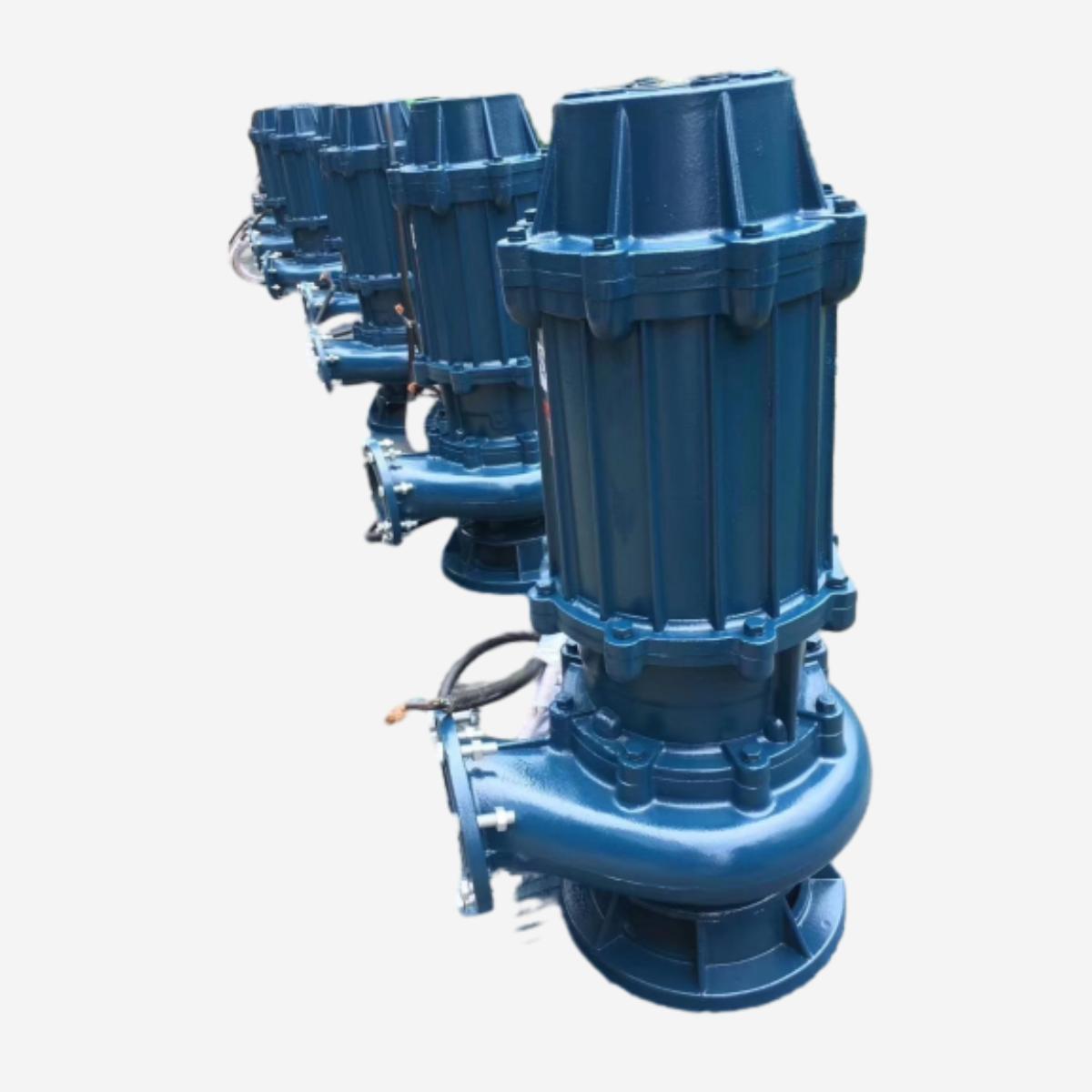
Performance & Engineering
Engineering a piston slurry pump requires a deep analysis of fluid dynamics and force distribution. The pump operates on the principle of volumetric displacement, where the flow rate is a direct function of the piston diameter, stroke length, and cycles per minute. A critical engineering focus is the management of "water hammer" effects and pressure pulsations. To counteract this, hydraulic accumulators and pulsation dampeners are integrated into the discharge manifold, smoothing the flow and preventing fatigue failure in the downstream piping infrastructure.
Force analysis is concentrated on the piston rod's buckling limit and the bearing loads. Because slurry density can fluctuate, the pump must be engineered for a safety factor that accounts for maximum theoretical slurry density (e.g., 1.8 g/cm³). Environmental resistance is achieved through the application of epoxy-based anti-corrosive coatings on the external chassis and the use of stainless steel (AISI 316L) for all fasteners and valve internals. Compliance with international engineering standards ensures that the pump's structural integrity is maintained under extreme hydrostatic pressures, utilizing Finite Element Analysis (FEA) to identify stress concentrations in the pump head and optimize the wall thickness of the pressure vessels.
Technical Specifications
| Performance Parameter | Standard Series (Medium Duty) | Heavy Duty Series | Ultra-High Pressure Series | Testing Standard |
|---|---|---|---|---|
| Max Discharge Pressure | 6.0 MPa | 12.0 MPa | 25.0 MPa | ISO 5199 |
| Max Slurry Density | 1.4 t/m³ | 1.6 t/m³ | 1.9 t/m³ | ASTM D2306 |
| Cylinder Liner Material | High-Chrome Steel | Ceramic Composite | Sintered Tungsten Carbide | ASTM A532 |
| Volumetric Efficiency | > 92% | > 95% | > 97% | API 674 |
| Seal Material | Polyurethane | Reinforced PTFE | Custom Elastomer/Ceramic | DIN 24960 |
| MTBF (Liner Life) | 4,000 Hours | 8,000 Hours | 15,000 Hours | Industry Baseline |
Failure Mode & Maintenance
Failure analysis of piston slurry pumps typically reveals three primary modes of degradation: abrasive wear, cavitation-induced erosion, and seal fatigue. Abrasive wear occurs when fine particulates penetrate the seal interface, acting as a grinding medium that scores the cylinder liner. This leads to "slippage," where the volumetric efficiency drops as fluid leaks back across the piston. Cavitation occurs if the Net Positive Suction Head Available (NPSHa) falls below the Required (NPSHr), leading to the formation of vapor bubbles that implode with sufficient force to pit the metal surfaces of the suction valves.
Maintenance protocols must be rigorous to prevent catastrophic failure. A predictive maintenance strategy involving vibration analysis of the crankshaft bearings and ultrasound testing of the cylinder walls is recommended. Professional maintenance solutions include the implementation of a "flush-water system" that injects clean water into the seal area to create a liquid barrier, preventing slurry particles from contacting the plunger. Additionally, the periodic replacement of check valves and seat rings is mandatory, as these components experience the highest velocity of abrasive impact. When replacing liners, technicians must ensure a surface finish of Ra 0.4 to 0.8 μm to maintain the integrity of the hydraulic seal.
Industry FAQ
Q: How do you determine the optimal piston diameter for a specific slurry viscosity?
A: The piston diameter is determined by calculating the required flow rate against the maximum allowable pump speed. For higher viscosity slurries, we increase the diameter to maintain the flow rate at lower RPMs, which reduces the shear rate of the fluid and minimizes the abrasive velocity at the seal interface, thereby extending the component lifespan.
Q: What is the primary cause of premature seal failure in high-density tailings pumps?
A: The most common cause is "particle embedding," where hard minerals become lodged in the elastomer of the seal, turning the seal itself into an abrasive tool that gouges the plunger. This is mitigated by utilizing hardened ceramic plungers and implementing a high-pressure seal flushing system.
Q: Can piston slurry pumps handle fluids with a pH level below 4.0?
A: Yes, provided that the wetted parts are upgraded from high-chrome steel to Duplex stainless steel or Hastelloy. Standard chrome steels may suffer from pitting corrosion in highly acidic environments, which creates nucleation sites for abrasive wear to accelerate.
Q: How does the pump manage the transition between different slurry concentrations?
A: Piston pumps are naturally suited for varying concentrations because they are positive displacement machines. However, extreme changes in density affect the motor torque requirements. We utilize Variable Frequency Drives (VFDs) and torque monitors to adjust the pump speed in real-time to prevent motor overload during density spikes.
Q: What is the significance of the "dead center" in the piston cycle and how is it engineered out?
A: The dead center is the point where the piston changes direction and torque is momentarily zero, which can cause the pump to stall. This is engineered out by using an offset crankshaft design or a flywheel with high rotational inertia to carry the piston through the transition point seamlessly.
Conclusion
The piston slurry pump is an indispensable piece of industrial machinery that balances the competing requirements of high-pressure delivery and extreme wear resistance. Through the integration of advanced material science—specifically the use of ceramic composites and high-chrome alloys—and rigorous engineering of fluid dynamics, these pumps provide a reliable solution for the most challenging slurry transport applications. The technical superiority of a piston pump over centrifugal alternatives is most evident in its volumetric efficiency and its ability to handle high-solid concentrations without a proportional increase in wear rate.
Looking forward, the industry is moving toward the integration of IoT-enabled sensing for real-time wear monitoring and the development of self-lubricating composite liners. By shifting from reactive to predictive maintenance and further optimizing the tribological interface between the plunger and the cylinder, operators can significantly reduce operational expenditures (OPEX) and increase the overall uptime of mineral processing and waste management circuits.
-
Comprehensive Guide to Waterproof ORings for Optimal Sealing Solutions
News2026-06-09
-
heavy duty submersible pump Performance Analysis
News2026-06-25
-
best submersible pump for septic tank Performance Analysis
News2026-06-25
-
basement sewer ejector pump Performance Analysis
News2026-06-25
-
basement pumps ejector pumps Performance Analysis
News2026-06-25
-
basement lift pump Performance and Engineering
News2026-06-25
-
basement bathroom pump systems Performance Analysis
News2026-06-24
-
basement bathroom ejector pump system Performance Engineering
News2026-06-24
-
2 hp sewage pump Performance Engineering
News2026-06-24
-
1 hp septic pump Performance Engineering
News2026-06-24
-
submersible effluent pump Performance Analysis
News2026-06-24
-
submergable pump Material Science
News2026-06-23
-
sewer injection pump Performance Engineering
News2026-06-23
-
Sewer Ejector Pump System Performance Analysis
News2026-06-23
-
septic tank pump for sale Performance Engineering
News2026-06-23




