English
- Afrikaans
- Albanian
- Amharic
- Arabic
- Armenian
- Azerbaijani
- Basque
- Belarusian
- Bengali
- Bosnian
- Bulgarian
- Catalan
- Cebuano
- Corsican
- Croatian
- Czech
- Danish
- Dutch
- English
- Esperanto
- Estonian
- Finnish
- French
- Frisian
- Galician
- Georgian
- German
- Greek
- Gujarati
- Haitian Creole
- hausa
- hawaiian
- Hebrew
- Hindi
- Miao
- Hungarian
- Icelandic
- igbo
- Indonesian
- irish
- Italian
- Japanese
- Javanese
- Kannada
- kazakh
- Khmer
- Rwandese
- Korean
- Kurdish
- Kyrgyz
- Lao
- Latin
- Latvian
- Lithuanian
- Luxembourgish
- Macedonian
- Malgashi
- Malay
- Malayalam
- Maltese
- Maori
- Marathi
- Mongolian
- Myanmar
- Nepali
- Norwegian
- Norwegian
- Occitan
- Pashto
- Persian
- Polish
- Portuguese
- Punjabi
- Romanian
- Russian
- Samoan
- Scottish Gaelic
- Serbian
- Sesotho
- Shona
- Sindhi
- Sinhala
- Slovak
- Slovenian
- Somali
- Spanish
- Sundanese
- Swahili
- Swedish
- Tagalog
- Tajik
- Tamil
- Tatar
- Telugu
- Thai
- Turkish
- Turkmen
- Ukrainian
- Urdu
- Uighur
- Uzbek
- Vietnamese
- Welsh
- Bantu
- Yiddish
- Yoruba
- Zulu

Telephone: +86 13120555503
Email: frank@cypump.com


Apr . 01, 2024 17:55 Back to list
orion series horizontal slurry pumps Performance Analysis
Introduction
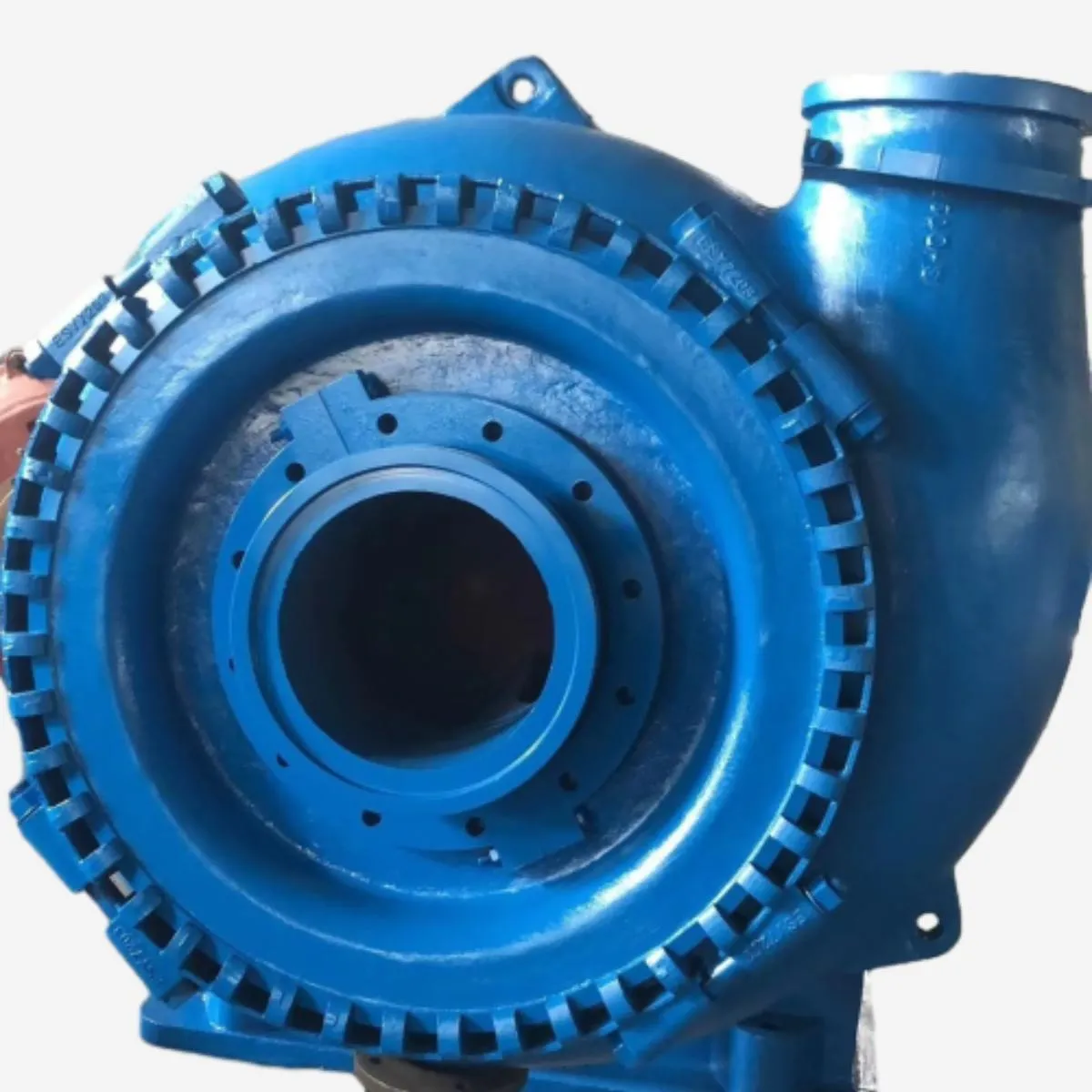
The Orion Series Horizontal Slurry Pumps are designed for the demanding applications of abrasive, corrosive, and erosive material transport in industries such as mining, mineral processing, wastewater treatment, and chemical processing. Positioned as critical components in process fluid handling systems, these pumps address the need for reliable and efficient solids conveyance. Core performance characteristics include high volumetric efficiency, robust construction to withstand aggressive media, and extended operational life minimizing downtime. The pumps are available in a range of sizes and configurations to suit varying flow rates, head pressures, and slurry compositions. The critical pain point addressed is the substantial operational cost associated with frequent pump failures in abrasive service, necessitating pumps capable of prolonged, reliable service under harsh conditions.
Material Science & Manufacturing
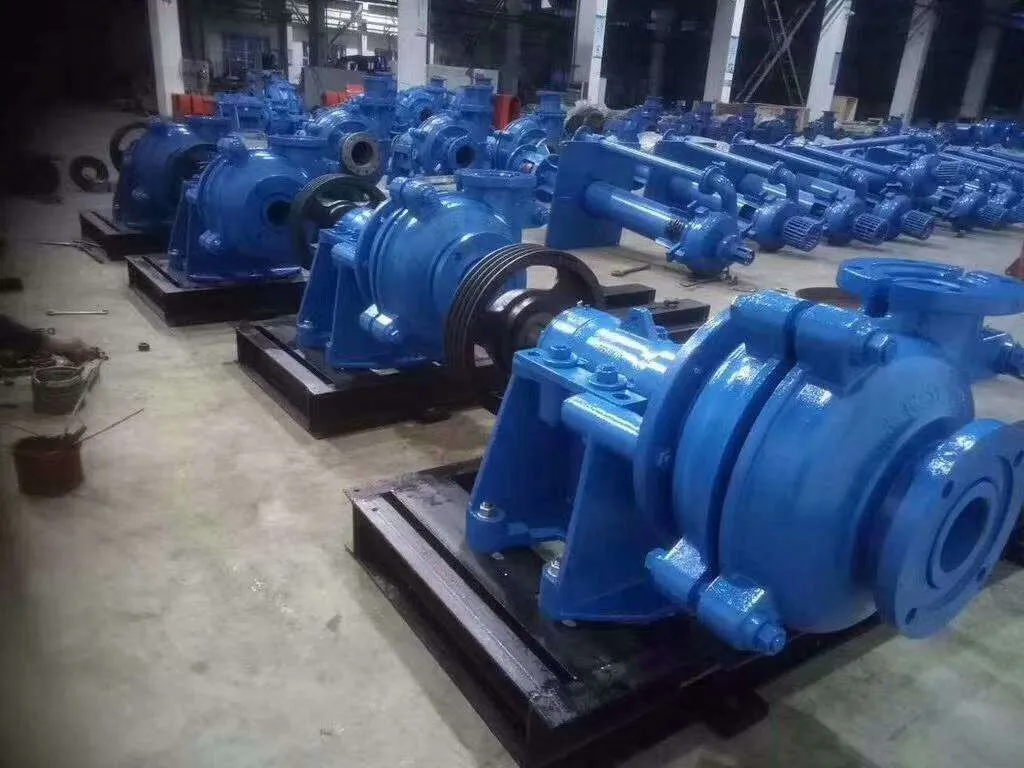
The Orion Series slurry pumps utilize materials selected for their resistance to abrasion, corrosion, and erosion. Casing materials commonly include high-chromium cast iron (typically 27% Cr), offering excellent wear resistance against abrasive slurries. Impeller materials range from high-chromium white iron alloys for severe abrasion, to ductile iron with hardened surface treatments, and in specialized applications, stainless steel (304, 316) or duplex stainless steel for corrosion resistance. Shafts are typically constructed from alloy steel (4140 or similar) with heat treatment to achieve high tensile strength and torsional rigidity. Manufacturing processes include sand casting for the casing, investment casting or centrifugal casting for impellers, and precision machining for critical components. Welding processes used (SMAW, GMAW, FCAW) must adhere to stringent quality control, including radiographic inspection to detect subsurface defects. Critical parameter control focuses on hardness verification (Rockwell C scale) of wear components, dimensional accuracy of impeller vane geometry, and surface finish of the internal casing to minimize friction losses. Material selection is rigorously evaluated based on the slurry’s pH, solids concentration, particle size distribution, and impact velocity to prevent premature failure mechanisms such as erosion-corrosion or stress corrosion cracking. The elastomer components used for seals and liners are often made from natural rubber, EPDM or Viton, selected based on chemical compatibility with the process fluid.
Performance & Engineering
Performance of the Orion Series pumps is fundamentally governed by the principles of fluid dynamics and impeller design. The pumps operate based on centrifugal force, converting rotational kinetic energy into hydraulic energy. Engineering considerations include pump head curves, flow rates, net positive suction head required (NPSHr), and hydraulic efficiency. Force analysis encompasses radial loads from impeller imbalance, axial thrust from pressure differentials, and bearing loads. Environmental resistance is addressed through robust casing design, sealing systems, and protective coatings. Compliance requirements are met through adherence to standards related to hydraulic performance (ISO 9906), mechanical integrity (ASME B31.3), and electrical safety (IEC 60034-1). Specific engineering details include impeller vane angles optimized for solids handling, volute casing geometry designed to minimize turbulence, and bearing lubrication systems incorporating appropriate greases or oil types. The pump's mechanical seal design is crucial, employing either single or double mechanical seals with barrier fluid systems depending on the slurry’s abrasiveness and corrosivity. Cavitation performance is enhanced through careful impeller design and maintaining adequate NPSHa (Net Positive Suction Head Available) exceeding NPSHr. Pump efficiency is maximized by minimizing internal clearances, optimizing impeller-volute matching, and employing hydraulic modeling software for design validation.
Technical Specifications
| Model Number | Flow Rate (m³/h) | Head (m) | Maximum Solids Size (mm) |
|---|---|---|---|
| Orion 65-40 | 50-200 | 20-40 | 65 |
| Orion 80-50 | 80-300 | 30-50 | 80 |
| Orion 100-65 | 150-450 | 45-65 | 100 |
| Orion 125-80 | 250-600 | 60-80 | 125 |
| Orion 150-100 | 400-800 | 80-100 | 150 |
| Orion 200-125 | 600-1200 | 100-125 | 200 |
Failure Mode & Maintenance
Common failure modes in Orion Series slurry pumps include impeller wear (due to abrasion and erosion), casing wear, mechanical seal failure, bearing failure, and shaft breakage. Impeller wear manifests as changes in pump performance, reduced head and flow. Casing wear leads to increased leakage and reduced volumetric efficiency. Mechanical seal failure results in leakage and potential pump damage. Bearing failure often originates from inadequate lubrication, overloading, or contamination. Shaft breakage is typically caused by fatigue cracking initiated from stress concentrations or corrosion. Failure analysis techniques include visual inspection, metallographic examination, and non-destructive testing (NDT) such as ultrasonic testing and dye penetrant inspection. Preventative maintenance involves regular inspection of wear components, lubrication of bearings, replacement of mechanical seals based on service intervals, and monitoring of pump vibration. Corrective maintenance procedures include impeller replacement, casing repair (welding or liner installation), bearing replacement, and shaft replacement. The selection of appropriate wear-resistant liners and coatings can significantly extend component life. Routine monitoring of discharge pressure, motor current, and bearing temperature provides early warning signs of potential failures.
Industry FAQ
Q: What is the optimal impeller material for a highly abrasive slurry containing 80% silica sand?
A: For a highly abrasive slurry with 80% silica sand, a high-chromium white iron impeller (typically 27-30% chromium) is recommended. This material provides superior abrasion resistance compared to standard cast iron or ductile iron. Regular inspection and replacement are still critical due to the extreme abrasive conditions.
Q: How does the pump’s NPSHr relate to the system’s NPSHa, and what are the consequences of insufficient NPSHa?
A: NPSHr (Net Positive Suction Head Required) is the minimum pressure required at the pump suction to prevent cavitation. NPSHa (Net Positive Suction Head Available) is the actual pressure available in the system. If NPSHa is less than NPSHr, cavitation occurs, leading to impeller damage, noise, and reduced pump performance.
Q: What type of mechanical seal is best suited for handling corrosive slurries containing sulfuric acid?
A: A double mechanical seal with a barrier fluid system is recommended for corrosive slurries containing sulfuric acid. The barrier fluid lubricates the seal faces and flushes away corrosive media, preventing seal failure. Materials such as Silicon Carbide or Tungsten Carbide are commonly used for seal faces.
Q: What are the best practices for extending the lifespan of mechanical seals in abrasive slurry applications?
A: Best practices include selecting a seal compatible with the slurry composition, using a double seal with barrier fluid, minimizing particle size through upstream classification, and ensuring proper seal installation and lubrication. Regular seal inspection and replacement are also vital.
Q: What maintenance intervals are recommended for bearings in a pump handling a slurry at 60°C?
A: For bearings operating in a slurry pump handling a slurry at 60°C, a monthly inspection of bearing temperature and grease levels is recommended. Complete bearing replacement should occur every 6-12 months, depending on the slurry’s abrasiveness and operating conditions. Use a high-temperature, lithium-based grease designed for heavy-duty applications.
Conclusion
The Orion Series Horizontal Slurry Pumps represent a robust and engineered solution for challenging fluid handling applications. Their material science, manufacturing techniques, and adherence to industry standards ensure prolonged operational life, minimizing downtime and total cost of ownership. Careful consideration of slurry characteristics, proper pump selection based on flow rate and head requirements, and diligent preventative maintenance are paramount to maximizing pump performance and reliability.
Future developments will likely focus on incorporating advanced materials (ceramic composites, surface coatings), intelligent monitoring systems for predictive maintenance, and optimized impeller designs to further enhance hydraulic efficiency and solids handling capabilities. The continued evolution of these pumps will be driven by the increasingly demanding requirements of industries striving for sustainable and cost-effective fluid management solutions.
-
Precision at the Pump: How Better Machining Protects Flow and Uptime
News2026-11-20
-
Why Pump Reliability Begins Before the First Drop of Fluid
News2026-11-20
-
Beyond the Pump: Designing Safer Access Around Critical Water Infrastructure
News2026-11-20
-
Why Pumping Stations Depend on the Infrastructure Beneath the Pumps
News2026-11-20
-
Beyond the Pump Room: How Smarter Loading Protects Industrial Equipment
News2026-11-19
-
When Pumps Stop: Designing More Resilient Power for Critical Pumping Systems
News2026-11-19
-
The Hidden Role of Dust and Gas Monitoring in Reliable Pump Operations
News2026-11-19
-
The Hidden Role of Mineral Compounds in Extending Industrial Pump Lifespan
News2026-10-12
-
Why Pump System Reliability Depends on Precision Hose Assembly Methods
News2026-09-15
-
How Advanced Imaging Films Are Transforming Pump Component Quality Control
News2026-08-25
-
How Advanced Filtration Protects Pump Systems from Premature Wear and Costly Downtime
News2026-08-25
-
How Steel Material Selection Drives Pump Reliability in Heavy-Duty Systems
News2026-08-25
-
Ensuring Pump System Efficiency: The Role of High-Quality Pipe Fittings and Tubing
News2026-08-24
-
Optimizing Fluid Dynamics and Material Consistency in Industrial Processing
News2026-08-18
-
Innovations and Challenges in Hydraulic Systems for Heavy Machinery
News2026-08-13




